
 NEWS
NEWSAustralian Singer-Songwriter Harry Rooks Prepares for U.S. Market Move


April 30 2026, Published 3:39 a.m. ET


The twenty-year-old artist is in discussions with management and label teams as he expands beyond Australia.
Harry Rooks has been performing since he was nine years old. Back then, it was busking on street corners in his small beachside hometown in regional Australia. Now, at twenty, the singer-songwriter and artist is preparing for a different kind of stage: the American market.
Rooks is currently in discussions with management and label teams as he plans his U.S. expansion. Alongside these conversations, he’s been developing new material, refining his visual direction, and performing consistently — continuing the approach that’s defined his career so far.
That career has been notably independent. Rooks reports that he writes, produces, and directs every aspect of his music and visuals himself. There’s no team of songwriters behind his tracks, no outside producers shaping his sound. It suggests a degree of creative control not always seen in artists of a similar age.

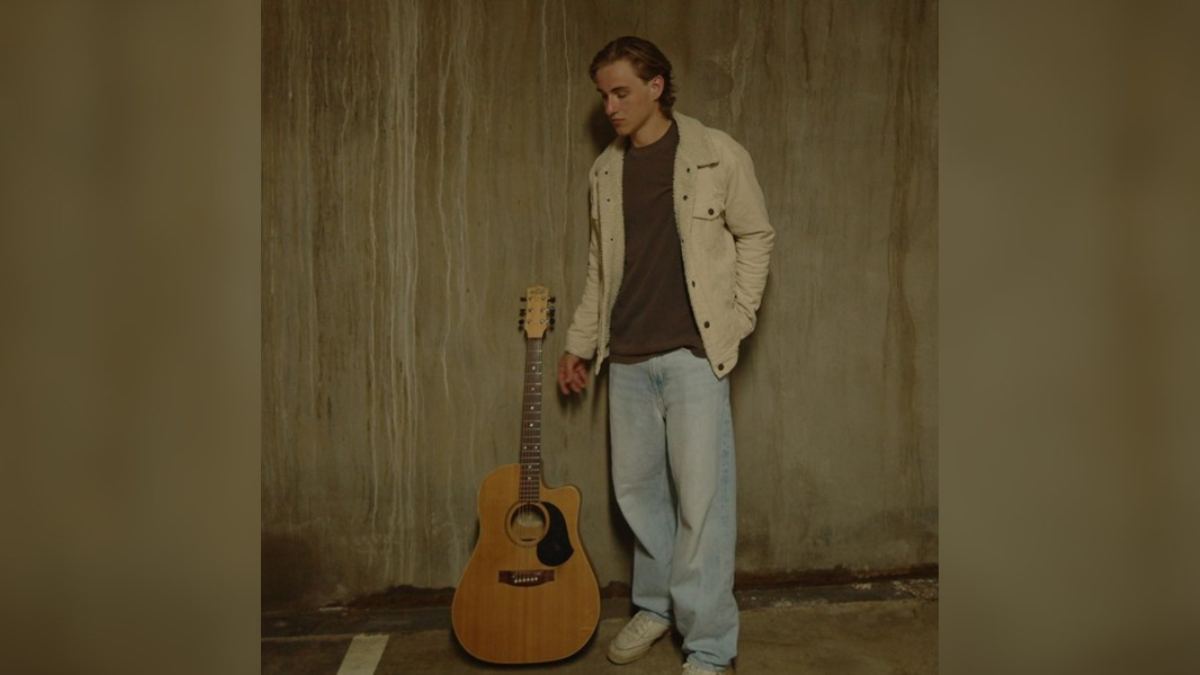
His sound leans toward organic instrumentation — piano, live drums, strings, acoustic guitar — rather than the synthesized production that dominates much of current pop. Rooks has said this comes from a place of honesty rather than any desire to rebel against trends. Organic instruments feel human and timeless to him, and he wants the music to reflect that. The result blends what he describes as emotional storytelling with melodic hooks, layered with selective modern elements to keep the music current.
The visual side of his project draws from cinematic influences. Rooks cites filmmakers Denis Villeneuve and Christopher Nolan as references, describing a goal of making audiences feel like they’re stepping into a world rather than just hearing a song. He’s been developing what he calls a cohesive visual and artistic universe, with a strong emphasis on cinematic presentation and performance.
Growing up in regional Australia meant developing his artistry far from any music industry hub. Sydney and Melbourne, where most Australian artists build their careers, were distant. Rooks has said this isolation helped more than it hindered — without external pressure or comparison to existing scenes, he built his sound on his own terms. There were no industry expectations to meet, no local trends to follow or react against.
His early busking experience left a lasting impression on his songwriting approach. Performing original material on street corners taught him something that studio sessions never could. As Rooks puts it, busking provides the most honest feedback possible: people either stop or they don’t. If an original song isn’t good enough to make someone pause in the street, it isn’t finished. That early experience shaped his confidence as a vocalist and performer and established what he calls a performance-first approach to songwriting.
Want OK! each day? Sign up here!
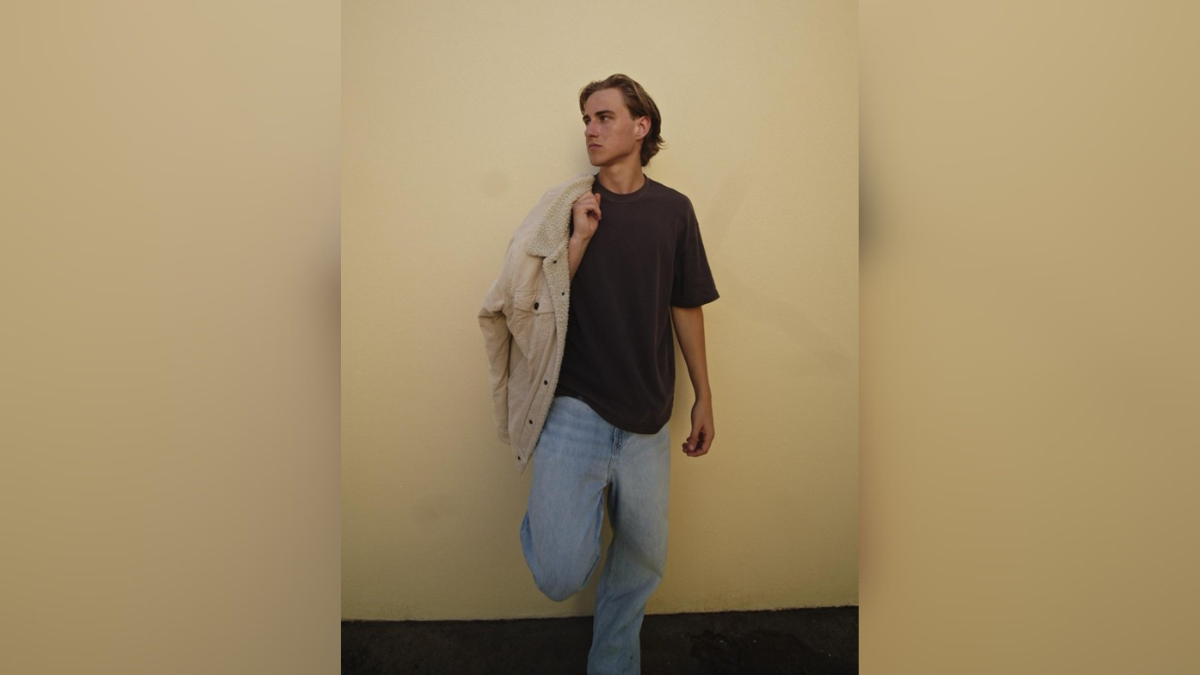
At twenty, Rooks talks about sustainability and longevity rather than quick success. He’s focused on building slowly, keeping the music central, and avoiding short-term decisions that might compromise long-term growth. It’s a measured perspective for someone at the start of their career.
Being his own filter comes with challenges. Rooks has said the hardest part of handling everything himself is knowing when to stop. When you do everything yourself, there’s always another change to make. Learning when a song is finished has been the biggest challenge. At some point, he says, you have to trust the work and let it go.
The U.S. market is competitive, and plenty of international artists have found the transition difficult. But Rooks appears to be approaching the move methodically, with management discussions underway and new material in development. What happens next will depend on how those industry conversations develop and how American audiences respond to an artist who’s built his career independently from the ground up.