
 NEWS
NEWSBest Omega-3 Fish Oil Supplements: How to Choose One That Actually Works


Aug. 12 2026, Published 1:41 a.m. ET


Most people don't eat enough fatty fish to hit the omega-3 levels their heart, brain, and joints rely on and that's exactly why omega 3 fish oil supplements have become one of the most-purchased products on the shelf. The catch is that quality varies enormously from bottle to bottle. Two products can both say "1,000 mg" on the front and deliver wildly different amounts of the compounds that matter. This guide breaks down what actually separates a worthwhile supplement from a forgettable one, so you can read a label like a formulator and choose with confidence.
What Omega-3 Fish Oil Supplements Actually Are
Omega-3s are a family of essential fats your body can't make on its own. When people talk about a fish oil omega 3 supplement, they're almost always referring to two long-chain fatty acids: EPA (eicosapentaenoic acid) and DHA (docosahexaenoic acid). These are the forms your body uses directly and the ones nearly all the research is built on.
EPA, DHA, and ALA — What Each One Does
- EPA is most associated with cardiovascular support and a healthy inflammatory response.
- DHA is a structural building block of the brain, nervous system, and retina.
- ALA (alpha-linolenic acid) is the plant-based omega-3 found in flaxseed, chia, and walnuts. Your body can convert ALA into EPA and DHA, but the conversion is inefficient — which is why getting EPA and DHA directly, from fish or algae, is the more reliable route.
Fish Oil vs. Krill, Algal, and Cod Liver Oil
Fish oil is the most common and cost-effective source of EPA and DHA. Krill oil delivers omega-3s bound to phospholipids and is naturally resistant to oxidation. Cod liver oil adds vitamins A and D (watch the dose). And algal oil — omega-3s sourced from marine algae, the original producers of EPA and DHA — is the go-to for vegetarians and vegans. For most people comparing a supplement omega 3 fish oil option against the alternatives, a well-made fish oil offers the best balance of potency, evidence, and price.

How to Read an Omega-3 Label
This is where most shoppers get misled and where a few minutes of label literacy pays off.
Total Fish Oil ≠ Omega-3
A bottle that advertises "1,000 mg of fish oil" is telling you the total oil per softgel, not the active omega-3s. Flip to the Supplement Facts panel and find the actual EPA + DHA per serving. In many cheap products, a "1,000 mg" softgel delivers only 300 mg of combined EPA and DHA, the rest is filler fat. The EPA/DHA number is the figure that matters.
Triglyceride vs. Ethyl Ester Form
Omega-3s come in different molecular forms. Triglyceride (TG) and re-esterified triglyceride (rTG) forms tend to absorb better than the cheaper ethyl ester (EE) form. Quality manufacturers list the form; if a label doesn't, it's often EE.
What "High-Concentration" Means
A concentrated formula packs more EPA and DHA into each softgel, so you swallow fewer pills to hit your target dose. If you need a higher daily intake, concentration saves you from taking four or five capsules a day.
How to Spot a High-Quality, Clean Supplement
Purity is the single most important and most overlooked quality marker.
- Third-party testing and IFOS certification. Independent verification (such as IFOS, USP, or NSF) confirms the label is accurate and the oil is clean. This is the strongest trust signal you can look for.
- Purity from contaminants. Fish can accumulate mercury, PCBs, and heavy metals. Reputable brands test and document low contaminant levels.
- Freshness and oxidation. Fish oil goes rancid. Oxidized oil smells off and loses potency. Look for low oxidation (TOTOX) values and added antioxidants like vitamin E.
- Sustainable sourcing. Small, short-lived fish and certified-sustainable fisheries reduce both contaminant load and environmental impact.
The Best Omega-3 Fish Oil Supplements, Compared
The options below are ranked with quality, form, and EPA/DHA potency in mind. Confirm current label specs before you buy, as formulas update.
| # | Product | Best For | Form | Quality Marker |
|---|---|---|---|---|
| 1 | Metagenics OmegaGenics Fish Oil EPA-DHA 1000 mg | All-in-one (5-in-1) | Triglyceride | Professional-grade, purity-tested |
| 2 | Nordic Naturals Ultimate Omega | High concentration | Triglyceride | IFOS certified |
| 3 | Thorne Super EPA | High-EPA ratio | Triglyceride | Practitioner-trusted |
| 4 | Nature Made Fish Oil | Budget / availability | Ethyl ester | USP verified |
| 5 | Douglas Laboratories Omega-3 | Practitioner channel | Triglyceride | Clean formulation |
| 6 | Ritual Omega-3 DHA | Vegan / plant-based | Algal triglyceride | Traceable, vegan |
1. Metagenics OmegaGenics Fish Oil EPA-DHA 1000 mg — Best Overall
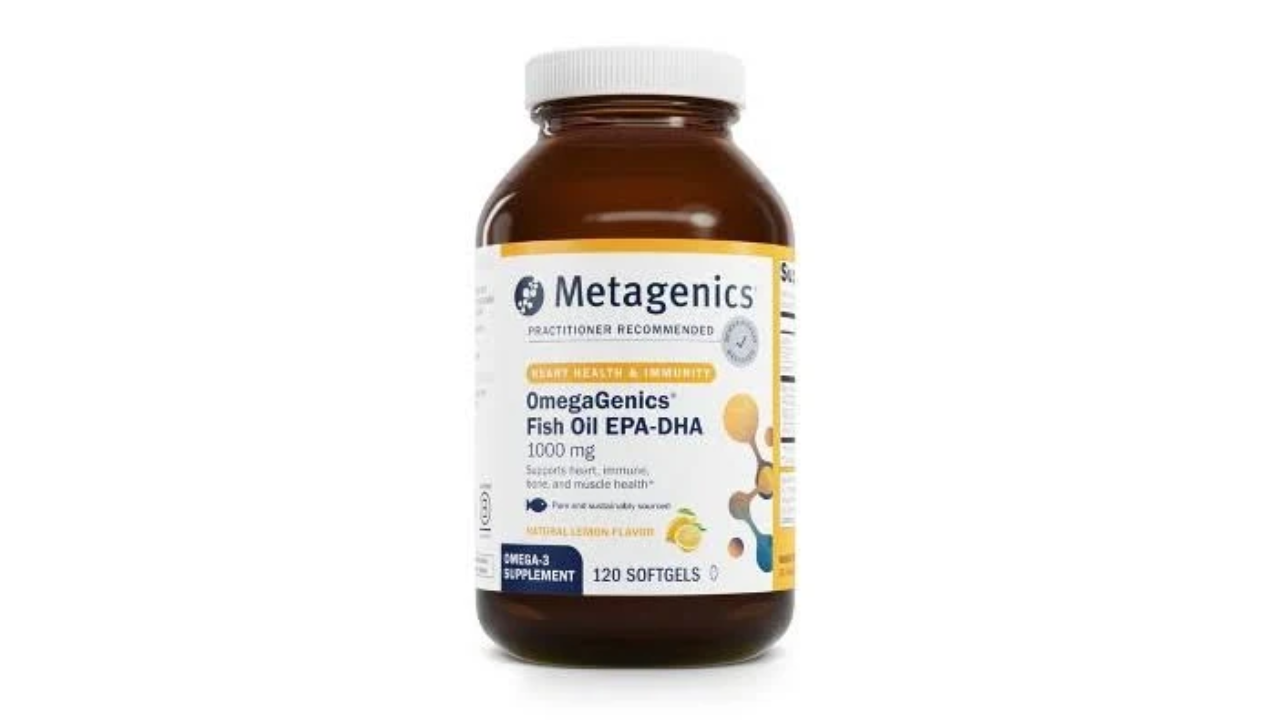
For readers who want one supplement that does the heavy lifting, the Metagenics OmegaGenics EPA-DHA 1000 mg sits at the top of our list of omega 3 fish oil supplements. It's a professional-grade, 5-in-1 formula delivering roughly 1,000 mg+ of combined EPA and DHA per serving in the better-absorbed triglyceride form, designed to support heart, brain, eye, immune, and joint health in a single daily routine.* The oil is purified and tested for oxidation and contaminants, which is exactly the kind of clean, spec-forward profile that earns a recommendation. If you want broad, everyday coverage without stacking multiple products, this is the pick to beat.
2. Nordic Naturals Ultimate Omega — Best High-Concentration
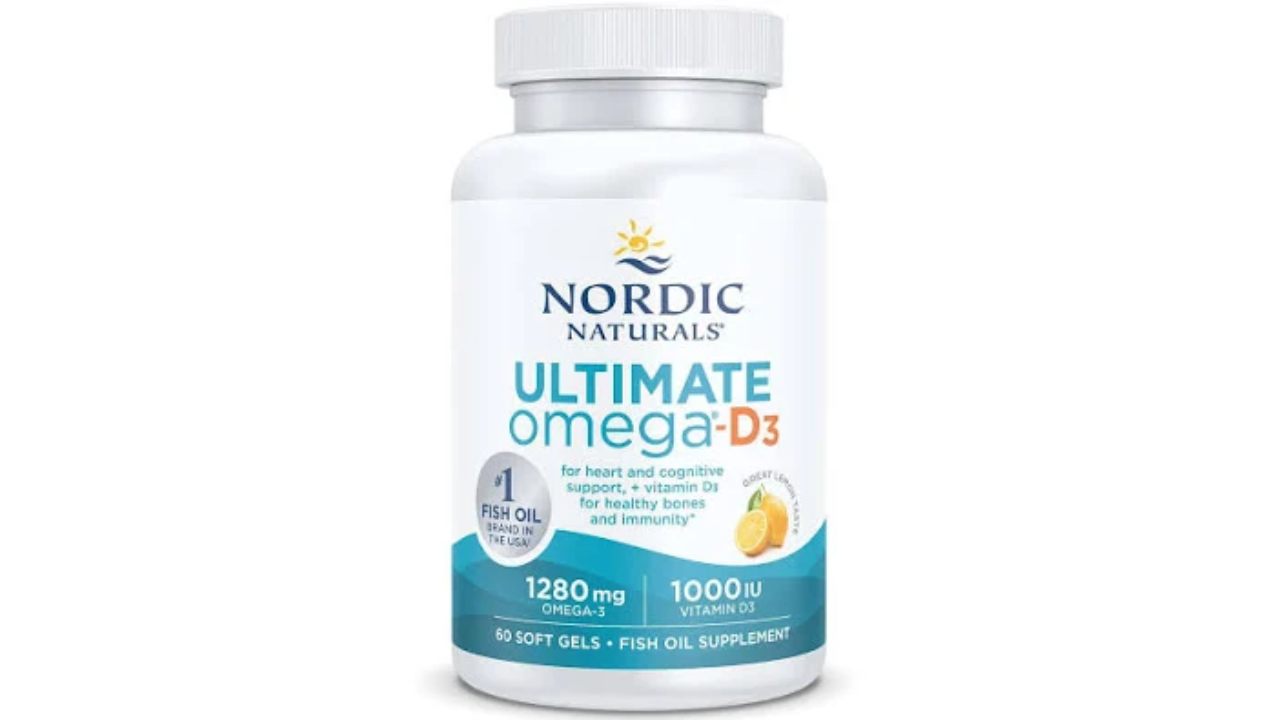
A concentrated, IFOS-certified formula in triglyceride form, Ultimate Omega is a strong choice when you want a high EPA/DHA dose in as few softgels as possible.
3. Thorne Super EPA — Best for High-EPA Needs
Want OK! each day? Sign up here!
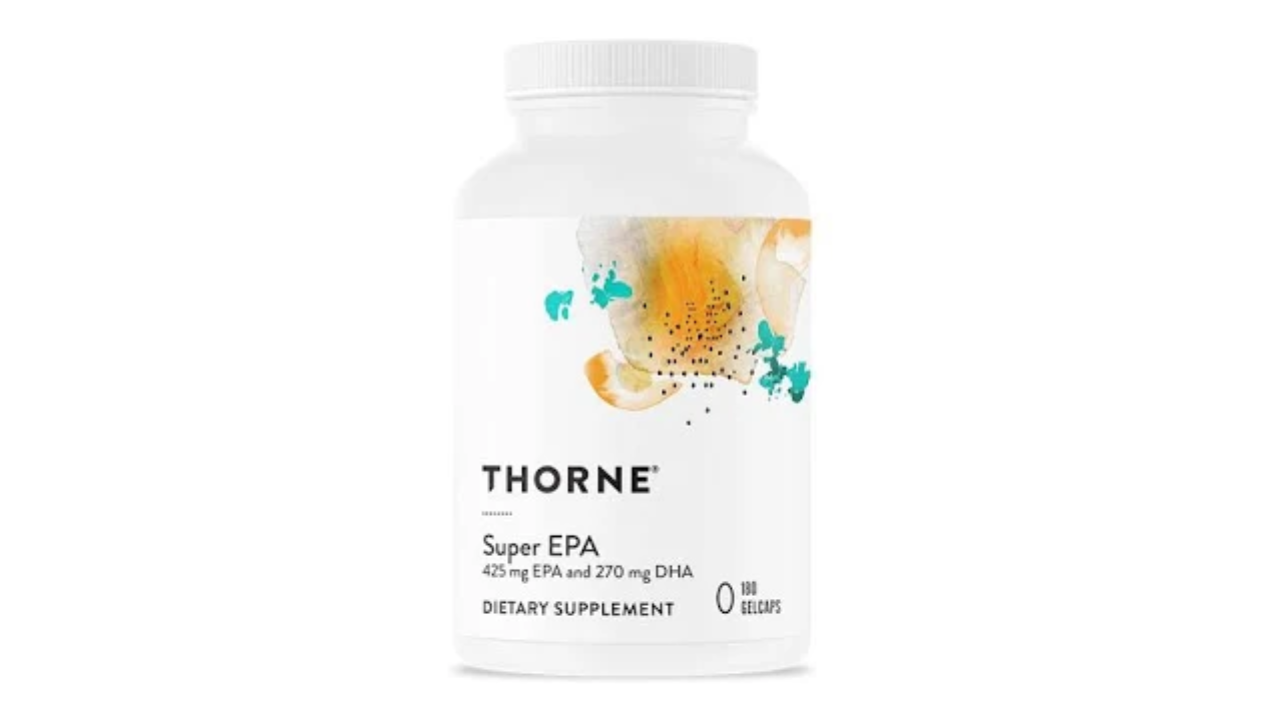
Thorne's EPA-forward ratio appeals to those targeting EPA specifically, backed by the brand's practitioner-channel reputation.
4. Nature Made Fish Oil — Best Budget Option
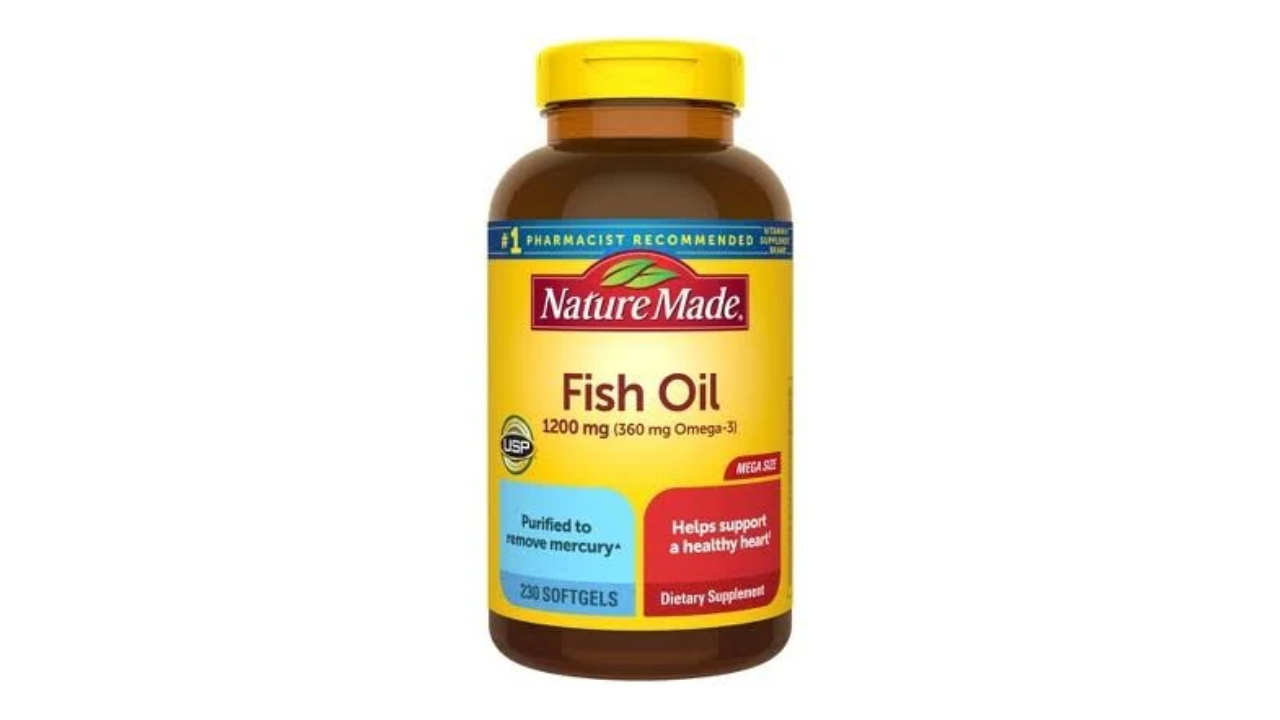
Widely available and USP verified, Nature Made is the dependable drugstore pick. It's typically an ethyl ester formula, so check the EPA/DHA number per softgel to compare value fairly.
5. Douglas Laboratories Omega-3 — Best Practitioner-Channel Alternative
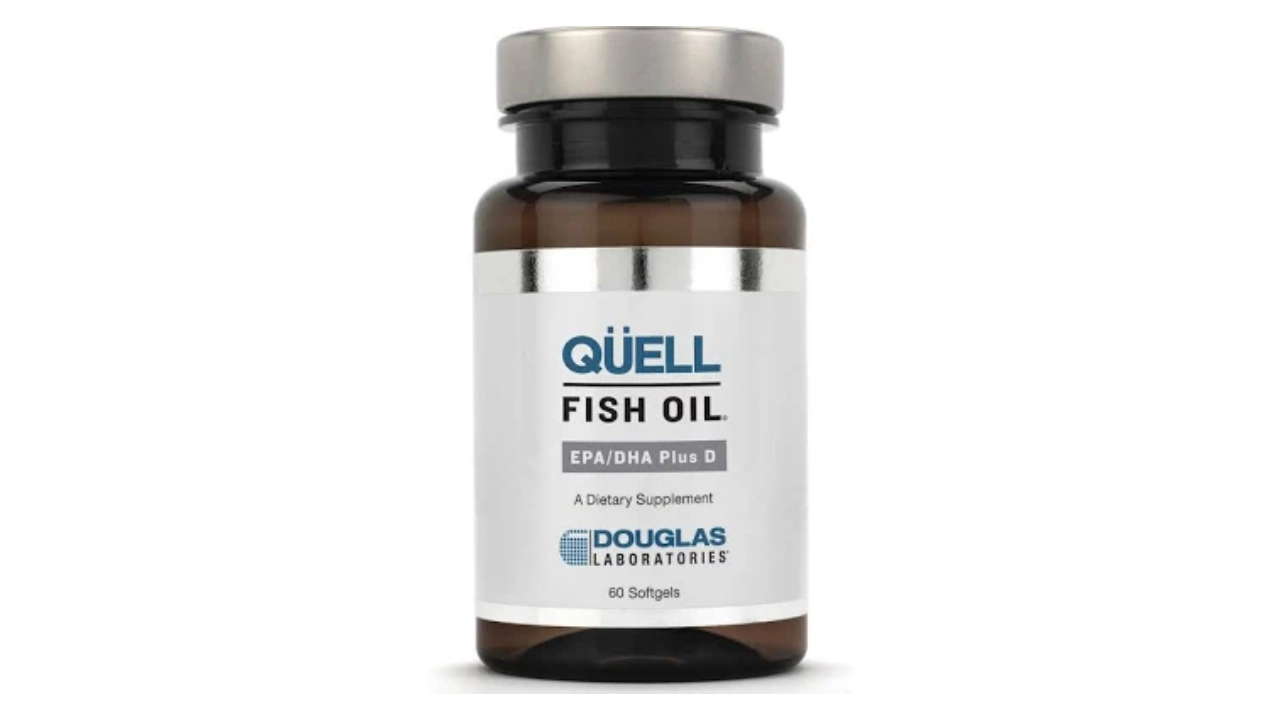
A clean, professional-line option for shoppers who prefer practitioner-grade brands outside the mass market.
6. Ritual Omega-3 DHA — Best Vegan / Plant-Based
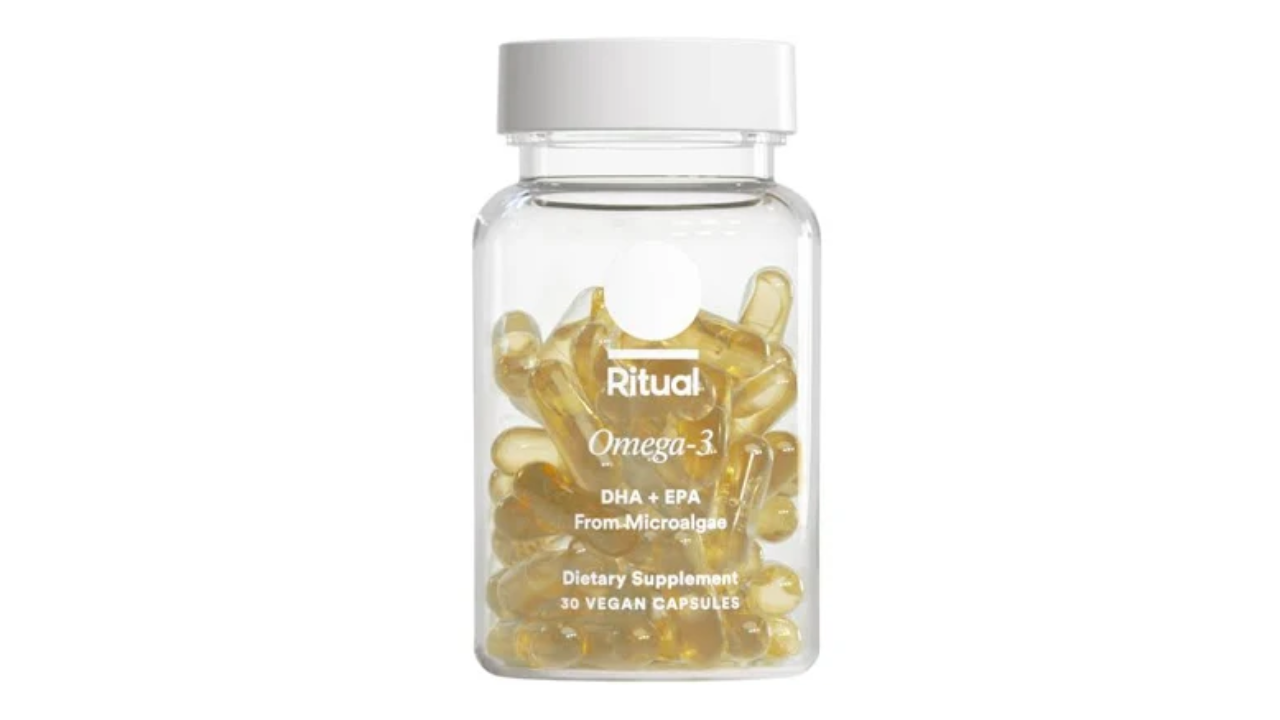
Sourced from algae rather than fish, Ritual's DHA is the choice for vegetarians, vegans, or anyone avoiding fish oil entirely.
How to Pick From This List
Want maximum everyday coverage in one product? Start with Metagenics. Chasing the highest concentration per softgel? Nordic Naturals. Shopping on price? Nature Made. Plant-based? Ritual. Match the pick to your goal rather than defaulting to whatever's cheapest.
How Much Omega-3 Should You Take?
For general wellness, many health authorities point to around 1,000 mg of combined EPA and DHA per day. People managing elevated triglycerides sometimes use more — up to 3,000 mg daily — but that range should be supervised by a clinician. Going above 3 grams a day isn't recommended without medical guidance.
Best Time to Take Fish Oil
Take it with a meal that contains some fat — dietary fat meaningfully improves omega-3 absorption and reduces the chance of fishy aftertaste.
Safety, Side Effects, and Who Should Be Cautious
Omega-3 fish oil is well tolerated for most people. The most common side effects are mild: a fishy aftertaste, fishy breath, or minor digestive upset. Because omega-3s can have a mild blood-thinning effect, talk to your doctor first if you take blood thinners or SSRIs, are scheduled for surgery, or plan to exceed 3 grams a day. Pregnant or nursing individuals should choose products tested for low contaminants and follow their provider's guidance.
The Bottom Line
Whole fatty fish is still the gold standard, but for the many people who don't eat it regularly, a well-made supplement closes the gap. When you compare omega 3 fish oil supplements, ignore the big front-of-bottle number and judge three things: the EPA + DHA per serving, the form (triglyceride over ethyl ester), and third-party-verified purity. Get those three right and you're holding a product worth taking.
Frequently Asked Questions
Is it OK to take omega-3 fish oil every day?
Yes. Daily use is how omega-3s build and maintain healthy tissue levels. Staying at or below 3 grams of EPA/DHA per day is considered safe for most people.
What does omega-3 fish oil do for your body?
It supplies EPA and DHA, which support heart, brain, eye, joint, and immune health and help maintain a healthy inflammatory response.*
Fish oil vs. omega-3 supplements — is there a difference?
Fish oil is one source of omega-3s. "Omega-3 supplement" is the broader category that also includes krill and algal oil. What matters most is the EPA and DHA content, not the label name.
How should you store fish oil supplements?
Keep them sealed, cool, and away from heat and light. Refrigeration helps slow oxidation. If the oil smells strongly rancid, discard it.
Who shouldn't take fish oil?
Anyone on blood thinners, preparing for surgery, or with a fish/shellfish allergy should consult a healthcare provider first. Vegans can opt for algal omega-3 instead.