
 NEWS
NEWSBill Cosby Civil Verdict Explained: Why a Jury Awarded $59 Million to Woman Decades After Alleged Assault

A California jury found Bill Cosby liable in a decades-old sexual assault case.

March 26 2026, Published 7:14 p.m. ET


More than 50 years after she says she was assaulted, a woman has won a nearly $60 million civil verdict against Bill Cosby, marking one of the most significant legal outcomes in the long-running wave of cases against the once-revered entertainer.
A California jury found Cosby liable for sexually assaulting Donna Motsinger in 1972, awarding her $59.25 million, including $40 million in punitive damages. The verdict comes nearly five years after Cosby’s criminal conviction in a separate case was overturned, underscoring a key reality: civil courts operate under a very different set of rules.
Why Civil Court Reached a Different Outcome

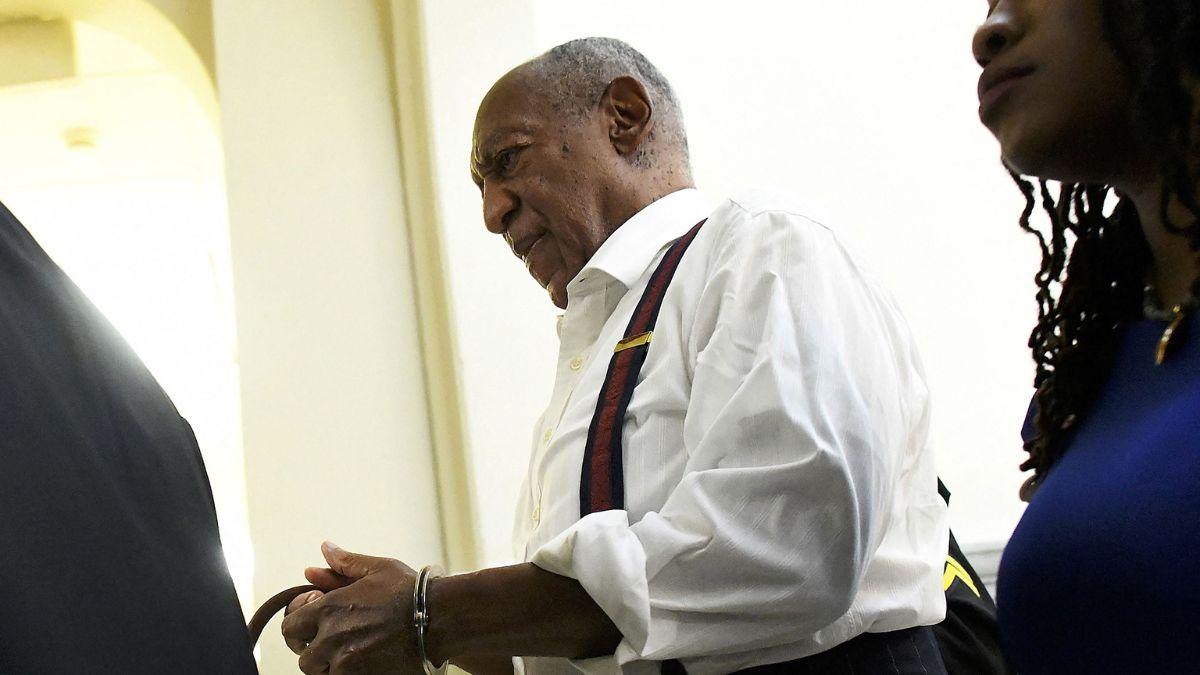
The verdict awarded Donna Motsinger $59.25 million in damages.
“Criminal and civil courts serve different masters,” says Todd Spodek, managing partner of Spodek Law Group, which was not involved in Cosby’s case. “One seeks to punish a crime against the state; the other seeks to price the damage done to a human being.” That distinction is critical.
“Because liberty is at stake, criminal cases require proof beyond a reasonable doubt,” Spodek explains. “Civil litigation requires only a preponderance of the evidence. If a survivor tips the scale by even 51 percent, they win.”
In civil cases, where physical evidence may not still exist, a “pattern of behavior” can nevertheless weigh heavily against a defendant.
“In cases like Bill Cosby’s, where physical evidence is often unavailable due to the passage of time, juries may focus almost entirely on witness credibility,” notes attorney Kelly Hyman, who has represented survivors of sexual assault and trafficking but was not involved in the Cosby case. “Judges may allow ‘prior bad acts’ testimony from other accusers in a civil case.”
How Decades-Old Cases Are Moving Forward
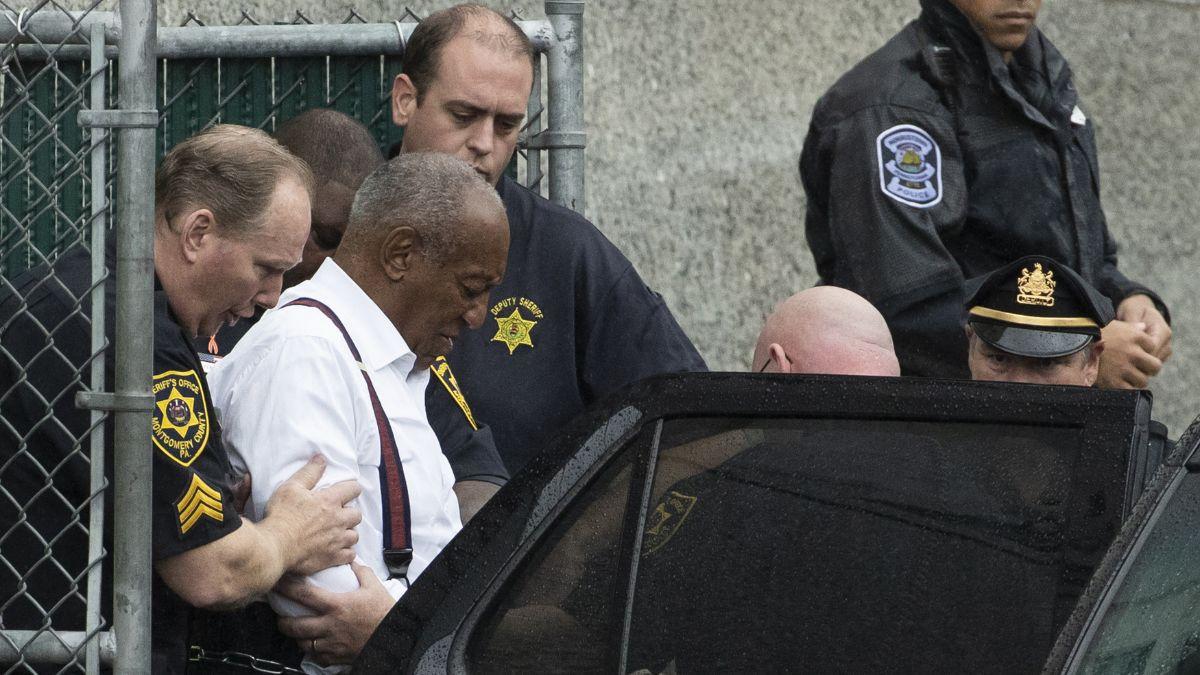
The case was filed in 2023, five decades after the alleged assault.
Motsinger’s case was filed in 2023, more than five decades after the alleged assault, thanks to changes in state law.
“Many states, including California, have expanded or revived statutes of limitations for sexual assault claims,” says civil trial attorney Spencer T. Kuvin, Chief Legal Officer of GOLDLAW, who was not involved in the case. “Lawmakers recognized that survivors often don’t come forward immediately due to trauma, fear, or power dynamics. Civil law has evolved to give those claims a path forward — even decades later..”
Lindsay Richards, a criminal defense attorney and former prosecutor who was not involved in the case, points out that these legal shifts are tied to broader cultural change.
“There was a state specific legislation that revived old cases allowing suits to be brought decades later in response to the #MeToo Movement,” Richards mentions.
Want OK! each day? Sign up here!
What Juries Focus on Without Physical Evidence
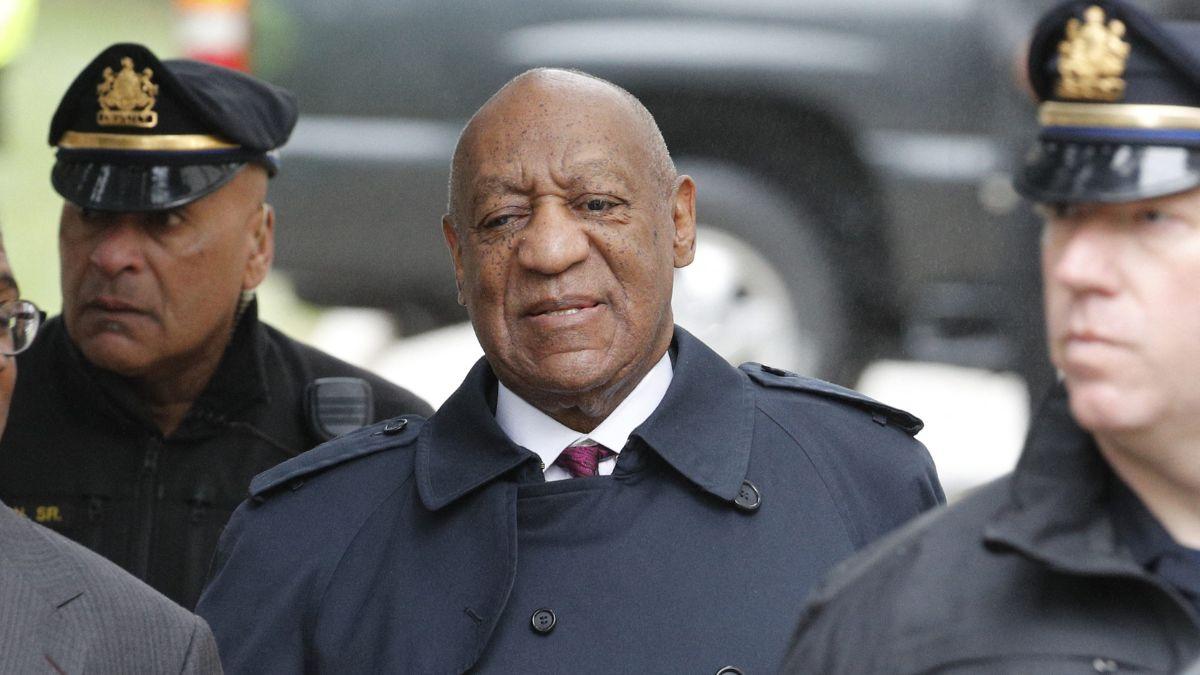
Legal experts pointed to revived state laws allowing older claims.
“Modern juries are increasingly sophisticated about the reality of trauma. They understand that while a victim might forget the weather or a specific date from twenty years ago, they never forget the act itself,” Spodek says. “In these older cases, credibility is not found in a clinical timeline, but in the ring of truth: the consistent, messy, and non-linear way the human mind actually works.
Hyman adds that there is other evidence that can help juries evaluate a victim’s credibility.
“Juries in older civil cases evaluating credibility may focus on consistent evidence over time, such as medical records, diary entries, counseling records, and testimony from others who witnessed behavioral changes in the victim,” she continues.
Accountability Beyond Criminal Court
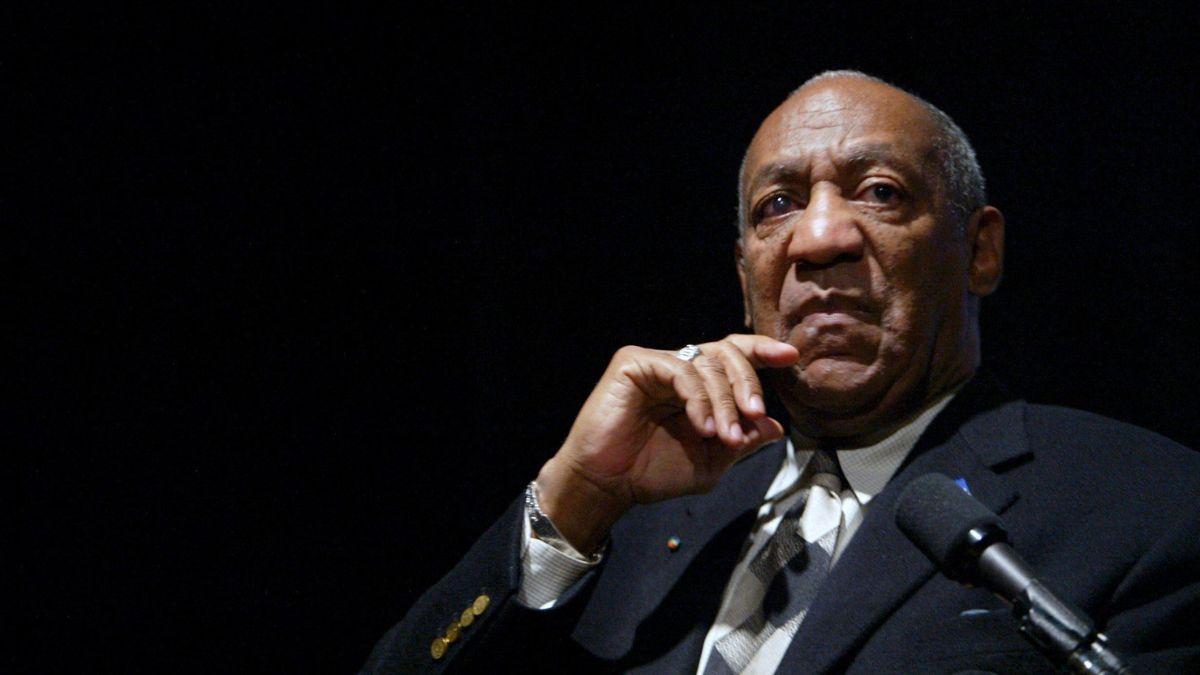
The ruling renewed debate over accountability beyond criminal court.
“Civil cases are about accountability and compensation,” says Nicholas Liakas, senior partner at Liakas Law P.C., who was not involved in the case “A jury can award monetary damages for the harm suffered, including emotional distress, even decades later.
For Motsinger, the outcome was deeply personal. “This verdict is not just about me — it’s about finally being heard and holding Mr. Cosby accountable,” she expressed in a statement.
“Verdicts like this often surprise people because they blur the line between legal guilt and civil liability,” Liakas admits. “But they underscore an important point: civil courts can provide a path to accountability in addition to or when criminal prosecution is not possible.”