
 Politics
Jimmy Kimmel's Spat With Newsmax Is 'Mostly Political Theater' Despite Concerns FCC May Regulate Late-Night Comedy: Expert

Jimmy Kimmel mocked Rob Schmitt’s calls for FCC punishment.

March 16 2026, Published 6:33 p.m. ET


Jimmy Kimmel is firing back after a Newsmax host suggested federal regulators should step in to discipline his late-night show, escalating the latest clash between comedians and political commentators over the role of satire in television.
The dispute began after Kimmel criticized President Donald Trump’s proposed SAVE Act, which would require “documentary proof of U.S. citizenship” to vote, during a recent monologue on Jimmy Kimmel Live!. Newsmax host Rob Schmitt responded by arguing that ABC’s late-night show should face federal consequences for airing political commentary.
Kimmel, never one to back down from a televised feud, used his next episode to mock the suggestion that the Federal Communications Commission (FCC) should intervene in late-night comedy.
The Newsmax Complaint

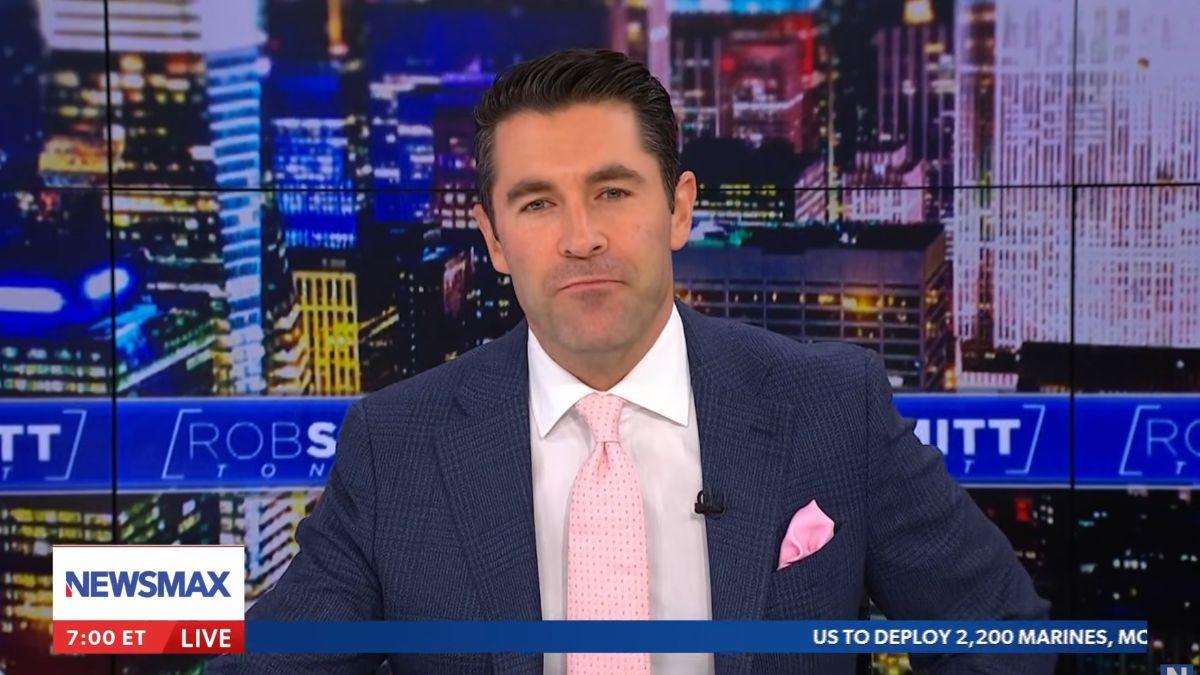
Rob Schmitt criticized ABC’s late-night content.
During an episode of The Rob Schmitt Show, Schmitt argued that Kimmel’s commentary crossed a line because his show airs on a broadcast network regulated by the FCC.
“Kimmel’s up there talking about [the SAVE act] like that on a comedy show on a federally regulated network,” Schmitt said. “Again, ABC is defiant. They are against what the FCC is supposed to regulate.”
Schmitt went further, accusing the program of political bias.
“That is not a comedy show,” he said. “That is propaganda.”
The Newsmax host added that ABC “breaks that law every single night” and said the network should “learn a lesson.”
Jimmy Kimmel’s On-Air Response
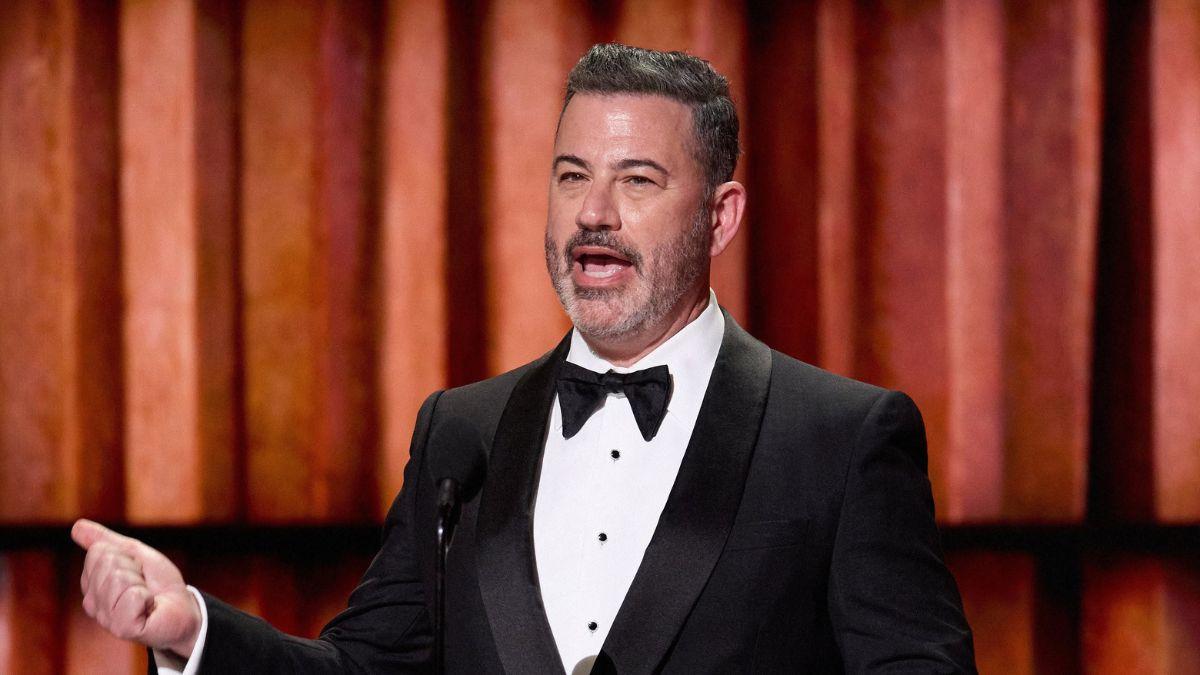
Jimmy Kimmel answered the complaint on air.
Kimmel responded during the following night’s monologue with a mixture of sarcasm and ridicule.
“I think of it as a little of both, you know?” he joked about Schmitt’s claim that the show is propaganda rather than comedy.
He also mocked the call for federal intervention.
“Oh, they’re such tattletales,” Kimmel said. “They’re so worried about cancel culture until I come on, and then they’re like, ‘Call the FCC! He’s breaking the law!’ How does this not embarrass them?”
Kimmel also referenced Newsmax’s $67 million settlement with Dominion Voting Systems over false election claims.
“This channel he’s on, Newsmax: I don’t know if you see, they’re literally on a payment plan right now,” he said.
- Jimmy Kimmel Bashes 'Shameful' Donald Trump for Wearing Baseball Cap During Tribute to Fallen Troops: 'God Forbid He Just Do It Respectfully'
- Barack Obama Slams 'Dangerous' Trump Administration After Jimmy Kimmel's Suspension
- How Donald Trump's Attacks Against Late-Night TV Fuel a Comedy-Driven News Cycle
Want OK! each day? Sign up here!
What the Law Actually Says
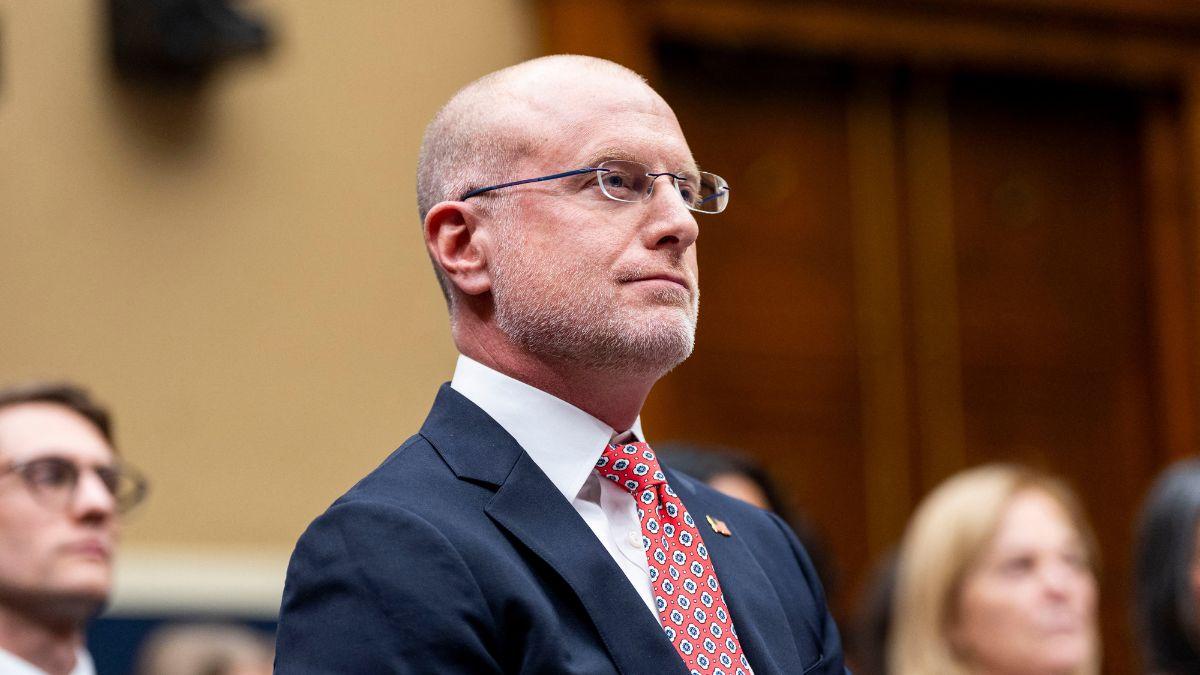
Experts dismissed the legal threat.
Despite the heated rhetoric, media experts say the legal reality behind regulating late-night comedy is far more limited than critics suggest.
“The idea that the FCC can step in and punish a late-night host for political jokes is mostly political theater,” said Kaivan Shroff, media and cultural analyst and founder of the Yale School of Management Social Media Lab. “The First Amendment gives broadcasters enormous latitude to criticize public officials, and the FCC is not a referee for partisan hurt feelings.”
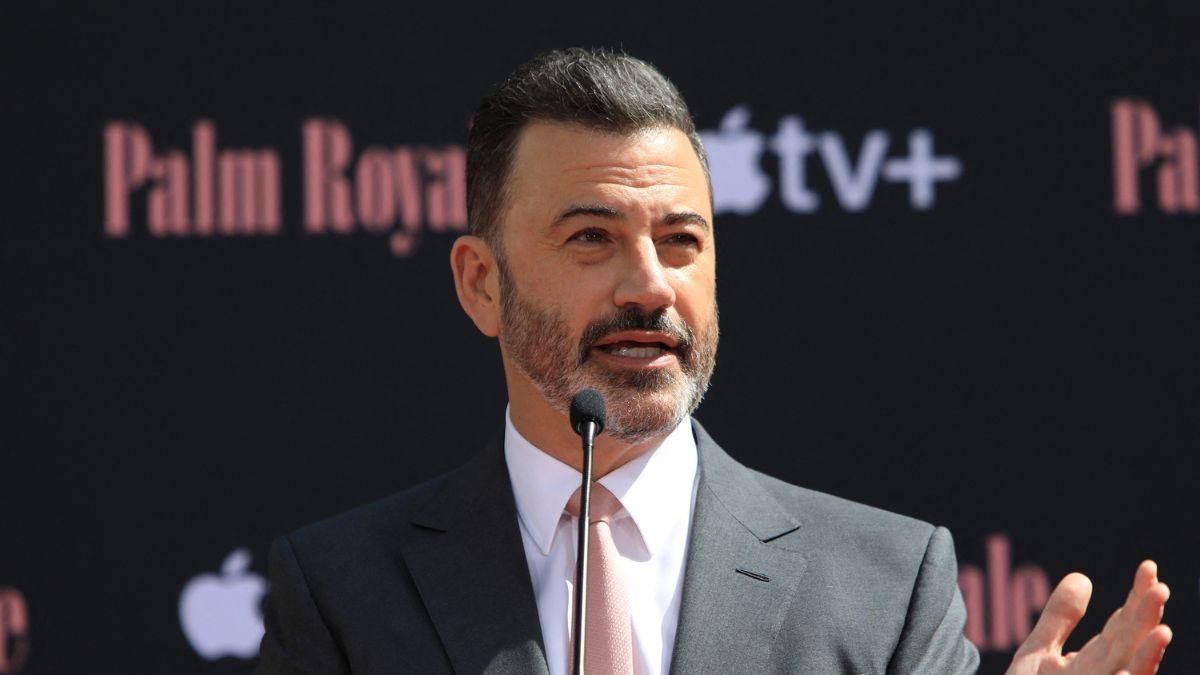
An expert said the government can't regulate Jimmy Kimmel's opinion toward a politician.
Shroff explained that the regulatory framework critics often cite applies only in narrow circumstances tied to election law.
“Where the law actually kicks in is much narrower — if a legally qualified candidate appears on a broadcast show, stations may have to offer comparable airtime to rivals under longstanding election rules,” he noted.
He said that many calls to regulate political comedy misunderstand the difference between editorial speech and election compliance.
“The government can’t regulate Jimmy Kimmel’s opinion about a politician,” Shroff declared. “What it can do (in limited circumstances) is enforce fairness rules when a candidate is given airtime on broadcast television. That’s a technical compliance issue, not censorship of comedy.”