
 LIVING
Celebs Love Chemical Peels: A Top Expert Breaks Down What They Are and Why They Work

A top expert breaks down what a chemical peel is.

July 20 2026, Published 1:55 a.m. ET


Many celebs swear by chemical peels. While some choose not to disclose their cosmetic treatments, others are more open about how they maintain their flawless skin, including Jennifer Aniston, Gwyneth Paltrow, Victoria Beckham and more.
"A chemical peel is a skin-resurfacing treatment where a chemical solution is applied to the skin to remove damaged outer layers and stimulate new, smoother skin to grow in its place. It’s commonly used to improve acne, fine lines, uneven skin tone, dark spots and mild scarring, and it can be done at different strengths depending on how much exfoliation and downtime is desired," Tamila Deveny, a top-rated medical esthetician who works in New York City, exclusively tells OK!.
According to Deveny, people get chemical peels for many reasons.
"Some use them for anti-aging, while others choose them for sun damage, melasma, acne, acne scars, fine lines, hyperpigmentation and improving skin. They help keep pores looking cleaner and tighter no extractions needed, reducing the need for spa visits. They may also help with keratosis pilaris on the arms and can make the skin look smoother, brighter and healthier overall. Chemical peels can be used from face to toe on different areas of the body, including the face, neck, chest, stomach, underarms, arms, hands, legs and even the buttocks," the head clinical aesthetician, who has extensive experience with skin treatment and rejuvenation procedures and oversees four offices at MDCS Dermatology: Medical Dermatology & Cosmetic Surgery, explains.


Tamila Deveny is a top-rated medical esthetician who works in New York City.
She adds, "Chemical peels give you a glow by exfoliating away dead, dull skin cells on the surface and stimulating new, healthy skin cell growth underneath, revealing smoother, brighter, more radiant skin. The process also boosts collagen production, which improves firmness and texture for a youthful glow."
There are many benefits to getting a chemical peel, including reducing the appearance of fine lines and wrinkles, stimulating collagen production, plumping the skin, minimizing visible signs of aging, fading dark spots, sun spots and hyperpigmentation (including melasma), and helping treat acne while reducing the appearance of acne scars.
Additionally, it decreases oil, kills bacteria, reduces inflammation and fills in shallow acne scars. It also leaves you with a smoother texture, evens out rough patches and refines the skin surface.
Chemical peels can improve the appearance of the skin by unclogging and refining pores, helping them appear smaller, removing dead skin cells to reveal a brighter, smoother, more radiant complexion, and, in some cases, treating precancerous skin lesions known as actinic keratoses, which can help reduce the risk of certain types of skin cancer.

Many celebrities are open about getting chemical peels.
There are three main types of chemical peels. A light peel removes the outer layer of skin (the epidermis) and is commonly used to treat fine lines, acne, uneven skin tone, and dullness. A medium peel penetrates into the upper dermis, making it more effective for treating moderate wrinkles, acne scars, and pigmentation issues. Finally, a deep peel reaches the deeper layers of the skin and is typically used to treat deep wrinkles, severe scarring and certain precancerous skin growths.
In the 1950s and 1960s, chemical peels became more popular as a cosmetic treatment when "dermatologists were refining medical-grade formulas and studying how deeply different concentrations penetrated the skin," the expert says.
"In the 1980s and 1990s, dermatologists uncovered the cosmetic potential of alpha-hydroxy acids (AHAs), helping turn chemical peels into something much more approachable. What had once been viewed as a heavy, painful treatment used mainly for scarring evolved into a popular option with less downtime for everyday skin renewal and anti-aging. This brought a new level of accessibility to aesthetic dermatology," she adds.
Want OK! each day? Sign up here!
Now, skin enthusiasts highly recommend getting one, especially before a big event. "Celebs tend to pick chemical peels because they can quickly improve glow, texture, acne marks and uneven pigment with relatively little downtime compared with more aggressive procedures," Deveny says. "Light peels are also flexible. They can be customized by strength and are commonly used for fine lines, acne, discoloration, and sun damage. They also work well as part of a broader maintenance routine rather than a one‑time fix. A lot of celebrity skincare is about looking refreshed fast without obvious recovery time. Chemical peels are popular because they can brighten the complexion, smooth rough skin, and help the skin look more even before events, shoots, or public appearances. Makeup also sticks to the skin much better and looks more natural. Plus, it is one of the most effective anti‑aging treatments out there, which is important for celebs focused on longevity," she shares. "For a chemical peel, timing depends on the strength of the peel and how much recovery time you need. A light peel is often best done about one week before a big event, while a medium peel is safer two to three weeks before so any peeling can fully settle; deeper peels should be done much earlier, since they can need several weeks or longer for recovery. After an event is often the easiest time for stronger peels, and no matter when you do it, aftercare matters a lot, especially strict SPF use and following your provider’s instructions."

The expert says chemical peels are a 'must-do' for your skin.
However, "chemical peels can have a few downsides, especially stronger peels," Deveny says. "The most common side effects are redness, dryness, peeling, swelling and temporary sensitivity, while deeper peels can carry rarer risks such as infection, scarring, and hyperpigmentation. That’s why it’s best to avoid doing peels at home and have them performed by a qualified provider. Proper aftercare is also essential, including following all instructions carefully, using SPF every day, reapplying as needed, and applying a recovery cream to support healing."
Deveny warns that "chemical peels don’t last the same amount of time for everyone."
"It depends mainly on the depth of the peel and how well you care for your skin afterward. Like all anti‑aging treatments, they need to be repeated. Light, superficial peels using mild acids like glycolic or salicylic acid usually give fresher, brighter skin for about one to two months, so many people repeat them every three to four weeks to maintain results. Medium peels, often with TCA, reach deeper into the skin and can improve texture, pigmentation, and fine lines for about two to four months, sometimes longer with good skincare and consistent sun protection. Deep peels, such as phenol‑based treatments, are more aggressive and can produce results that last several years or even feel 'permanent' for the specific layers removed, although new aging and sun damage will still occur over time," she says.
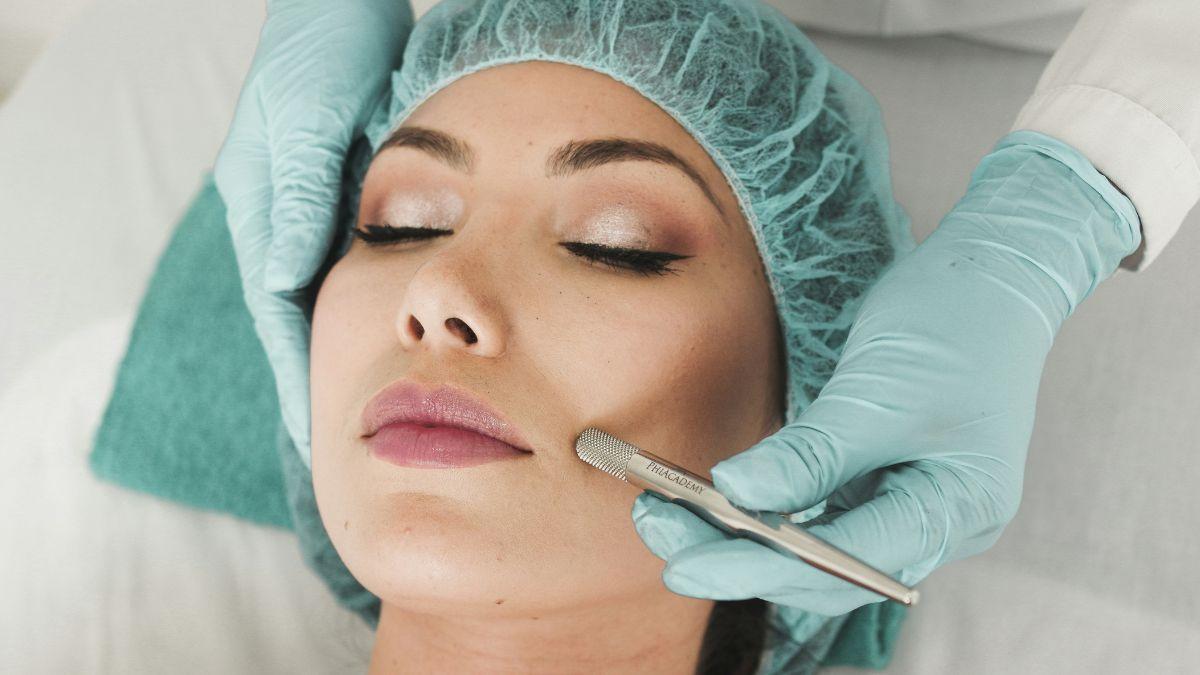
The expert says there are many benefits to getting a chemical peel.
Still, Deveny believes chemical peels "are a must-do for your skin," as she compares it to going to the gym: it will keep you looking beautiful, healthy and strong.
"For anti‑aging purposes, most patients do best with a light chemical peel every four to six weeks, especially if you’re targeting fine lines, dullness, and early photodamage. Medium‑depth peels, which address deeper wrinkles and more significant sun damage, are typically spaced every two to five months so the skin has time to heal and collagen remodeling can occur. Deep peels are usually one‑off or very infrequent (every few years) because they carry more downtime and risk, so they’re reserved for pronounced aging changes rather than routine maintenance. Ultimately, the ideal frequency depends on your peel type, skin type, and sensitivity, so it should be tailored and monitored by your provider," she states.