
 NEWS
Customer Buys Chicken Breast From Aldi and Gets Quickly Disappointed. He Claims Its Unusual Layers Prove It Was 3D-Printed: 'Look at That'

Fraser Morse questioned the unusual layers across an Aldi chicken breast in a TikTok video after taking it out of his air fryer.

Oct. 23 2026, Published 4:49 a.m. ET


An Aldi shopper questioned the appearance of his chicken breast after spotting unusual layers across the meat.
TikToker Fraser Morse (@frasermorse) pointed it out: "Guaranteed 3D-printed, like, look at the layer. It’s layered."
"It's layered...look at that!" he added.

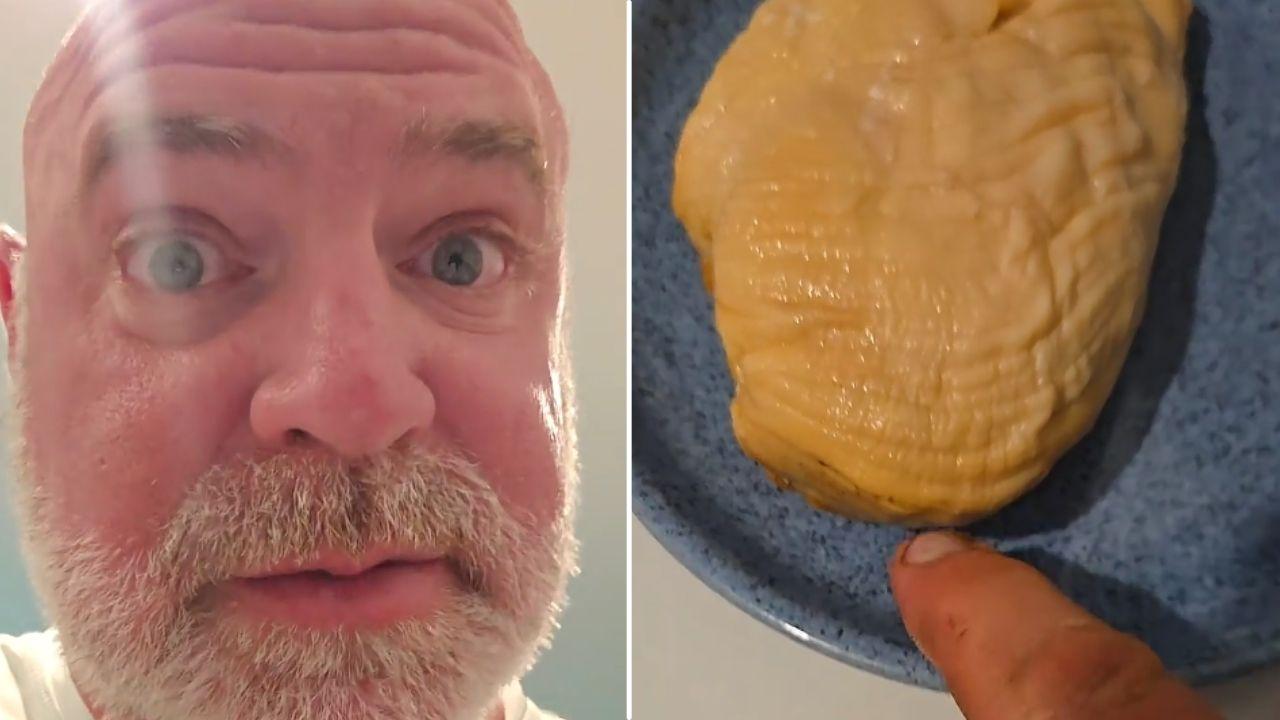
The chicken breast displayed ridges across its surface, prompting Fraser Morse to question how it was made.
Morse, who posts videos, shared the chicken in a TikTok video after taking it out of his air fryer.
The meat appeared orange in places, with ridges running across one side. He was shocked to see its unusual texture.
According to Bro Bible, Morse paid around $11 to $12 for the chicken before throwing it away.
The Aldi Shopper Was Unhappy With The Chicken’s Appearance
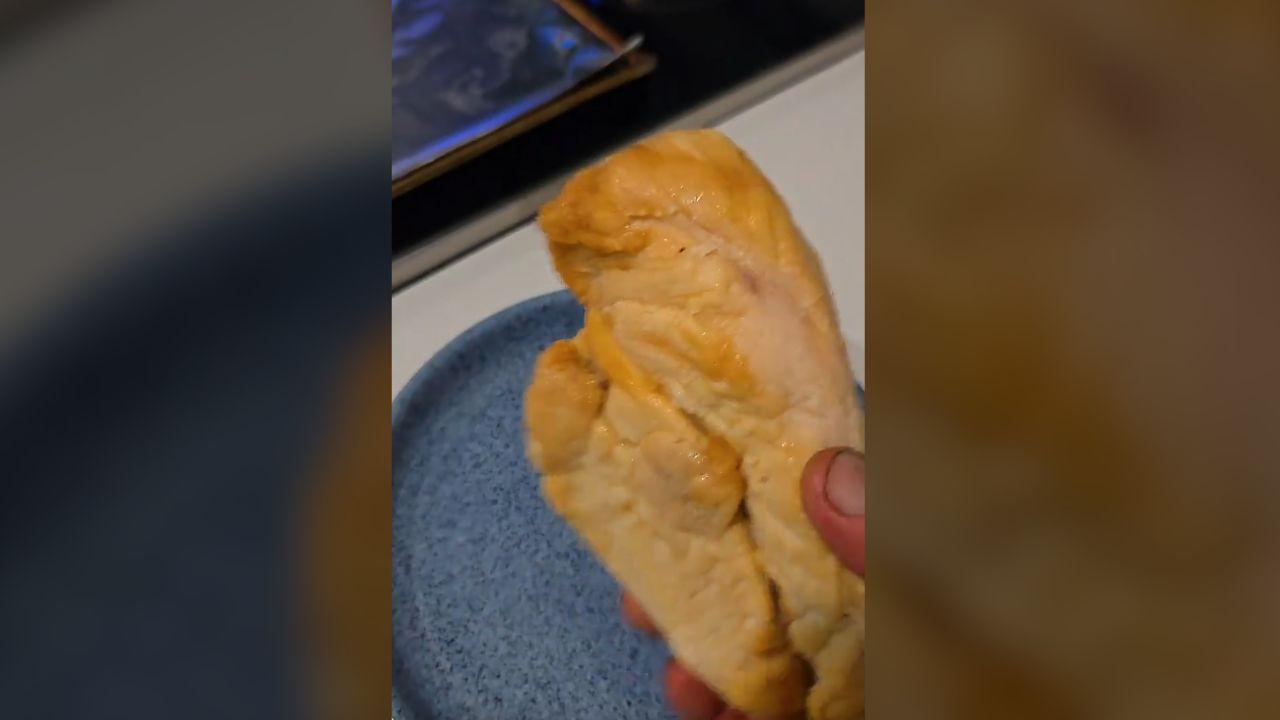
Fraser Morse turned the chicken over to compare its unusual texture with the underside of the meat.
Morse showed viewers the meat in his video, expressing his disgust as he examined its surface.
"Hey, this is disgusting," he initially said before zooming in on the chicken breast.
He also acknowledged that the chicken needed more cooking time.
"Yes, it’s undercooked. We took it out of the air fryer. It’s undercooked. I get it," he said.
However, the ridges remained his main concern. He then turned the chicken over to compare its appearance on both sides.
In an email interview with the outlet, Morse explained that his teenage son started cooking the chicken without seasoning. When Morse checked on it and went to flip it, he noticed the unusual lines.
He said he had never seen a chicken breast look that way before. However, he chose not to complain to Aldi because he did not believe he had enough evidence to prove his theory.
- 'Oh My God': Woman Swears Off Hinge After Date Makes Dinner Uncomfortable From the First Minute, Leaves No Tip and Doesn't Wait for Her Uber
- Boston Woman Meets a Stranger at Home Depot and Agrees to a Bowling Date. Then Seven Men Keep Staring as He Hands Her a Drink
- Shake Shack Customer Chooses 'No Tip' on a $18.46 Order. His Jaw Drops When He Sees the Total: 'Highly Illegal'
Want OK! each day? Sign up here!
Social Media Users React To The Chicken’s Appearance

A TikTok user agreed with Fraser Morse’s suspicion about the chicken’s unusual appearance.
Morse’s video sparked a mix of concern, jokes, and speculation in the comments.
One viewer agreed with his theory and said, "It absolutely looks 3D printed."
Another commenter questioned the meat’s color: "Chicken isn’t yellow."
Some users also raised concerns about food sold at Aldi.
"I thought Aldi said they wouldn’t sell fake meat?" one person asked.
Others responded with dark humor, as one viewer said, "That’s human meat."
Whereas another joked, "I'm officially on a chocolate and caffeine diet."
One commenter suggested avoiding chicken altogether: "Beans for dinner for eternity I guess."
A viewer also questioned whether the meat was genuine poultry.
"That’s definitely not chicken not real chicken," the commenter wrote.
One viewer also expressed frustration about food they had discarded: "I want to be compensated for all the bad food I’ve thrown away."
Food Can Be Made Using 3D Printing Technology
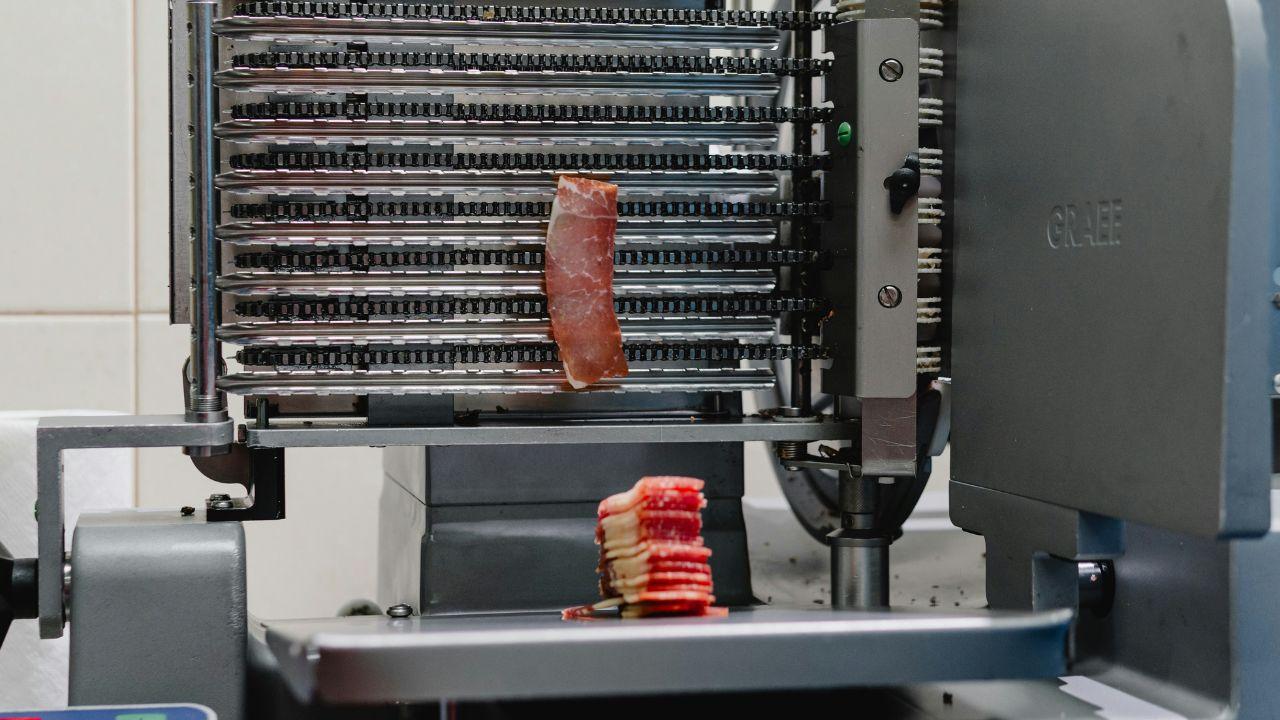
Food researchers have explored 3D printing technology to create layered meat alternatives and control their texture.
Although there is no evidence that Morse's chicken was printed, 3D-printed food is real.
The technology was already being used to make experimental foods, including pizza, in 2013.
Food printers work differently from traditional printers. Some machines push edible ingredients through a nozzle, building shapes layer by layer. Researchers have also explored using the technology to create meat alternatives from plant proteins and mixtures containing animal-derived ingredients.
A 2024 review published in Discover Food examined how extrusion-based 3D printing can shape meat alternatives by depositing ingredients in layers. The technology allows researchers to control texture and structure, although creating realistic meat substitutes remains challenging.