
 NEWS
Do You Need Beverly Hills Prices for a Natural-looking Facelift?

NATURAL-LOOKING FACELIFT RESULTS

Oct. 28 2026, Published 1:22 a.m. ET


Facelift surgery does not need a Beverly Hills postcode to produce natural-looking results. Price can reflect location, overheads and reputation, but it cannot by itself predict surgical judgment, technique, suitability, healing or aftercare. Turkey is an established destination for international aesthetic-surgery patients and can be considered safely only by assessing each surgeon, facility, anaesthesia arrangement and follow-up plan individually. A facelift can improve visible signs of ageing in the face and neck, but it does not stop ageing or change fundamental appearance. For surgery abroad, plan recovery and complication support before travel; NHS guidance advises avoiding flights for 7 to 10 days after facial cosmetic procedures, subject to the operating surgeon’s assessment.
If Money Were the Secret to a Perfect Facelift, Would Celebrities Always Look Effortlessly Youthful?

CELEBRITY DISCUSSION CAN START A CONVERSATION, BUT IT CANNOT DIAGNOSE A PROCEDURE OR ITS OUTCOME.

If money alone secured a natural-looking facelift, the world’s wealthiest faces would offer a simple answer. Instead, public fascination with celebrity appearance reveals something more complicated: access can buy privacy, renowned names and expensive surroundings, but it cannot automatically supply restraint, sound aesthetic judgment or a result that still looks recognisably like the person.
Why a Celebrity Facelift is Not a Medical Case Study
Online discussion can turn a single photograph into a verdict. It cannot establish whether someone has had surgery, which procedure they may have chosen, how recently they were treated, or what lighting, styling, weight change and ageing contribute to an appearance. Susan Dell and other public figures may prompt conversation, but speculation is not a medical record or a useful standard for judging facelift results.
What a Facelift Can — and Cannot — Change
The American Society of Plastic Surgeons describes facelift surgery as addressing visible signs of ageing in the face and neck, including laxity, jowls and loose neck skin. It does not change fundamental appearance or stop ageing. A careful plan considers skin quality, underlying tissues and facial proportions, with the aim of looking more rested while preserving the expressions and features that make a face its own.
A Surgeon’s Perspective
The most convincing result is usually not one that announces itself. It should make sense with the patient’s anatomy, age and the way her face moves.
Why is An Expensive Facelift Not Necessarily a Better Facelift?
A high price can buy a prestigious address, higher operating costs, elaborate surroundings or a well-known name. It may also reflect genuine experience and careful facilities. But none of these, alone, tells you whether a surgeon understands your face, recommends the right operation, or will produce natural-looking facelift results.
What Price can Reflect — and What it Cannot
Facelift surgery is not a standard product with a fixed result. Skin quality, bone structure, tissue descent, previous procedures and healing all affect the plan. A deep plane facelift or SMAS technique may be appropriate in different circumstances, but neither is automatically the better choice. The important question is why a surgeon recommends a particular approach for you.
Celebrity clientele, a fashionable city and a large fee are not evidence that someone is the best facelift surgeon. Ask to see authentic facelift before and after photographs from the surgeon’s own practice, including patients with concerns and facial characteristics relevant to yours. Look for consistency, preserved expression and results that still read as the person.
The Consultation Matters More than the Postcode
A careful consultation should cover the proposed procedure, its limits, alternatives, risks and possible complications, as well as the recovery required. The NHS advises having two consultations with the operating surgeon before cosmetic surgery. That time allows you to understand the plan, consider whether surgery is appropriate, and notice whether clear questions receive clear answers.
Questions Worth Asking
- What facelift experience does the surgeon have, and why is this technique recommended for me?
- Can I see authentic facelift before and after photographs of the surgeon’s own work?
- What are the specific risks, possible complications and recovery arrangements?
- Who provides follow-up care, and what happens if I need help after surgery?
What Makes a Natural-looking Facelift Look Natural?
A natural-looking facelift is not defined by one fashionable technique or by how tightly the skin is lifted. Facial ageing happens at different levels: skin can thin and show sun damage, facial fat can reduce or descend, and deeper tissues can lose support. A considered plan addresses the features that are actually changing, while protecting the expressions and proportions that make a face recognisably yours.
Skin is Only One Layer of Facial Ageing
A facelift is primarily designed to treat laxity and descended soft tissue in the lower face and neck. It does not erase every line, restore lost facial volume or change skin quality on its own. The surgeon considers skin quality, where laxity sits, neck concerns, previous procedures, medical history and how much change is appropriate. Healing also matters: facelift results settle gradually, rather than appearing fully formed at once.
Deep Plane Facelift Versus SMAS: a Choice, Not a Trophy
SMAS and deep plane facelift techniques both work with deeper facial layers, but they do so differently. The appropriate choice depends on individual anatomy, the pattern of tissue descent and the surgical plan, not on which term is currently most discussed online. A 2025 systematic review and meta-analysis found comparable safety profiles, while noting that limited direct comparisons and varied outcome measures do not establish either technique as best for every face.
A Surgical Principle
The aim is not to make a patient look like somebody else or like an earlier photograph. It is to make careful decisions about the tissues that need support, then allow time for the face to heal naturally.
Why are Patients Looking Beyond Beverly Hills to Turkey for Facelift Surgery?
Turkey is an established destination for international aesthetic surgery, not a shortcut around careful decision-making. ISAPS reported that Türkiye was among the countries with the highest proportion of foreign aesthetic-surgery patients in its 2023 global survey. That says something about its international reach, but not which surgeon, operating theatre or recovery plan is right for an individual patient.
An International Destination, Not a Shortcut
Facelift surgery in Turkey is not inherently better than surgery in the US or UK. The useful comparison is between individual surgeons, their relevant experience and qualifications, the standards of the facility where general anaesthesia is given, and the plan if healing is slower or a complication arises after travel. A natural-looking facelift depends on those details, wherever it is performed.
What to Compare When Researching Facelift Cost in Turkey
Facelift cost in Turkey can vary with the scope of surgery, surgeon, facility, anaesthesia, overnight care, travel and aftercare. A lower overall cost may reflect local operating costs; it does not establish either quality or safety.
- The surgeon’s board certification and facelift-specific experience
- Authentic facelift before and after photographs showing patients at meaningful stages of recovery
- Clear information about anaesthesia, operating theatres, overnight care and postoperative reviews
- A realistic plan for recovery abroad, including when it is appropriate to take a long-haul flight
- Written arrangements for continuity of care if swelling, infection, bleeding or another concern develops
How Do I Recognise A Good Facelift Surgeon in Any Country?

FOR SURGERY ABROAD, THE RESEARCH SHOULD EXTEND WELL BEYOND THE QUOTE.
Want OK! each day? Sign up here!
The best facelift surgeon is not identified by a famous postcode or a polished social feed. Whether you are considering Istanbul, London or Los Angeles, start with evidence you can verify: specialist registration, relevant plastic-surgery qualifications, experience with facelift surgery and a clear account of how your care will be managed if recovery does not follow the expected course.
Credentials, Facilities and Genuine Results
What to Verify Before Deciding
- Check the surgeon’s national specialist registration and relevant plastic-surgery qualifications.
- Ask about procedure-specific facelift experience, not only general cosmetic-surgery experience.
- Confirm professional memberships, such as ISAPS or EBOPRAS credentials where applicable, while recognising that membership alone does not determine skill.
- Establish the facility’s applicable accreditation or regulatory status, and whether it has operating theatres, general anaesthesia support and an overnight bed if your procedure requires one.
- Review facelift before and after photographs with comparable lighting, pose, expression and recovery timing. Ask whether images are unretouched.
Natural-looking facelift results are easier to assess in a consistent photographic record than in isolated, heavily styled images. Look for faces that still read as themselves, across different ages and skin types, rather than a single dramatic result. A responsible surgeon should also explain the limits of those photographs: individual anatomy, skin quality, healing and surgical planning mean no previous patient’s result can predict your own.
What Happens After you Leave?
Postoperative planning matters especially when facelift surgery involves travel. The NHS cautions that standards and qualifications abroad can differ, and advises patients to settle insurance, complication arrangements, the location of follow-up and the likely cost of further care before travelling. Ask specifically who will examine you after surgery, who can respond if a wound problem develops, and how your operating surgeon remains involved once you return home.
Plan the Journey Around Recovery
Do not treat recovery abroad as a holiday. The NHS advises rest after surgery and cautions against sightseeing and sun exposure; air travel and major surgery also increase blood-clot risk, and NHS guidance advises waiting 7 to 10 days after facial cosmetic procedures before flying, subject to your surgeon’s individual clearance.
Is the Best Facelift Necessarily the Most Expensive One?
A natural-looking facelift is not bought with a famous postcode. It depends on whether surgery is appropriate for the individual, a plan that respects facial anatomy and identity, careful technique, realistic expectations and support through recovery. Price may reflect location and overheads, but it cannot by itself predict facelift results.
The sensible luxury is informed selection — not the largest bill.
The phrase “best facelift surgeon” is less useful than the questions behind it: is the surgeon appropriately qualified, experienced in facial rejuvenation, candid about limitations and able to show authentic facelift before and after work on patients with comparable concerns? A surgeon should also explain the risks, including bleeding, infection, scarring, nerve injury and the possibility that further treatment may be needed.
Women considering facelift surgery in Turkey may reasonably compare qualified surgeons, facilities with appropriate operating theatres and anaesthesia arrangements, and the plan for follow-up against options at home. Facelift cost in Turkey can be part of that comparison, but should never replace it. International travel adds practical considerations: sufficient recovery time before a long-haul flight, a clear route for urgent advice and a plan for complication management after returning home. Clinics such as Vanity in Istanbul publish their surgeons, facilities and full range of procedures online, which is a sensible place to begin that comparison before any consultation.
A celebrity facelift may prompt the question, but it cannot answer it. Good decisions are quieter: face-specific planning, accountable aftercare and an honest discussion of what surgery can and cannot change. Surgery carries risks in every country; careful research makes it possible to consider Turkey alongside any other destination without treating cost as a shortcut to quality.

THE MOST CONVINCING REJUVENATION PRESERVES THE PERSON, NOT JUST THE SMOOTHNESS.
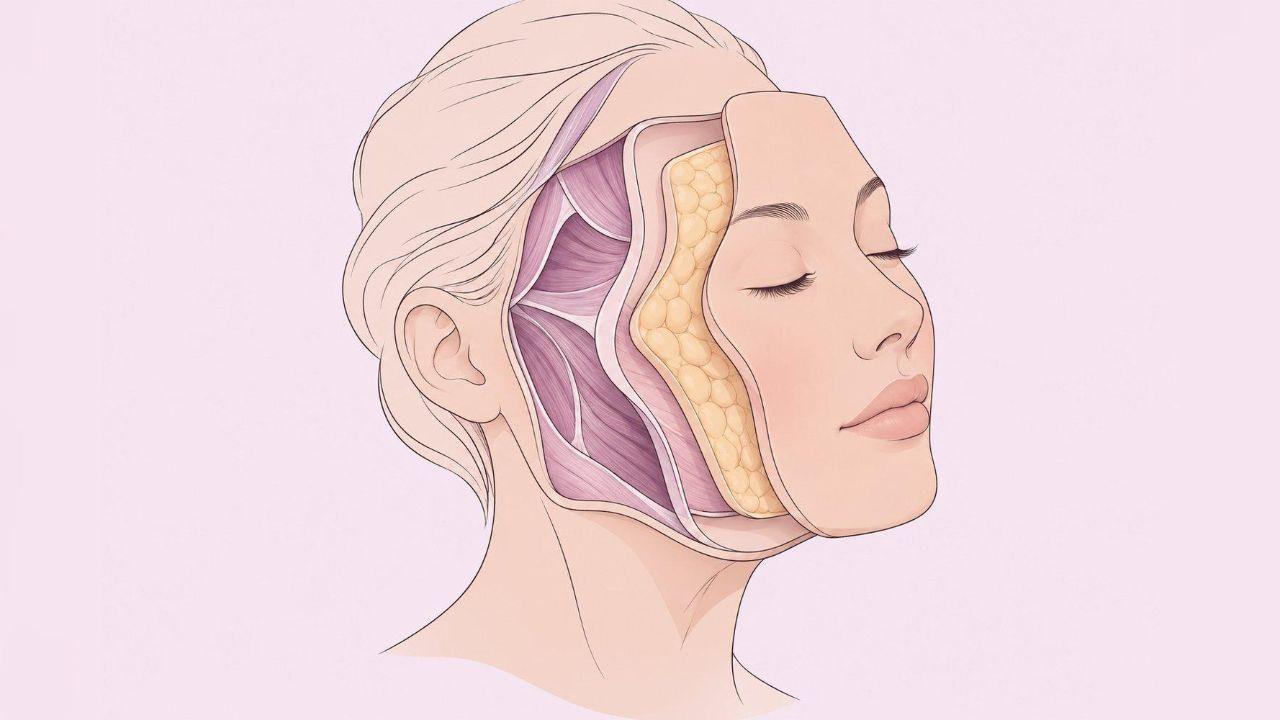
NATURAL RESULTS DEPEND ON HOW AN INDIVIDUAL FACE IS ASSESSED AND TREATED ACROSS ITS LAYERS.
Frequently Asked Questions
Is a more expensive facelift always better? No. Price alone cannot establish surgical skill, whether a plan suits your anatomy, the quality of aftercare or how natural facelift results will look. Compare verifiable qualifications, relevant facelift experience, authentic before and after work, facility standards and complication support.
What is the difference between a deep plane facelift and a SMAS facelift? Both techniques address deeper facial tissues, but they use different surgical approaches. A 2025 systematic review found comparable safety profiles and insufficient direct comparative evidence to establish either technique as universally superior; selection should be individualised.
How do I find a facelift surgeon who is right for me? Look for independently verifiable specialist credentials, substantial facelift experience, a facility with applicable accreditation or regulation, authentic before and after photographs and a surgeon-led consultation. Ask who provides follow-up care and what happens if a complication occurs.
Is facelift surgery in Turkey safe? Safety cannot be judged by country alone. It depends on the individual surgeon, facility, anaesthesia and emergency arrangements, patient selection and continuity of care. Türkiye is a significant destination for international aesthetic-surgery patients, which makes careful individual verification essential.
How long should I stay in Istanbul after a facelift? Stay long enough for immediate postoperative checks and the operating surgeon’s individual fitness-to-fly assessment. NHS guidance recommends avoiding flying for 7 to 10 days after facial cosmetic procedures because air travel and major surgery increase blood-clot risk.
When can I return to work after a facelift? Return-to-work timing depends on the extent of surgery, bruising, swelling, comfort, the nature of your work and individual healing. Final facelift results can take months to emerge, so feeling ready for routine activity is different from seeing the settled result.
Sources
1. Facelift Surgery — American Society of Plastic Surgeons / plasticsurgery.org, 2025
2. Facelift fundamentals: Types, techniques and transformations — American Society of Plastic Surgeons / plasticsurgery.org, 2023
3. Comparing the Safety and Efficacy of Superficial Musculoaponeurotic System and Deep Plane Facelift Techniques: A Systematic Review and Meta-analysis — Annals of Plastic Surgery / PubMed, 2025
4. Global Survey 2023: Full Report and Press Releases — International Society of Aesthetic Plastic Surgery / isaps.org, 2024
5. Cosmetic surgery abroad — NHS / nhs.uk, 2023
6. Choosing who will do your cosmetic procedure — NHS / nhs.uk, 2023
7. How to find a plastic surgeon — American Society of Plastic Surgeons / plasticsurgery.org, 2018