
 Politics
Donald Trump's Death Imagined as Trigger for Violent Civil War in Award-Winning Author's Chilling New Novel

Kurt Andersen's new novel imagines Donald Trump's fictional death triggering nationwide unrest in a dystopian America.

July 27 2026, Published 11:44 a.m. ET


An award-winning author is envisioning a dystopian future where Donald Trump's fictional death becomes the catalyst for nationwide chaos.
Journalist and novelist Kurt Andersen opened up about his forthcoming book, The Breakup, revealing the political thriller imagines the United States spiraling into violence after a fictional version of the president dies while celebrating his 89th birthday.
A Fictional America in Crisis

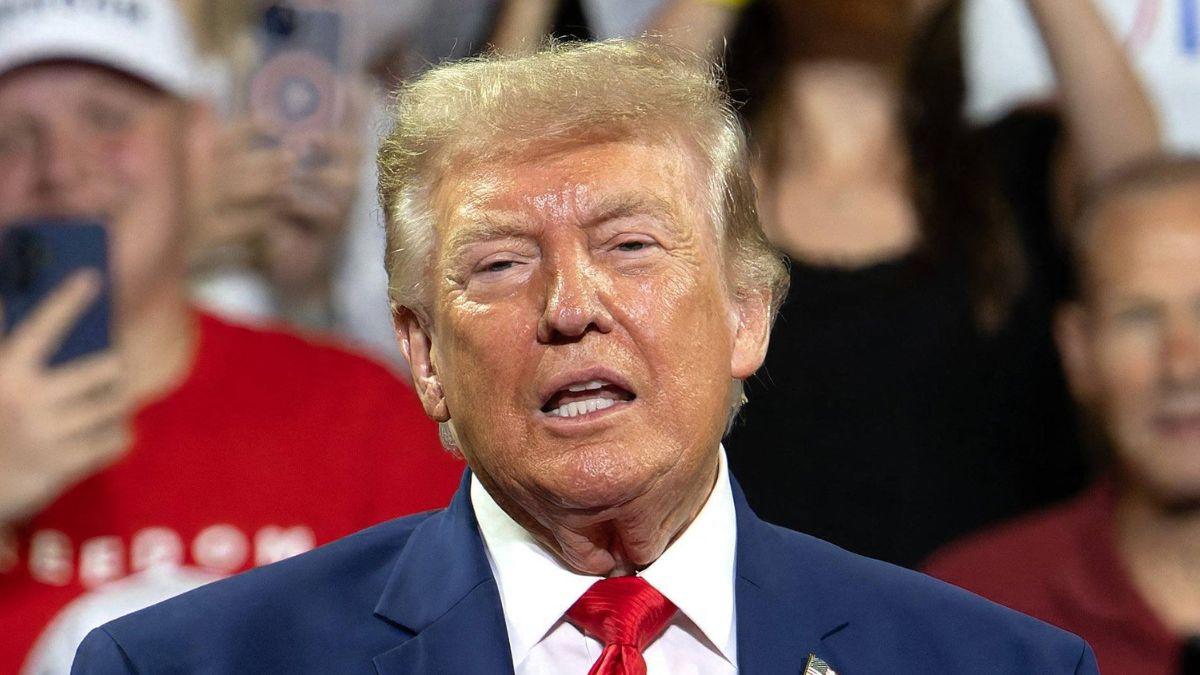
The author said he chose fiction over nonfiction to explore what he believes could be America's darkest future.
Speaking on "The Daily Beast" podcast with host Joanna Coles, Andersen explained he originally considered writing a nonfiction book about America's future before deciding fiction would allow him to explore a darker scenario.
"For a while I was thinking, oh, I should maybe, maybe I should write a nonfiction book about what the future could hold," Andersen said.
Instead, he opted to create what he described as one possible vision of America's future through a novel.
According to Andersen, The Breakup includes a scene set in 2035 in which Trump is celebrating his 89th birthday at Trump Tower.
As the president descends the building's famous golden escalator, he suffers what Andersen described as a "massive brain stroke" and dies.
'Deep State' Conspiracy Sparks Unrest
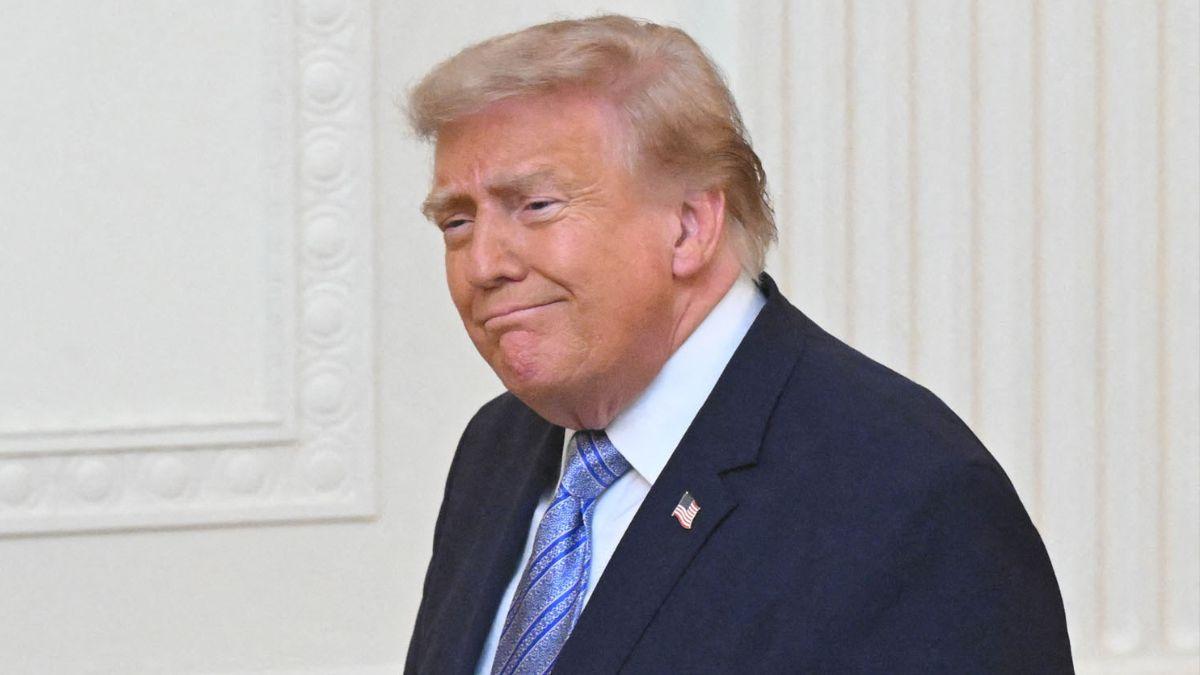
The fictional president's supporters believe he was the victim of a 'deep-state assassination,' igniting violent riots.
The author's imagined storyline doesn't end with the president's death.
Andersen said supporters gathered for Trump's birthday — which also marks the 20th anniversary of his first presidential campaign — quickly conclude he was the victim of a "deep-state assassination."
"It’s the first spectacular piece of violence, spontaneous violence that then results a year later in an uprising, in a, in a true right-wing uprising, terrorist uprising," Andersen said of the fictional events that unfold after the president's death.
The imagined riots in New York City eventually grow into a nationwide crisis, serving as the backdrop for the novel.
- Donald Trump Blasted by Stephen King in Savage President's Day Message: 'Brainless Bag of Guts and Waters'
- Donald Trump Furious Over 'Defamatory' Statements In Controversial Post-Presidency Books, 'Anxious' What Quotes Will Resurface, Spills Advisors
- Donald Trump Will Not 'Be Able to Recover' From Recent Controversies, Journalist Predicts: His Approval Ratings 'Are Sinking Fast'
Want OK! each day? Sign up here!
Donald Trump's Second Term Inspired a Darker Story

The novelist revealed he made the book 'more horrible and nightmarish' after Donald Trump's second term began.
Andersen revealed he had already begun writing The Breakup before Trump won a second presidential term.
"I was basically done when he took off," Andersen explained. "Almost done when he took office."
However, the author admitted recent political events led him to "darken" the novel.
"[It] certainly required me to go through and darken the backstory... more horrible and nightmarish than I had had them in the earlier draft," he said.
A Long History With Donald Trump
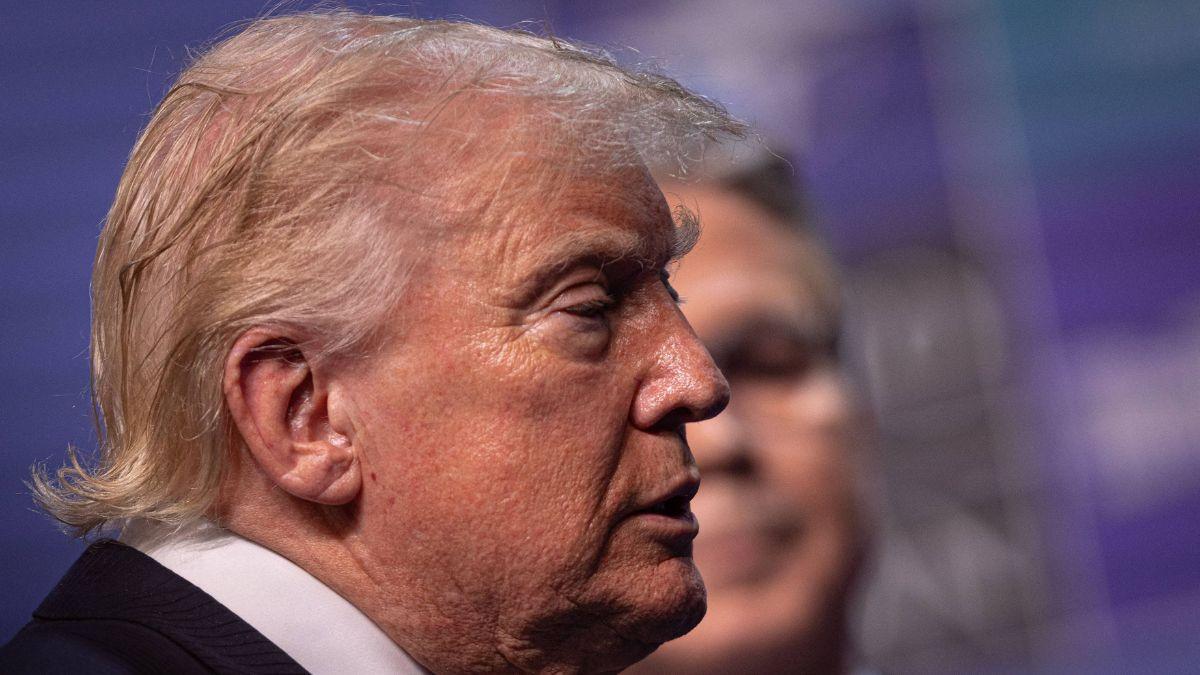
Kurt Andersen and 'Spy' magazine co-founder Graydon Carter famously mocked Donald Trump decades before he entered politics.
Andersen's connection to Trump dates back decades.
After co-founding Spy magazine with Graydon Carter in 1986, the pair frequently lampooned the then-New York real estate developer, whom Andersen said they viewed as a symbol of the excess and "vulgarity of New York in the '80s."
Today, Andersen sees Trump representing something far more consequential.
His novel, which is scheduled to be released on August 18, centers on what Coles described as the "breakup of America," while also following the unraveling of a Gen Z/millennial couple's 23-year relationship.
Reflecting on the evolution of his manuscript, Andersen concluded: "This time, the horror show of this term, the nightmare beyond what I expected. In the last year and a half, in the last three years since I began writing this book, it has become much less far-fetched than it seemed when I began."