
 NEWS
NEWSDr. Harrison Lee and the Reality of Revision Surgery


June 17 2026, Published 9:12 a.m. ET


Working on a public face means focusing on what’s already there.
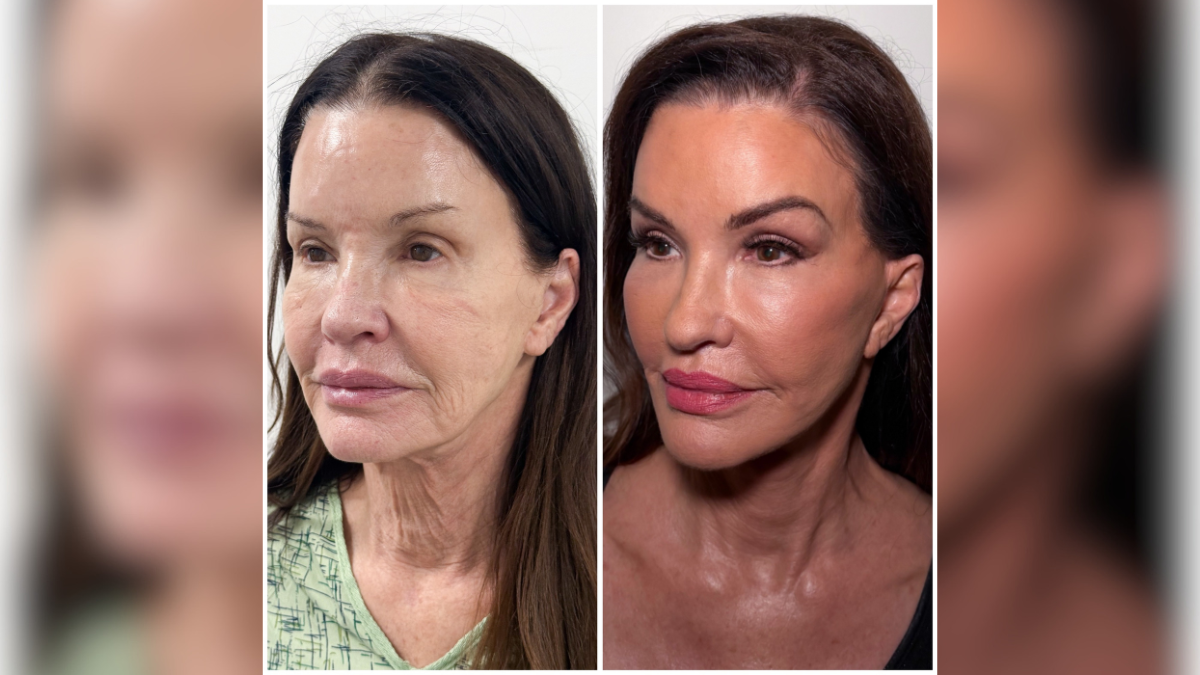
Working on a face that many people recognize comes with a different set of expectations. When Janice Dickinson turned to Dr. Harrison Lee, her surgical history was part of the case from the start. People recognize Dickinson’s face, attach meaning to it, and notice the marks left behind from earlier choices. In cosmetic surgery, that history stays present in the tissue, structure, and sometimes in the complications left behind.

A Career Built in Public View
Dickinson built her career in full view of everyone. By the 1970s and 1980s, she was already showing up across major magazines and working with photographers who shaped that era. Over time, her presence expanded into television, including her role on America’s Next Top Model.
She has also been direct about her life. In No Lifeguard on Duty, she describes her experiences without much filtering. That openness carries into how she talks about cosmetic work, too. It’s something she included in how she presents herself publicly. That makes her later work with Dr. Lee feel consistent.
Where Revision Work Becomes Different
By the time Dickinson sought treatment, she had already undergone multiple facelifts. The result was visible scarring, especially around the ears. That detail changes everything about how a procedure is approached.
This is where revision history separates from standard cosmetic work. The surgeon isn’t starting fresh. The scar tissue is already there, and the structure has been changed before. Past decisions don’t disappear, so they narrow what can actually be done. Any adjustment tends to be careful, sometimes minimal, without rushing.
Dr. Lee acknowledged that difficulty. The scarring presented a challenge that couldn’t be fully erased, only improved where possible. That type of work requires a different mindset that revolves around correction within boundaries.
Want OK! each day? Sign up here!
Pressure That Extends Beyond the Operating Room
Working on a public figure adds another layer. For Dickinson, her face is tied to decades of recognition. Any change becomes visible beyond a private setting.
Dr. Lee has noted that operating on celebrities carries a different kind of stress. The outcome exists in public, where even small issues can be noticed and discussed. That changes how decisions are made during surgery. It also introduces a level of caution that goes beyond technique. Precision is important, but so is restraint. Knowing what not to change can carry as much importance as what’s adjusted.
Structure Over Surface
Dr. Lee’s approach is often described in structural terms. Rather than focusing only on visible changes, he works with the underlying framework of the face. That perspective becomes more important in revision cases, where surface changes alone aren’t always enough.
Every change has to work with what’s already in place. Balance matters. So does proportion, and even small shifts in tension can affect the result. What ends up working usually comes down to how those pieces settle together.
Results like this don’t usually stand out right away. They read more as a correction than a reinvention. The focus stays on bringing the existing structure into better alignment, and doctors like Dr. Lee work in that space.
A Case That Reflects the Process
Dickinson’s procedure shows how these elements come together. Her history, visibility, and the technical challenges all intersect in one case. For Dr. Lee, that type of situation is part of a larger pattern. A lot of his patients come in with prior work done. No two cases line up the same way, so the approach usually comes from what’s in front of him without resorting to an ideal version on paper.
He ends up relying on judgment just as much as technical ability. Working within limits becomes part of the process, especially when improvement depends on what can realistically be changed. By that point, it becomes about handling what’s there. Expectations, structure, and the reality of a face that’s already been seen for years all come into play.