
 HEALTH
'Irritable' Drew Barrymore Admits She 'Feels Unattractive' Amid Menopause Struggles: 'I'm So Hormonal'

Drew Barrymore opened up about perimenopause on her daytime show.

March 30 2026, Published 2:01 p.m. ET


Drew Barrymore isn’t sugarcoating menopause, and that honesty is striking a nerve.
“I can’t even start today without being honest because I can’t fake anything,” Barrymore said on a recent episode of The Drew Barrymore Show. “I am so bloated that I feel like some carp that got brought up to the beach and I’m just that dead fish.”

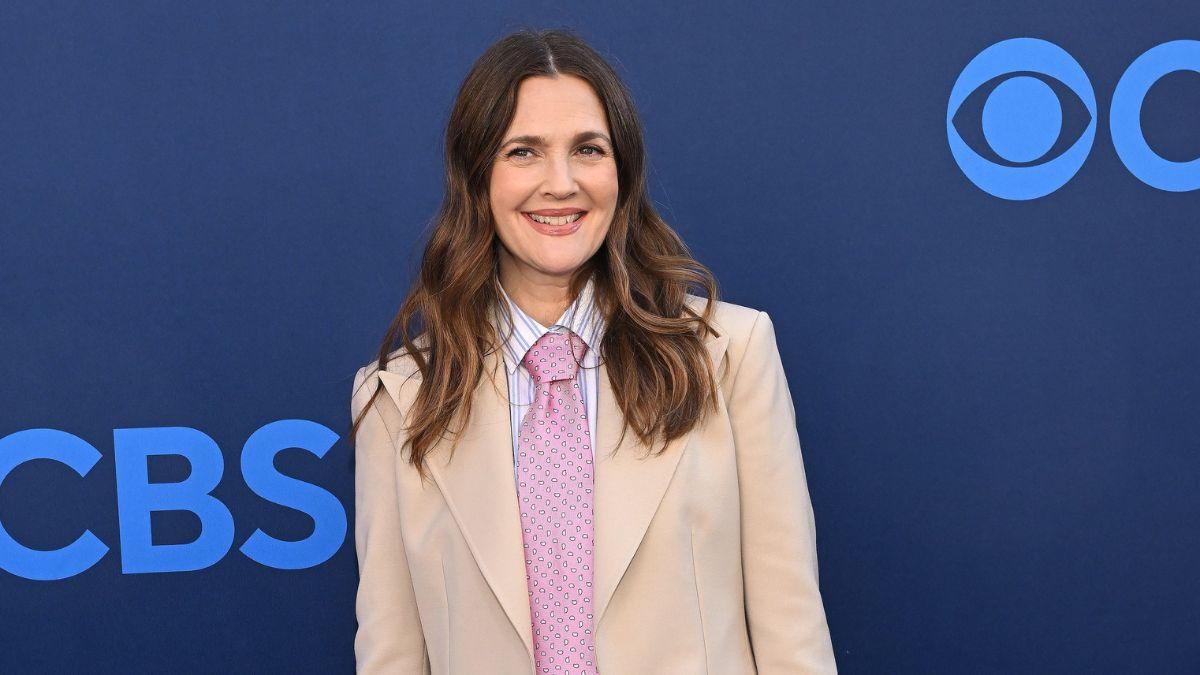
She said her menopause timeline reset after getting her period again.
Her candor continued as she explained she was just on the verge of officially reaching menopause when she got her period again.
"I was about to hit my one-year mark for my period and get right into menopause where I belong… I got it. I’m at 11 months. So I go back down to zero," she confessed. "I feel unattractive and I’m so hormonal and nothing makes sense and I’m irritable and I’m bloated and I am emotionally unstable."
Why Perimenopause Feels So Unpredictable
Experts described her symptoms as common signs of perimenopause.
According to experts, Barrymore’s experience is not only common, it’s textbook perimenopause.
“That unpredictability is both physically and emotionally exhausting, and it makes women feel like they’re losing control,” said licensed naturopathic physician Michelle Sands, ND, who served as a featured expert and associate producer on Alyssa Milano's recent perimenopause docuseries, BALANCE.
Perimenopause, the transitional phase before menopause, can last years.
“Perimenopause is a time of hormonal changes that could result in physical and emotional symptoms,” explained Dr. Susan Marie Pacana, a minimally invasive gynecologic surgeon and OB/Gyn at Hackensack Meridian Jersey Shore University Medical Center.
"’Normal’ symptoms can include mood changes, hot flashes/night sweats, issues with sleep, changes in your period, changes in s-- drive, lack of motivation, hair loss, skin changes,” Pacana added.
Want OK! each day? Sign up here!
The Emotional Toll Behind the Symptoms
Doctors explained how hormone shifts affect mental health.
What often goes overlooked is how deeply hormonal shifts affect mental health.
“When Drew Barrymore said she feels like a bloated dead fish, she wasn’t exaggerating—she was describing hormonal chaos in real time,” Sands shared. “These hormonal shifts affect serotonin and dopamine, leading to mood swings, anxiety, irritability, and low motivation. Confidence takes a hit when your body feels unfamiliar.”
Barrymore’s raw description of feeling “emotionally unstable” and unlike herself reflects a reality many women experience but rarely discuss so openly on a public platform.
Treatment, Testing and Taking Back Control

Doctors said testing and treatment help women manage symptoms of perimenopause.
Despite how overwhelming symptoms can feel, experts stress that perimenopause is manageable with the right care.
“Current care for perimenopausal women should focus on addressing these symptoms, checking blood work that could include hormone levels, but also thyroid testing, checking vitamin D, iron, and cholesterol levels, and screening for diabetes,” Pacana noted.
“This isn’t something women just have to endure,” Sands concluded. “With the right support, we can stabilize hormones, reduce inflammation, and help women feel like themselves again.”