
 NEWS
NEWSFake Mia Goth Account Shares AI Image of Actress Wearing 'My Ex Is My Biggest Fan' Shirt After Shia LaBeouf Divorce, Fueling Authenticity Concerns

Mia Goth challenged Instagram after a verified fan account shared a fabricated AI image.

Oct. 18 2026, Published 11:36 a.m. ET


Mia Goth does not use social media, but a counterfeit Instagram post appeared to put words on her shirt and a statement in her mouth.
An AI-altered image showed Goth wearing a shirt reading “MY EX IS MY BIGGEST FAN” days after she filed for divorce from Shia LaBeouf. It appeared on “miagoth_,” a fan account with 1 million followers and a blue verification badge, and was treated as authentic by news outlets.
A Verified Account Spreads a Fabrication
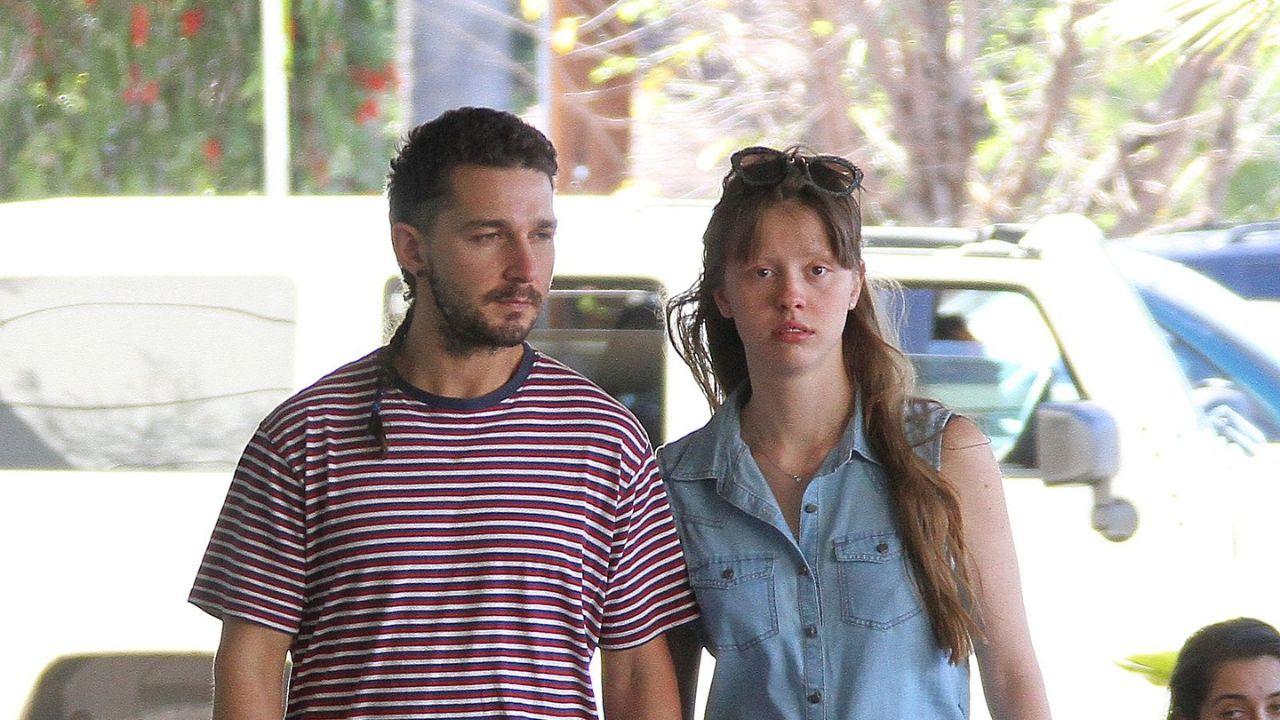
Mia Goth became the subject of a fabricated AI-generated Instagram image days after filing for divorce from Shia LaBeouf.
Goth’s spokesperson, Christine Tripicchio, said in a statement to The Verge that her team had filed complaints with Instagram over the account’s “counterfeit, AI images.”
“The fact that this fan account meets Instagram’s criteria to qualify for a ‘blue check’ is disconcerting on a fundamental level,” Tripicchio said. “Beyond that, it is incomprehensible that Instagram evidently prioritizes the dissemination of forged and manipulated images over the protection and integrity of a public figure’s likeness.”
Meta said it removed the account for impersonating a public figure.
Why a Blue Checkmark Can Mislead
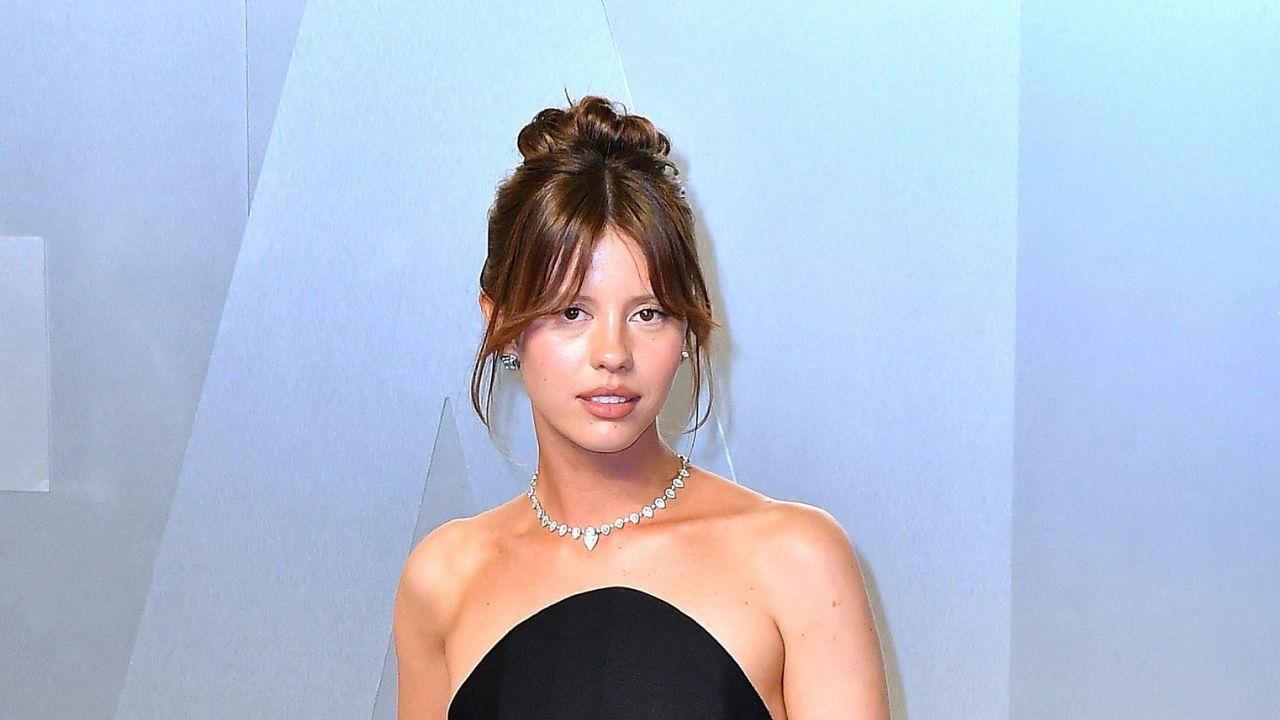
Meta removed the Instagram account for impersonating a public figure.
“A convincing fake borrows familiar visual cues: a celebrity’s photograph, the layout of a social media post and language that sounds personal,” said Ravi Sawhney, founder and CEO of RKS Design and AI business strategy platform Eydora.
“A verification badge can add another layer of perceived credibility,” he said of the blue checkmark.
- Romania's First OnlyFans Model Speaks Out Against Online Bullying And Cyber Blackmail After Hijacked Instagram Account
- MAGA Men Duped by AI Foot Fetish Model Posing as a Trump-Loving U.S. Solider
- Sandra Bullock Is 'Deeply Concerned' for Her 'Family's Safety' as Scammers Create Fake Accounts for 'Financial Gain'
Want OK! each day? Sign up here!
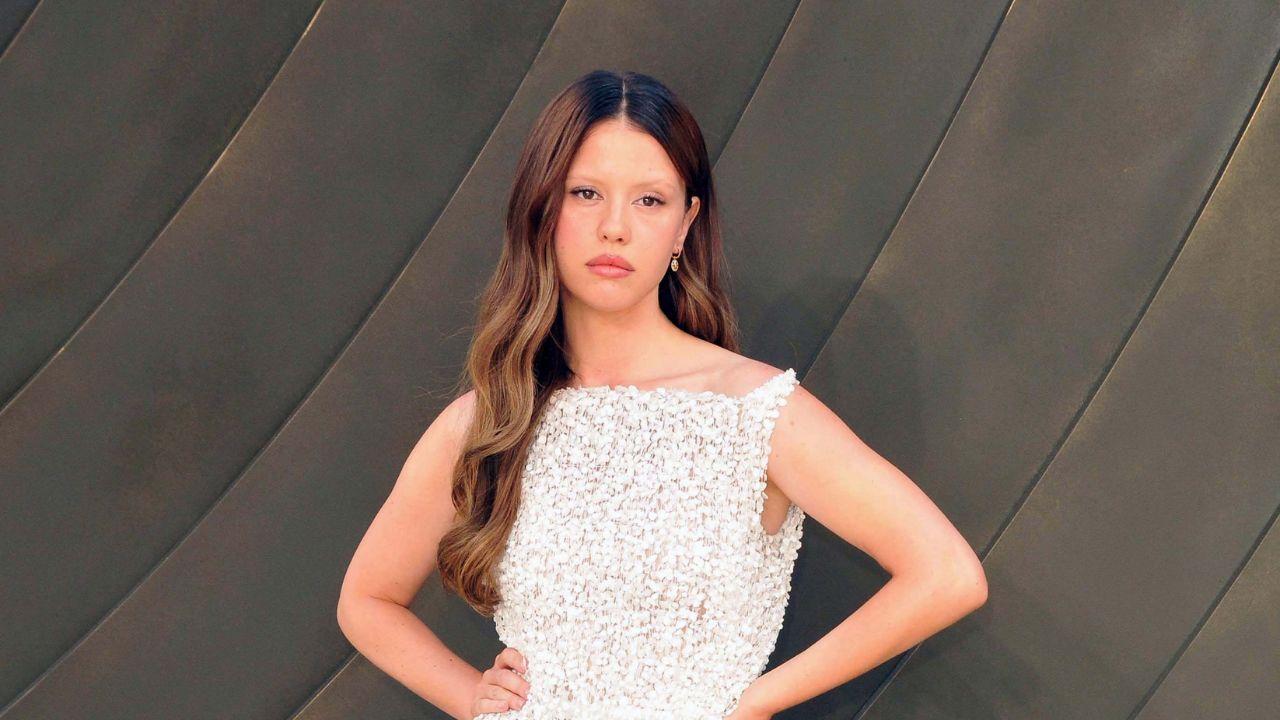
The image appeared on the Instagram account 'miagoth_,' which had approximately one million followers and a blue verification badge.
Qualaix founder and CEO Marva Bailer pointed out that account verification and content authenticity are “two entirely different things.”
“A blue checkmark provides no assurance that a celebrity created, approved, or even knows about the content being shared,” she said. But speaking out about a fake comes with its own set of problems.
“When a celebrity denies a fake, that response can give the original post another round of attention,” Bailer explained. “Silence carries risks, too. A fabricated statement can circulate, be repeated by other accounts, and become accepted as fact before anyone corrects it.”
Platforms Need More Than One Label
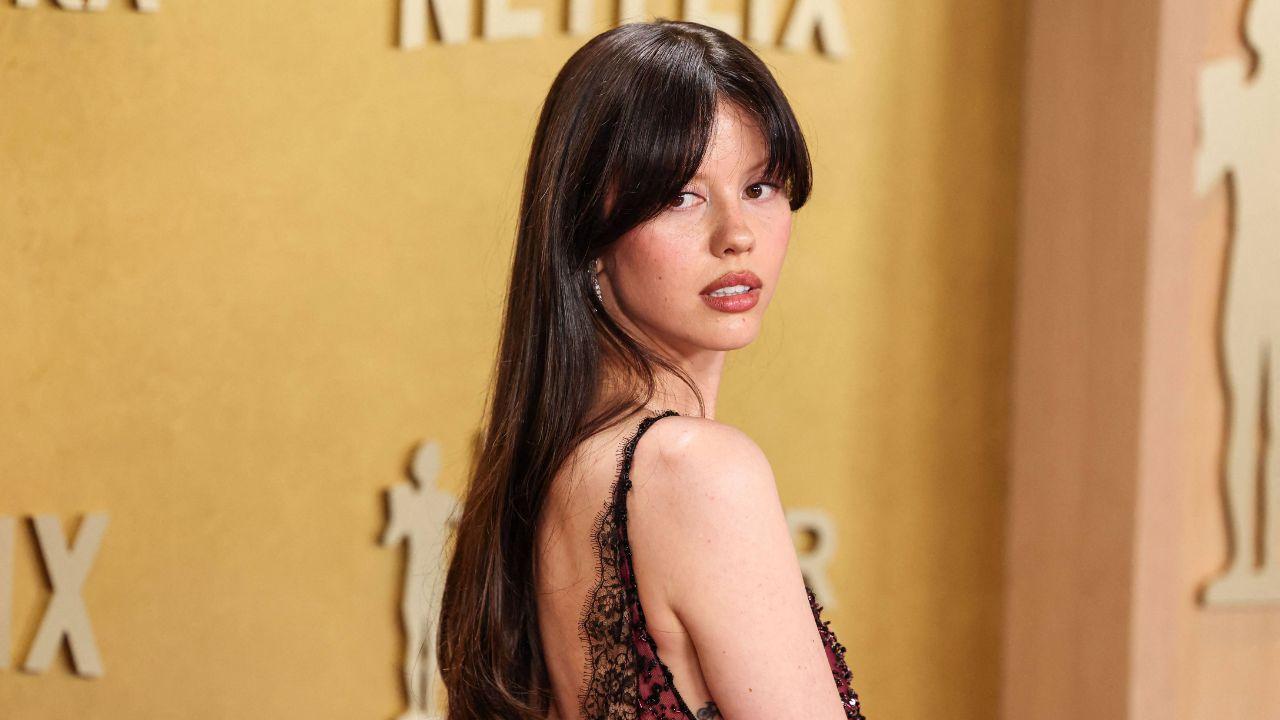
Marva Bailer said platforms, publishers, and audiences shared responsibility for preventing AI-generated fabrications from being mistaken for genuine celebrity statements.
“Platforms need to make three separate questions clear: Who operates this account? Is it affiliated with the person it references? What evidence supports the authenticity of this particular post?” Sawhney suggested. “A single badge cannot communicate all three.”
Fan-account and AI-content labels should remain prominent when posts are shared, he added.
“People should not have to investigate an account’s profile to understand whether they are reading a celebrity’s statement or a fan’s fabrication,” Sawhney said.
Bailer said celebrities should not be “forced to respond to fictional” statements or images.“
As AI-generated images and videos become increasingly realistic, responsibility for authenticity cannot fall entirely on the people being impersonated,” she noted. “Platforms, publishers, and audiences each have a role in preventing fabricated content from acquiring the credibility of a genuine personal statement.”