
 NEWS
FBI Whistleblower Warned DOJ That Releasing Epstein Records Would 'Destroy People’s Lives' — Documents Reveal

An FBI whistleblower raised concerns about the release of files on Jeffrey Epstein in March 2025.
Oct. 21 2026, Published 6:46 a.m. ET


In March 2025, an FBI employee raised concerns about the DOJ's rush to release documents related to Jeffrey Epstein, warning that the accelerated process could “lead to mistakes that could destroy people’s lives.”
The employee also stated in the recently disclosed whistleblower complaint, “DOJ leadership is pushing for the release of records that, if released in their current format, would violate multiple statutes.”
The Whistleblower Raised Alarms About Victims’ Privacy

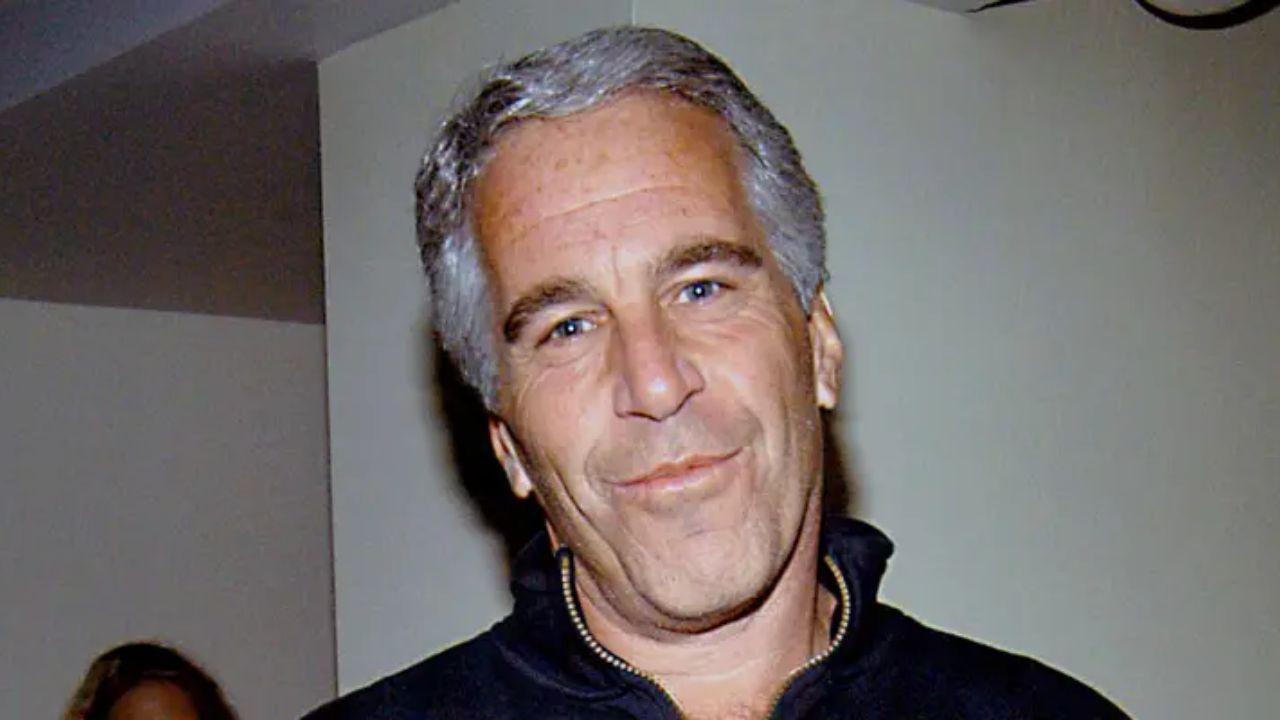
Employees were told to redact victims’ names only if they appeared on a 'designated victim list,' the complaint says.
The employee was among hundreds of FBI staffers who worked day and night to sort through more than 100,000 pages of evidence from investigations into Epstein. As reported in the complaint, employees were directed by leaders within both the FBI and U.S. Justice Department to redact the names of victims only if those victims’ names appeared on a “designated victim list,” which the employee believed was “highly alarming.”
The employee also expressed concern that people trying to locate victims could use the unredacted portions of the documents to identify them. “I am concerned that people who are determined to find the victims will be able to piece together the information that we were instructed to not redact [and it] will lead to harassment or worse for the victims,” the employee wrote in an email to a supervisor four days before filing the complaint, according to a report. The watchdog group American Oversight redacted the employee’s identity in FBI records obtained through a Freedom of Information Act lawsuit.
Staff Were Allegedly Told to Flag Records Mentioning the President
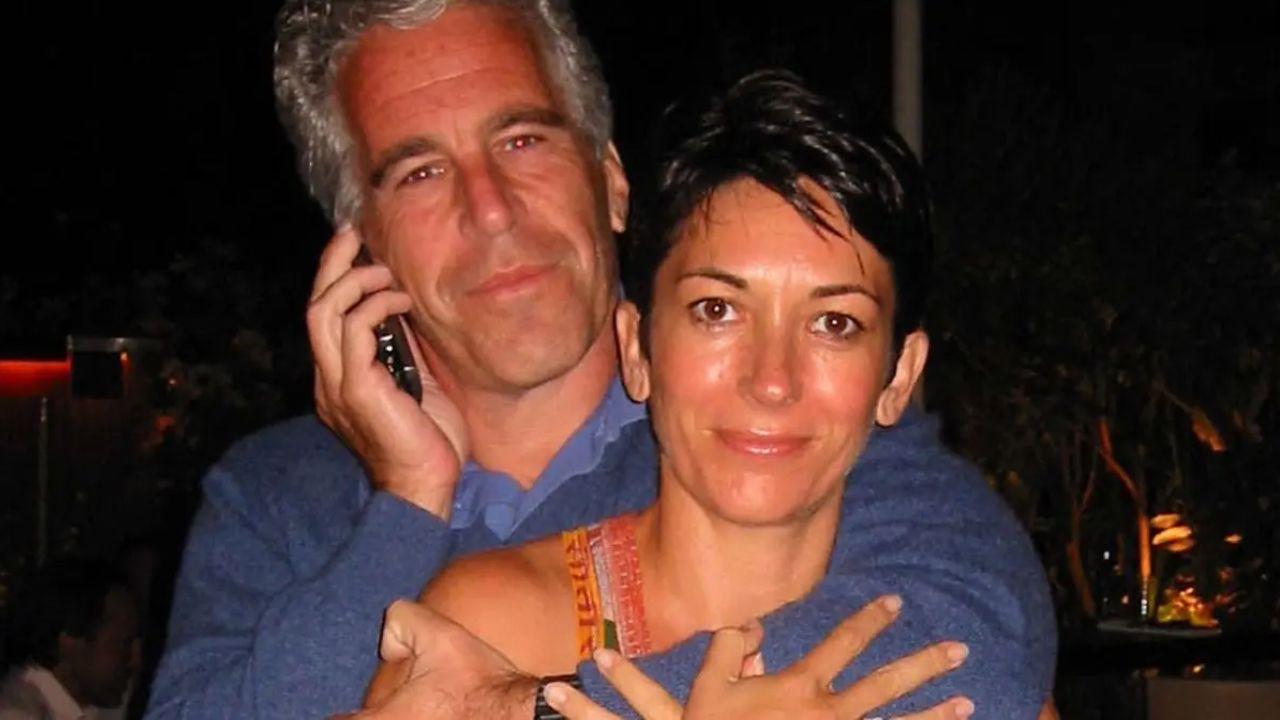
The whistleblower said FBI staff worked around the clock on the project, sometimes for well beyond 12 hours.
The whistleblower also said employees were told to identify documents mentioning the current president. Employees questioned a lawyer from the FBI’s New York Field Office regarding the legality of the redactions, and the whistleblower said the lawyer replied with responses including “probably,” “we think” and “maybe.” The FBI’s New York Field Office didn’t answer questions about whether the consultation had taken place.
The complaint stated that the division had been on a mandatory 24-hour schedule for over a week “for seemingly political reasons,” and the whistleblower noted that some employees were required to work “well beyond 12 hours.” “Staff is at physical and emotional breaking points, with many suffering health problems from lack of sleep and undue stress,” the whistleblower wrote.
- Epstein Documents Stay Under Wraps: Will Donald Trump's Administration Ever Fully Comply?
- Judge Orders DOJ to Release More Epstein Files in Fight Over Trump Accuser Records
- Todd Blanche Stares 'Down the Barrel' as Jeffrey Epstein-Case Judge Urged to 'Start Threatening Jail' If DOJ Doesn't Release Files
Want OK! each day? Sign up here!
FBI Officials Closed the Complaint a Day Later
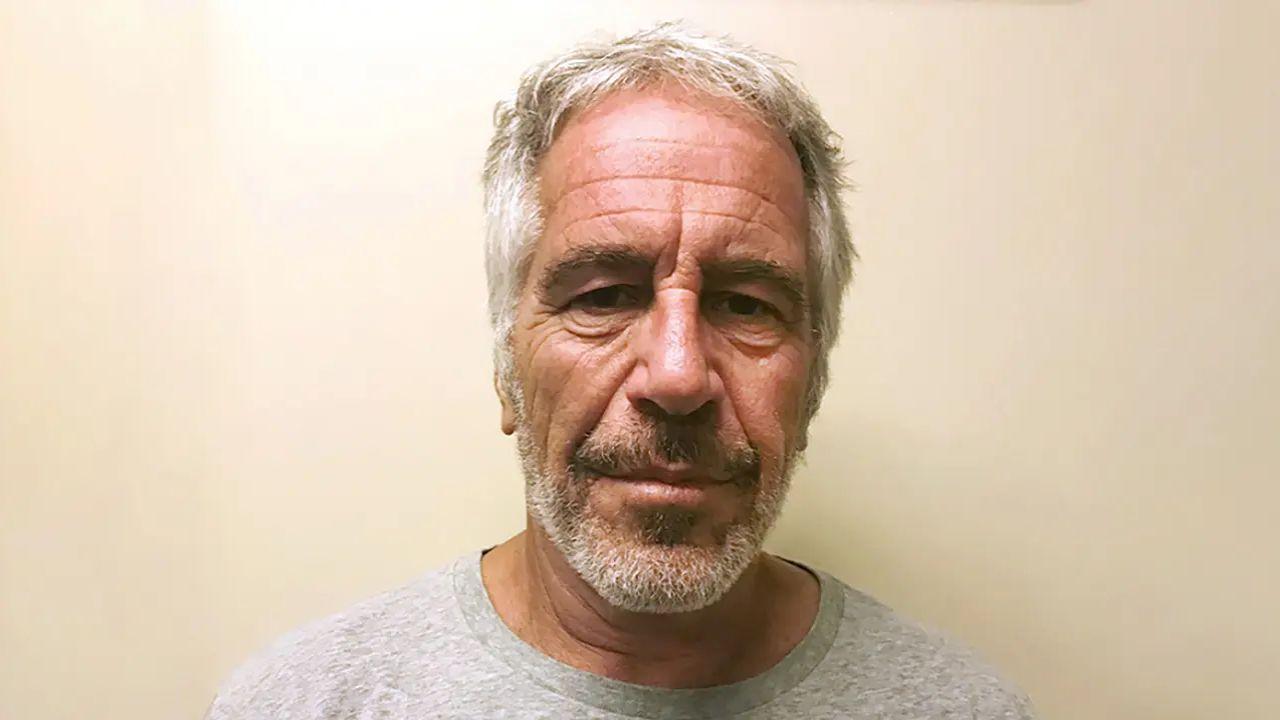
Todd Blanche oversaw the initial review as deputy attorney general.
The FBI's Office of Integrity and Compliance closed the matter the day after the complaint was filed and told the whistleblower to take the concerns to the U.S. Department of Justice’s Office of the Inspector General (OIG). The OIG was also copied on the complaint, along with the Senate Judiciary Committee, led by Sen. Chuck Grassley.
An OIG spokesperson said the agency doesn’t confirm or deny whether it is investigating. However, the OIG has an audit underway concerning the Department of Justice’s compliance with the Epstein Files Transparency Act, including its redactions. A spokesperson for Sen. Dick Durbin, the top Democrat on the Senate Judiciary Committee, said the complaint “is almost 100 percent identical” to information Durbin received from an FBI whistleblower in 2025.
Survivors Say They Were Exposed in Later Releases

Survivor Dani Bensky said outing survivors 'causes real and irrevocable harm.'
A preliminary review conducted under then-Deputy Attorney General Todd Blanche concluded in a July 2025 memo from the FBI and Justice Department that “no further disclosure would be appropriate or warranted.” After the Epstein Files Transparency Act passed, the Justice Department released over 3.5 million pages to the public by early 2026, and a federal lawsuit filed on behalf of Epstein survivors alleges that the Justice Department exposed about 100 of them.
Survivor Dani Bensky confronted Blanche about the disclosures during his July Senate confirmation hearing for attorney general. “Outing survivors causes real and irrevocable harm,” she testified. “While coping with our emotional distress and psychological trauma, we also have lost our privacy and confidentiality, suffered reputational harm, lost jobs, and now fear for our personal safety.”