
 ENTERTAINMENT
Hollywood’s Nostalgia Obsession: Why Reboots, Reunions and Revivals Keep Winning

From 'Hannah Montana' to superhero reunions, studios are doubling down on familiar stories as audiences chase emotional connection over originality.

March 21 2026, Published 10:00 a.m. ET


Hollywood isn’t just revisiting the past, it’s building its future on it. From Miley Cyrus stepping back into her Hannah Montana wig to legacy sequels from Arnold Schwarzenegger and Sylvester Stallone, nostalgia has become one of the industry’s most powerful creative and commercial forces.
The strategy isn’t subtle, and it isn’t slowing down. But according to experts, it’s also not accidental.
Why Familiarity Feels So Good

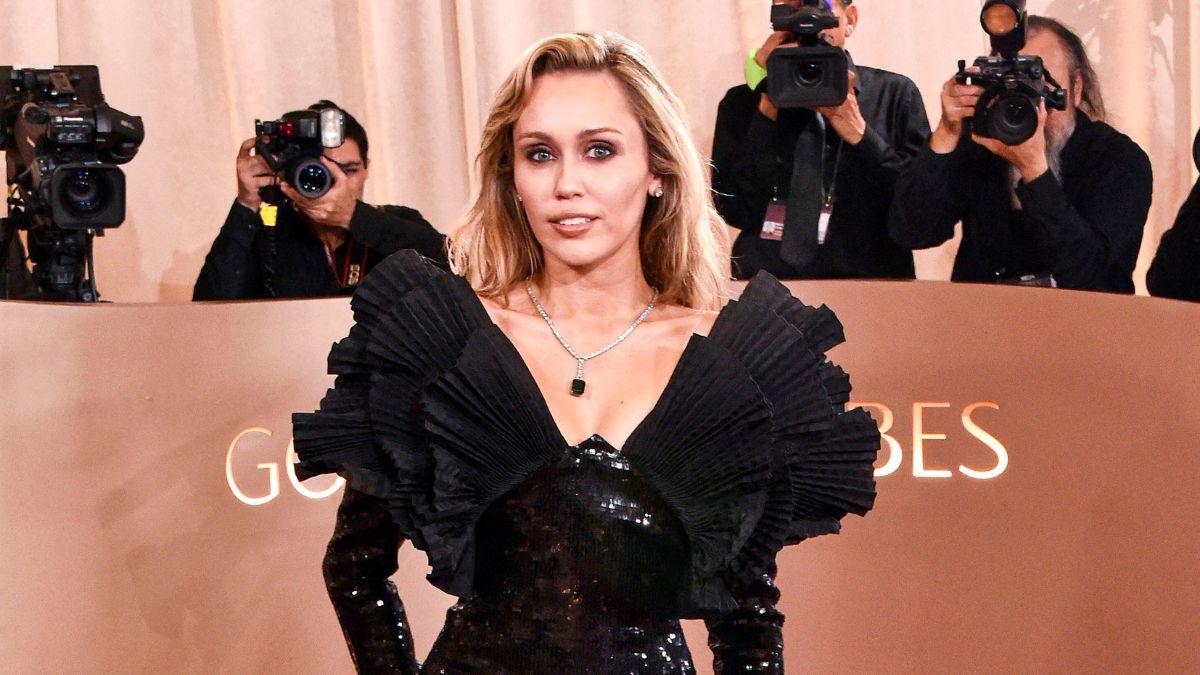
Studios expanded sequels and reunions across major franchises.
“Seeing movies or shows from a lighter, more innocent time brings you back to that moment in your own life,” says Alix Abbamonte, co-host of the "Nostalgia Nerds" podcast. “Where you were lighter and more innocent — who doesn’t miss that?”
That emotional pull is what keeps audiences coming back. “People love what is familiar, it gives them comfort and takes them back. That’s why reboots and sequels are so successful. Familiarity sells,” she says.
That dynamic is already playing out with Disney+’s upcoming Hannah Montana 20th anniversary special. Featuring recreated sets, archival footage, and Cyrus returning to her iconic role for the first time in 15 years, the teaser alone has sparked a surge in online engagement — proof that nostalgia still delivers instant audience connection.
The Psychology Behind the Trend
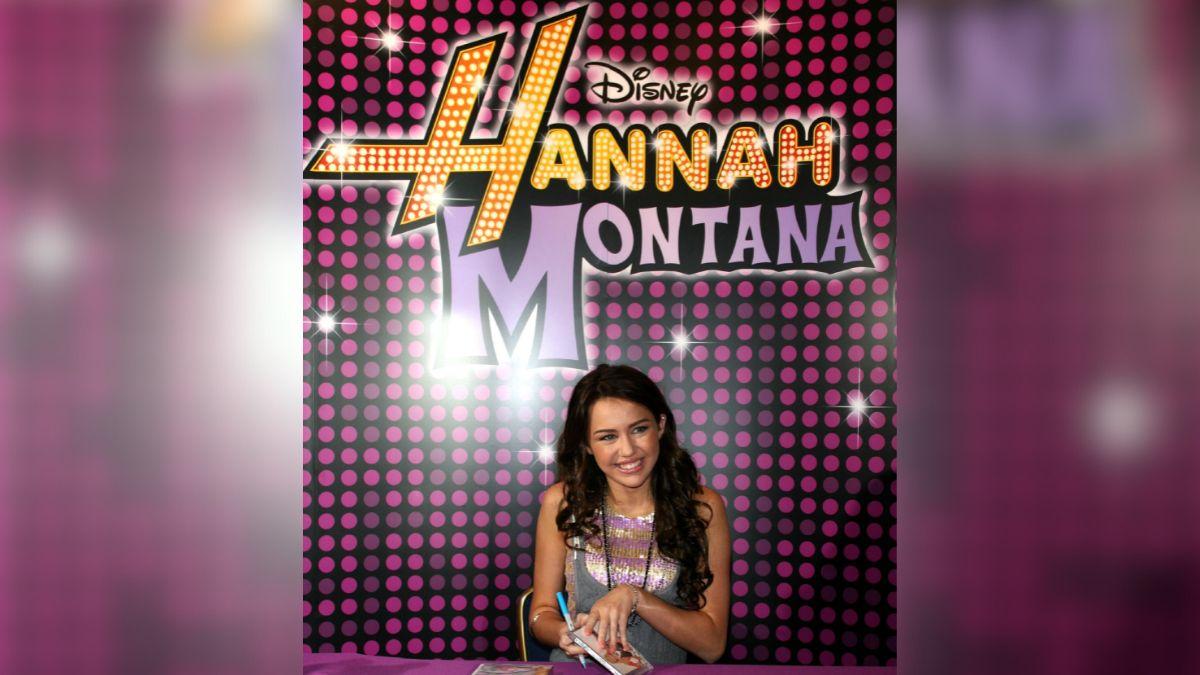
Experts linked familiar stories to emotional comfort.
“People don’t choose familiarity because they lack imagination. They choose it because it carries meaning,” says Ravi Sawhney, Founder and CEO of RKS Design and Creator of Psycho-Aesthetics.
“When something is familiar, it’s already been processed. It’s connected to memory, to identity, to a past emotional experience. That creates a level of trust before a decision is even made,” he explains.
That trust translates into action. Even as audiences say they want original content, their viewing habits often tell a different story. “The intention is novelty, but the behavior is guided by what feels understood,” Sawhney says.
Want OK! each day? Sign up here!
The Business of Looking Back
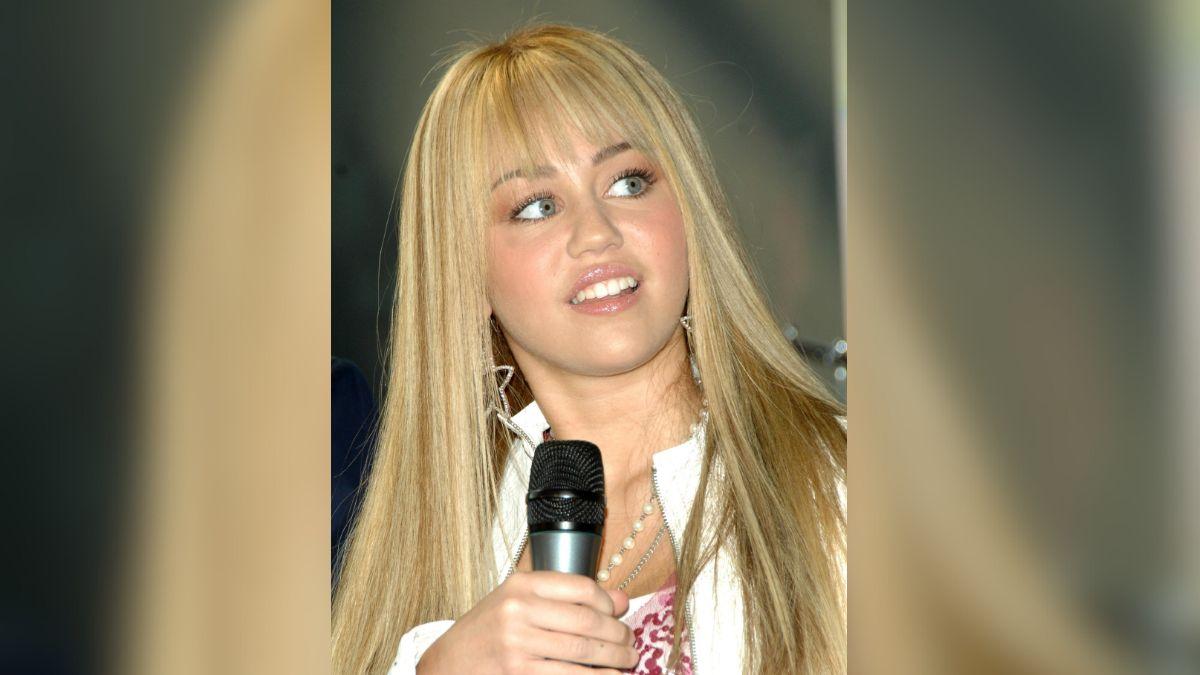
Executives leaned on proven brands for lower risk.
The economics of nostalgia are hard to ignore. Familiar intellectual property comes with built-in audiences, making projects less risky and more likely to succeed.
“Familiar IP works because it already holds a place in someone’s internal framework. It reduces the effort required to engage,” Sawhney says. “Studios are not just relying on instinct. They are reading patterns of recognition and response. Familiarity becomes a signal. It helps them gauge the likelihood of connection, not just attention.”
It’s also why legacy franchises are being revived across generations, from superhero reunions at the Oscars to new installments of Predator, Conan and Rambo. These projects don’t just target longtime fans; they introduce familiar stories to new audiences.
When Nostalgia Stops Working
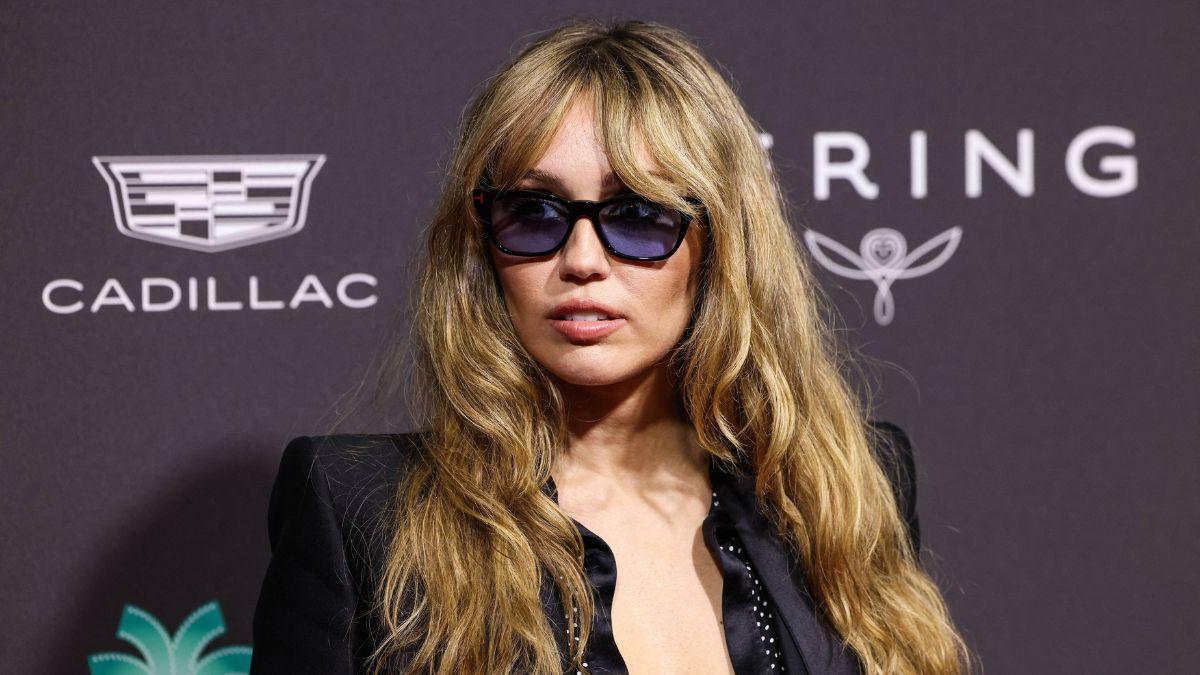
Analysts warned nostalgia could lose impact without meaning.
“Familiarity has limits. When the meaning behind it is lost, it becomes repetition. People disengage not because something is familiar, but because it no longer feels relevant,” Sawhney says.
Hollywood faces a challenge as the nostalgia boom accelerates. Audiences may show up for what they recognize, but they won’t stay if it feels hollow.
Sawhney says that understanding what people connect to, and why, requires human judgement.
“AI can identify patterns, but it cannot interpret meaning. It doesn’t understand why something resonates or when that resonance begins to fade,” he says. “The future will belong to those who can balance data with perception, and familiarity with insight.”