
 Politics
How Donald Trump's Attacks Against Late-Night TV Fuel a Comedy-Driven News Cycle

Donald Trump escalated his feud with late-night hosts after calling them ‘late night morons.’

April 3 2026, Published 6:33 a.m. ET


President Donald Trump’s long-running feud with late-night television has entered a new phase, where the insults aren’t just sparking laughs, but actively shaping the next day’s headlines.
The president’s latest attack on what he called “late-night morons” quickly ricocheted across the talk-show circuit, with Jimmy Kimmel firing back almost immediately and turning the jab into fresh material. It’s a familiar pattern, but one that’s becoming increasingly central to how political messaging spreads.
The Joke–Response Cycle

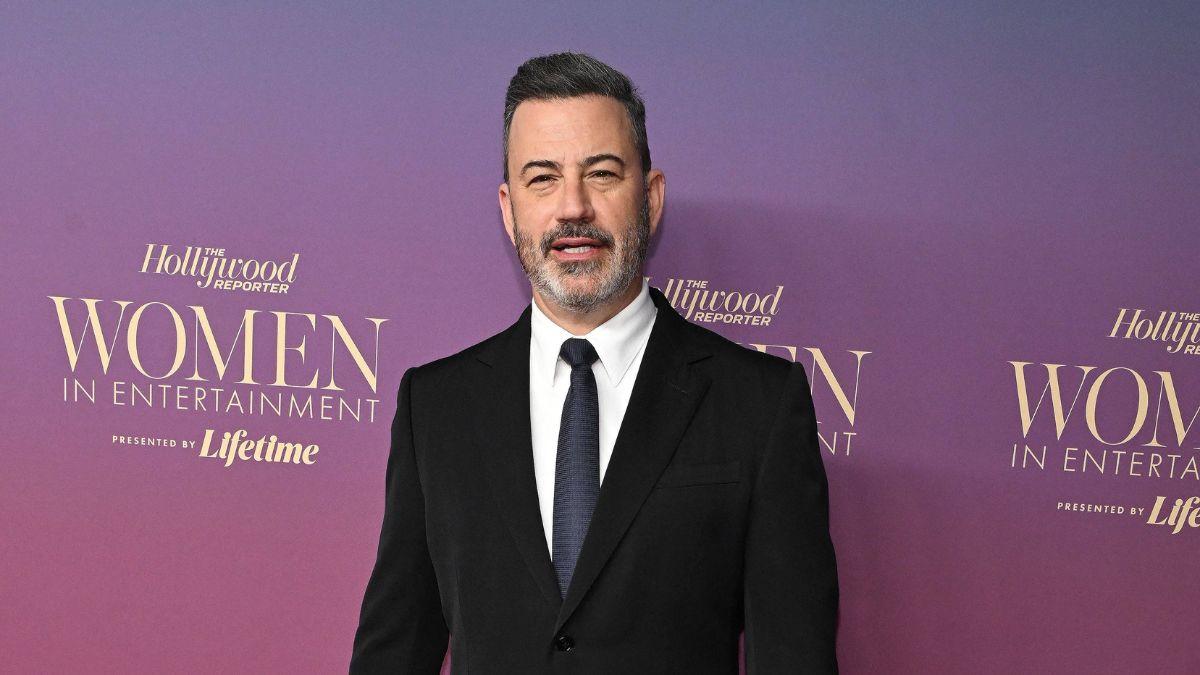
Jimmy Kimmel answered the criticism with a sharp on-air response.
The clashes often begin with Trump lashing out on Truth Social, in some cases grouping late-night comedians into a broader criticism of media outlets.
“They get Billions of Dollars of FREE American Airwaves, and use it to perpetuate LIES… including the Late Night Morons,” Trump wrote in March.
“You know what? You’re welcome,” Kimmel responded. “I don’t know if you were thanking me, but you are welcome. On behalf of all my fellow late-night morons, you are welcome.”
Why These Feuds Keep Happening
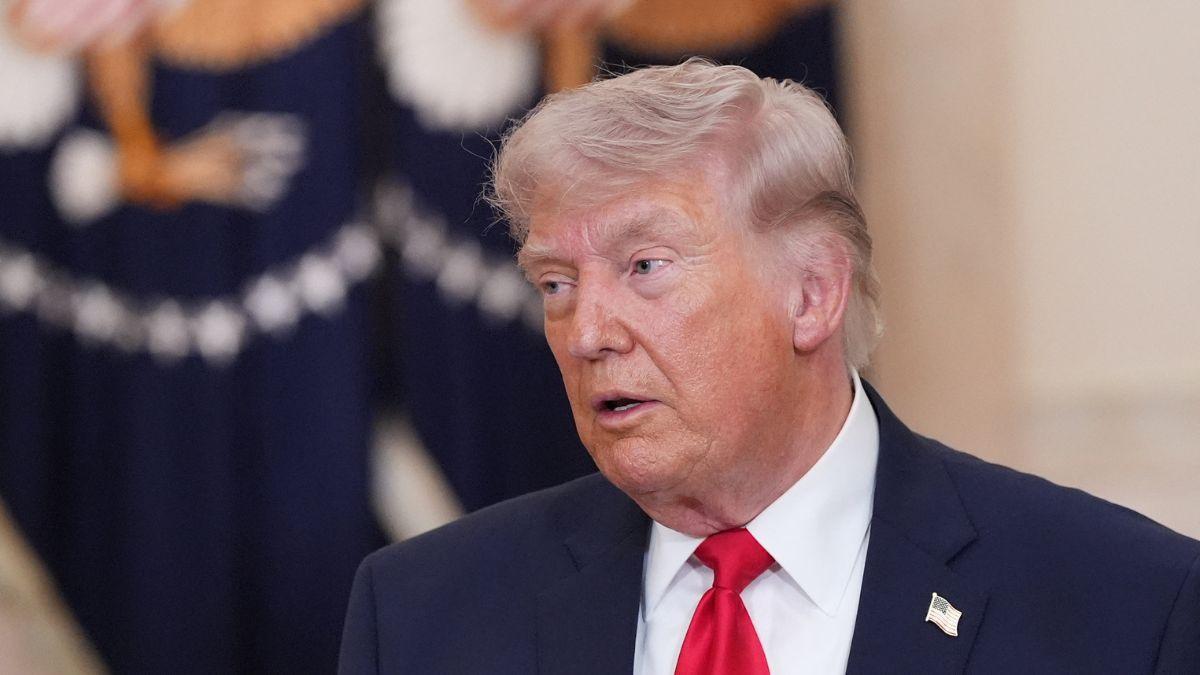
A media analyst said the clashes helped extend the president's media reach.
According to media and cultural analyst Kaivan Shroff, the dynamic is intentional.
“For Trump, these fights are a feature, not a bug — as we’ve seen for years now,” Shroff explained. “Going after late-night hosts guarantees another media cycle that spans politics and entertainment, keeping him at the center of the conversation without needing a substantive news hook.”
That strategy works on multiple levels.
“The approach energizes his base because it reinforces a familiar grievance against what they see as a biased ‘liberal media’, but it also amplifies the comedians and their critiques,” Shroff added. “In some sense, by responding to comedians as the president of the United States, he legitimizes these late night figures’ critiques and they wind up reaching a broader audience.”
- Donald Trump's 'Late-Night Morons' Attack Becomes Jimmy Kimmel's Latest Punchline
- Jimmy Kimmel Bashes 'Shameful' Donald Trump for Wearing Baseball Cap During Tribute to Fallen Troops: 'God Forbid He Just Do It Respectfully'
- Why Donald Trump's Feud Against Late-Night Keeps Going Viral: Inside His Clash With Stephen Colbert
Want OK! each day? Sign up here!
Late Night as a Political Amplifier
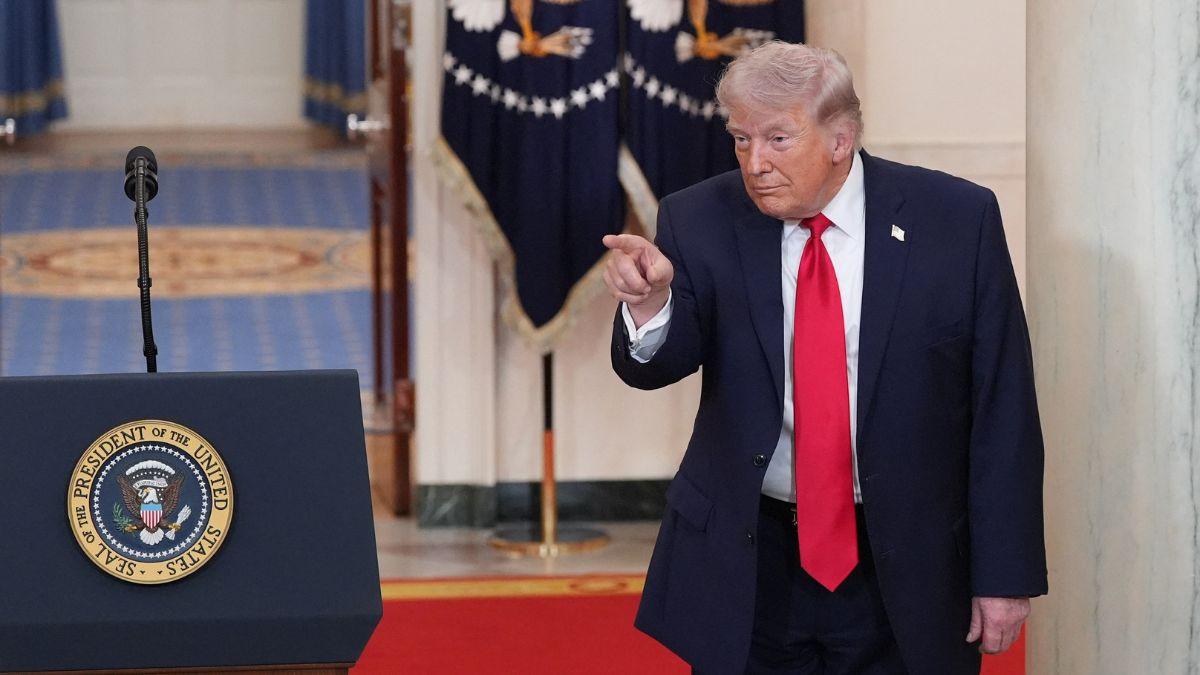
Late-night punchlines quickly spread in digital news coverage.
The result is a feedback loop where comedy no longer stays confined to late-night television.
“The net effect is that the punchlines don’t stay in late night, they bleed into mainstream coverage,” Shroff said. “In some sense, by responding to comedians as the president of the United States, he legitimizes these late night figures’ critiques and they wind up reaching a broader audience.”
That shift is evident in how quickly segments from shows like Jimmy Kimmel Live! and The Late Show circulate online, often becoming part of the broader political conversation by morning.
A Changing Late-Night Landscape
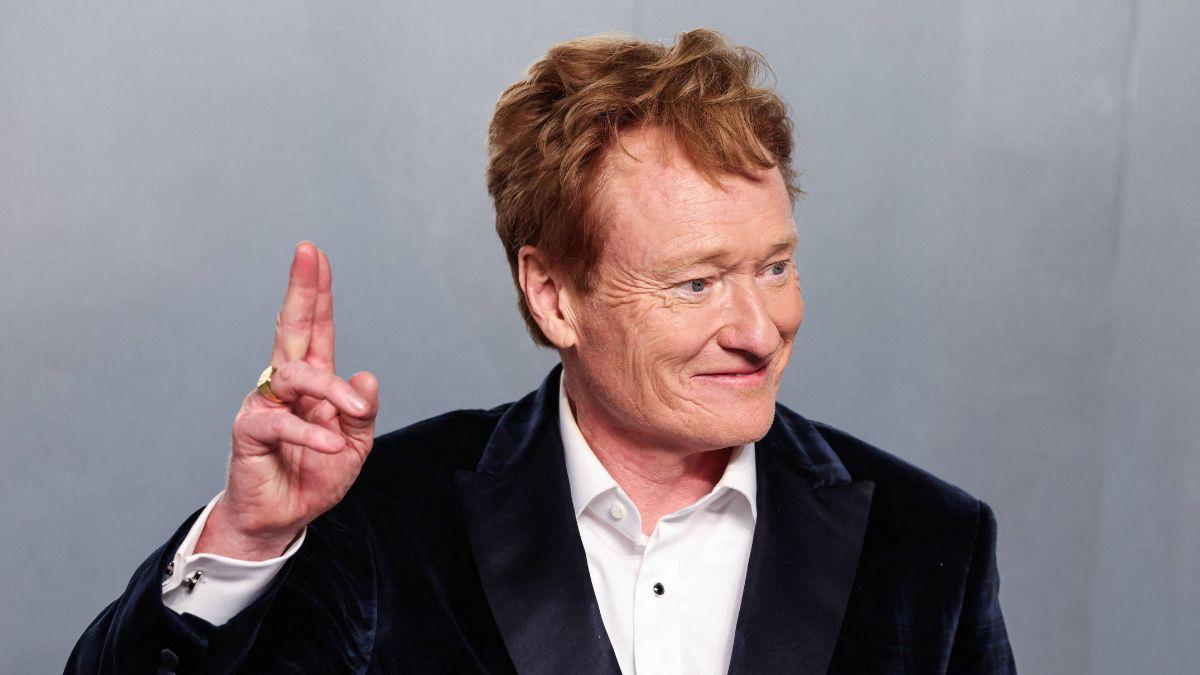
Conan O'Brien warned late-night television faces growing industry pressure.
The stakes are rising as the late-night industry itself faces uncertainty.
Conan O’Brien recently warned in an interview with The Hollywood Reporter that late-night shows are already under pressure from changing media economics and shifting audience habits. He also criticized what he described as “malign forces” influencing the space, particularly as media companies navigate relationships with Trump-aligned figures.
At the same time, hosts like Stephen Colbert and Kimmel have leaned further into political commentary, making them both targets and participants in the ongoing cycle.