
 NEWS
NEWSHow to Grow Weed: A Guide to Growing Cannabis Indoors


April 10 2026, Published 2:38 a.m. ET


Growing weed indoors gives you complete control over the environment, allowing your cannabis plants to thrive regardless of the weather outside. Whether you are new to growing cannabis indoors or looking to refine your technique, getting the fundamentals right makes all the difference. With the right setup, you can manage light, temperature, and humidity to ensure steady growth and potent harvests.
Indoor cultivation transforms the growing process into a precise and rewarding year-round activity. In this article, we cover everything you need to know about how to grow weed, including what to expect from different strains, seed varieties, and each stage of the grow cycle from seed to harvest.
How to Grow Weed
When growing weed indoors, several environmental factors work together to determine how healthy and productive your plants will be. Here’s how each element influences growth and yield:
- Light: The most important energy source for photosynthesis. Too little light stunts growth, while too much can cause light stress, leading to bleached or curled leaves.
- Air: Plants need fresh air circulation to exchange carbon dioxide and oxygen. Stale or still air can promote mold and pest problems.
- Growing Medium: Soil, coco coir, or hydroponic substrate provides root support and holds nutrients and water. Each medium type affects how roots breathe and absorb nutrients.
- Temperature: Cannabis thrives in moderate warmth, usually between 68–82°F (20-28°C). Extreme heat slows growth, while cold can shock the roots and reduce yield.
- Water: Proper watering keeps plants hydrated and nutrient transport steady. Overwatering suffocates roots, while underwatering causes wilting and slowed development.
- Nutrients: Balanced feeding ensures strong stems and rich buds. Too many nutrients cause “nutrient burn,” while too few lead to pale, weak plants.
- Humidity: Avoid high humidity during flowering, since it encourages mold and bud rot. Lower humidity levels help produce dense, high-quality flowers.

What You Need to Start Growing Weed Indoors
Before you begin, it helps to have the right equipment in place. Here is a basic setup checklist for a first indoor grow:
- Grow tent (2x2 ft or 4x4 ft depending on plant count)
- LED grow light sized to your tent (a common rule of thumb is 30-50 watts per square foot)
- Inline fan and carbon filter for ventilation and odor control
- Fabric pots (3-5 gallon for most strains)
- Growing medium: soil, coco coir, or hydroponic system
- Nutrients: nitrogen-heavy for veg, phosphorus and potassium-heavy for flowering
- pH meter and pH adjustment solution
- Hygrometer to monitor temperature and humidity
- Timer for your lights
- Quality cannabis seeds from a reputable seed bank
A basic indoor setup typically costs between $200 and $800 depending on equipment quality. After the initial investment, ongoing costs like electricity and nutrients are relatively low.
Is Growing Weed Legal?
In the United States, cannabis laws have changed quickly over the past few years. Most states now allow medical use, and many also permit recreational cultivation. However, it’s still illegal under federal law, and the number of plants you’re allowed to grow depends on state-specific regulations.
Because every region has its own guidelines, it’s best to check your local laws before you start to grow cannabis indoors to stay on the right side of the rules. Before you begin your cultivation journey, it’s important to grow responsibly and protect both your privacy and safety. Here are a few key reminders:
- Keep it discreet: Avoid talking publicly about your grow setup or sharing photos online. Maintaining privacy helps reduce the risk of theft and unwanted attention.
- Control odors: Strong smells can draw curiosity or unwanted visitors. Carbon filters or sealed grow tents can help keep your home cultivation private and low-profile.
- Follow local regulations: Stay within the legal limits for plant count and possession. Even if you don’t sell cannabis, violations of local laws can still result in fines or penalties.
- No sales, no risk: Trying to sell cannabis without proper licensing can turn a legal activity into a serious legal issue.
- Prioritize digital security: Protect your personal information, never post your address or identifiable grow photos. Use strong passwords and private channels when discussing your cultivation online.
Setting Up the Grow Space
Choosing the right grow space is one of the first big decisions in the cultivation process of marijuana plants. The environment plays a major role in how well the plants develop, how much you’ll harvest, and how much effort is needed to maintain them.
Both indoor and outdoor setups can yield excellent results, the key is matching the space to your experience, budget, and local conditions.
>> Start your grow with Seed Supreme cannabis seeds
Outdoor Growing
Upsides:
- Natural growth: When you grow outdoors, plants develop stronger stems and roots due to exposure to wind and varying conditions.
- Eco-friendly: Outdoor cultivation uses less electricity and leaves a smaller environmental footprint.
- Larger yields: With enough space and sunlight, plants can grow big and produce generous harvests.
- Ideal for warm weather: Cannabis plants thrive naturally under sunlight, especially in regions with long, warm seasons.
- Lower cost: No need for expensive lights or equipment. Nature provides everything your cannabis plants need.
Downsides:
- Weather dependency: Rain, cold, or excessive heat can harm your crop, especially if the climate is unpredictable.
- Pests and wildlife: Insects and animals can damage plants or eat buds when growing wild.
- Less privacy and security: Outdoor grows are more visible and can attract unwanted attention or theft.
- Limited control: You can’t adjust light cycles, humidity, or temperature as easily as with indoor setups.
- Seasonal limits: You can usually only grow during the warmer months, depending on your region.
Indoor Growing
Upsides:
- Full control: Indoor setups let you fine-tune light, temperature, and humidity for optimal plant growth.
- Year-round growing: You’re not limited by the seasons, grow whenever you want.
- Stealth and security: Growing indoors keeps your cannabis plants out of sight, offering more privacy and protection.
- Stable environment: Controlled conditions reduce risks from pests, harsh weather, or sudden temperature swings.
- Efficient space use: Even small areas can produce good yields with proper lighting and ventilation.
Downsides:
- Higher setup cost: Lights, fans, filters, and electricity can make growing weed indoors more expensive.
- Energy consumption: Artificial lighting and climate control systems use significant power.
- More maintenance: You’ll need to monitor conditions closely to avoid issues like light stress or mold.
- Limited plant size: Indoor spaces often restrict how tall and wide cannabis plants can grow.
Choosing the Right Cannabis Seeds
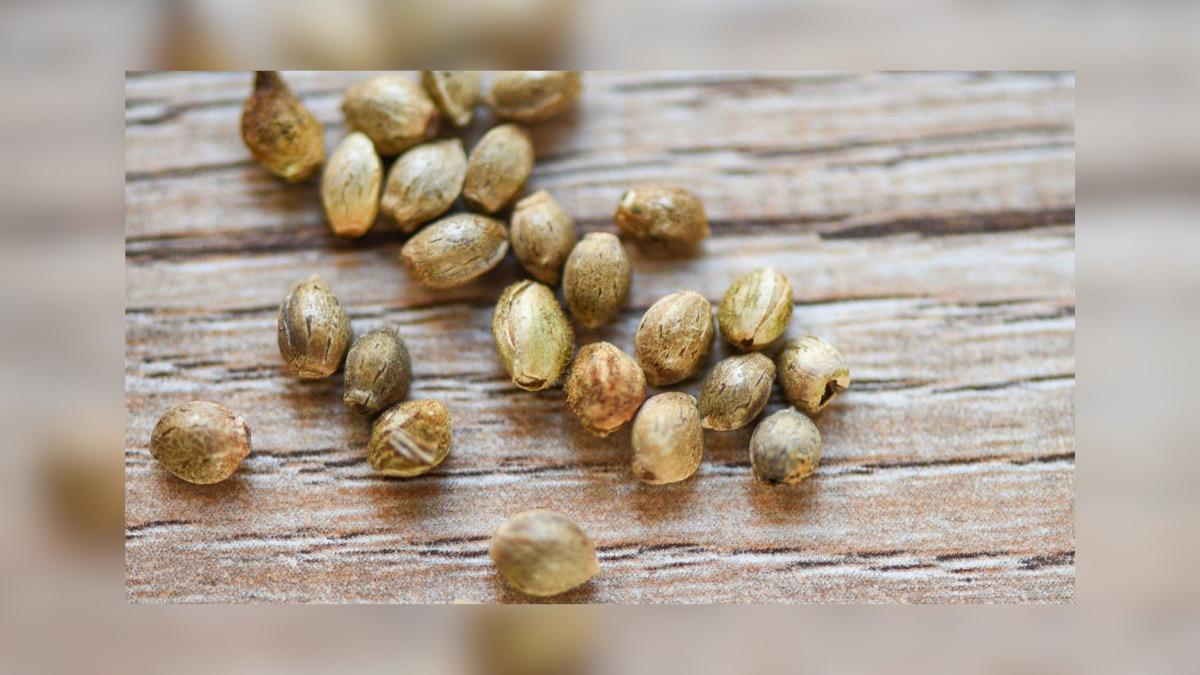
CLOSE-UP OF CANNABIS SEEDS SHOWING HEALTHY TIGER STRIPES AND BROWN COLORING, A SIGN OF QUALITY SEEDS.
Picking the right cannabis seeds starts with understanding both the strain and the type of seed you want. Make sure you are sourcing your seeds from reputable seed banks. Your choice will impact growth patterns, indoor fit, and the effects you can expect from your harvest.
Sativa vs Indica vs Hybrid
Let’s start by looking at the differences between Sativa, Indica, and Hybrid strains and how they perform indoors.
● Sativa strains:
- Growth: Tall and lanky, sativa plants have longer flowering times.
- Effect: Uplifting, energizing, and cerebral highs.
- Indoor fit: Often harder to manage indoors due to height and long flowering period; best suited for growers with ample vertical space or advanced training techniques.
● Indica strains:
- Growth: Shorter, bushier cannabis plants that flower quickly.
- Effect: Relaxing, body-focused effects, ideal for evening use.
- Indoor fit: Excellent choice for limited spaces since they stay compact and finish faster.
● Hybrid strains:
- Growth: Combine features of both cannabis Sativa and Indica.
- Effect: Balanced or customized depending on genetics (e.g., more energizing or more relaxing).
- Indoor fit: Very popular for indoor grows, many hybrids are bred for compact size, high yields, and easy management.
Cannabis Seed Varieties Explained
Once you’ve chosen your strain, the next step is selecting the seed variety that matches your growing style. Autoflowering, photoperiod, feminized, and regular seeds each offer unique advantages depending on your space, experience, and goals.
● Autoflowering Seeds
- Bloom automatically regardless of light schedule.
- Stay compact and finish quickly, making them ideal for small indoor setups or fast Indica-dominant hybrids.
● Photoperiod Seeds
- Require a light cycle change to trigger flowering.
- Often grow taller, including many Sativa strains, and can deliver larger yields if you have space and control over lighting.
● Feminized Seeds
- Produce only female plants, which grow buds.
- Perfect for efficient indoor cultivation with no wasted effort on males.
● Regular Seeds
- Can produce male or female plants.
- Best for experienced growers or breeders who want to create new hybrid genetics rather than focus solely on maximizing flower production.
Want OK! each day? Sign up here!
Understanding the Cannabis Grow Cycle
To successfully grow marijuana, it’s essential to understand the plant’s life cycle, which usually lasts 3 to 6 months from seed to harvest. Seeds germinate, sprouting roots and the first tiny leaves; the seedling stage follows with delicate growth; then, during the vegetative phase, the plant builds strong stems and lush foliage; finally, the flowering stage produces the buds prized in cannabis cultivation.
Once flowers mature, growers harvest, dry, and cure them to bring out their full aroma, flavor, and potency. More details about each of these stages will be explained ahead to help you master the entire growing process.
Step 1: Germination and Seedling Care
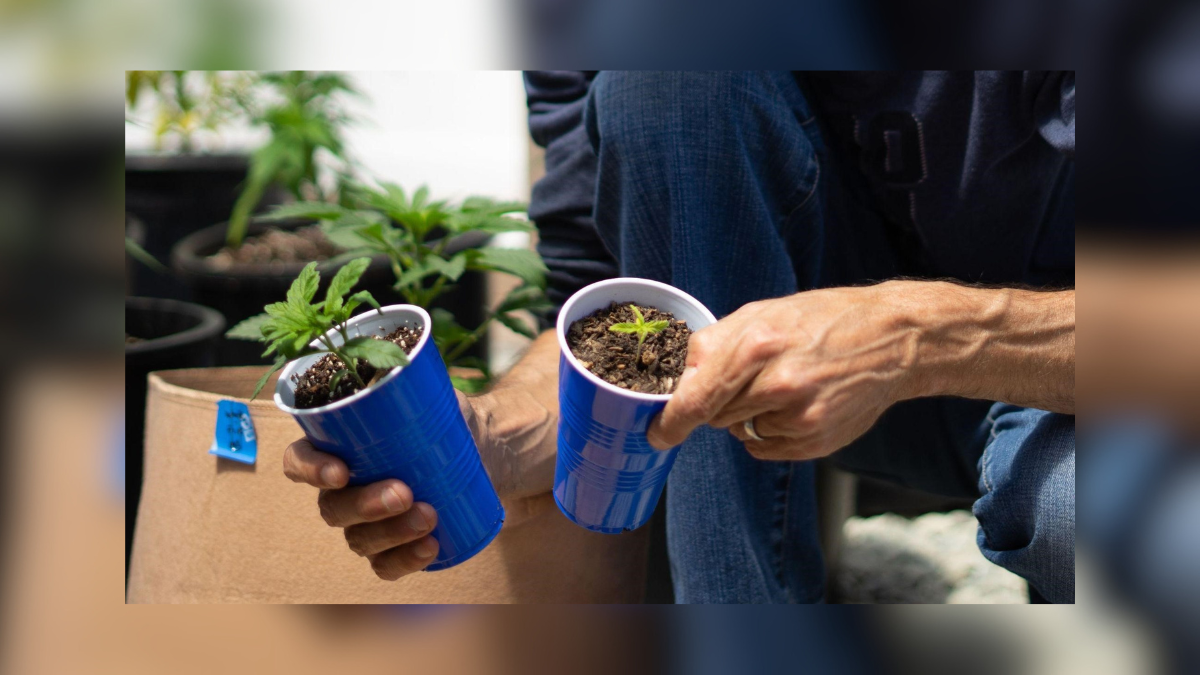
YOUNG CANNABIS SEEDLINGS GROWING IN PLASTIC CUPS, READY FOR CAREFUL NURTURING DURING THE EARLY GERMINATION
The germination stage is the first step in growing cannabis, when the seed absorbs moisture and awakens the embryo inside, allowing the taproot to emerge. There are three common methods to start this process:
- Paper towel method: Place seeds between a damp paper towel, seal them in a plastic bag or container, and keep them in a warm, dark spot. Check daily and plant them once the white root shows.
- Soaking method: Submerge seeds in room-temperature water (optionally with a drop of hydrogen peroxide) for 12–24 hours until they crack open or sink, then transfer them to soil or another medium.
- Direct planting: Sow seeds directly 1–2 cm deep in a moist growing medium, root tip down, and keep the soil warm and evenly damp until seedlings appear.
Once the taproot emerges, carefully plant the seed root-down about 1–2 cm deep, keeping the soil moist but not soaked. In 3–7 days, it will develop into a seedling with its first small leaves, known as cotyledons.
During this seedling stage (about 2–3 weeks after germination), the young plant thrives in warmth (70–80 °F / 21–27 °C), high humidity (65–70%), and steady 18-hour light cycles. Maintain gentle airflow and ensure the soil stays lightly moist to prevent mold or damping-off. With this balanced environment, the seedling quickly strengthens its roots and starts producing its first true leaves.
Step 2: The Vegetative Stage
The vegetative stage is when a cannabis plant focuses on building strong roots, stems, and leaves, its structural foundation before flowering. This phase usually lasts 3 to 8 weeks, depending on the strain and growing conditions, and it’s marked by rapid vegetative growth as the weed plant expands in size and develops new nodes and fan leaves.
In indoor environments, maintaining 18 hours of light and 6 hours of darkness per day is ideal to keep the plant in vegetative mode. Temperatures around 70–85 °F (21–29 °C) and humidity levels between 50–70% help sustain vigorous growth. Growers should ensure consistent airflow and proper spacing to prevent mold and strengthen stems.
During this stage, cannabis also requires nitrogen-rich nutrients, regular watering without over-saturating the medium, and gentle pruning or training to shape the canopy and improve light exposure. With the right balance of light, nutrients, and care, this stage sets the groundwork for healthy flowering and high yields later on.
Step 3: Flowering Stage: How Cannabis Develops Its Buds
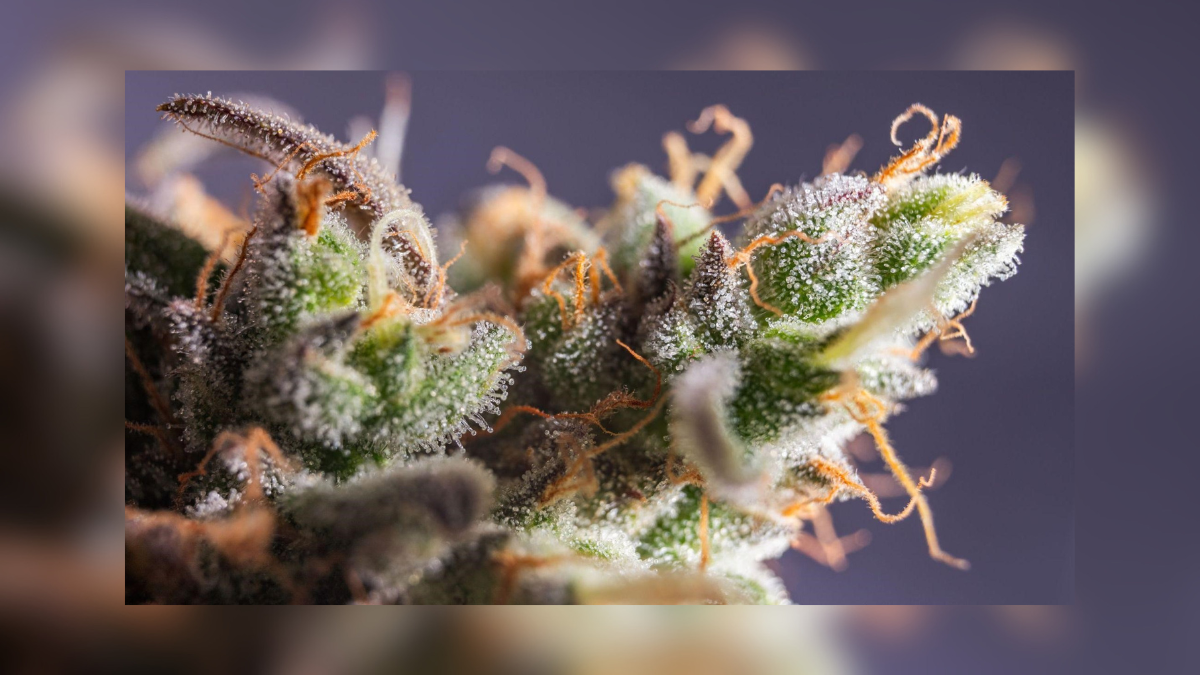
BRIGHT, RESIN-COATED CANNABIS FLOWER, HIGHLIGHTING THE STICKY, FROSTY TRICHOMES THAT INDICATE PEAK FLOWERING
The flowering stage is when cannabis transitions from growing leaves and stems to producing its prized blooms. This phase begins when growers initiate flowering by changing the light cycle to 12 hours of light and 12 hours of darkness each day, mimicking the shorter days of late summer. Over the next 8 to 10 weeks, flowering plants focus their energy on developing cannabis buds, which gradually swell with resin and aroma.
During this stage, the environment should stay warm but slightly cooler than in vegetative growth, ideally 65–80 °F (18–26 °C), with humidity reduced to 40–50% to prevent mold or bud rot.
Plants also need phosphorus and potassium-rich nutrients, while nitrogen is reduced to support proper bud formation. Good airflow, careful watering, and minimal stress are essential to preserve trichomes and maximize yield.
By maintaining stable conditions and avoiding light leaks, growers ensure their flowering plants mature fully, producing dense, fragrant cannabis buds ready for harvest.
When you grow marijuana from regular seeds, you’ll get both male and female plants. Since only females produce buds, growers usually identify and remove male plants early in the flowering stage to prevent them from pollinating the females, which would make them produce seeds instead of dense, resinous flowers. Unless you’re breeding for new genetics, it’s best to separate or discard male plants as soon as their pollen sacs appear.
Step 4: Harvesting and Drying Marijuana
Knowing the right time to harvest is key to preserving potency, flavor, and smoothness. Growers usually look at the trichomes, the tiny resin glands on the buds, under a magnifier. When most are cloudy and some turn finally amber, it signals peak THC levels and a balanced high. Harvesting too early results in a weaker effect, while waiting too long can make the buds more sedative.
Once cut, branches are typically hung upside in a dark, well-ventilated room to start the drying process. Ideal conditions are around 60–70 °F (15–21 °C) and 50–60% humidity. This slow drying takes about 7–14 days and helps preserve terpenes and prevent mold. When the stems snap rather than bend, the buds are ready to be trimmed and cured in jars for another few weeks, enhancing aroma and smoothness.
Step 5: Curing & Storing Cannabis
- Trim – After drying, remove excess leaves for a cleaner cure.
- Jar the buds – Place them in airtight glass jars, filling each about ¾ full to allow air circulation.
- Check humidity – Keep the inside of the jars at 58–62% RH. If higher, leave lids open a few hours; if lower, add a humidity pack.
- Burp the jars – Open daily for a few minutes during the first week, then less often as moisture stabilizes.
- Store properly – After 3–4 weeks, keep sealed glass jars in a cool, dark place to preserve flavor and potency.
Your Path to Consistent Indoor Harvests
Indoor cultivation gives you full control over every factor, light, air, temperature, and humidity, allowing you to create the perfect environment for your cannabis plants year-round. By understanding each phase of plant growth, from germination to curing, you can fine-tune conditions to produce healthy plants and high-quality buds.
Whether you’re just learning how to grow weed or looking to refine your technique, success comes from patience and consistency: monitoring your setup, adjusting nutrients, and maintaining clean, well-ventilated spaces.
Growing indoors allows you to control the number of plants and optimize conditions for each, making it easier to achieve excellent results. With the right balance of care and control, growing cannabis turns indoor cultivation into a rewarding craft, offering reliable harvests no matter the season.
FAQs
How long does it take to grow weed?
Most indoor grows take between 3 and 6 months from seed to harvest. Autoflowering strains tend to finish fastest, often in 8 to 12 weeks total. Photoperiod strains usually need 3 to 8 weeks in the vegetative stage plus another 8 to 10 weeks of flowering, followed by 1 to 2 weeks of drying and several weeks of curing.
How much does it cost to start growing weed indoors?
A basic indoor setup typically costs between $200 and $800, depending on the quality of equipment you choose. Key expenses include a grow tent, LED grow light, ventilation with a carbon filter, pots, soil, and nutrients. After the initial investment, ongoing costs like electricity and nutrients are relatively low compared to buying from a dispensary.
What is the easiest cannabis strain to grow indoors?
Indica-dominant strains and autoflowering varieties are generally the easiest to grow indoors. They stay compact, have shorter flowering times, and tolerate minor fluctuations in temperature and humidity better than most sativas. Popular beginner-friendly options include Northern Lights, Blue Dream, and White Widow.
How much weed can one plant produce indoors?
A single indoor cannabis plant can yield anywhere from 1 to 5 ounces of dried flower, depending on the strain, pot size, lighting, and growing technique. Yield is closely tied to the amount and quality of light available. As a general rule, a well-managed setup can produce roughly 1 gram per watt of lighting used.
Do cannabis plants smell while growing?
Cannabis plants produce a noticeable odor, especially during the flowering stage when trichomes develop and release terpenes. The smell can range from mild to very strong depending on the strain. Using a carbon filter attached to your exhaust fan is the most effective way to manage odors and keep your grow discreet.
How often should I water my cannabis plants?
Watering frequency depends on the plant's size, the growing medium, and environmental conditions. A common approach is to water when the top inch of soil feels dry or when the pot feels noticeably lighter. Overwatering is one of the most frequent mistakes new growers make. It suffocates the roots and can lead to mold and nutrient problems.
How do you grow weed from seeds?
Growing weed from seeds starts with germination. Place your seeds in a damp paper towel or directly into moist soil about 1-2 cm deep. Once the taproot emerges and the seedling breaks the surface, move it under an 18-hour light cycle and maintain warmth and humidity.
From there, you move through the vegetative stage, trigger flowering by switching to a 12/12 light cycle, and harvest once trichomes turn cloudy with some amber. The full process from seed to harvest takes 3 to 6 months depending on the strain.
How do you grow weed fast?
The fastest way to grow weed indoors is to start with autoflowering seeds. Unlike photoperiod strains, autoflowering plants do not need a light schedule change to flower. They move from seed to harvest in as little as 8 to 10 weeks.
Keeping environmental conditions dialed in (proper light intensity, consistent temperatures, and the right nutrients at each stage) also speeds up development and maximizes your final yield.
Is it hard to grow weed indoors?
Growing weed indoors is not especially difficult, but it does require consistency and attention to detail. The most common mistakes are overwatering, incorrect pH, and lighting issues. Starting with indica-dominant or autoflowering strains and using a quality grow tent setup makes the process much more forgiving. Most beginners get a workable harvest on their first attempt if they follow the fundamentals.