 Contributor
How Jaguar Safaris Are Putting Brazil’s Pantanal on the Map—and Africa on Notice

Dec. 15 2025, Published 11:26 a.m. ET


When most travelers dream of a safari, their minds immediately jump to Africa — the Serengeti, the Maasai Mara, dawn game drives in dusty Land Rovers.
But halfway across the world, in the heart of Brazil, there’s a wildlife experience that’s quietly rewriting the safari rulebook — and it just might be one of travel’s best-kept secrets.
Welcome to the Pantanal.

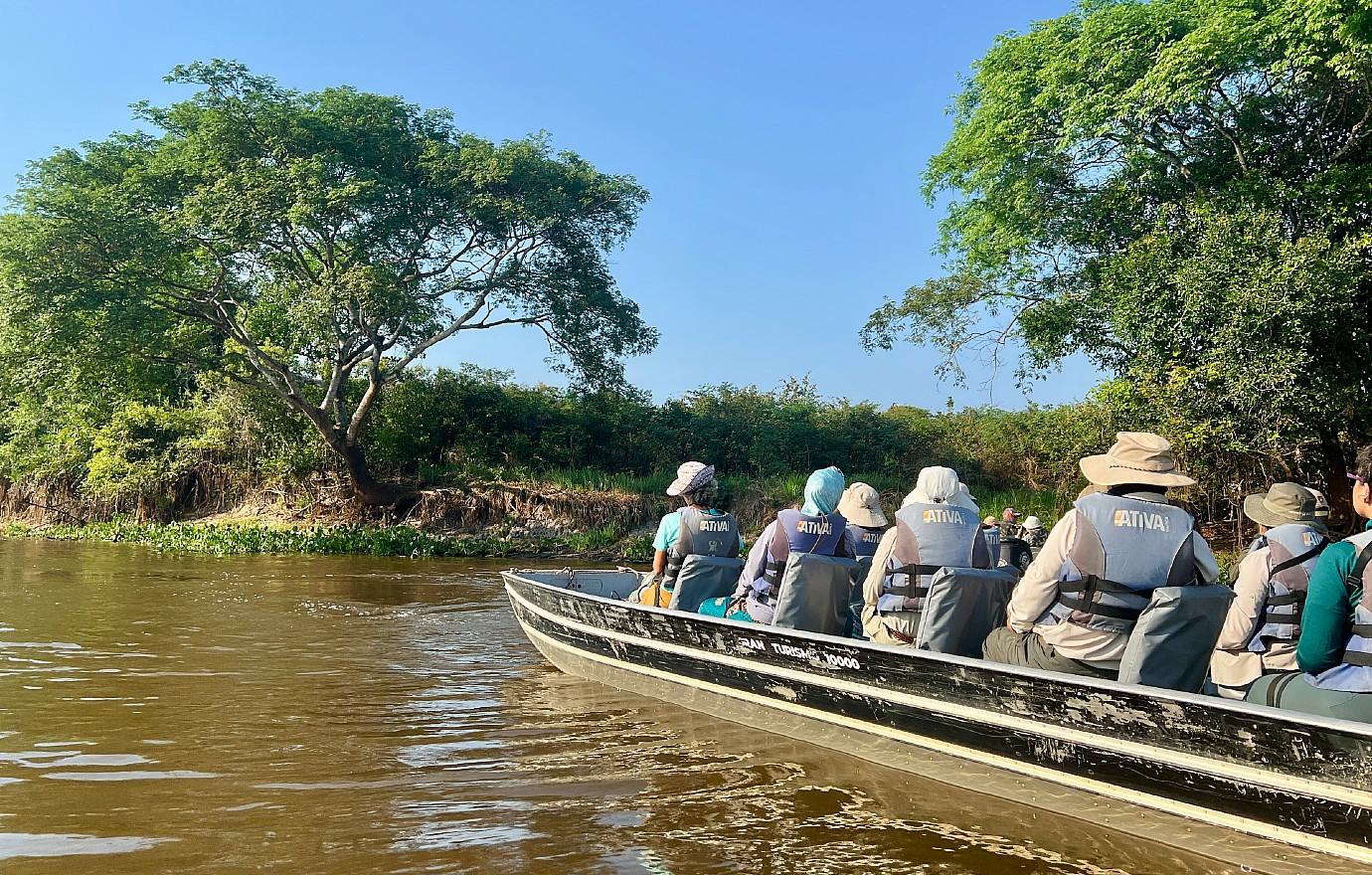
Stretching across Brazil, Bolivia, and Paraguay, the Pantanal is the largest tropical wetland on Earth, and unlike the dense, canopy-covered Amazon, it’s astonishingly open.
Rivers snake through golden grasslands, marshes shimmer in the heat, and wildlife isn’t hidden — it’s everywhere. Capybaras lounge by the water, caimans line riverbanks like prehistoric statues, and overhead, macaws, jabiru storks, and countless other birds fill the sky with sound and color.
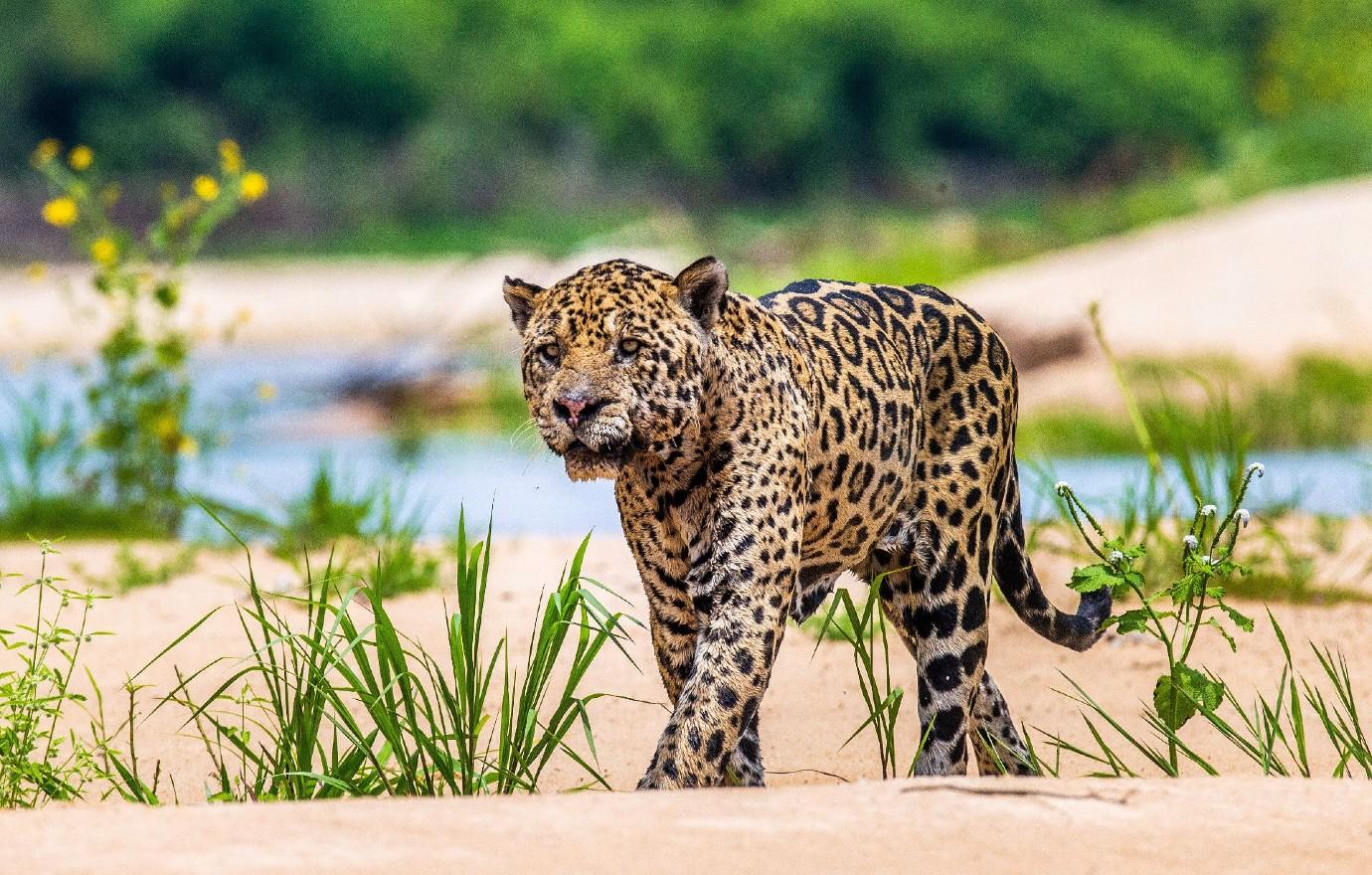
And then there’s the real star of the show: the jaguar.
Once notoriously difficult to spot, the Pantanal has become one of the best places in the world to see jaguars in the wild, transforming it into a serious contender for travelers craving an unforgettable safari — without flying all the way to Africa.
“What I love about the Pantanal is that it’s overwhelming with the amount of wildlife,” says Giuliano Bernardon, Director of Birding Pantanal and owner of a lodge in the region, speaking exclusively to OK!.
“The variety of birds, all the sounds we have, and the mammals and reptiles that we can find here. For me, as a young naturalist starting my guiding career in Pantanal, it was really amazing. I fell in love with it.”
Unlike Africa’s big-game parks, where animals often roam vast distances, the Pantanal’s seasonal flooding naturally concentrates wildlife around waterways — meaning sightings are frequent, intimate, and often jaw-dropping.
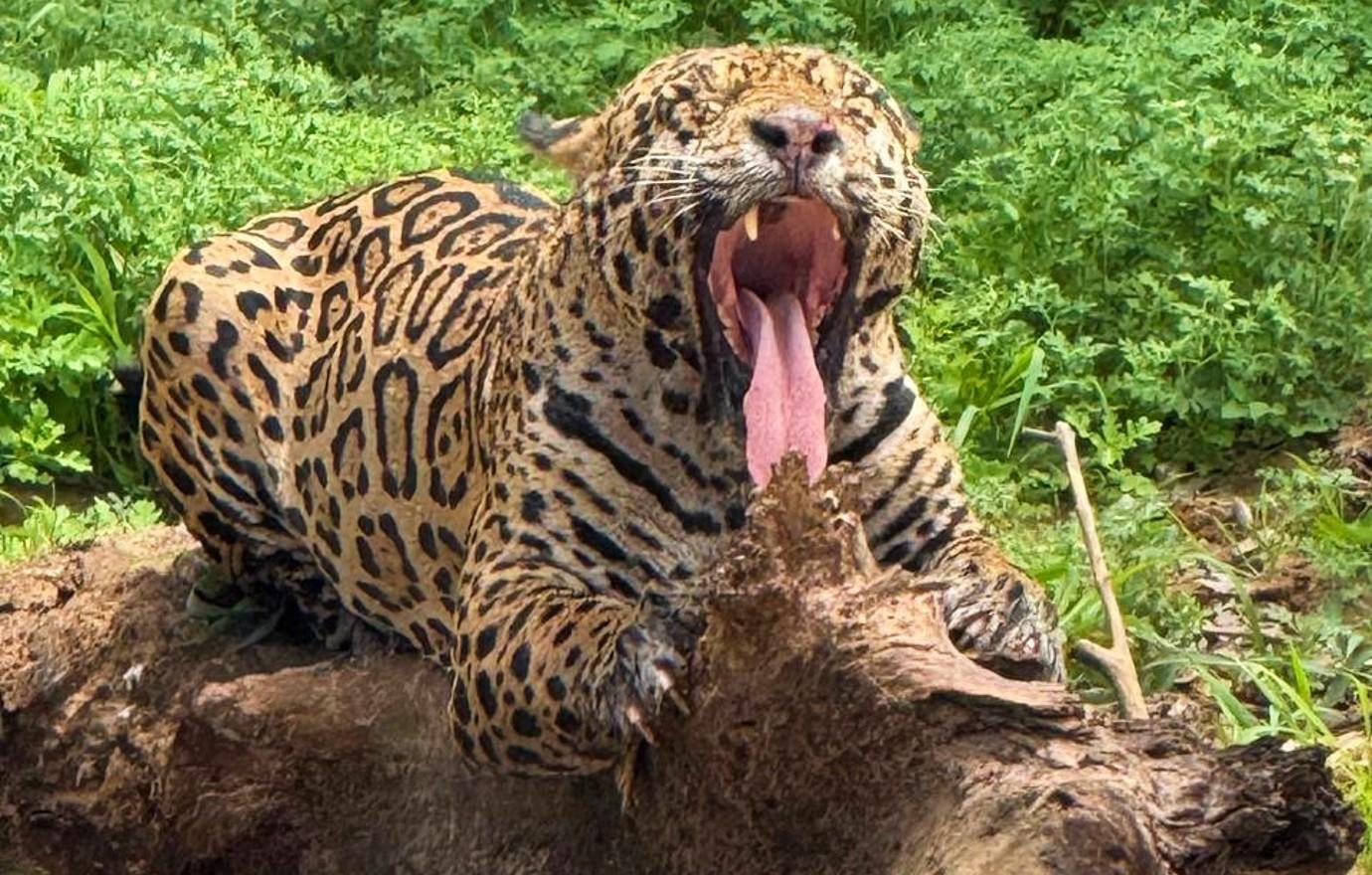
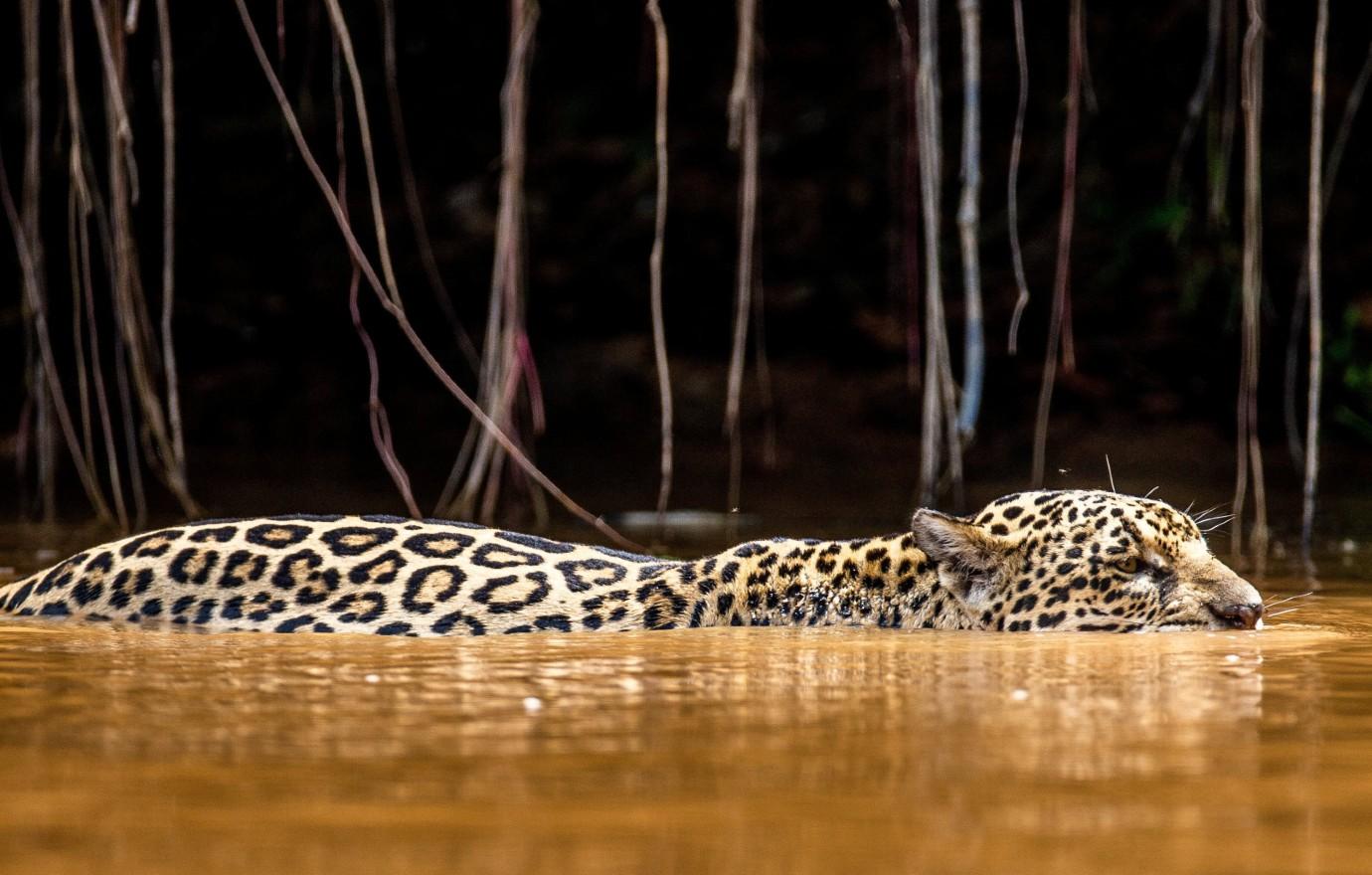
Jaguars, in particular, have found a stronghold here, lounging on riverbanks, swimming across channels, or stalking caimans in scenes that feel ripped straight from a nature documentary.
Jaguar safaris have exploded in popularity over the last decade, but this hasn’t always been the case.
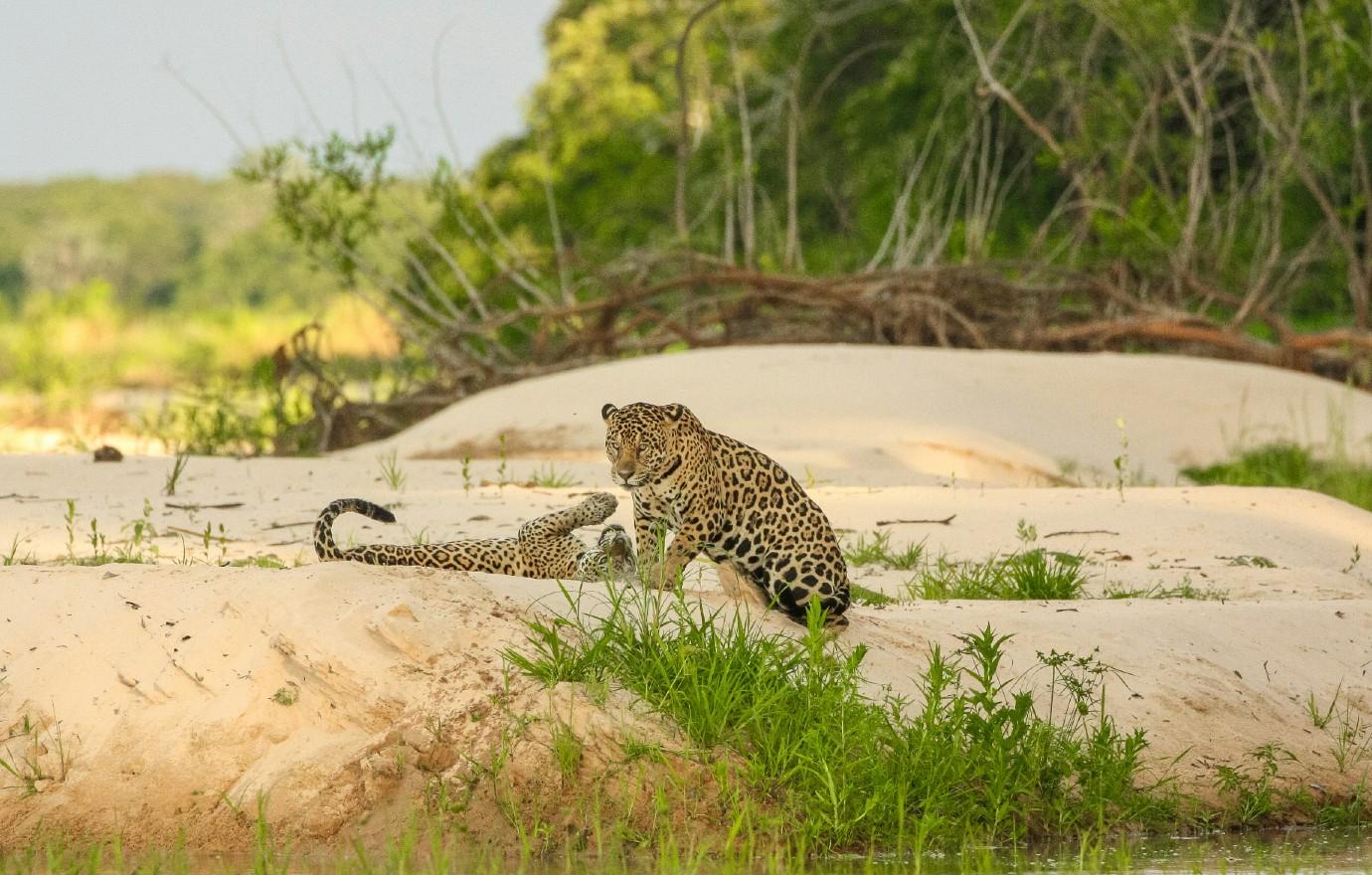
“With the jaguars, the population had decreased with hunting,” Bernardon explains. “That started around 100 years ago or even more. By the ’70s, the population of jaguar was quite low. It was really rare to see a jaguar when I started guiding here in 1998 — really rare.”
Today, that story has changed dramatically.
“The population is increasing,” he says. “So we see the balance. This is a good sign. If the top predator is thriving, it means that all the other animals in the chain are thriving.”
That recovery hasn’t happened by accident. Tourism has played a critical role — not just in protecting jaguars, but in preserving the entire ecosystem.
“A lot of people have never heard of Pantanal,” Bernardon notes. “They only know the Amazon. And I think we as tourism are only just scratching the surface here now. There is so, so much more to be explored.”
The Pantanal’s growing popularity comes with a strong emphasis on conservation-led travel — something Bernardon has witnessed firsthand as a lodge owner.
“When we bought this land, there was nobody living here. All wilderness,” he explains. “But when the fires came in 2020, the only people that were fighting these fires were us — the people involved in tours. Not just because of our business, but because we love nature.”
Tourism dollars, he says, went directly into protecting the land.
“It was tourists’ money being put into fighting these fires. It was the people that worked for tourists fighting these fires,” he says. “Out of the nature here, we employ a lot of people that are local, so it improves the economy of the land and we generate conservation without taking anything from nature. That’s the beauty of it. We don’t take from nature. We just give it back. It’s awesome.”
Want OK! each day? Sign up here!
It’s a shift that’s also being championed at a national level. Embratur Brasil, the country’s tourism board, has been shining a spotlight on destinations like the Pantanal as part of a broader push to show travelers that Brazil’s wild side goes far beyond the Amazon.
With global interest in sustainable, experience-driven travel on the rise, the Pantanal checks every box — epic wildlife, jaw-dropping scenery, and tourism that genuinely gives back.
For travelers looking for a safari that feels fresh, meaningful, and distinctly Brazilian, Embratur Brasil’s focus on regions like the Pantanal signals exactly where the future of wildlife travel is headed — and why now is the moment to go.
That community-first approach is also reshaping what a Pantanal safari looks like. While Africa’s safari infrastructure remains the gold standard, the Pantanal is evolving — intentionally and thoughtfully.
“A lot of people think of safaris in Africa versus safari here,” Bernardon says. “We haven’t got to the level of Africa. And of course, we aspire to Africa. So now we’re trying to have smaller vehicles and emulate that experience.”
The result? Intimate game drives, smaller groups, and up-close encounters — all while prioritizing safety around powerful predators like jaguars.
Lodges in the region are deliberately boutique. Bernardon’s own property has just 18 guest rooms but employs 25 people, nearly all of them local.
“They spend their money locally,” he explains. “We, as a company, buy stuff locally. We leave taxes locally. This is good for the local economy.”
For travelers, that means an experience that feels deeply personal — one where your presence directly supports conservation, wildlife protection, and local livelihoods.
And perhaps that’s what makes the Pantanal so compelling as a safari alternative. It’s not about replacing Africa — it’s about offering something different. A place where jaguars reign supreme, where wildlife feels astonishingly close, and where travel still feels like discovery rather than a checklist.
For those willing to look beyond the obvious, Brazil’s Pantanal isn’t just the next big safari destination — it’s the future of responsible wildlife travel.
And for now, it’s still refreshingly under the radar.