
 NEWS
NEWSJimmy Fallon Roasts Donald Trump for Treating Iran War Like a 'Super-Quick Target Run'

Donald Trump said the U.S. conflict with Iran would likely end soon.

March 12 2026, Published 11:13 p.m. ET


President Donald Trump is projecting confidence that the U.S. war with Iran will wrap up quickly — but experts say the messaging around the conflict reveals how difficult it is to predict the trajectory of a rapidly evolving military campaign.
Speaking to Republican lawmakers and donors this week in Florida, Trump framed the conflict as a limited operation nearing completion.
“We took a little excursion because we felt we had to do that to get rid of some evil,” Trump reportedly said. “And I think you’ll see it’s going to be a short-term excursion.”
Donald Trump Signals War Could End Quickly

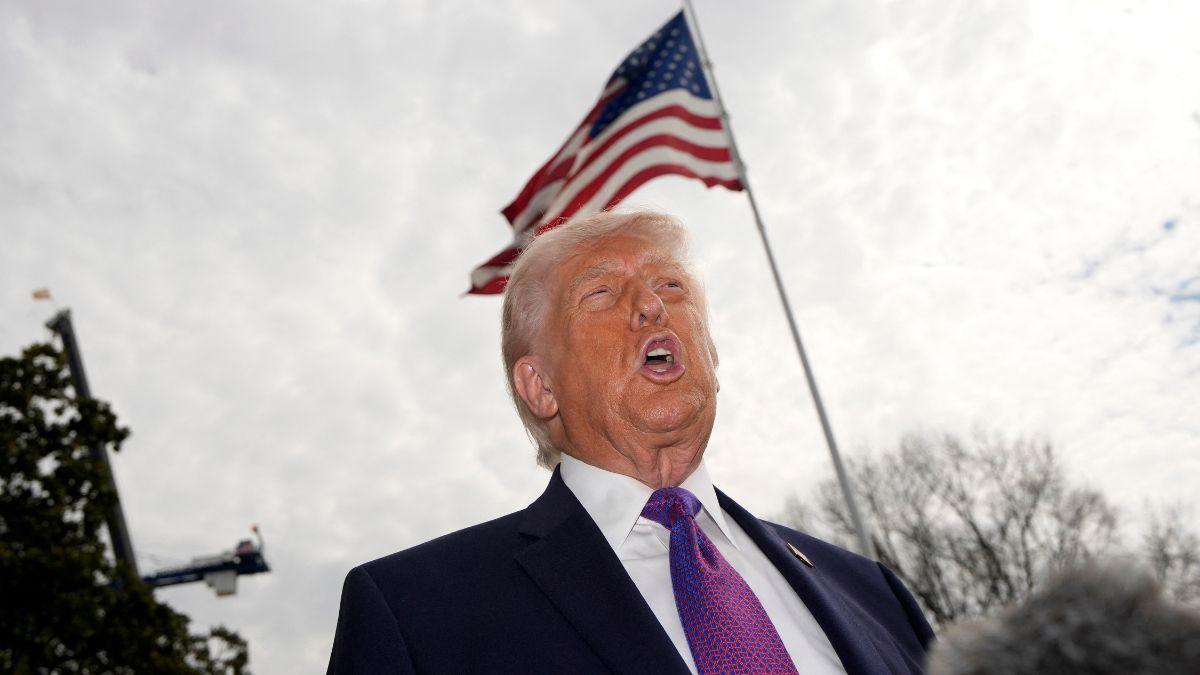
The president described the military campaign as a 'short-term excursion.'
In a separate interview, the president suggested the campaign has already achieved many of its goals.
“Little this and that... Any time I want it to end, it will end,” Trump told Axios, adding that there was “practically nothing left to target” in Iran.
At the same time, the president has also warned that the U.S. could escalate attacks if Iran interferes with shipping in the Strait of Hormuz, a critical global oil route.
'First War to Be Described Like a Day of Apple-Picking'
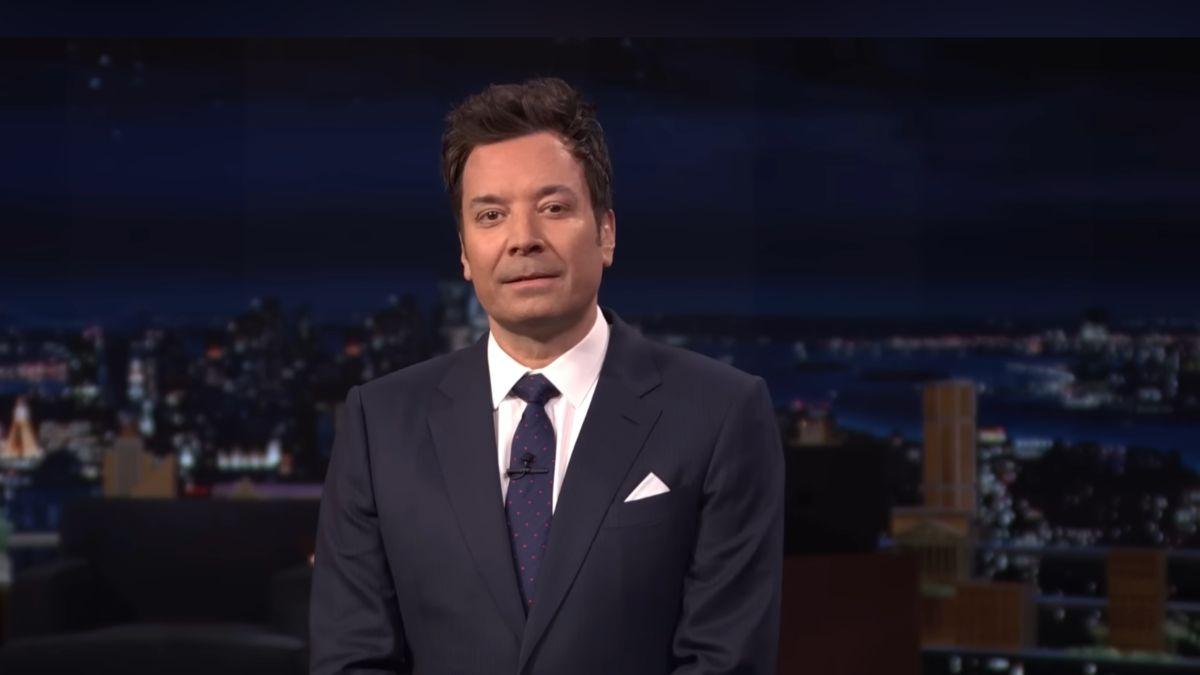
Jimmy Fallon mocked the shifting messaging during a comedy monologue.
The Tonight Show host Jimmy Fallon seized on the apparent contradictions during his Tuesday night, March 10, monologue.
“‘Short-term excursion’?” he asked. “It’s the first war to be described like a day of apple-picking. It’s just like when your mom says she’s doing a super-quick Target run, then ends up stuck in the store for 30 years.”
In response to Trump’s suggestion that the U.S. could choose to claim victory now or go even further, Fallon joked that we’re now in the “‘just-for-funsies’ part of the attack.”
“He also said that the U.S. is making major strides towards completing our military objective,” Fallon said. “We’re almost done with Step One: Figuring Out Our Military Objective.”
Want OK! each day? Sign up here!
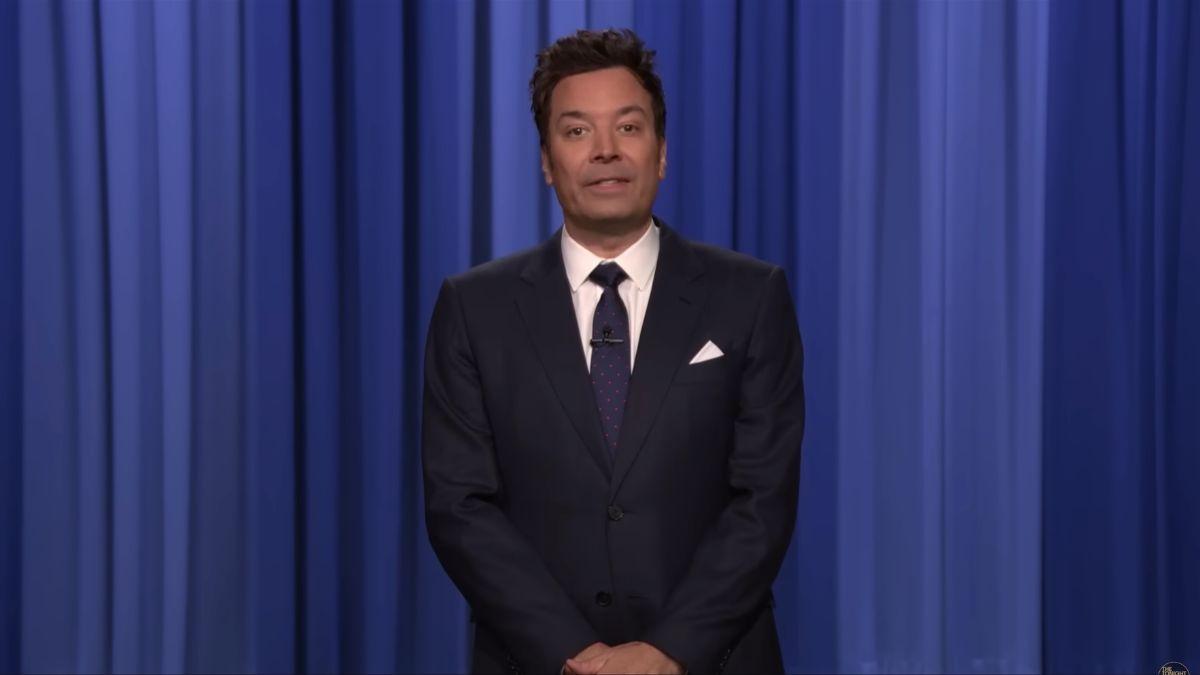
Experts said mixed messaging can complicate diplomacy and public understanding of war.
“Mixed messages happen when there is a lack of coordination between all the respective agencies,” explained Steven Boylan, a retired U.S. Army colonel and former public affairs officer who now serves as Director of Graduate Military Programs and Professor of the Practice at The University of Kansas School of Business.
“Timeline predictions are fraught with danger because ground truth changes when others also get a vote, especially on military operations,” he noted.
"Trump's statements probably serve both domestic and foreign policy goals," suggested Richard Gowan, program director for Global Issues and Institutions at the International Crisis Group. "He is trying to calm restive markets and nervous political allies about the potential length of the war at home. But he may also be trying to send a message to Iran that there is a way out of the war."
Mixed Messaging in a Fast-Moving Conflict
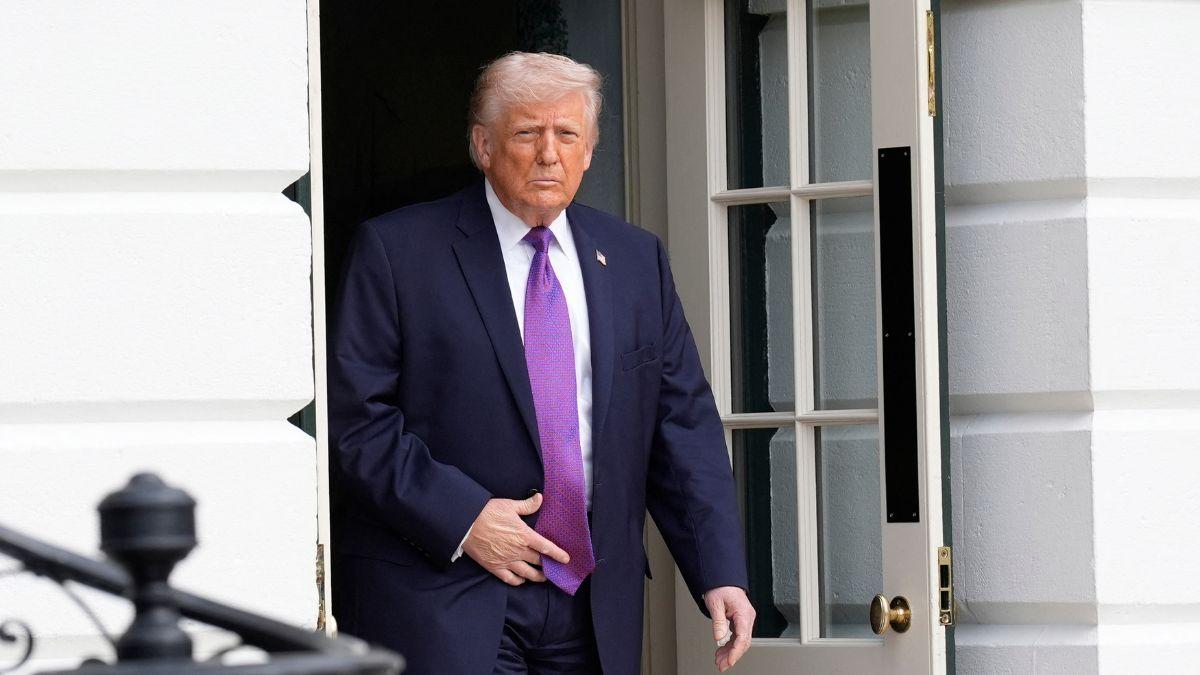
Military analyst warned predicting timelines during active conflicts can be risky.
Gowan notes that the effectiveness of such messaging depends on how it is perceived abroad.
"It is not clear Iran is listening," he continued, adding that “the Iranians have little reason to trust him, especially as Washington's message is changing so often.”
“A responsible political message would be to lay out a consistent set of principles for ending the conflict, including clear criteria for halting strikes and a clear outline of what an ensuing negotiated settlement would look like,” Gowan says. “Iran might reject or accept this. But it would be a step towards more effective diplomacy."
Boylan notes that military leaders often take a more cautious tone for precisely this reason.
“Responsible communication would look more in line with what the Chairman of the Joint Chiefs is saying. He is level-headed and measured in his comments,” he says. “No timelines should be given since controlling the timeline is difficult at best.”