 NEWS
NEWSKegels, But Make Them Fun: A Modern Approach to Pelvic Health

Sept. 4 2026, Published 1:40 a.m. ET


Pelvic floor exercises are easy to overlook and not always easy to get right. Perifit brings games and real-time feedback into the mix, making the routine feel a little less like homework.
The pelvic floor does plenty of behind-the-scenes work, supporting the bladder, uterus, and other pelvic organs. Yet exercising these muscles rarely inspires the same enthusiasm as a new fitness class or a morning walk. Kegels can feel repetitive, awkward, and surprisingly difficult to remember, and it is not always obvious whether you are contracting the intended muscles.


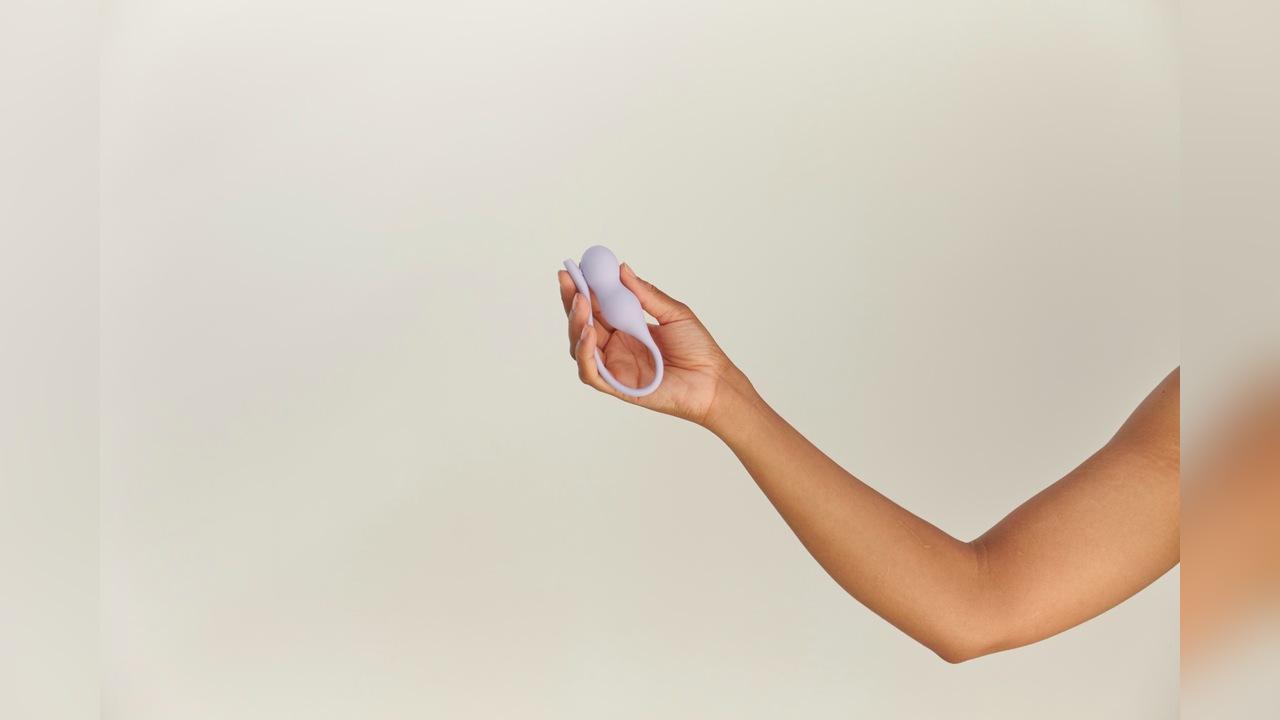
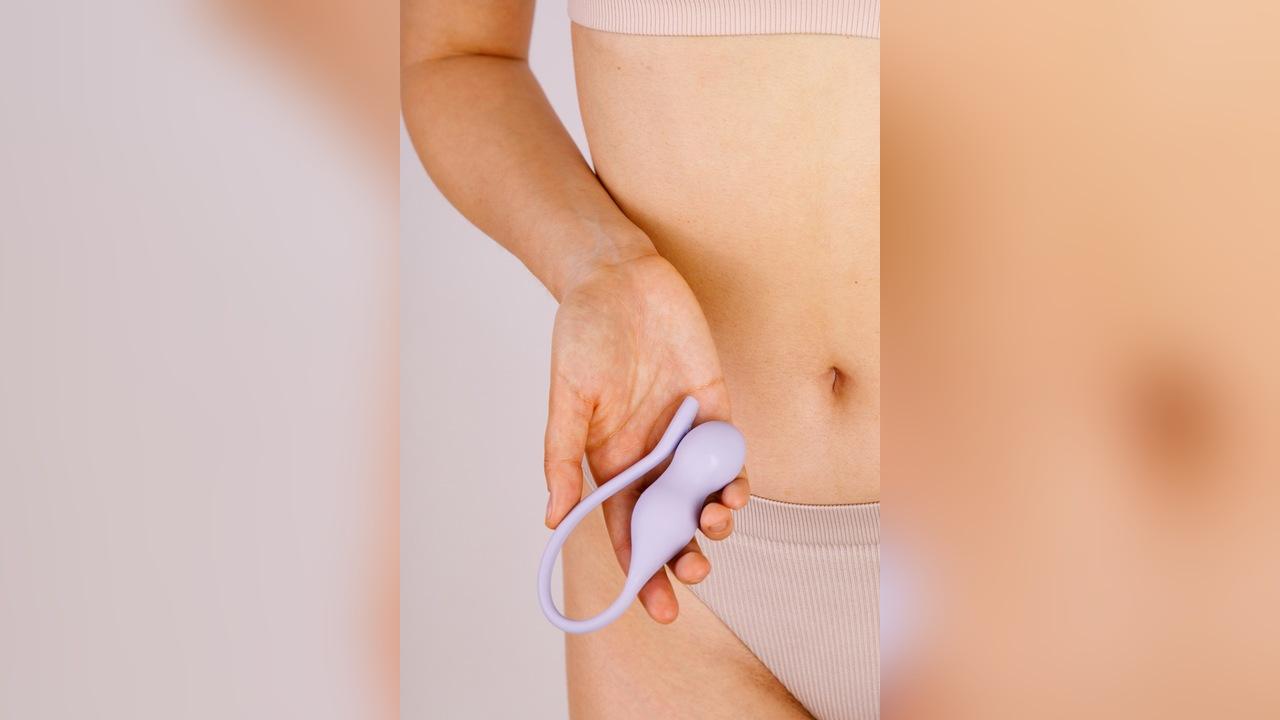
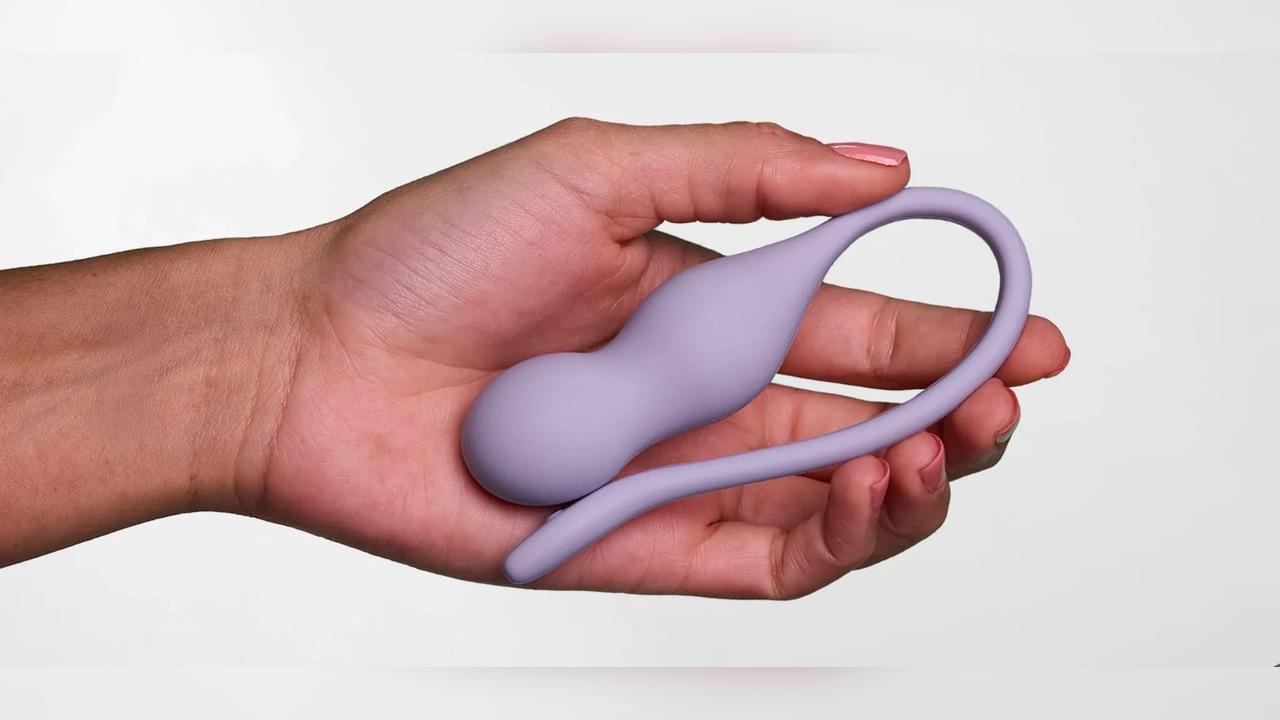
When I first came across Perifit, I was surprised to find pelvic floor exercises presented as something you could play. That is the everyday challenge Perifit aims to address. Its FDA-cleared pelvic floor trainer, Perifit Care+, connects to a smartphone app that provides real-time biofeedback during at-home exercises.
The experience is built around interactive mini-games, giving the familiar Kegel routine a more playful feel. Muscle contractions control elements within the games, while the app records activity over time.
Why the Pelvic Floor Deserves Attention
Pelvic floor muscles can be affected by several life stages and everyday pressures. Urinary leakage may occur when coughing, sneezing, laughing, or exercising, while pregnancy, childbirth, menopause, aging, and repeated physical strain can also influence pelvic floor function.
Despite how common these concerns can be, pelvic and urinary health are not always comfortable conversation topics. That can leave women quietly adapting their routines, avoiding certain activities, or relying on pads without necessarily knowing what other forms of support may be available.
It doesn’t make Kegels glamorous, exactly, but a colorful app and a little friendly competition can be more inviting than silently counting repetitions.
Want OK! each day? Sign up here!
Giving Kegels a Digital Update
Kegel exercises were originally developed in the 1940s by Dr. Arnold Kegel. They involve contracting and relaxing the pelvic floor muscles, but identifying those muscles and maintaining a regular routine can take practice. General guidance, including information from the Mayo Clinic, emphasizes correct technique and consistency.
Perifit Care+ is designed to measure contractions during a session and translate them into feedback within the app. Users can see how they are performing rather than relying entirely on guesswork.
Then come the games. Depending on the activity, a contraction might help an on-screen character move through a course or complete another simple challenge. The idea initially sounded a little unusual to me, but the connection soon made sense: the games provide prompts, structure, and visible responses throughout the exercise.

Making an Awkward Routine Feel More Approachable
A connected trainer will not be the right fit for everyone, but Perifit’s approach reflects a broader shift in wellness technology: taking routines that once happened without much guidance and making them more interactive. Much like a smartwatch can add goals and progress updates to a daily walk, Perifit adds visual feedback and game mechanics to pelvic floor exercises.
There is also something refreshing about treating pelvic health as an ordinary part of well-being rather than a subject reserved for whispered conversations. Using a Perifit Care or Perifit Care+ trainer still involves learning how the device and exercises work, but the app is intended to guide users through the process.
For women experiencing pelvic floor or urinary symptoms, a healthcare professional can help determine the possible cause and whether Kegels or a connected trainer are appropriate. For those advised to perform pelvic floor exercises, however, Perifit offers an unusually playful way to approach the routine.