 NEWS
NEWSKirk Douglas Allegedly Threatened to Trample Director Stanley Kubrick With His Horse During Tense 'Spartacus' Showdown

A heated script dispute led Douglas to confront Kubrick on horseback.

Oct. 16 2026, Published 9:07 a.m. ET


During an episode of the Turner Classic Movies podcast "The Plot Thickens," host Ben Mankiewicz recounted a heated conflict between star Kirk Douglas and director Stanley Kubrick on the set of the 1960 epic Spartacus.
The clash arose after Kubrick decided to remove the now-iconic "I am Spartacus" line written by screenwriter Dalton Trumbo without discussing it with Douglas first.
When Douglas realized the director had completely ignored his written memo advocating for the line, he confronted Kubrick directly, standing his ground on horseback.
“Listen, you little p----. This may be a stupid idea, but we’re gonna try it,” he stated. “If it doesn’t work, we’ll cut it out, but we’re gonna shoot it.”
Stanley Kubrick Agreed to Film the Movie's Most Famous Moment

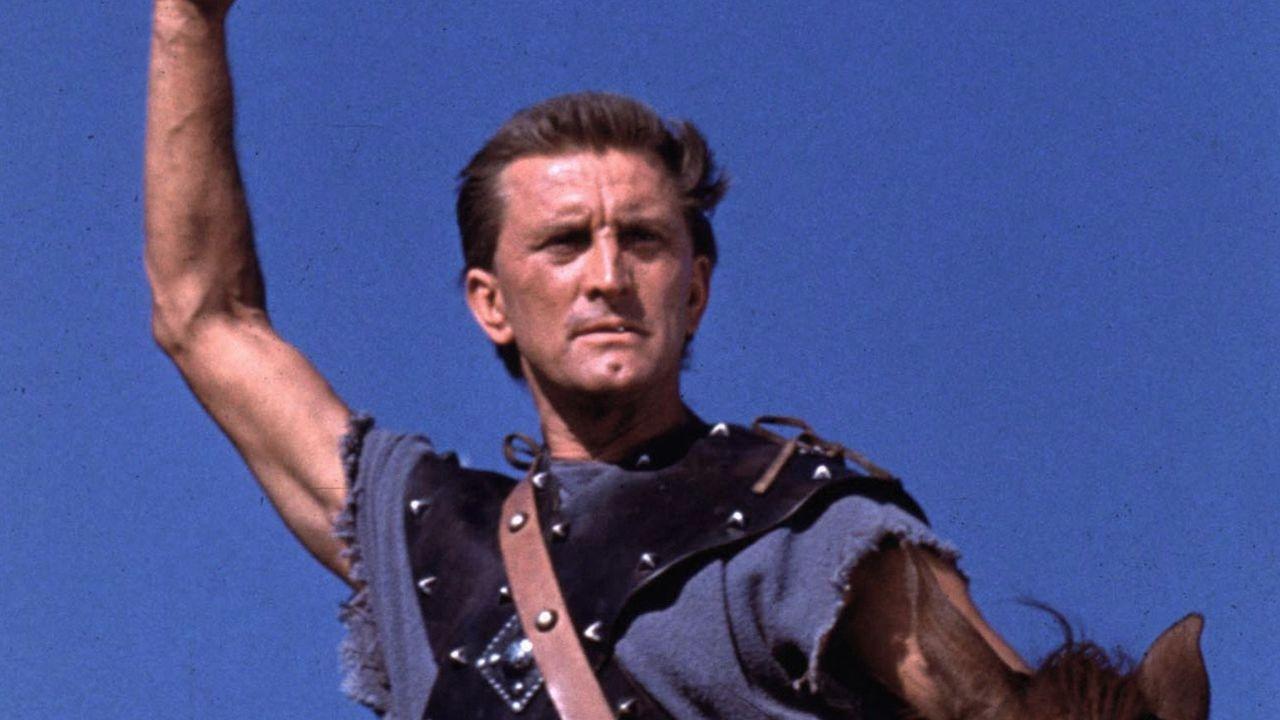
Kubrick ultimately yielded to Douglas.
Faced with Douglas' insistence, Kubrick yielded and agreed to shoot the sequence the following day, ultimately creating what Mankiewicz described as "the most famous scene in the movie."
Mankiewicz explained the context of the sequence, noting, “In the scene, Spartacus and his fellow slaves are rounded up by the Romans. The slaves are told, ‘Identify Spartacus, and you’ll be spared.’ Spartacus is about to reveal himself when another slave stands up and says, ‘I’m Spartacus.’ Then another slave does the same. And another."
Mankiewicz Detailed the Heated Horseback Confrontation
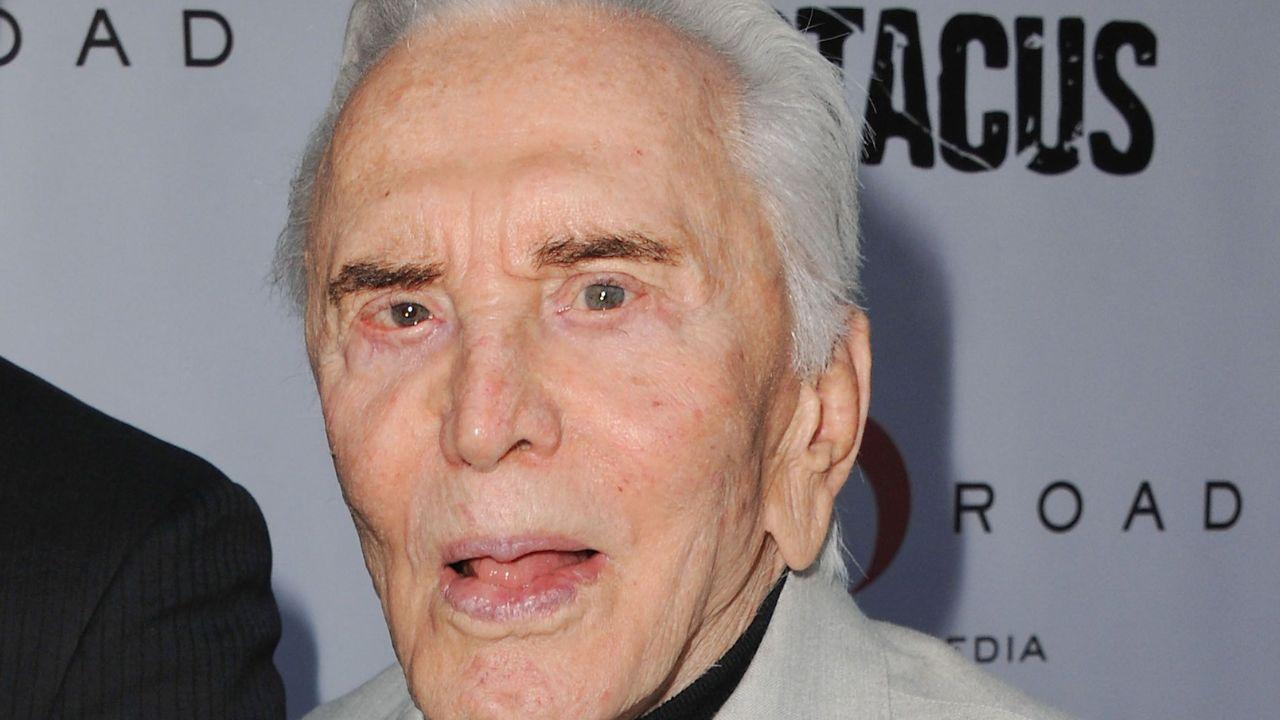
The podcast host shared dramatic details of the intense set standoff.
Mankiewicz further narrated the tense physical standoff that occurred over the ignored memorandum.
Upset by Kubrick's complete lack of communication regarding the script change, Douglas "trotted" over to the director riding a "big brown horse."
Positioned with his mount's head "now inches from Stanley’s face," Douglas demanded accountability, stating, “When I send you a memo about shooting a scene, I at least expect an answer. I sent you that note about the ‘I am Spartacus’ scene, and you haven’t even bothered to respond.”
When Kubrick stood his ground and responded, “That’s because I don’t wanna do it – it’s a stupid idea,” Douglas escalated the pressure by pushing “the horse right up against” him until the point was made.
- Arnold Schwarzenegger Claims He Was Chased by Wild Dogs and Had to Bite a 'Real, Dead Vulture' on the Set of 'Conan the Barbarian'
- 'Bulls---': Ridley Scott Denies Denzel Washington's Claim Producers Removed Scene of Actor Kissing Man in 'Gladiator II'
- Arnold Schwarzenegger Admits He Tried to Make 'Terminator 2' More Violent in Order to 'Outdo' Former Rival Sylvester Stallone
Want OK! each day? Sign up here!
Douglas Replaced the Original Director to Fix Production Delays
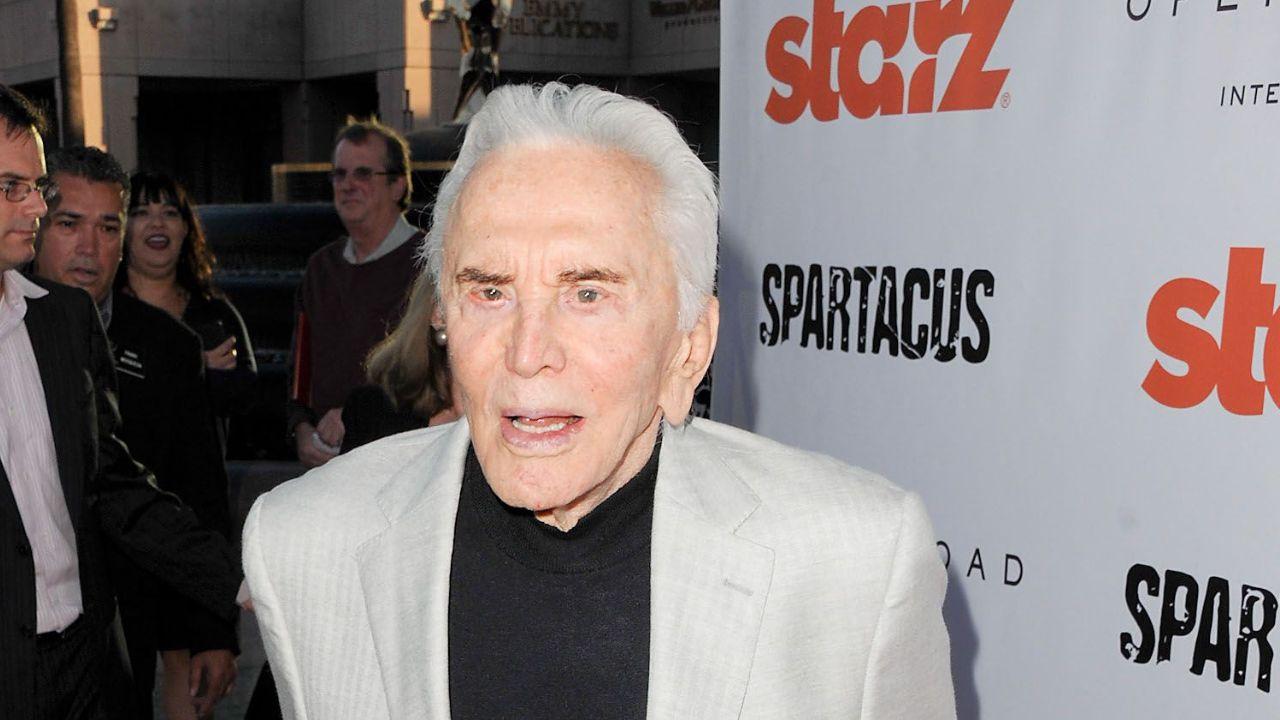
Faced with schedule delays, Douglas brought in Kubrick to take charge.
This high-stakes dynamic was rooted in how Kubrick joined the project in the first place.
According to Mankiewicz, Douglas grew deeply frustrated with the original director Anthony Mann because he “was encouraging the actors to improvise their lines,” a choice that caused the massive production to “fall way behind schedule.”
To regain control, Douglas brought in the 31-year-old Kubrick, with whom he had previously collaborated on the 1957 film Paths of Glory, though Kubrick was not granted total creative control over this project.
The Reason Behind the Bold Hiring of Kubrick
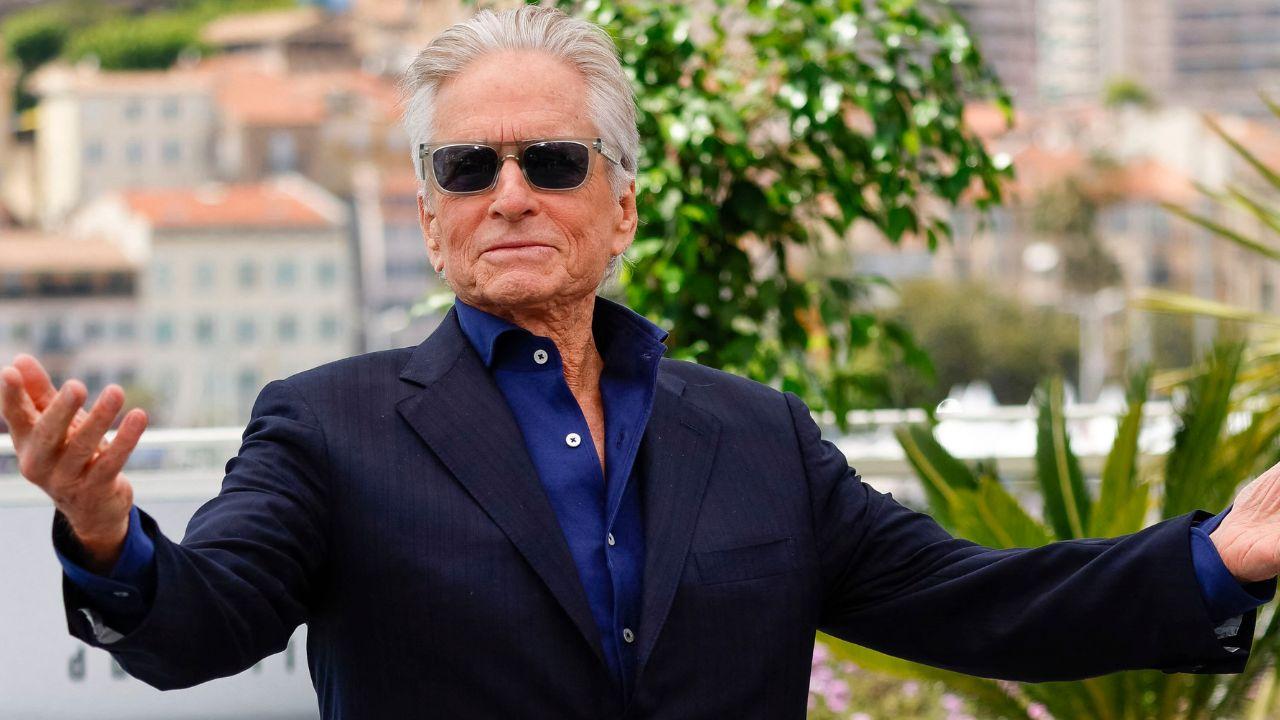
Douglas saw Kubrick's immense talent and arrogance as essential assets.
On the podcast, Douglas, voiced by his son, Michael Douglas, recalled explaining why he hired the young filmmaker.
“There were two things I knew about Stanley," he noted, “First, even though he was only 30, he had the talent and self-confidence to step in and take over a picture of this size. Second, his self-confidence often bordered on arrogance, a quality that could be a help or a hindrance when dealing with hard-to-rein in actors such as [Laurence] Olivier, [Charles] Laughton, and [Peter] Ustinov.”