
 TRUE CRIME NEWS
Man Was Convicted of Flooding 14,000 Acres to Keep His Wife Away. Now, 30 Years Later, He May Be Released on Parole: 'It Sounds Insane'

James R. Scott remained imprisoned for his role in the 1993 Great Flood as he sought parole after 33 years.

Oct. 27 2026, Updated 4:44 a.m. ET


A man convicted of deliberately causing a devastating flood to keep his wife away could soon be released from prison.
"It sounds insane," one commenter wrote after TikToker @blaycewilson posted a video revisiting the decades-old case.
Per KFVS12, James R. Scott appeared before Missouri’s parole board on Wednesday, October 27, after spending 33 years in prison for his role in the 1993 Great Flood.
He was convicted of breaking a levee near West Quincy, Missouri, causing floodwaters to spread across 14,000 acres in Missouri and Illinois. Scott received a sentence of 20 years to life.
The parole board is expected to announce its decision within two to three weeks.
James R. Scott Makes His Case For Release

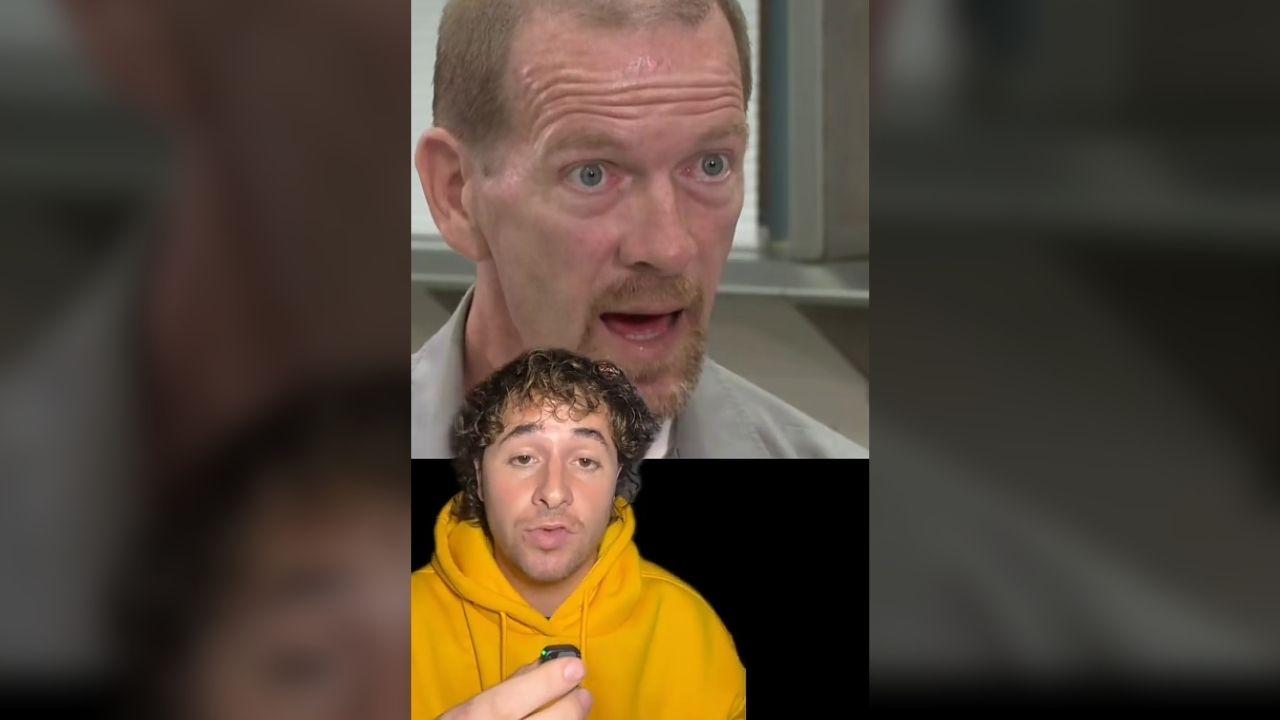
James R. Scott sought parole after serving 33 years for the 1993 Missouri flood case.
During the hearing, Scott was given about an hour to explain how he has changed during his time behind bars. Those present said he appeared optimistic as he left.
Although Scott has maintained his innocence in the flood case for three decades, he has admitted to other offenses, including burglary and arson.
Adam Pitluk, author of Damned to Eternity: The Story of the Man Who They Said Caused the Flood, attended the hearing as a character witness.
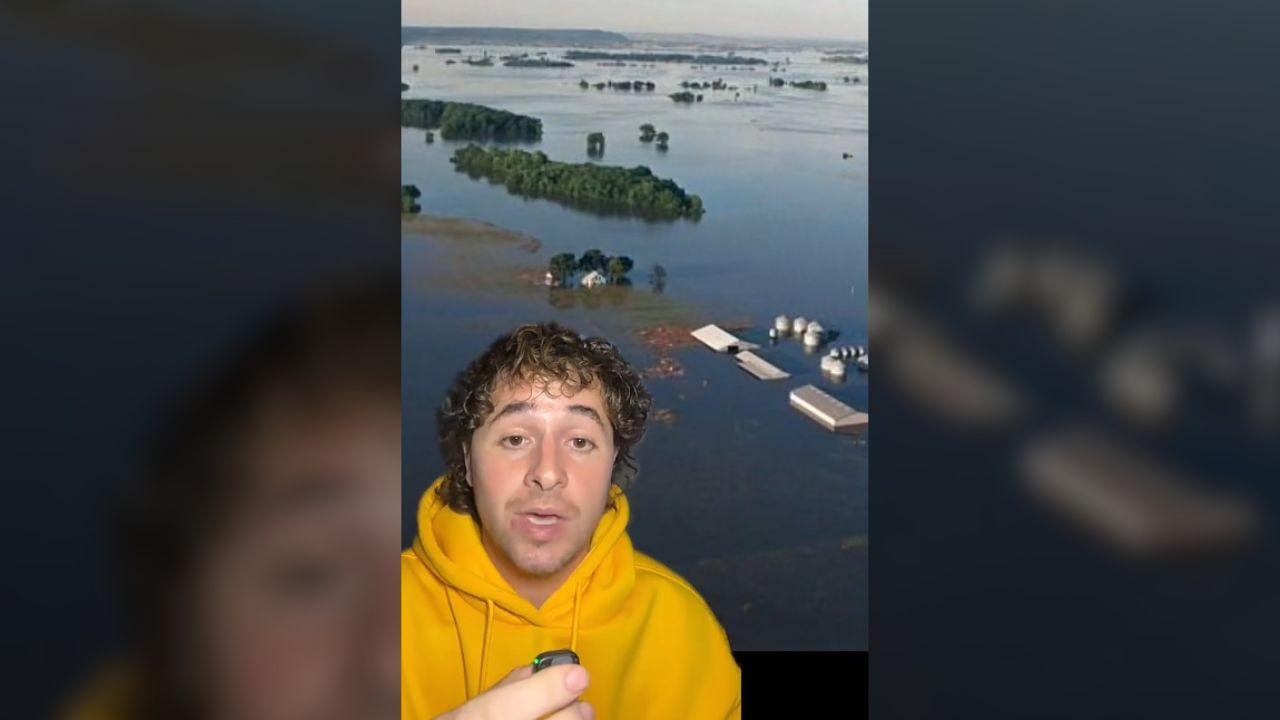
Floodwaters were affected 14,000 acres across Missouri and Illinois during the 1993 Great Flood.
He believes Scott has changed significantly during his incarceration.
"Society was probably better off with him off the streets for all those years, but if they could see now what I’ve seen in his transformation, that’s what I’m trying to advocate," Pitluk said.
"I hope that they can see this is not the same person. He’s not only not a threat, he’s going to be productive wherever he lands," he added.
- Susan Smith's Parole Hearing Scheduled 32 Years After Drowning Her Young Sons in South Carolina Lake
- Oregon Rancher Collects Rainwater on His Own Land. Then the Government Comes for Him With a $1,500 Charge: 'Can I Sue the State?'
- Kid Hands Over $35 for a $7 McDonald’s Order. So The Manager Says He Is 'Really Worried About the Future'
Want OK! each day? Sign up here!
Author Questions Evidence Behind Flood Conviction
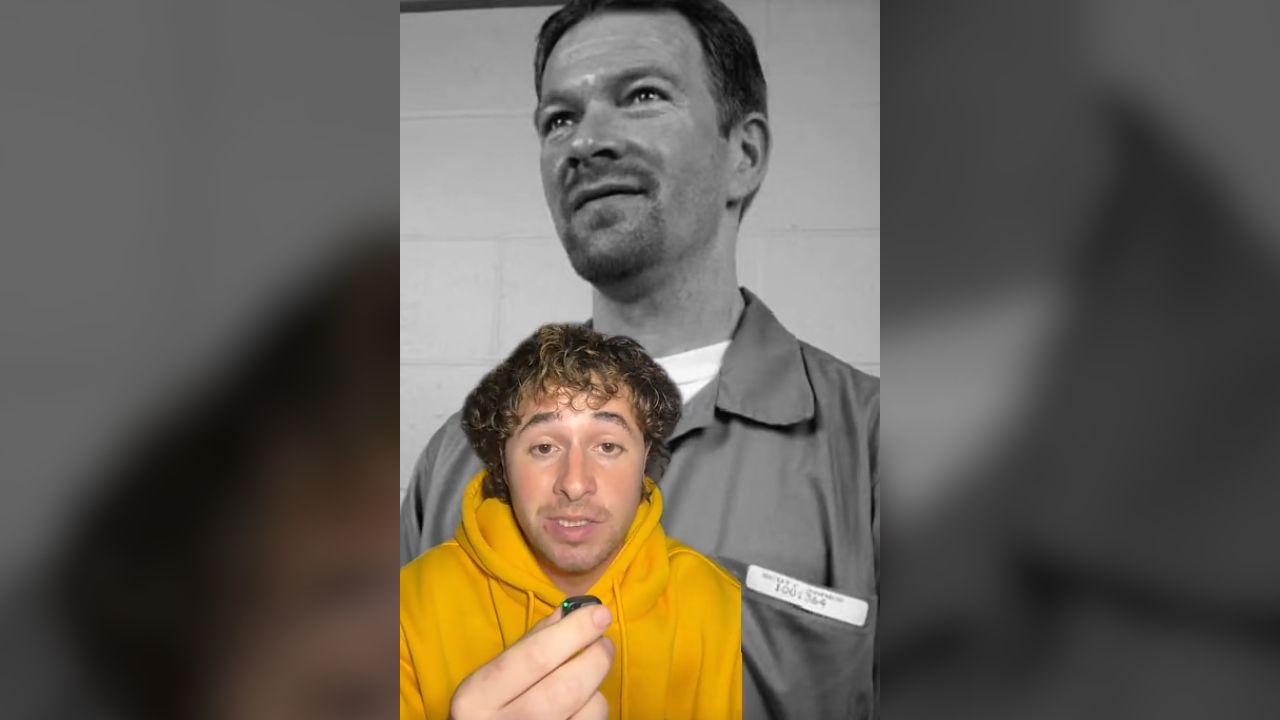
Author Adam Pitluk supported James R. Scott's release and questioned the evidence behind his conviction.
Pitluk also challenged the basis of Scott’s conviction, pointing to what he believes were gaps in the case.
"He was convicted on circumstantial evidence, there was no physical evidence at all that he broke this levee," Pitluk said.
"And all these years later, we’re still finding different circumstances to prove that there’s no way one man caused the Great Midwestern Floods of 1993 in West Quincy, Missouri," he added.
Former Mayor Opposes James R. Scott’s Release
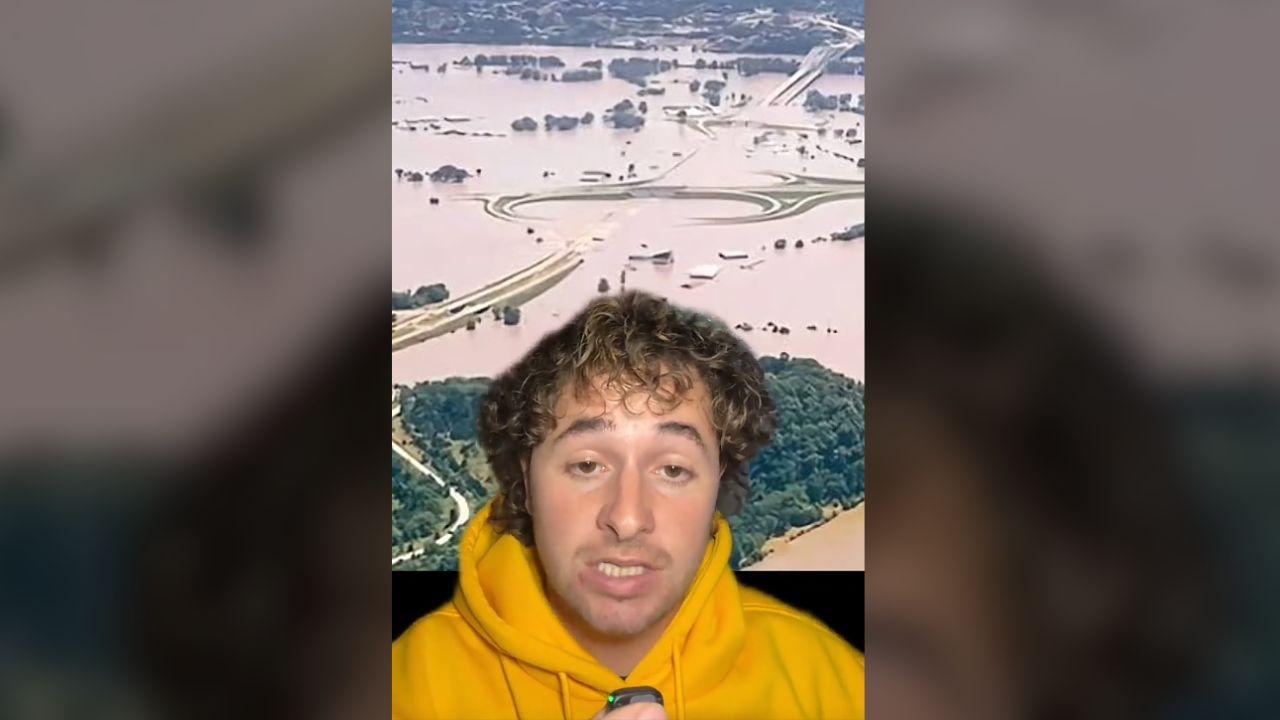
Former Quincy Mayor Chuck Scholz opposed James R. Scott's release, citing the lasting impact of the levee break.
Not everyone agrees that Scott should be released.
Former Quincy Mayor Chuck Scholz believes the levee would not have broken without deliberate interference.
"That levee was safe. I was on that levee the night before the break," Scholz said.
"It wouldn’t have broken absent the deranged, psychopathic actions of actually pulling off the sandbags," he added.
Former Cole County Prosecutor Bill Tackett highlighted the unusual nature of Scott’s conviction. Scott remains the only person convicted under Missouri’s "causing a catastrophe" statute.
"It’s very difficult to be charged or convicted with this because it takes a catastrophe obviously to happen, and that’s difficult to do," Tackett said.