
 NEWS
NEWSMedical Alert Devices for Seniors: Cost, Features, and Benefits


April 8 2026, Published 6:42 a.m. ET


As people grow older, it is just as vital for them to maintain their independence as it is for them to keep their physical well-being. However, living independently often brings with it the concern of safety, especially in the event of an unexpected medical situation.
This is where medical alert systems step in and play an important part.
These systems are meant for seniors to have access to instant support in case of an emergency. Therefore, they act as an essential support system for the elderly to continue living independently.
Over the years, medical alert systems have not only evolved beyond the simple push-button system but have incorporated several other features that make it easier for people to use them. At the same time, they bring a sense of comfort not just for older people but for families as well.
Therefore, you need to understand how medical alert systems work, how much they cost, and why they are so important. Also, you need to understand these aspects of medical alert systems so that you can appreciate their importance.

1. Understanding the Cost of Medical Alert Devices
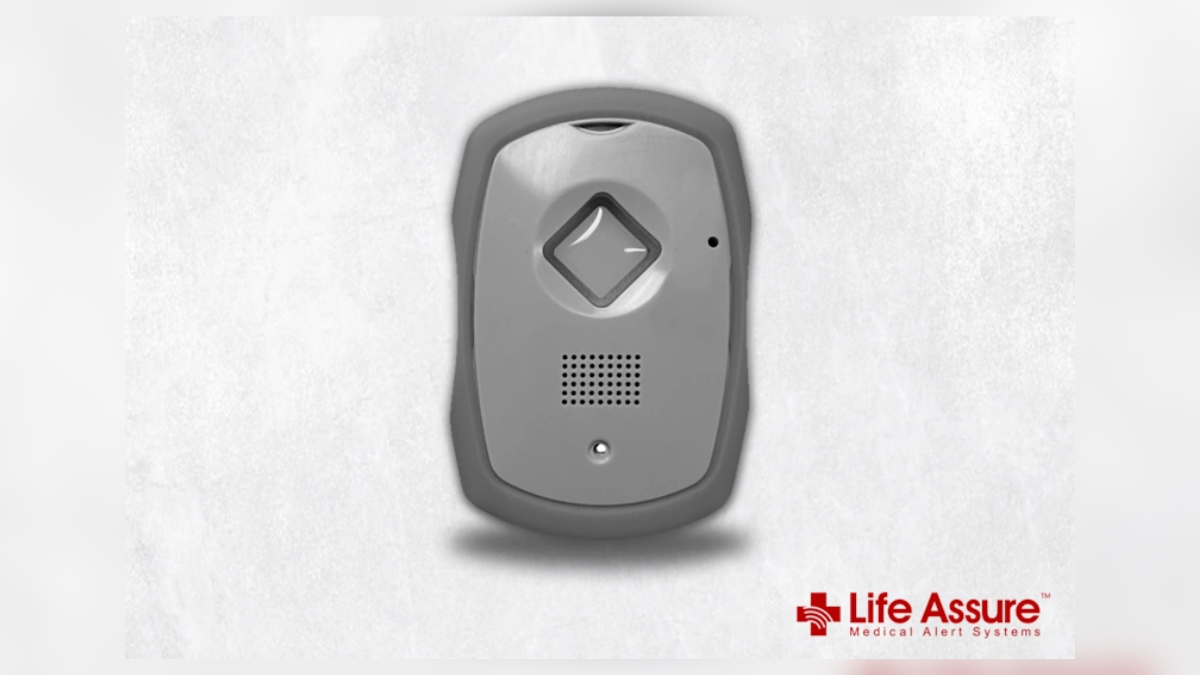
When considering medical alert systems, Life Assure and similar providers make it clear that the first factor most families evaluate is price. Usually, these systems operate on a monthly subscription basis, ranging between $35 and $55 per month. This usually includes 24/7 monitoring services and access to emergency services.
Apart from the monthly fee, some of these systems may require additional fees, although many companies have eliminated these costs in an effort to be competitive. This means that when considering these systems, their pricing structure is an essential factor in helping families avoid additional fees.
Aside from the monthly fee, the type of system also plays an integral part in determining the overall cost. For instance, in-home systems require a landline or cellular base station, making them less expensive.
However, mobile systems have GPS and cellular capabilities, making them more versatile. This means they are more expensive. Although Medicare does not usually cover medical alert systems, some medicaid programs may offer partial coverage under long-term care insurance.
Ultimately, medical alert systems are considered a worthwhile investment when compared with the possible cost of an untreated emergency.
2. Key Features That Make a Difference
Although the cost consideration is critical, the features of the medical alert device will determine how effective the device will be in real-life situations.
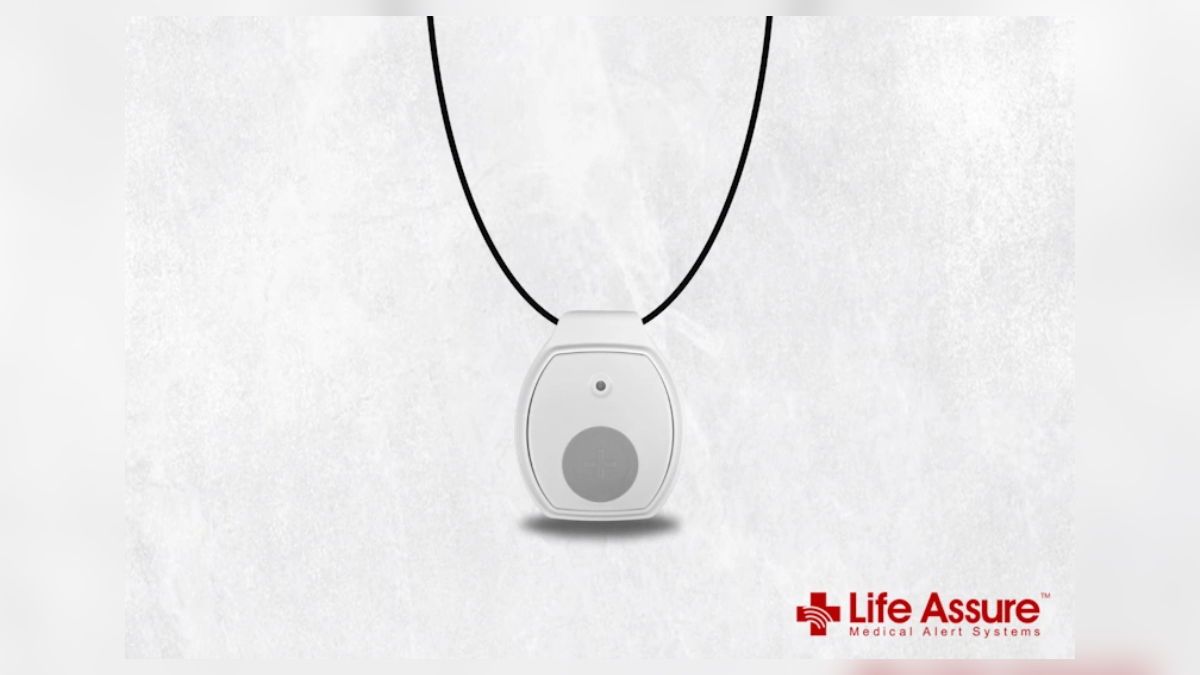
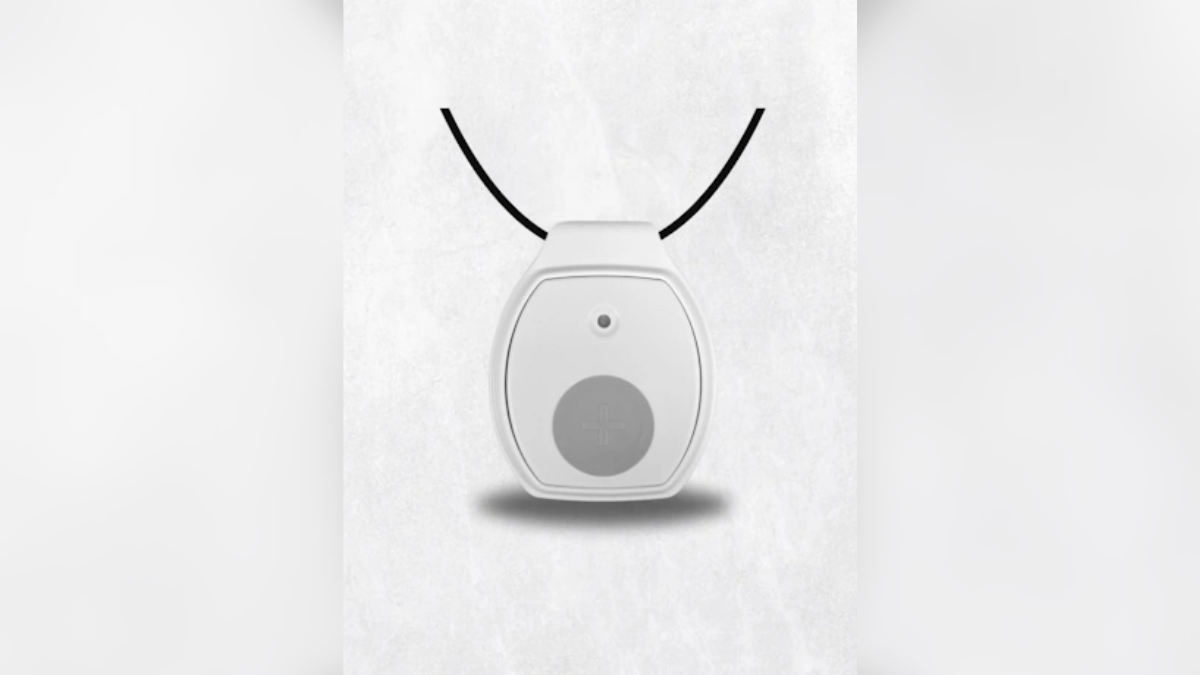
At the core of every medical alert device is an emergency button that can either be worn as a pendant or wristband. Once the button is pressed, the user will immediately be connected to an emergency response operator who can evaluate the situation and provide assistance. This connection is the core of all medical alert systems.
This core has been enhanced by the development of various medical alert device features. For example, some medical alert devices have the ability to detect falls and send out an alert, which is essential for seniors with mobility problems.
Moreover, the GPS tracking feature enables quick location of the user by the responders and caregivers, which is very useful for active seniors or individuals with memory-related disorders. The two-way communication feature also improves the usability of the device by allowing easy conversation between the user and the responder through the device. All these features ensure that medical alert devices are user-friendly and reliable.
Want OK! each day? Sign up here!
3. Benefits of Medical Alert Devices for Seniors and Families
It is only when the features and prices converge that the real advantages of medical alert systems become apparent. First and foremost, medical alert devices allow seniors to have immediate access to assistance in case of an emergency. Whether it is a fall, pain, or medical issue, seniors can rest assured that a timely response can be the difference between life and death.
Besides physical safety, these devices also provide emotional security for the user. For older people, one of the biggest fears is the loss of independence and the feeling of being too dependent on the people they care about. Medical alert systems can help alleviate these fears, as the user can continue living independently while remaining secure and protected.
For the family, they can have peace of mind knowing that the person they care for is safe and protected, even when they are not physically present with the patient. Moreover, these devices can help prevent complications that can result in extended hospital stays and long-term care, thus providing not just safety but long-term cost savings as well.
4. Choosing Right Device for Individual Needs
Considering the various options available, it is necessary to make a careful decision in choosing the appropriate medical alert system. Home-based seniors may benefit from an in-home system, which works well for their needs.
However, seniors who love to walk, travel, and socialize may consider a portable system with GPS capabilities. This will allow them to have their medical alert system without interfering with their daily routines.
Another important factor is ease of use, which means that the device must be lightweight, comfortable, and easy to use, thus promoting consistent use. This is because, without consistent use, a sophisticated system will not be beneficial, as it will not be utilized.
Moreover, customer support services and a responsive monitoring centre are essential, as these are critical in emergency responses. This way, by checking the reputation of providers and understanding the terms, families will be able to make confident decisions.
In Summary
Medical alert systems provide more than just emergency services; they give a constant feeling of security and independence. With the ability to strike a balance between costs and benefits, medical alert systems give seniors the confidence to live their lives to the fullest.
Also, they provide families and caregivers a boost in trust and peace of mind. With the advancement of technology, medical alert systems will become more accessible and beneficial in the future. For seniors who want to feel independent and for families who want to feel secure, selecting the right medical alert system is not just a smart move—it’s an investment.