
 NEWS
NEWSMenopause Doesn’t Have to Mean the End of Comfortable Sex — Milli Is Changing That


July 30 2026, Published 1:10 a.m. ET


Pelvic floor issues caused by menopause do not have to be treated with stressful static dilators; Milli expands at the user’s rate to address vaginal tightness issues.
According to a national study cited by Milli, 41.5% of postmenopausal women experience painful sex related to changes in vaginal tissue and pelvic floor function (Waetjen et al., 2018). For many women, discomfort during intercourse is not simply a consequence of aging but may be linked to a condition known as vaginismus, which involves the involuntary tightening of the pelvic floor muscles surrounding the vagina.

The pelvic floor is a group of muscles that supports the bladder, bowel, and reproductive organs. When these muscles become overly tight or difficult to relax, penetration may become uncomfortable or painful. During and after menopause, hormonal changes can contribute to shifts in pelvic floor function, and some women may notice increased vaginal tightness or discomfort during intimacy as a result.
Understanding the role of pelvic floor muscle tension is an important step toward identifying the factors that may contribute to painful intercourse during menopause and exploring approaches that may help improve comfort and quality of life.
Despite the number of women affected by painful intercourse and pelvic floor tightness during and after menopause, these concerns often go unspoken. Many women report feeling uncomfortable discussing intimate symptoms with their partners or healthcare providers, which can leave them feeling isolated and unaware of available support. The effects may extend beyond physical discomfort, influencing intimacy, relationships, and overall quality of life.
This silence has contributed to a broader gap in women's health care, where common concerns can remain underrecognized and underserved despite affecting a substantial portion of the population. As a result, treatment options for conditions such as vaginismus and pelvic floor tightness have evolved relatively slowly, with static dilator sets remaining one of the most commonly used therapeutic tools for decades.
For many women, the challenge is not a lack of effort or commitment to treatment. Rather, some advocates in the women's health space argue that existing therapeutic tools have not evolved sufficiently to address patients' needs. As Materna Medical puts it, "Women don't fail therapy. Therapy tools fail women."
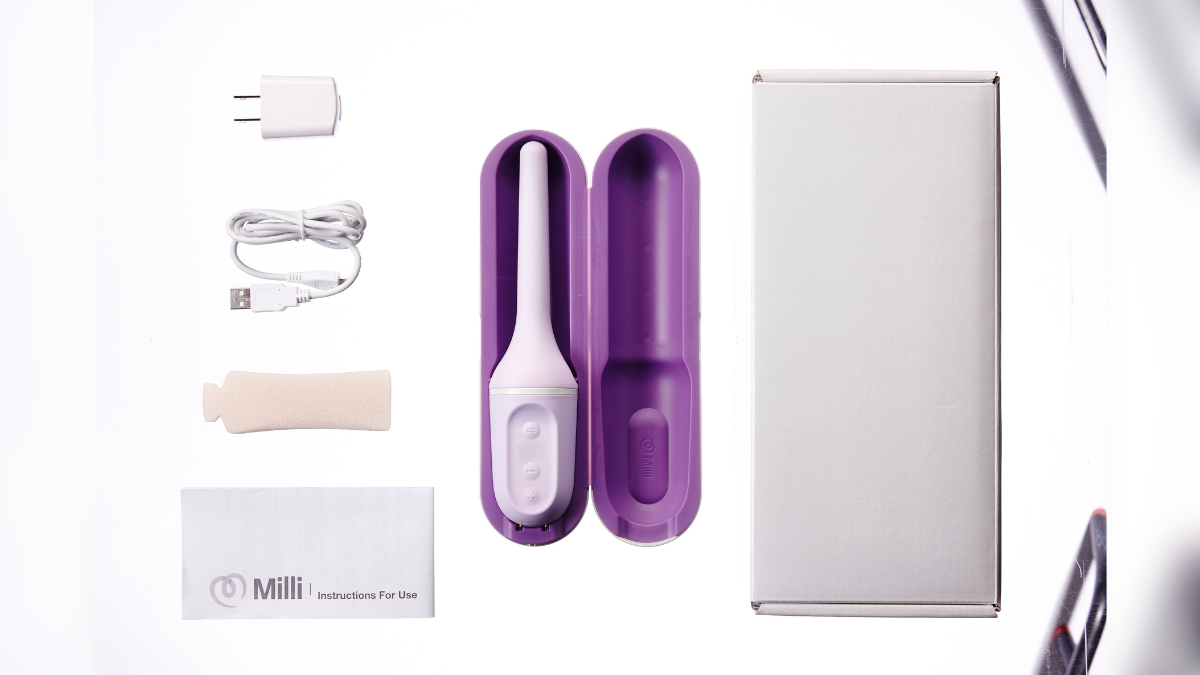
With that perspective in mind, Materna Medical developed the Milli Expanding Vaginal Dilator as an alternative to traditional static dilators, which have remained largely unchanged for decades. The device is designed to support women experiencing vaginal tightness from a variety of causes, including pelvic floor dysfunction, vaginismus, menopause-related changes, and other conditions that can make penetration uncomfortable or painful.
How Milli Works
The Milli dilator was precision-engineered to address pelvic floor muscle tightness by reducing physical and emotional stress through the therapy process so that treatment can be manageable, consistent, and achievable.
The Milli Expanding Vaginal Dilator was designed with therapy adherence in mind. In healthcare, adherence refers to a patient's ability and willingness to consistently follow a recommended treatment plan over time. Materna Medical developed the device with the goal of making dilator therapy more comfortable and approachable, which may help some patients remain engaged with treatment and complete their prescribed therapy regimen.
It features a 1mm expansion that can be controlled by the patient, so that they may use one tool to expand at their own pace. Research on traditional static dilator therapy has reported discontinuation rates of approximately 41% after three months and 57% after six months of use. Separately, Materna Medical reports that more than 85% of participants in a clinical study of Milli users remained adherent to the recommended therapy regimen at six months, while approximately 80% reported using the device one to four days per week.
Because these findings come from different studies and patient populations, they should not be interpreted as a direct comparison. However, the data highlight the broader challenge of maintaining long-term engagement with pelvic floor therapy and the ongoing interest in approaches designed to support adherence.
The device has patient-controlled expansion and adherence technology. It is more than comfort—built-in vibration is designed to support muscle relaxation during dilation, helping each session feel less stressful than the last.
Want OK! each day? Sign up here!
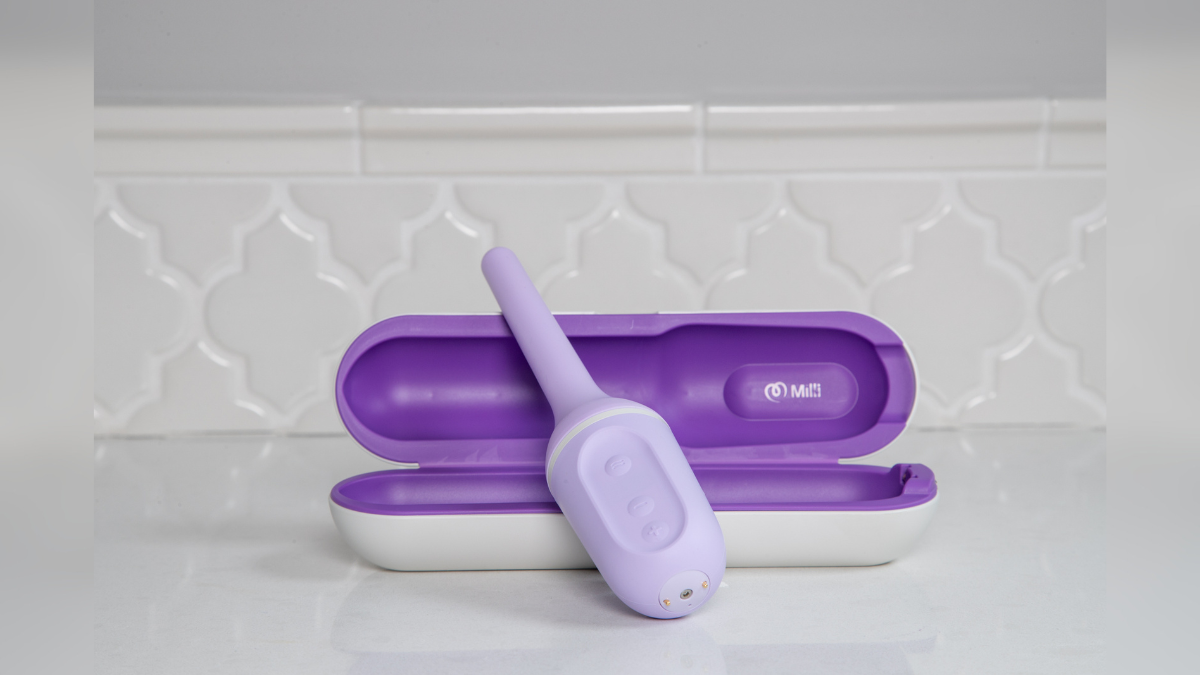
Designed for Her Experience
Materna Medical also emphasizes ease of use as a key component of successful therapy. According to the company, 97% of users in a clinical study found Milli easy to use at six months, while 87% said they would recommend the device to others. Among users who had previously tried static dilators, 54% reported purchasing Milli because they were unable to progress to larger sizes with their existing dilator set. These findings suggest that usability and gradual, patient-controlled progression may address some of the challenges women encounter with traditional dilator therapy.
Private and On Her Schedule
Not only are these features designed for comfort and reduced stress, but the Milli expandable dilator is also convenient for structured therapy at home, either independently or alongside a Pelvic PT. Because Milli is FDA-cleared for over-the-counter use, consumers can purchase the device directly without a prescription and begin treatment as soon as they receive it, rather than waiting for a clinical appointment.
This allows some patients to begin therapy immediately after diagnosis rather than waiting for access to specialized care. Milli can be used as a standalone therapy tool or as a complement to pelvic floor physical therapy. Materna Medical notes that this flexibility may be particularly important given research showing that only 29% of patients referred for pelvic floor physical therapy complete a full course of treatment. The device is also eligible for purchase using HSA and FSA funds, which may help improve access for some patients seeking pelvic floor therapy solutions.
The Team Behind Milli
Materna Medical is the parent company behind the Milli dilator, led by CEO and President Tracy MacNeal. Headquartered in Mountain View, California, Materna is comprised of MedTech experts in developing technologies that aim to address unmet needs in the OBGYN sector.
MacNeal is an engineer, earned her MBA from Duke, and has a background in MedTech commercialization. The leadership team also includes COO Kelly Ashfield, a medical device launch specialist with experience at C.R. Bard; Lisa Molloy, VP of Engineering, who has more than 25 years of experience in medical device development; and Joshua Freeman, VP of Clinical Affairs, who has spent 25 years focused on women's health clinical trials and has worked extensively with research programs affiliated with Dartmouth. Also among the company's leadership is Chief Medical Advisor Edward Evantash, MD, a board-certified OBGYN and former Medical Director at Hologic. Together, the team's expertise spans engineering, clinical research, product development, commercialization, and women's health care.
The Future of Milli and Materna
By focusing on women experiencing common but often under-discussed pelvic health concerns, Materna Medical aims to address an area of women's healthcare that has historically received limited attention and support. With the Milli expanding dilator, Materna Medical hopes to build a platform company that may transform the standard of care in women’s health, seeking to address unmet healthcare needs at every stage of life.
The vision is for the Milli expanding dilator to become the gold standard of at-home pelvic floor dilation therapy with a focus on deepening the integration with pelvic floor physical therapists, expanding access for Veterans at no cost to them, and spreading education to reduce stigma.
Currently, Materna Medical is advancing its second product, the Ellora System, which is designed to be a clinical-stage expanding obstetrical dilator for supporting women during labor, aiming to reduce pelvic floor injury during childbirth.