
 ENTERTAINMENT
Noah Kahan Makes Candid Eating Disorder Confession in Emotional Netflix Tour Doc: 'I Get So Hateful About My Body'

Noah Kahan revealed personal struggles in his Netflix documentary.

April 16 2026, Published 7:32 a.m. ET


Noah Kahan’s new Netflix documentary Out of Body follows him from his breakout moment to sold-out arenas, but what lingers most isn’t the music, it’s the vulnerability.
Kahan’s story — marked by candid admissions about body dysmorphia, disordered eating, and anxiety — fits into a broader shift in how artists are choosing to present themselves on screen.
From Performance to Confession

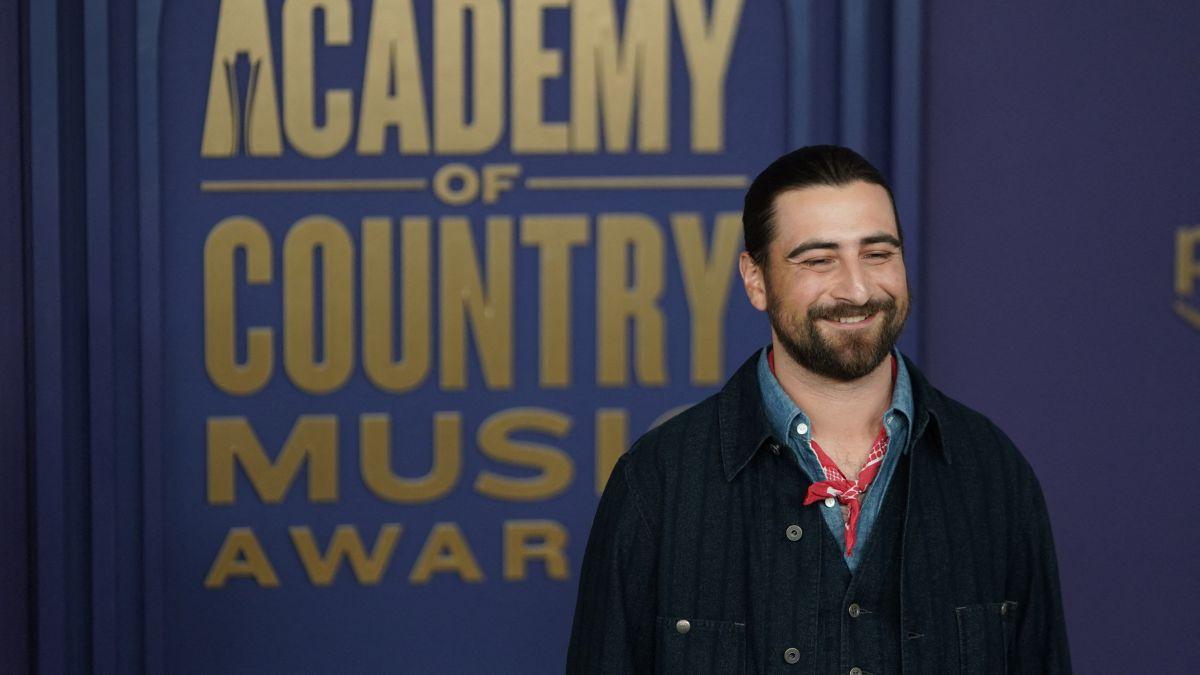
‘Out of Body’ traced his rise from viral fame to sold-out arenas.
In Out of Body, Kahan pulls back the curtain on his rapid rise following the viral social media success of his song, “Stick Season.” At one point, he admits, “I’ve always hated the way I looked… I binge eat a lot of food when I’m feeling stressed and then I get so hateful about my body… that I don’t eat for a while, starve myself.”
Later, he describes the disorienting nature of body dysmorphia: “Sometimes I see a photo and people are like you look great here, and I’m like what do you mean? I look like 3 or 400 pounds. I don’t know what I look like.”
The film also captures his anxiety around success itself. “Uh yeah, yes I do,” Kahan says when asked if he fears he’s already peaked. “All the time. That’s all I think about, really.”
The Psychological Cost of the Spotlight

Experts said sudden fame can intensify psychological pressure on artists.
According to psychotherapist Jonathan Alpert, author of the forthcoming book Therapy Nation, that shift reflects the reality of what artists experience behind the scenes.
“Sudden fame and nonstop touring can psychologically disorient even artists who seem grounded,” Alpert explains. “There’s very little room for the nervous system to fully come down. The body can start to live in a near-constant state of anticipation, pressure, and exhaustion.”
The warning signs, he says, are often subtle: difficulty sleeping, emotional flatness offstage, irritability, and tying self-worth too closely to audience response.
Those dynamics play out in Out of Body, whether Kahan’s critiquing his appearance or worrying that one bad show could trigger a loss of momentum.
“Tomorrow if I don't play a great show… what could that mean?” he says in the film. “That could mean that people… start to think it's boring and stale.”
Alpert points out that “when every night brings applause, commentary, clips, and online reaction, it becomes very easy for mood and confidence to rise and fall with the crowd.”
Want OK! each day? Sign up here!
Vulnerability vs. Healing
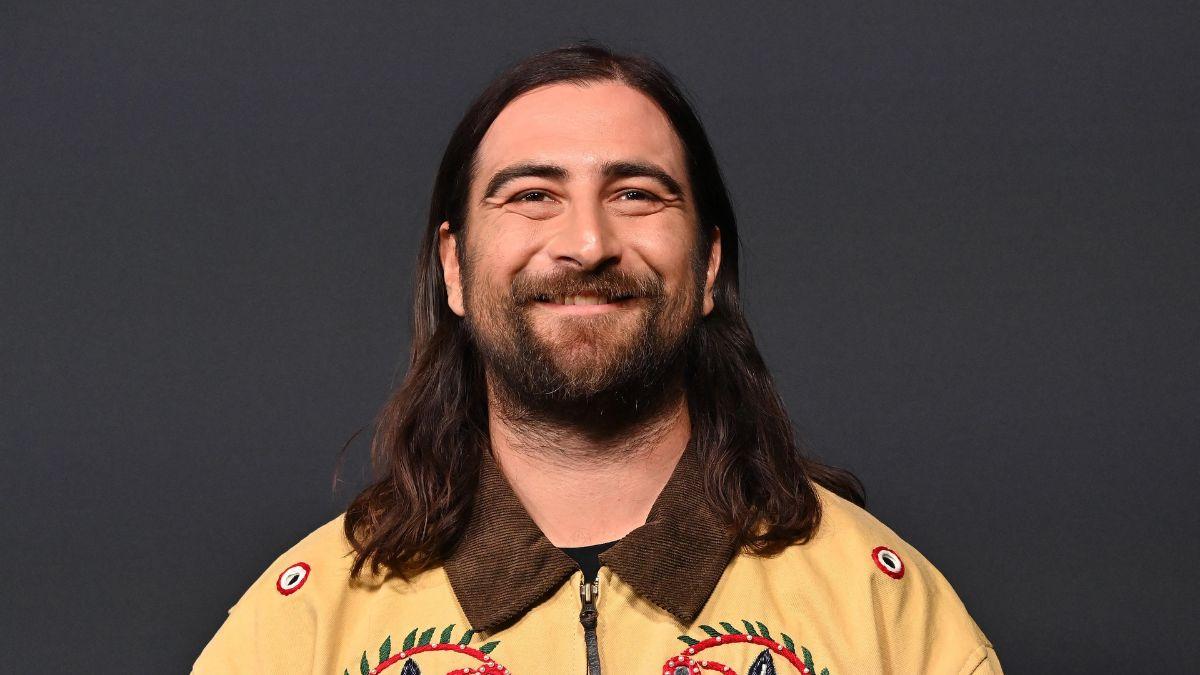
The film highlighted his admissions about anxiety and body image.
“As for what audiences see in these documentaries, vulnerability can be very real, but it’s important not to confuse openness with healing,” he says. “Letting people see your anxiety is not the same as actually working through it.”
Kahan himself acknowledges he’s not “curing” his struggles, but instead “walking near it and poking it with a stick.”
Why These Stories Keep Resonating
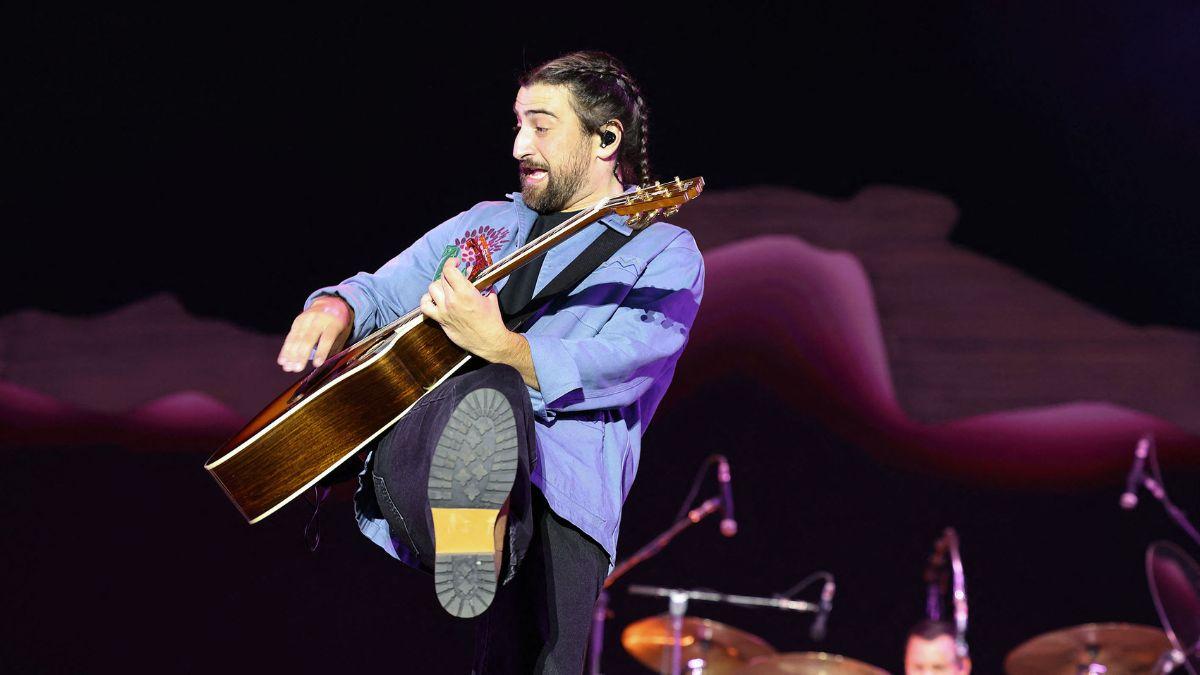
The documentary explored personal healing.
There’s a reason audiences are leaning into these narratives. In an era where celebrity feels increasingly curated, rawness reads as authenticity, even if it’s still filtered through a camera.
“Sometimes the camera captures real self-awareness, and sometimes it can become part of the performance itself,” Alpert says. “The more useful question is whether the artist has the support, boundaries, and perspective to handle the pressure in a way that builds resilience instead of slowly wearing them down.”