
 HEALTH
New Netflix Documentary 'The Plastic Detox' Sparks Fertility Panic, But Experts Urge Caution

A new Netflix documentary linked plastic exposure to fertility concerns.

March 26 2026, Published 7:24 p.m. ET


A new Netflix documentary is sending viewers down a rabbit hole of water bottles, food containers, and polyester clothes, raising a provocative question: could plastic be quietly sabotaging fertility?
The Plastic Detox follows couples struggling with unexplained infertility who attempt to strip plastic from their lives for 12 weeks. By the end, three of them conceive — a result that has fueled both fascination and anxiety online. But while the premise makes for compelling television, experts say the reality is far less definitive.
A Viral Experiment With Big Questions

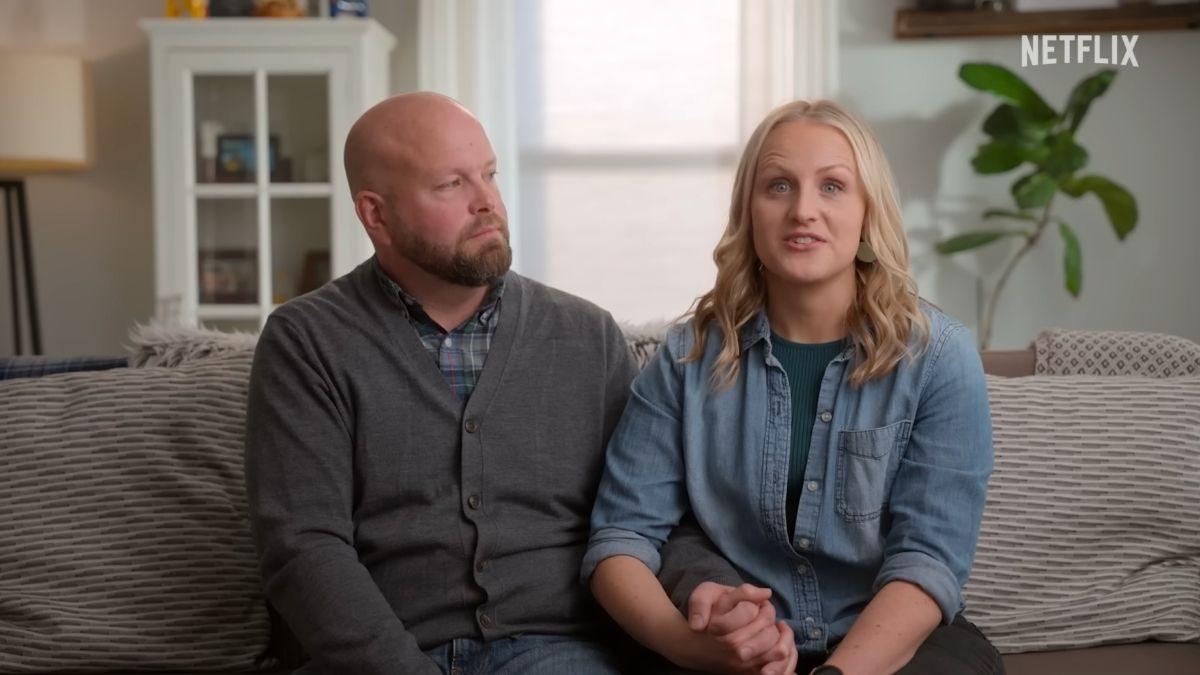
Scientists warned against jumping to conclusions from the experiment.
The documentary centers on reducing exposure to so-called “plasticizers,” including BPA and phthalates — chemicals found in everything from food packaging to cosmetics. Researchers tracked changes in the couples’ bodies during the experiment and reported “substantial declines” in these chemicals.
Still, scientists caution against drawing sweeping conclusions. The sample size is small, and fertility outcomes can be influenced by countless variables, from stress levels to overall lifestyle changes.
“There is no direct cause and effect of microplastics and female fertility,” says Dr. Sujatha Reddy, a board-certified OB/Gyn. “There are published articles suggesting a relationship between plastics and male fertility.”
That nuance hasn’t stopped the documentary from gaining traction, particularly as it taps into growing concerns about environmental toxins and reproductive health.
Why Plastic Is Under Scrutiny
Experts said hormone-disrupting chemicals remain under scientific review.
The concern isn’t entirely unfounded. BPA and phthalates are classified as endocrine-disrupting chemicals, meaning they can interfere with hormone function. Research has linked them to a range of health issues, including potential impacts on egg and sperm health.
At the same time, regulatory bodies in the U.S. maintain that these chemicals are safe at current exposure levels, highlighting a divide between emerging research and official policy.
The documentary leans into that tension, pointing out how widespread plastic exposure has become, appearing in everything from clothing to air particles, while also acknowledging that completely eliminating it is nearly impossible.
- 'Virgin River' Star Alexandra Breckenridge Had 'No Idea' Hit Netflix Series Would Last Longer Than 1 Season: 'I've Been Pleasantly Surprised'
- Donald Trump's FCC Push Sparks Free Speech Showdown as Hollywood and Media Tensions Spill Into Entertainment
- Prince Harry and Meghan Markle's Marriage 'Now Characterized by Bust-Ups, Separations, Boredom, Frustration and Money Worries'
Want OK! each day? Sign up here!
What Experts Actually Recommend

Physicians recommended reducing plastic use without panic.
Rather than panic, physicians emphasize practical, measured changes.
“More research needs to be done, but limiting exposure makes sense,” Dr. Reddy notes. “Avoid using plastic in the microwave, limit plastic water bottles, avoid disposable cups, and use a HEPA filter in your home.”
Those steps align with broader guidance from researchers featured in the documentary, who suggest reducing, but not obsessing over, plastic use.
Importantly, fertility is influenced by a wide range of factors beyond environmental exposure, including sleep, diet, exercise, and stress.
The Line Between Awareness and Alarm
The documentary highlighted how everyday environments affect health.
If anything, The Plastic Detox underscores a larger cultural shift: a growing desire to understand how everyday environments affect long-term health. But experts warn against turning that curiosity into fear.
The takeaway isn’t that plastic is solely responsible for infertility, or that eliminating it guarantees pregnancy. Instead, the film highlights an emerging area of research still in its early stages.