
 NEWS
NEWSDonald Trump Faces Intense Pressure as Iran War Hits Americans at the Pump With Rising Gas Prices

Gas prices surged across the United States as the conflict with Iran disrupted global oil markets.

March 12 2026, Published 11:28 p.m. ET


As the U.S. war with Iran begins to ripple through global energy markets, Americans are seeing the effects where it often matters most: the gas pump. National average gasoline prices have climbed sharply in recent days, a trend President Donald Trump has dismissed as a temporary “glitch.”
Speaking to ABC News earlier this week, Trump characterized the rising costs as a short-term side effect of the conflict. “I think it’s fine. It’s a little glitch. We had to take this detour,” he said, while arguing that higher oil prices would drop once the geopolitical situation stabilizes.
Gas Prices Jump as Oil Surges

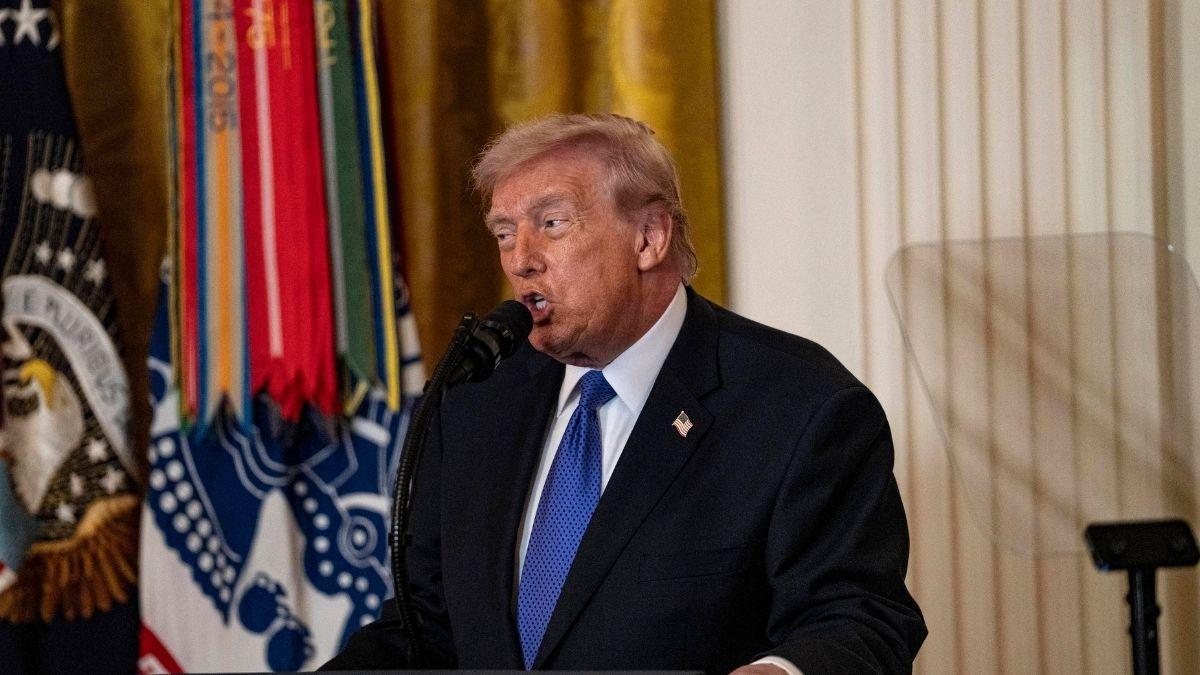
Donald Trump described the rising costs as a temporary 'glitch.'
Since the conflict escalated, oil markets have reacted quickly. U.S. crude prices briefly surged past $100 per barrel — the first time since Russia’s invasion of Ukraine in 2022 — while gasoline prices have jumped more than 50 cents in just over a week.
According to AAA, the national average price for regular unleaded gasoline on Wednesday, March 11, climbed to around $3.58 per gallon, up from $3.20 one week ago and $2.94 a year ago.
Much of the volatility stems from disruptions in the Strait of Hormuz, one of the world’s most critical shipping routes for oil. More than 20 million barrels of oil typically pass through the narrow waterway each day, supplying global markets. With threats to tanker traffic and reports of mines in the area, many vessels and insurers are avoiding the region.
Why Prices Rise So Quickly
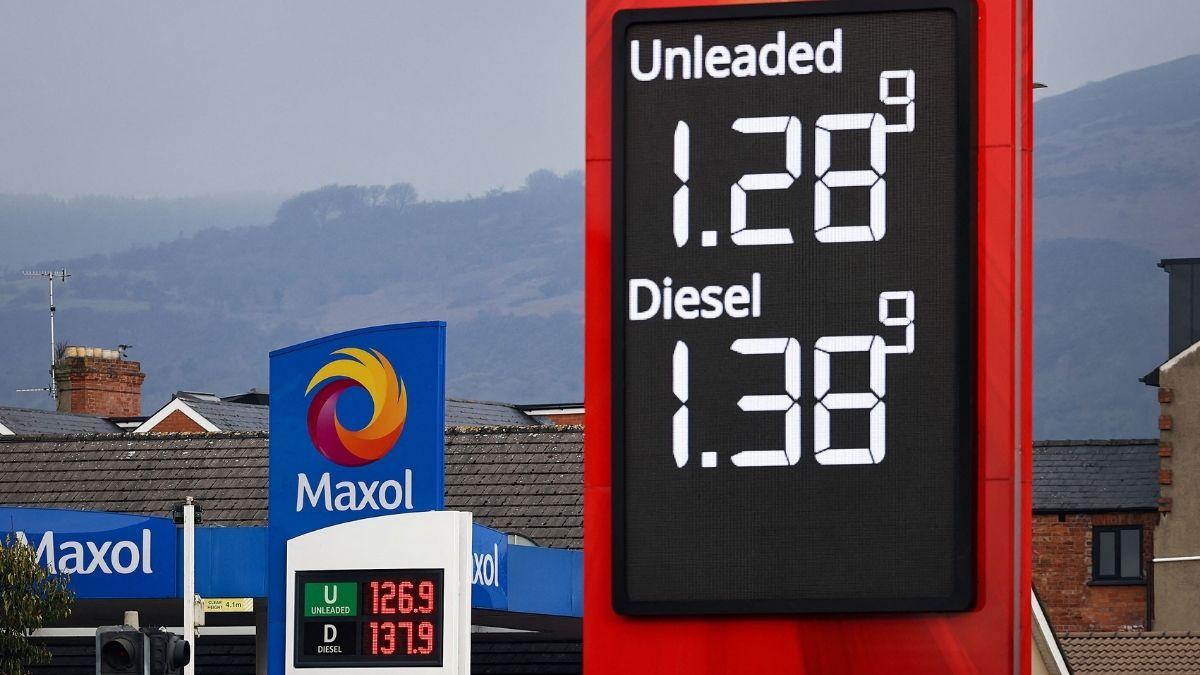
U.S. crude prices briefly climbed above $100 per barrel.
Energy economists say gasoline prices often respond rapidly to rising oil costs but remain slow to fall — a dynamic sometimes described as “rockets and feathers.”
“The passthrough from higher oil prices to higher prices at the pump is quick and direct,” said Alex Jacquez, Chief of Policy and Advocacy at Groundwork Collaborative and a former White House National Economic Council official. "We've already seen gas prices jump more than 50 cents in just over a week as oil prices climb higher, and without an end to the war in sight, they're likely to go higher. We call the gas price phenomenon 'rockets and feathers.' They're quick to shoot up when oil prices rise, but slow to fall after oil prices drop."
- What Are 'Trump Accounts'? Inside the $1,000 Baby Fund Everyone's Talking About
- Jimmy Kimmel and Seth Meyers Torch 'Petty' Donald Trump Over Robert Mueller Death Comments: 'So Deeply Childish'
- Whoopi Goldberg Disses 'Needy' Donald Trump as the 'Most Snowflakiest President I've Ever Seen' After He's Given Inaugural 'America First Award'
Want OK! each day? Sign up here!
The Strait of Hormuz Factor
Energy economists said gasoline prices tend to rise quickly but fall slowly.
The biggest wildcard in the current price surge is the Strait of Hormuz itself.
“The only thing to watch right now is passings through the Strait of Hormuz,” Jacquez shared. “No matter if Trump says the war is ending or that it's safe for tankers to travel, if Iran continues to threaten ships passing through the Strait, oil prices will continue to climb.”
Reports that Iran may be mining the waterway have heightened fears that the disruption could persist.
“All indications, including the reporting that Iran is mining the Strait, is that the Strait will remain closed for the foreseeable future,” he continued.
Political Stakes at the Pump
Rising fuel costs became a major political concern ahead of the 2026 midterm elections.
Gasoline prices have long been one of the most politically sensitive economic indicators. With the 2026 midterm elections approaching, rising fuel costs could shape voter perceptions about inflation and the broader economy.
“Gas prices are highly visible, salient prices that consumers use to set their inflation expectations,” Jacquez pointed out.
Polling already suggests voters are paying attention.
“Trump knows that high gas prices will be devastating for Republicans in the midterms,” he claimed. “Our poll shows 87 percent of voters are concerned that Trump’s war in Iran will raise prices — and they're right. Trump promised 'no more wars' and to put America first, but instead of lowering utility bills, grocery prices, and health care costs here at home, he's dragging the U.S. into another costly foreign war.”