 NEWS
Shake Shack Customer Chooses 'No Tip' on a $18.46 Order. His Jaw Drops When He Sees the Total: 'Highly Illegal'

A customer shared a video of a Shake Shack kiosk displaying an apparent price change after he selected 'No Tip.'

Oct. 22 2026, Updated 7:15 a.m. ET


A Shake Shack customer was left questioning his bill after selecting "No Tip" at a self-service kiosk.
The total for his $18.46 order appeared to increase, making the situation seem super confusing and leading viewers to comment on it as "highly illegal" in a viral TikTok video.
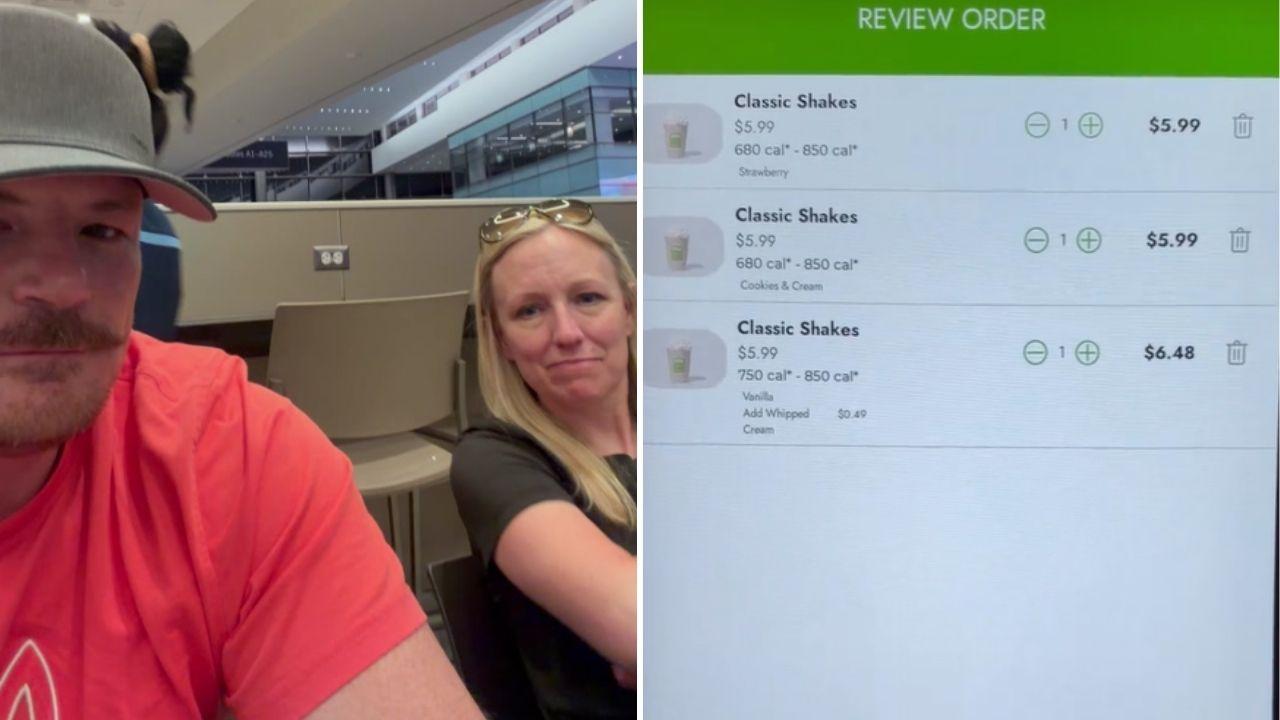
The clip, shared by B.D. Powell, showed him and his wife ordering three Classic Shakes at an airport location. Their order included vanilla, strawberry, and cookies and cream shakes, with an extra 49 cents for whipped cream.
At the time of publication, the video had received 5.1 million views and 13.4k comments.

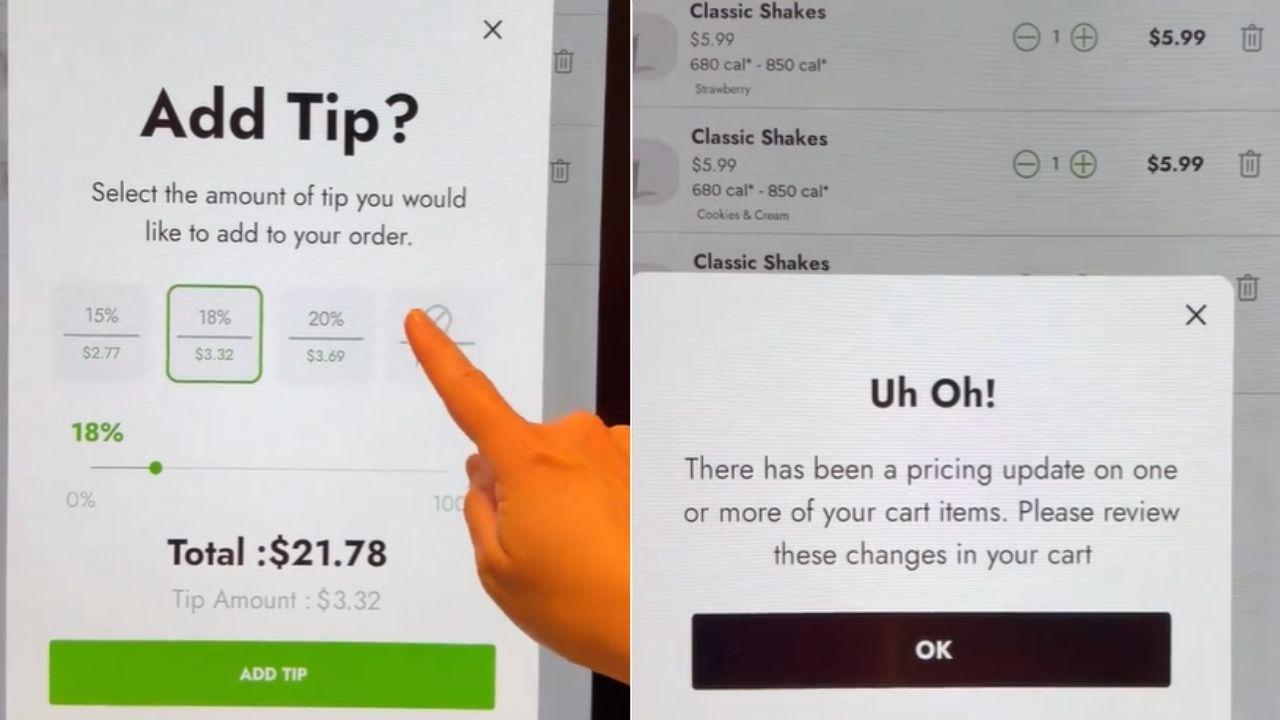
B.D. Powell shared a video showing an apparent 50 cents rise in each price increase on the Shake Shack kiosk after he selected the no-tip option.
When the couple reached the payment screen, they were asked to leave a tip.
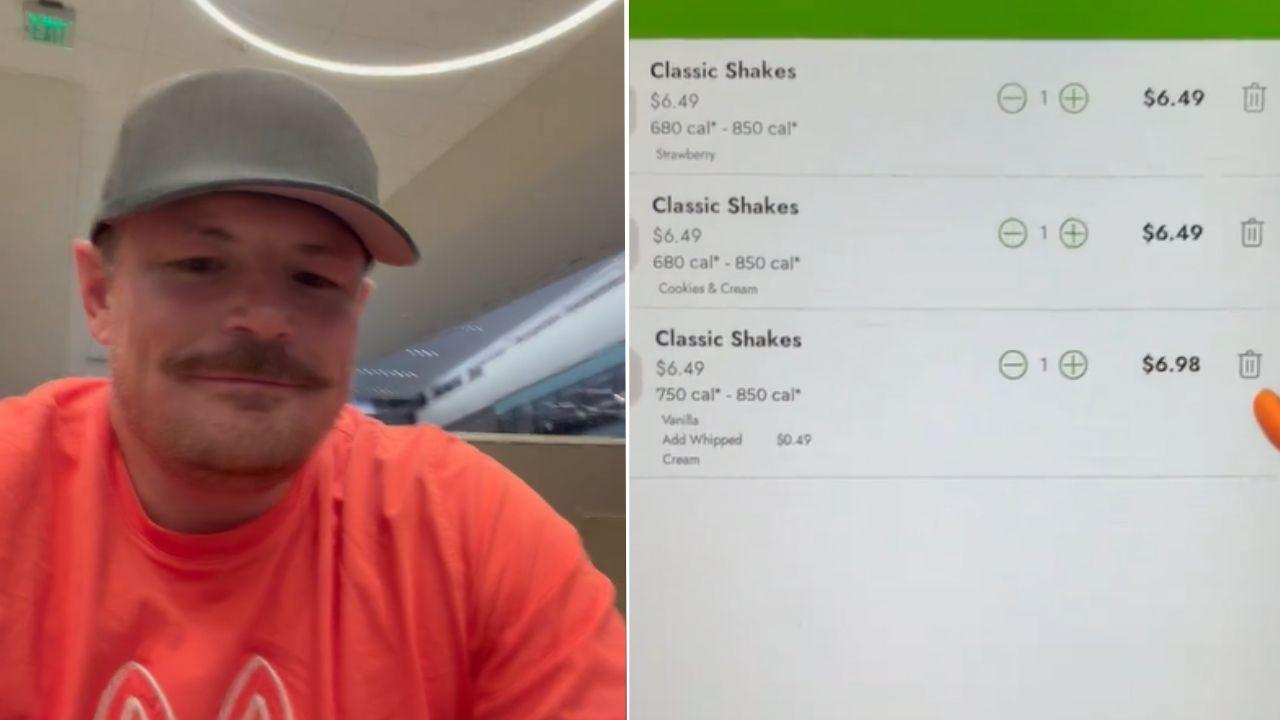
After Powell selected the no-tip option, the kiosk displayed an error message about a pricing update. The prices shown in the cart then appeared to rise by roughly 50 cents each.
Powell urged viewers to avoid the restaurant, suggesting that customers who declined to tip were charged more.
Soon, the video gained widespread traction online, with users calling it a "no-tip surcharge" while others said, "tipping culture has gotten out of hand."
Shake Shack Responds To Viral Tipping Allegations
Shake Shack responded to the viral video and said it was investigating the issue with its airport licensee.
Shake Shack also addressed the video. In a response posted to TikTok, the company clarified its position.
"Thank you for bringing this to our attention. This is not a Shake Shack policy, and we're currently looking into it with our licensee, HMSHost, that operates the Salt Lake City airport location and kiosk system," the comment read.
Some social media users shared blunt reactions to the incident.
"Exactly who are we tipping if we’re ordering ourselves," a viewer said
"This also makes it abundantly clear the tips are NOT going to the employees," a user said
"I don't tip unless im being served in a restaurant. Not on takeout," a user wrote.
- A TikTok Couple's Heated Tip Debate Sparks Discussion on Who Should Pay Restaurant Workers a Living Wage
- The Salty Dawg Tavern in Orange, California, Posted a Receipt Showing a $375.24 Bill and a $25 Tip. Then the Post Backfired, and Reddit Users Say It Was Deleted About 6 Hours Later
- Katherine Heigl Shares Wedding Tips She Learned From Her New Movie 'The Big Wedding'
Want OK! each day? Sign up here!
Study Shows More Americans Are Experiencing Tipping Fatigue
A study found that more American consumers reported experiencing tipping fatigue in 2026.
The controversy comes as more Americans express frustration with tipping.
According to an annual study by Popmenu, 78% of American consumers experienced "tipping fatigue," up from 65% in 2025, 60% in 2024, and 53% in 2023.
The study also found that 44% of consumers reported tipping less than they did the previous year.
Meanwhile, 42% said they were becoming more comfortable skipping tips for certain services.
Although 59% still felt compelled to tip when prompted on a digital screen, that figure fell from 66% in 2025. The share of consumers tipping at fast-food restaurants also declined, dropping from 27% to 22%.
Consumers estimated that they spent about $130 over the previous 12 months on tips they did not believe were necessary.
Questions Remain Over Self-Service Kiosk Tips
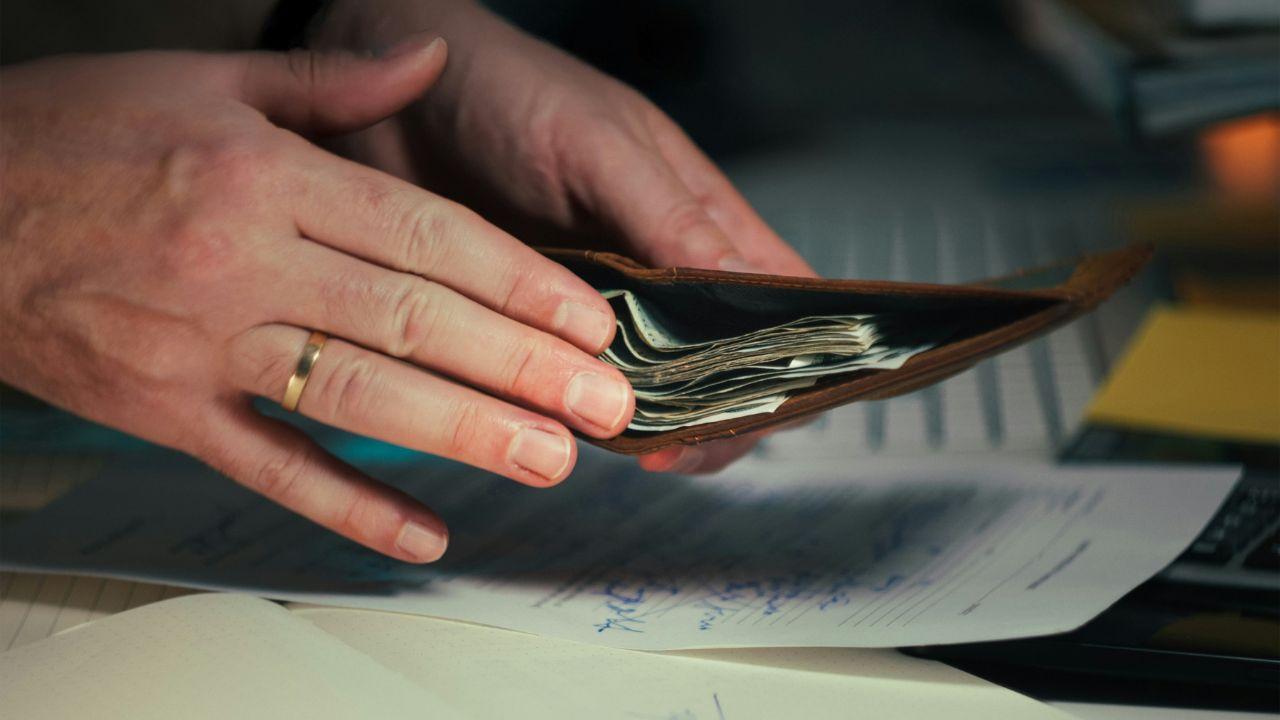
Tips collected through digital kiosks are often shared among on-duty employees, though customers may not know how the money is distributed.
Digital tipping prompts have also raised questions about who receives the money.
Tips are generally intended for on-duty employees and may be pooled among staff, but customers may not always know how the funds are distributed.
Many fast-food workers are covered by federal minimum-wage protections.
Under federal law, covered non-exempt employees are generally entitled to at least $7.25 per hour. For workers who rely heavily on tips, declining gratuities can affect their earnings, particularly if customers are already tipping less.