
 NEWS
NEWSStephen Colbert's Iran War Joke Sparks Fox News Backlash: 'It's Shameful'

Stephen Colbert mocked the president’s Iran address during his monologue.

April 7 2026, Published 6:48 a.m. ET


Stephen Colbert’s April 1 monologue landed exactly how late-night is designed to: quick, sharp, and instantly viral. Within hours, the joke had jumped from comedy to cable news outrage.
The Late Show host’s jab at President Donald Trump’s Iran war address triggered a fierce response from Fox News and underscored how comedy and political coverage are now deeply intertwined.
The Joke That Sparked It All

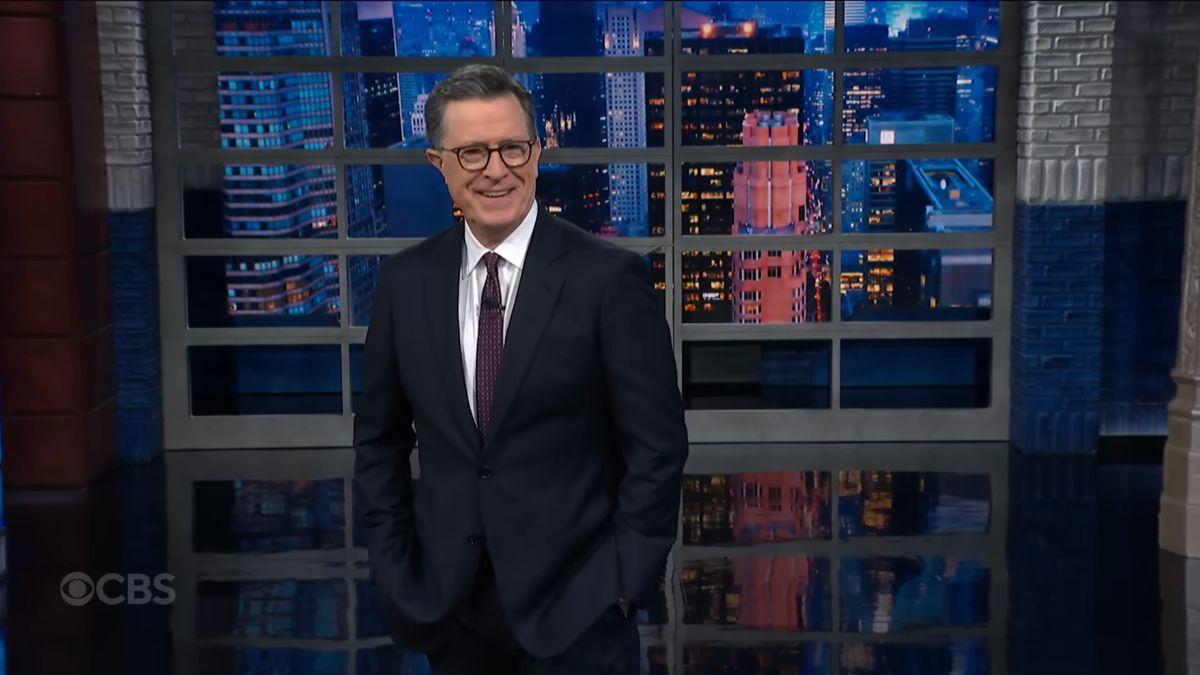
The late-night host joke about Donald Trump's Iran address calling it an April Fool's.
Colbert took aim at Trump’s primetime speech about the ongoing Iran war, opening with what sounded like rare praise.
“It was concise, intelligent, and brought the nation together with shared purpose,” he said, before delivering the punchline: “April Fool’s!”
The audience erupted, but the joke became the latest flashpoint in the ongoing clash between late-night hosts and conservative media.
Fox News Fires Back
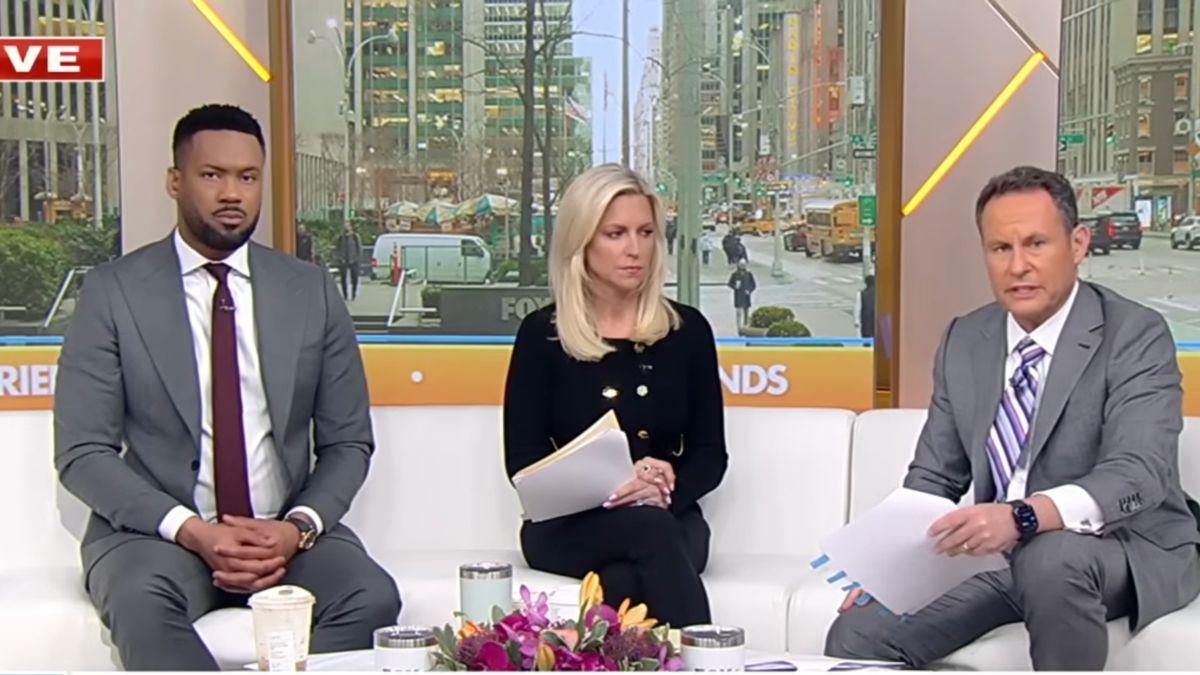
Fox News hosts criticized the late-night joke.
On Fox & Friends, host Lawrence Jones sharply criticized Colbert’s remarks, accusing him of undermining the country during a time of conflict.
“Rooting against the country,” Jones said. “I think it’s shameful right now.”
Former Trump press secretary Kayleigh McEnany echoed the sentiment, arguing that Trump had “earned the credibility” based on past military actions.
The Feedback Loop Driving the Story
- How Donald Trump's Attacks Against Late-Night TV Fuel a Comedy-Driven News Cycle
- Jimmy Kimmel Bashes 'Shameful' Donald Trump for Wearing Baseball Cap During Tribute to Fallen Troops: 'God Forbid He Just Do It Respectfully'
- Why Donald Trump's Feud Against Late-Night Keeps Going Viral: Inside His Clash With Stephen Colbert
Want OK! each day? Sign up here!
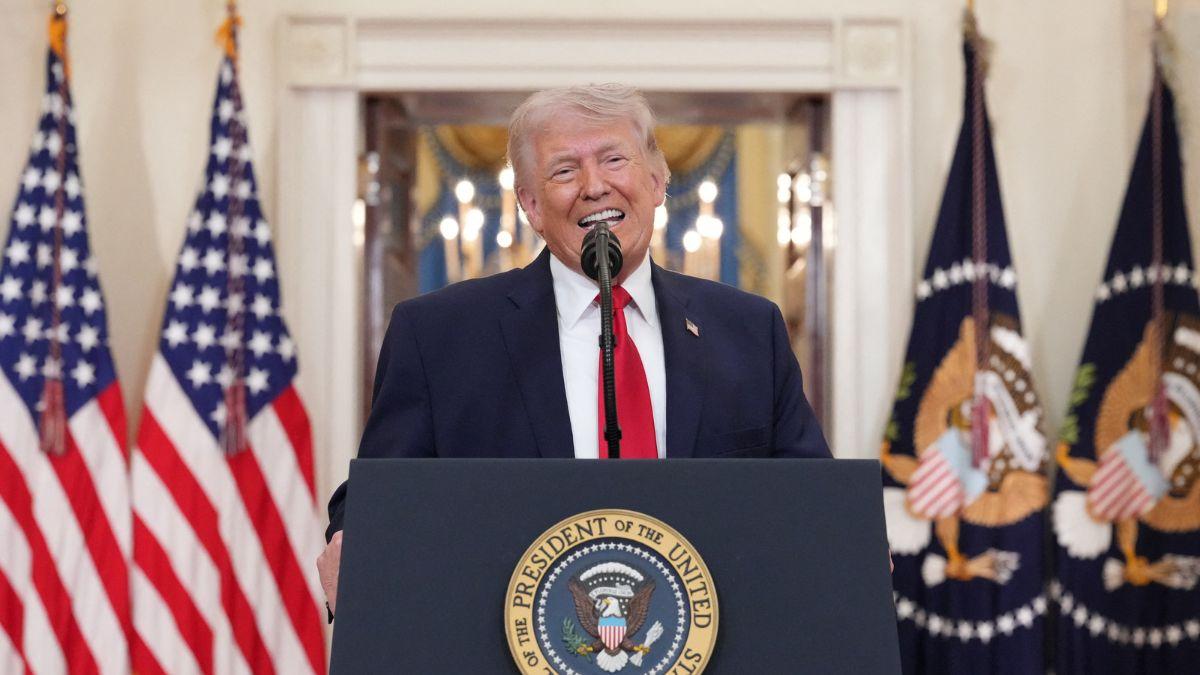
The clip spread quickly across social media platforms.
“What we’re seeing right now is a feedback loop between late-night shows and cable news that’s almost designed to keep the story alive longer than it normally would,” said Amore Philip, founder of Apples & Oranges Public Relations.
“A monologue happens, a clip goes viral, cable news reacts to the clip, and then that reaction becomes another clip,” she explained.
Because late-night segments are “short, punchy, opinion-driven,” they’re “highly ‘clip-able’,” she said, making them ideal fuel for this cycle.
Why Comedy Hits Differently Now
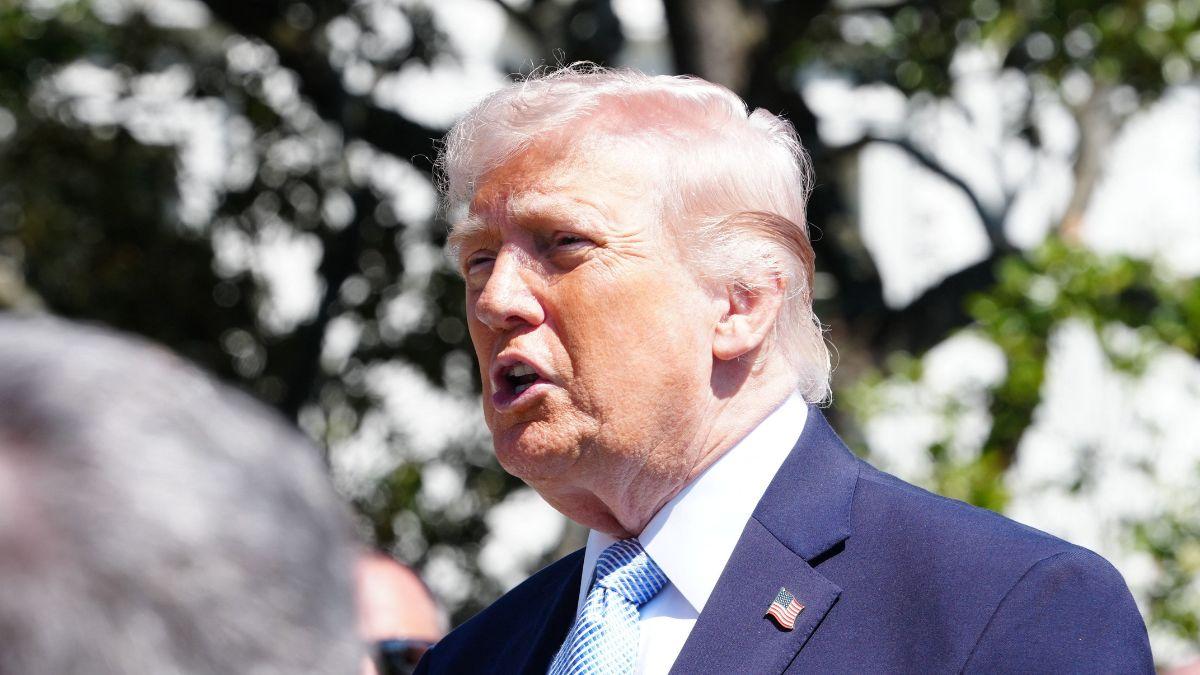
The debate expanded beyond comedy into politics.
“For a lot of people, late-night shows are part of how they stay informed,” Philip said of the blurred line between comedy from political commentary. “The humor makes it more digestible, but the message still lands.”
Samantha Karlin, founder and CEO of leadership development firm Empower Global, points out that humor plays an important psychological role during heavy news cycles.
“People want to be informed but watching the news on end depresses people because ‘if it bleeds, it leads’,” she said, noting that comedy can “decrease tension” and make difficult topics easier to process.
“Between the war in Iran, a poor job market, AI spinning everywhere at warp speed, and horrific ICE raids with inhumane holding conditions, it is difficult to stay informed and also stay motivated to ‘do life’,” Karlin added.
By contrast, she said late-night comedians “bring levity to dark situations while still providing regular news updates and analysis.”
When Punchlines Become Politics
The result is a media environment where a single joke can become a broader cultural debate. Cable news criticism doesn’t diminish the reach of late-night, it amplifies it.
“Whether they’re criticizing or defending, they’re still extending the reach of the original message,” Philip said. “It’s less about who’s right or wrong, and more about how content moves. The most effective voices right now are the ones who can create moments that travel and late-night hosts have mastered that.”