 ENTERTAINMENT
Val Kilmer's Controversial AI Resurrection Sparks Hollywood Debate

A new film using generative AI to recreate Val Kilmer is raising questions about consent, legacy and the future of performance.

March 20 2026, Published 3:47 p.m. ET


Val Kilmer is set to appear in a new film more than a year after his death, but not in the way audiences might expect. Through the use of generative artificial intelligence, the late actor will take on a “significant” role in As Deep as the Grave, marking one of the most high-profile posthumous performances enabled by the technology.

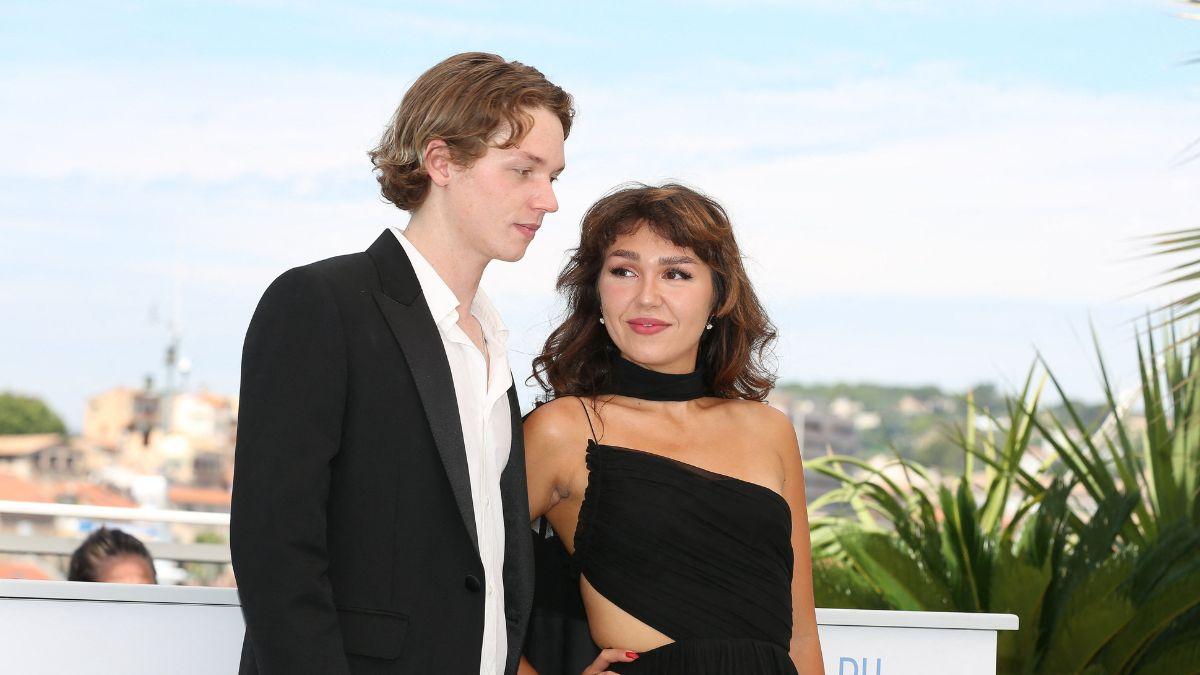
His estate and family approved the digital recreation project.
The project, created with the support of Kilmer’s estate and family, is already stirring conversation across Hollywood about where innovation ends and ethical ambiguity begins.
Recreating a Performance That Never Happened
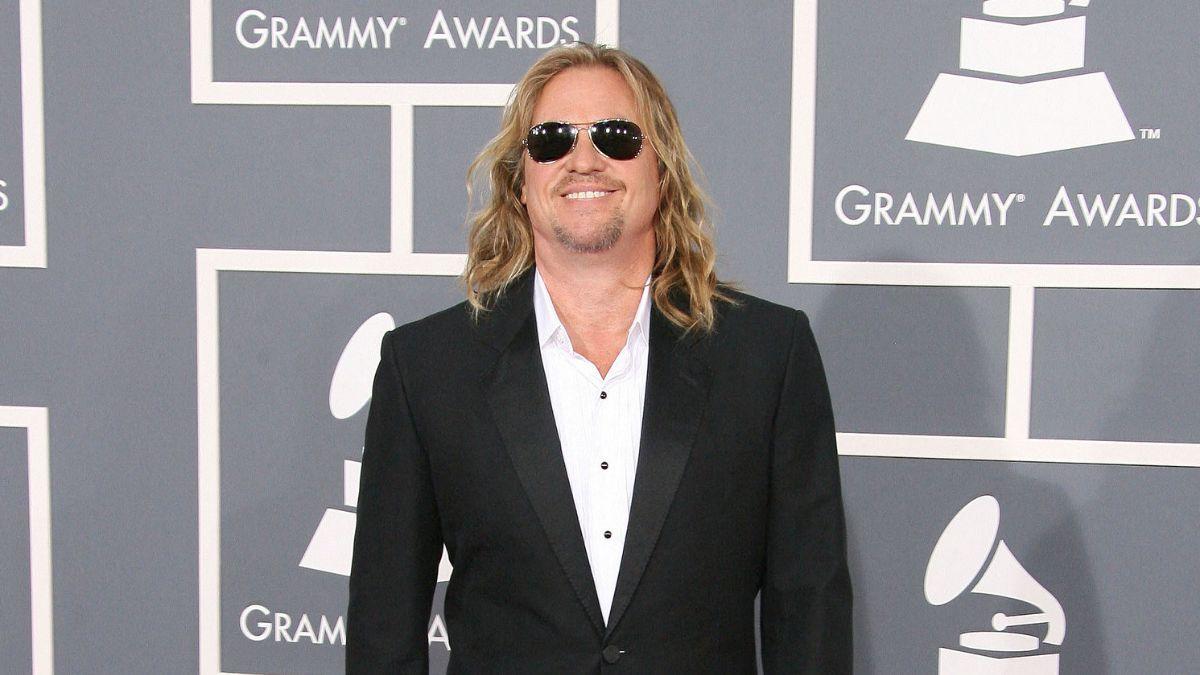
Filmmakers rebuilt his performance from archival footage.
Kilmer had originally been cast as Father Fintan, a Catholic priest and Native American spiritualist, years before his death in 2025. But due to complications from throat cancer, he was unable to film any scenes.
Rather than recast the role, director Coerte Voorhees turned to AI. Using archival footage, images provided by Kilmer’s family, and voice technology that echoes tools Kilmer himself used later in life, the production reconstructed his performance.
“He was the actor I wanted to play this role,” Voorhees told Variety, explaining that the character was “very much designed around him.”
The decision was made with the backing of Kilmer’s children, Mercedes and Jack, and the estate, which is being compensated. Mercedes Kilmer told the outlet her father “always looked at emerging technologies with optimism as a tool to expand the possibilities of storytelling.”
Want OK! each day? Sign up here!
Consent, Contracts and Control
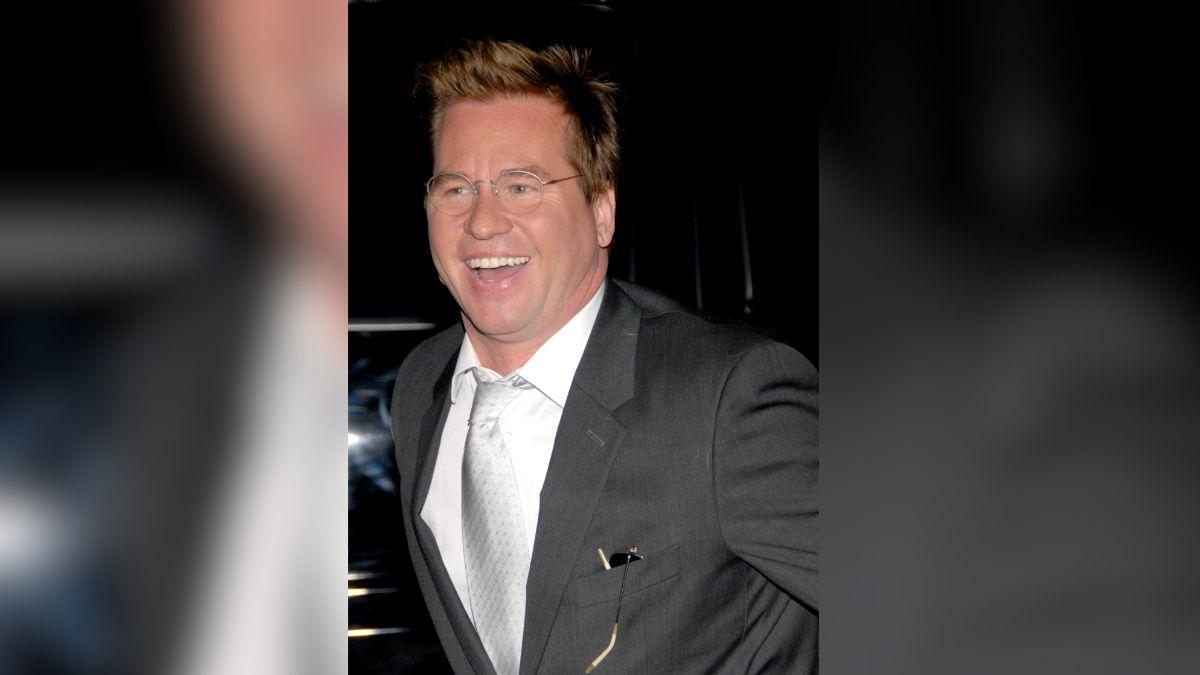
Legal experts warned of new consent concerns in Hollywood.
As AI-generated performances become more common, legal frameworks are evolving alongside them. According to Haynes Boone Intellectual Property Litigation Partner Joe Lawlor, the right to use a celebrity’s likeness doesn’t disappear after death, and it can remain protected for decades.
“States, including California and New York, have laws that permit celebrities to control their publicity rights for several decades after death,” Joe explains, allowing their estates to continue monetizing those rights. But celebrities can also license or sell those rights while they’re alive, so “any film production that seeks to use a dead actor’s likeness must first identify the proper person or entity who has the legal ownership of those rights and the ability to license them — it may not always be the celebrity’s heirs.”
Joe notes that actors are increasingly placing restrictions on how their likeness can be used posthumously, often outlining those limits in licensing agreements.
“For example, a vocally anti-war actress may permit the AI-generated use of her likeness but prohibit any use in contexts that glorify war,” he says.
Hollywood’s AI Crossroads
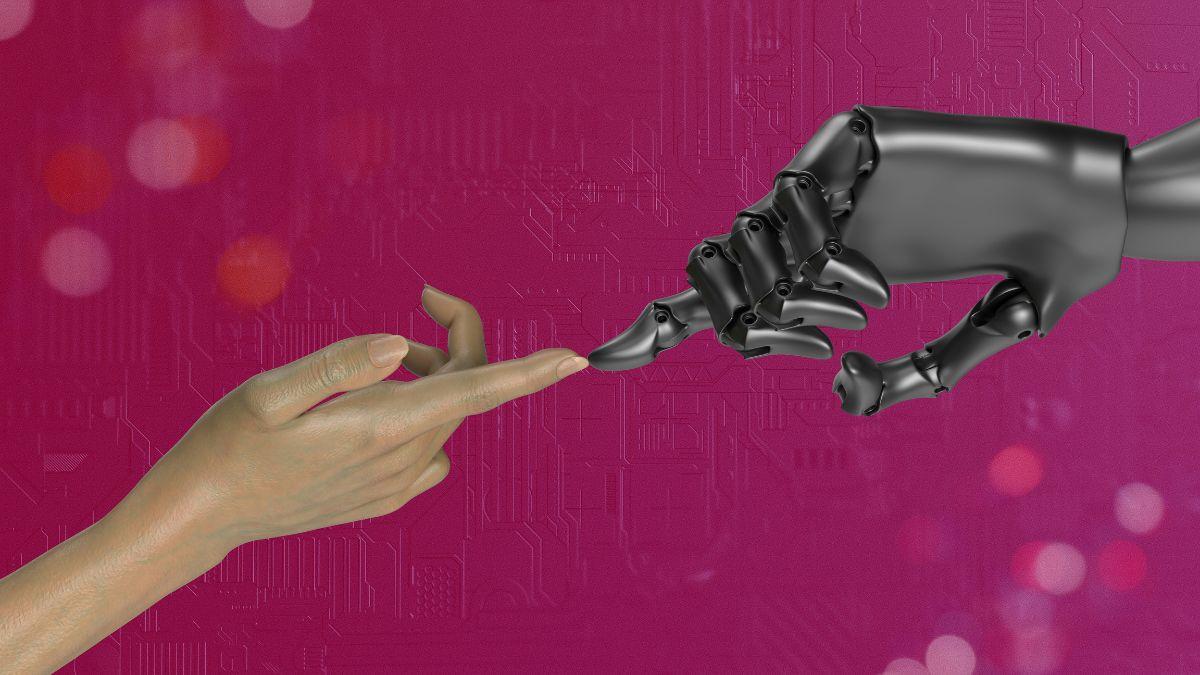
The project reignited debate over AI and legacy.
SAG-AFTRA has said that consent — either from the performer before death or from an authorized representative after — is essential for digital replicas.
Filmmakers behind As Deep as the Grave say they followed union guidelines and hope the film demonstrates how AI can be used responsibly.
Still, the broader debate is far from settled. AI-generated actors, synthetic voices, and digital performances are becoming more sophisticated, raising concerns about job displacement and creative authenticity.
“There are serious moral considerations in connection with creating photorealistic AI versions of actors doing and saying things they’ve never actually done or said,” Joer says. Even when rights are secured, studios risk backlash if families or audiences feel a performance crosses a line.
“While an estate or other entity may control the publicity rights, the actor’s children, for example, may publicly and vocally disagree with that use and create very negative publicity,” Joe says. “To avoid this, film studios should seek buy-in from surviving heirs when possible.”