
 NEWS
NEWSA Viral Trend Making Fun of AI-Generated Age Progressions Has Spread Online. Now Missing-Persons Advocates Say Consumer AI Images Could Mislead the Public About What Missing People Look Like

AI-generated age-progression images raised questions about how accurately they represented missing people years after their disappearance.

Oct. 16 2026, Updated 5:08 a.m. ET


A viral trend mocking AI-generated age-progressions has raised concerns among missing-persons advocates, who warn that consumer AI images could mislead the public about what missing people look like today.
Age-progression images have long helped investigators and the public picture how missing children might look as adults.
However, as social media users share AI-generated predictions that give people model-like features, questions are emerging about how accurately these images reflect real-life appearances.
Viral Trend Sparks Questions About AI Age Progressions

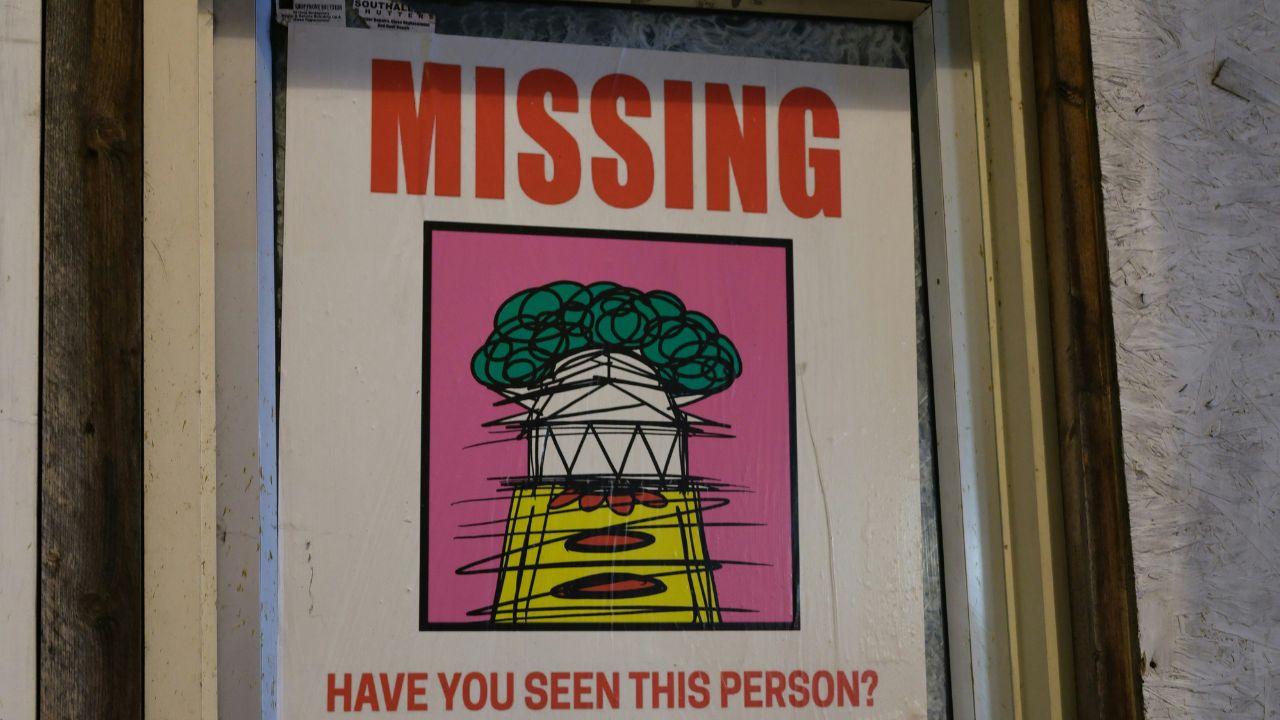
Social media users have compared the AI-generated age progressions that gave people polished features and model-like appearances.
Social media users have been comparing AI-generated age progressions with their actual adult appearances, often joking about the results.
Some images feature sharper jawlines and polished looks that differ from how people look in real life.
The trend has also prompted jokes about missing-person posters and the challenges of recognizing someone years after they disappeared.
One user connected the trend to missing-person notices while sharing a comparison of an AI prediction and the person's actual appearance.
"That’s why nobody finds the missing people [on] the milk carton," the user said.
"Here’s the explanation for never meeting someone who’s lost," a user shared, reacting to the trend.
Another commented, "My cousin uses so many filters on her photos that I pray to G-- she never disappears and has to rely on those pics to be found."
Missing-Persons Advocates Explain How Age Progressions Work
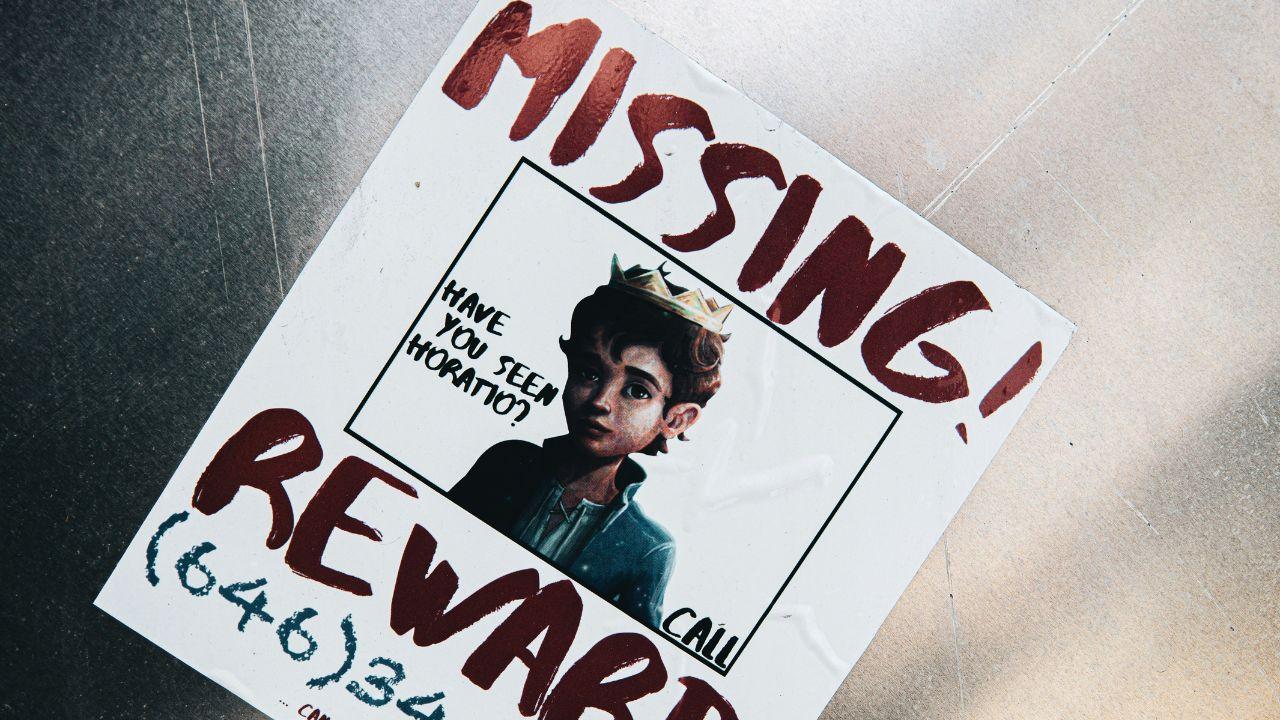
Forensic age-progression images offered estimates of how missing people might look as they grew older.
Missing In America Network, a nonprofit that supports families of missing children and adults nationwide, informed Bored Panda that traditional age-progression images rely on forensic artists rather than simple AI predictions.
The organization explained that these specialists examine photographs, family characteristics, and natural changes associated with aging.
The National Center for Missing & Exploited Children (NCMEC) also has specialists who create age-progressed images to help investigators and the public identify missing people.
Want OK! each day? Sign up here!

Traditional age-progression images helped investigators and the public visualize how missing children might look as adults.
Such images can be especially useful when a child has been missing for years. A photograph of an 8-year-old, for example, may not offer any help when searching for that person at age 25.
However, the nonprofit explained that these images were not definitive representations of a person's future appearance.
"It is an educated approximation based on the information available," the organization said.
Missing In America Network Warns Against Relying On AI Images

Missing In America Network warned that AI-generated images could mislead the public about a missing person's current appearance.
The nonprofit also noted that age-progression images cannot account for every change in a person's appearance.
"Our concern is that someone might encounter a missing person and dismiss the possibility simply because that individual doesn’t look exactly like the age-progression image they’ve seen," the organization said.
The network also offered guidance for anyone who suspected they had recognized someone.
"Most importantly, if you believe you have encountered a missing person, report that information to law enforcement rather than deciding for yourself whether the person is a match," the organisation added.