
 Politics
Why Donald Trump's Late-Night Social Media Posts May Be Intentional

Donald Trump’s 2 a.m. posts dominate early news cycles.

April 23 2026, Published 8:20 a.m. ET


President Donald Trump’s latest burst of overnight social media activity has once again blurred the line between politics and spectacle, with a string of late-night posts dominating headlines before most Americans even wake up.
In a series of Truth Social posts published in the early hours of April 21, Trump lashed out at news organizations covering the ongoing war with Iran, calling CNN and other outlets “LOSERS” while insisting he is “winning a War, BY A LOT.” The posts revisited his description of military strikes on Iranian nuclear sites as a “complete and total obliteration,” despite reports indicating that key elements of Iran’s nuclear infrastructure remain intact.
The timing of the posts quickly became part of the conversation, as news coverage and social media reaction zeroed in on the now-familiar pattern of overnight messaging.
The Psychology Behind the Pattern

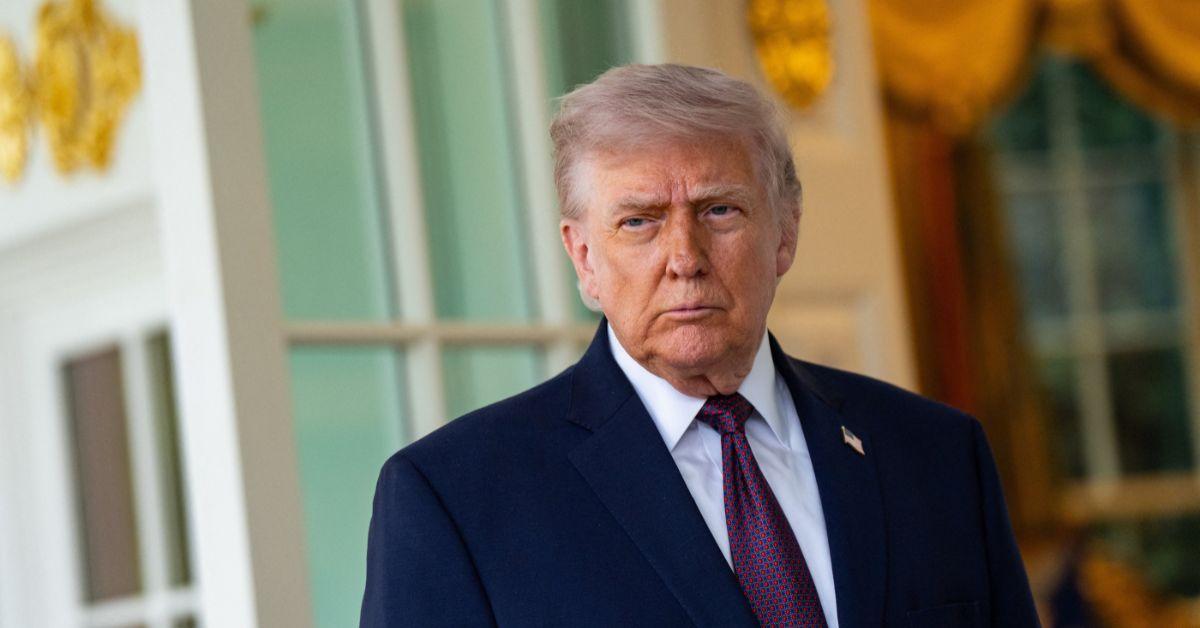
Analysts said timing shaped public perception as much as content.
For Ravi Sawhney, creator of Psycho-Aesthetics and CEO at RKS Design, the reaction isn’t surprising.
“What people react to isn’t just the content, it’s the pattern,” Sawhney explains. “When activity consistently shows up at 2 a.m., the timing becomes a signal, and people instinctively assign meaning to that signal. They read it as urgency, instability, or emotional intensity, whether that’s accurate or not.”
Once audiences begin interpreting those cues, the narrative can take on a life of its own.
“From a Psycho-Aesthetics perspective, behavior creates perception, and perception quickly becomes narrative,” Sawhney says. “The audience isn’t analyzing facts, they’re interpreting cues and filling in the gaps.”
A Feedback Loop of Attention
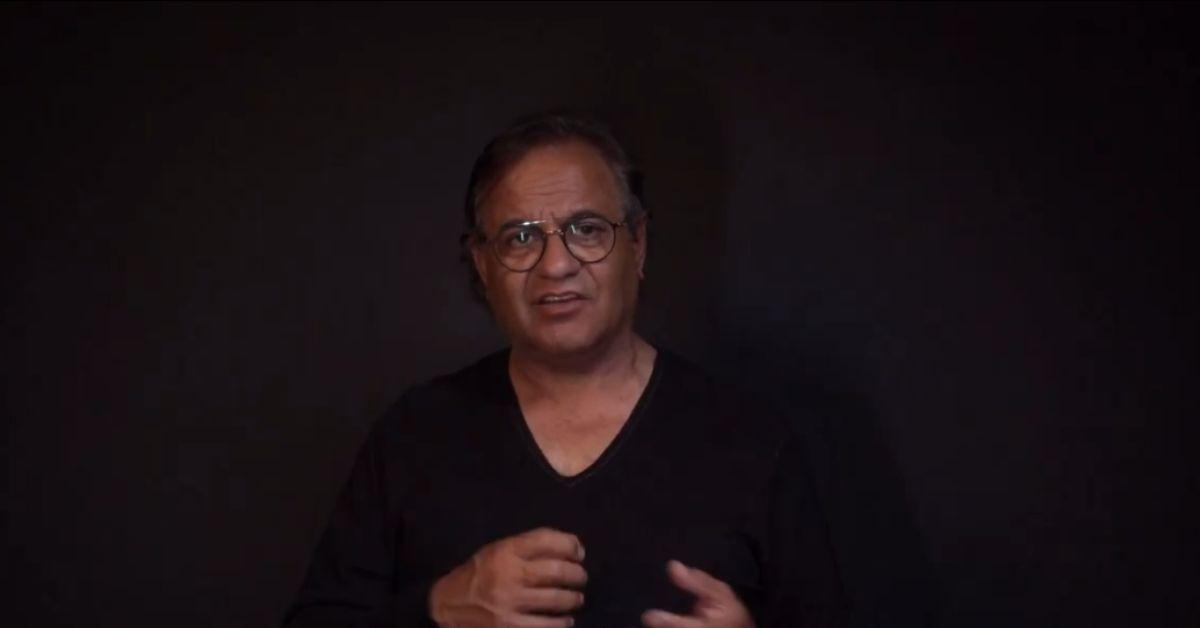
Social media reactions amplified the overnight messaging pattern.
Want OK! each day? Sign up here!
That dynamic is especially potent in the current media environment, where visibility often matters as much as substance. Trump’s posts, filled with familiar attacks on “Fake News” and sweeping claims about military success, generate immediate reactions across platforms, amplifying their reach.
“The more the behavior is highlighted, the more it reinforces the perception, and the more attention it generates,” Sawhney says. “At that point, the pattern itself becomes the story.”
That feedback loop can make it difficult to separate signal from spectacle. Coverage intended to analyze or fact-check the posts can inadvertently magnify the very behavior it’s scrutinizing.
Substance vs. Spectacle
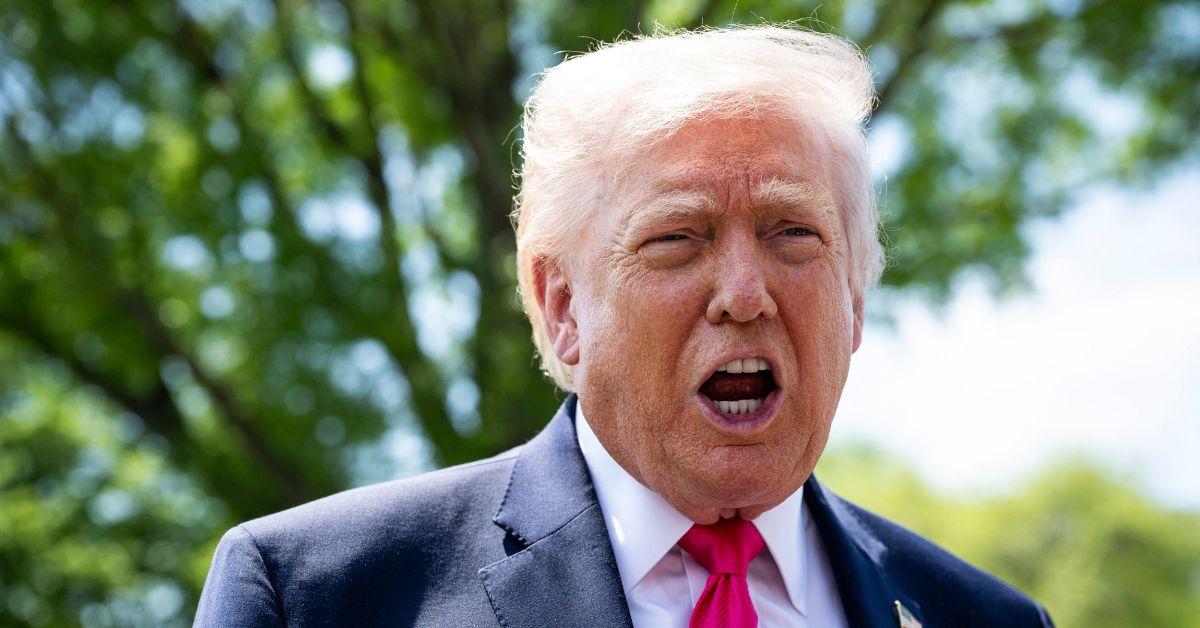
Experts linked repeated behavior to a growing feedback loop.
Trump continues to frame criticism as unpatriotic, accusing media outlets of rooting for Iran and dismissing reports of stalled negotiations as false.
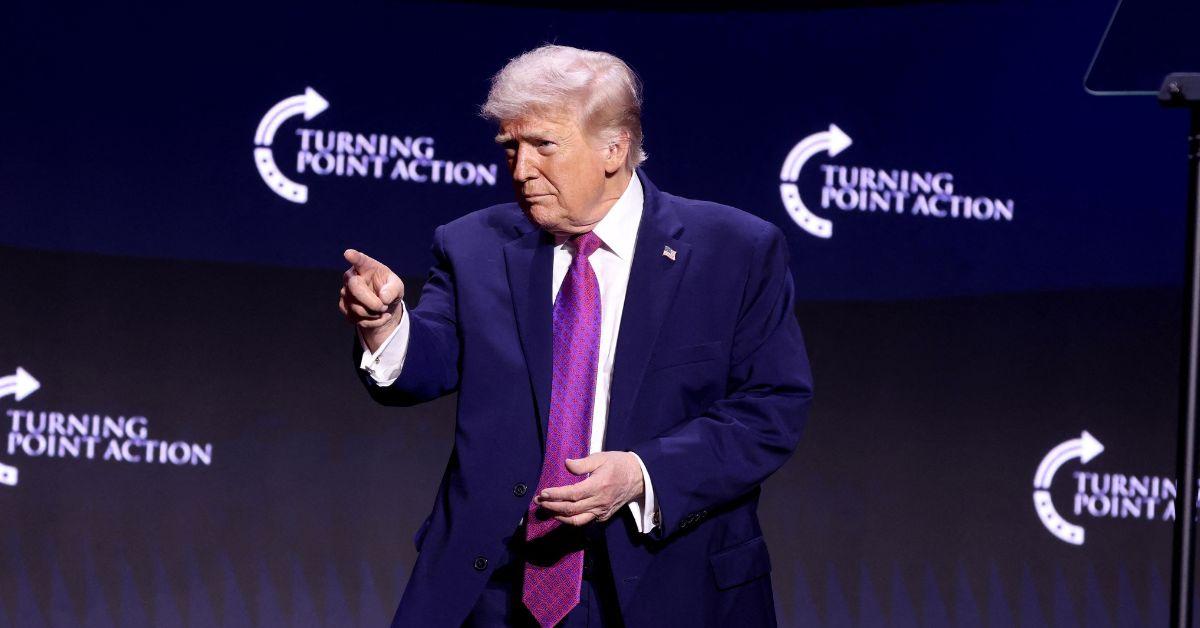
Coverage blurred the line between political substance and spectacle.
“For media, the challenge is recognizing that coverage can amplify the behavior it’s trying to analyze,” Sawhney explains. “Focusing less on the spectacle of timing and more on context and impact helps shift attention away from reinforcing the cycle.”