
 NEWS
NEWSWhy Flat, Seamless Clip-Ins Matter More Than Length in 2026


Dec. 23 2025, Published 1:41 a.m. ET


For years, clip-in hair extensions were judged by one simple metric: length.
Longer meant better. Fuller meant more glamorous. And if extensions were noticeable, that was often considered part of the deal.
But heading into 2026, that way of thinking no longer reflects how women actually wear their hair — or what they expect from it.
Today, the real question isn’t how long your clip-ins are.
It’s how invisible they look once they’re in.
And that invisibility depends far less on inches than on one crucial detail: how flat and seamless the weft sits against the scalp.
Why Length Alone No Longer Delivers a Natural Look
Clip-ins earned their reputation for being bulky and obvious for a reason. Traditional wefts were often thick at the top, creating a raised seam that refused to blend — no matter how well the color matched.
Under movement, bright lighting, or a simple hair flip, that bulk showed. The result? Hair that looked styled, but not believable.
As beauty trends continue shifting toward natural, effortless finishes, extensions are now expected to disappear into the hair — not sit on top of it.
Length may add impact, but structure determines realism.
The Rise of Flat, Seamless Construction
Flat, seamless wefts address the exact flaws that made older clip-ins feel outdated.
When a weft lies flush against the head, it follows the natural curve of the scalp instead of creating height where it doesn’t belong. That means smoother blending, softer movement, and a finish that holds up in everyday life — not just in styled photos.
Professionals point to three clear advantages:
- A more natural blend at the crown and part line
- Better comfort, with weight distributed evenly across the scalp
- More styling freedom, from ponytails to half-up looks
Flatness, in this case, isn’t a design preference. It’s a wearability upgrade.

This approach is reflected in products like GOO GOO Hair’s Seamless Clip-In Hair Extensions, which prioritize thin, flexible wefts designed to sit close to the scalp while still delivering natural-looking fullness.
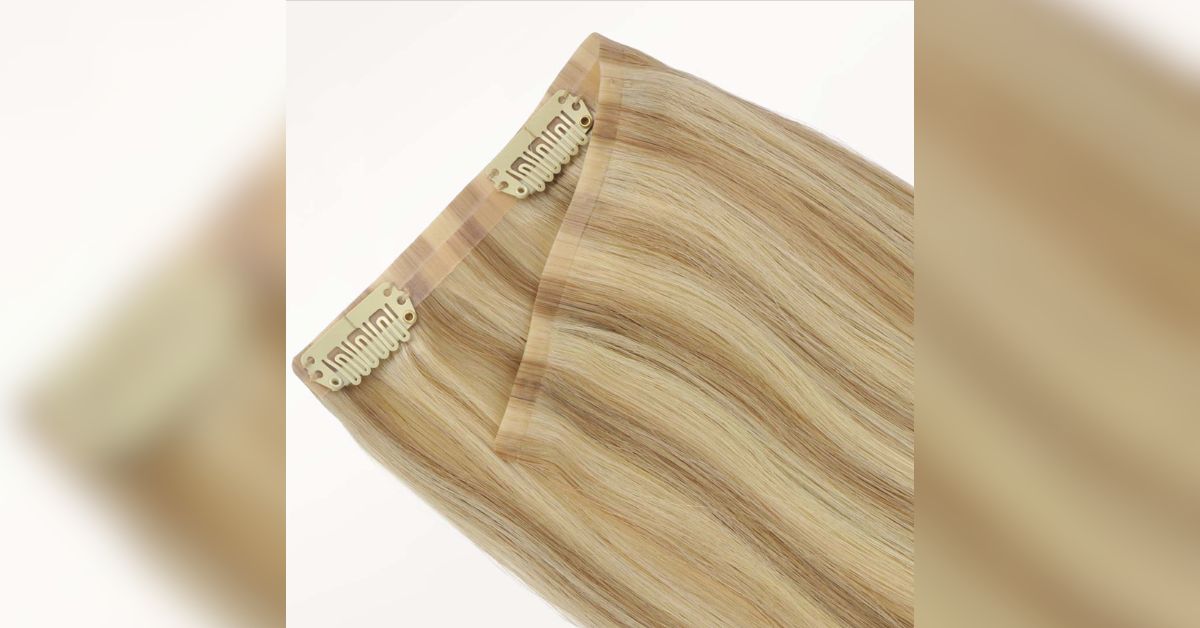
When Hairlines Make or Break the Look
For women with fine hair or visible hairlines, even standard seamless wefts can still feel detectable — especially around the temples and edges.
That’s why newer designs are focusing on how the weft ends, not just how it sits.
GOO GOO’s Invisi Edge Seamless Clip-Ins refine the edge of the weft itself, creating a softer, more gradual transition that blends seamlessly into the hairline. This detail becomes especially important when hair is worn tucked behind the ear, parted deeply, or styled sleek.
It’s a subtle change, but one that makes a noticeable difference in real-life wear.
Want OK! each day? Sign up here!
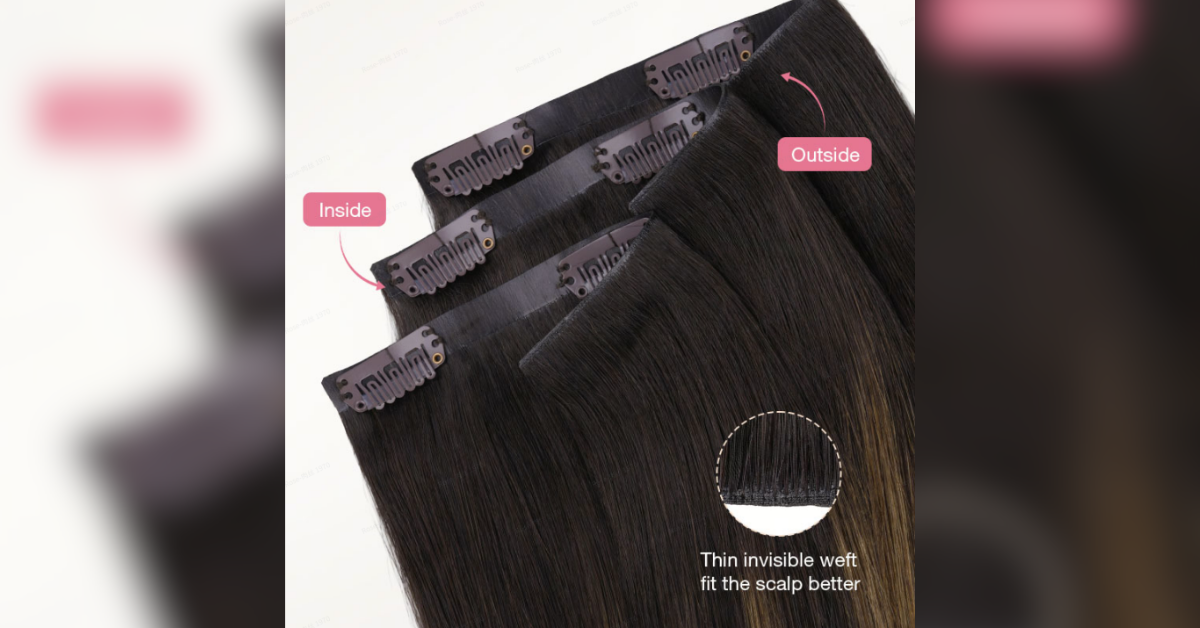
When Length Isn’t the Issue — Scalp Visibility Is
Not every hair concern is solved by adding more inches.
For many women, the bigger challenge is visible scalp — thinning at the crown, sparse temples, or areas where hair naturally parts and exposes skin. In these cases, length does little to improve realism.
This is where the conversation around seamless design expands beyond traditional clip-ins.
Scalp Hair Fill-Ins are designed to add density exactly where it’s needed, creating the appearance of fuller hair directly at the scalp level without overwhelming the rest of the head.
GOO GOO Hair’s Scalp Hair Fill-Ins focus on targeted, ultra-light coverage that blends naturally into existing hair, enhancing fullness where the eye looks first rather than adding unnecessary bulk.
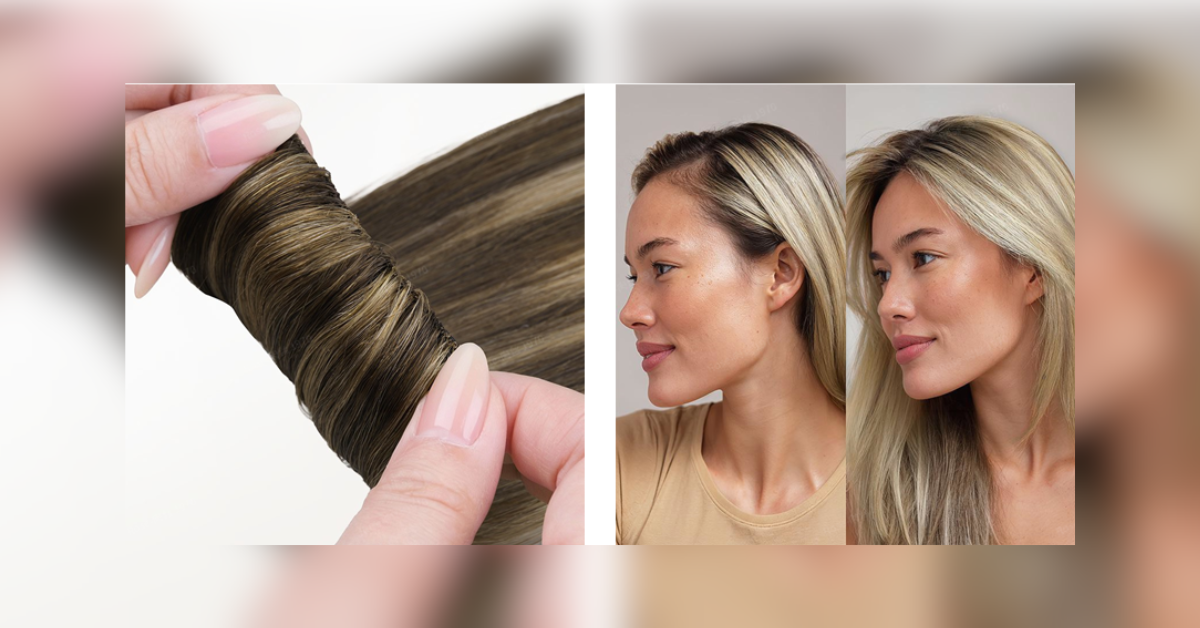
A More Mature Way to Think About Hair Extensions
The rise of scalp-focused solutions reflects a broader shift in how women approach hair.
Instead of asking, “How long should my hair be?”
More are asking, “Where do I actually need hair?”
That mindset explains why flat, seamless construction has become so important. Whether it’s a full weft, an invisible edge, or a scalp fill-in, the goal is the same: integration over exaggeration.
The New Rule for 2026
As clip-in technology continues to evolve, one truth is becoming clear.
The most successful hair extensions in 2026 won’t be defined by length alone. They’ll be defined by how well they respect the scalp, the hairline, and the way real women move through their day.
Because the best clip-ins aren’t the longest ones — they’re the ones no one notices.