
 NEWS
NEWSWhy Modern Parents Are Rethinking the Prenatal Vitamin in 2026


May 29 2026, Published 5:12 a.m. ET


New evidence shows the prenatal vitamin category isn’t delivering what parents have been told to trust. One science-focused brand is delivering a different angle.
For years, parents have been told the same thing the moment they start thinking about pregnancy: take a prenatal. But anyone who has actually stood in the supplement aisle knows the reality isn’t that simple. One bottle has DHA but no choline. Another has folate, but not the form you were told to look for. A few require five or more pills a day to deliver what should fit in two. Some feel clinical and dated; others look beautiful online but leave parents wondering what’s actually inside.
A 2024 U.S. Government Accountability Office investigation tested 12 popular prenatal supplements and found 11 contained at least one nutrient significantly above or below the amount listed on the label. Vitamin E, in some bottles, came in at 1/4 of the labeled dose. In others, 3.5 times the labeled dose. Either result is a problem.

It gets worse. Research compiled by Medscape shows that 1/2 of pregnant women in the U.S. remain at risk for inadequate vitamin D, folate, and iron from diet alone — even though more than 70% take a prenatal every day. The product designed to close the gap often isn’t closing it.
And parents are noticing. KFF’s 2024 Women’s Health Survey found that 1 in 8 women between 18 and 49 said they or their partner had needed fertility services. Family-building is more researched, more visible, and more stressful than ever.
These concerns have contributed to ongoing discussions about whether the prenatal vitamin category is meeting the expectations many modern parents have for transparency, formulation, and ease of use.
A Clinical-grade Alternative
Want OK! each day? Sign up here!
BabyRx is the science-backed parenthood wellness brand built to fix exactly this problem. Founded on the premise that clinical seriousness and modern design shouldn’t be mutually exclusive, according to the company, it has grown to serve more than 20,000 customers and has received coverage from a range of business, wellness, and industry publications.
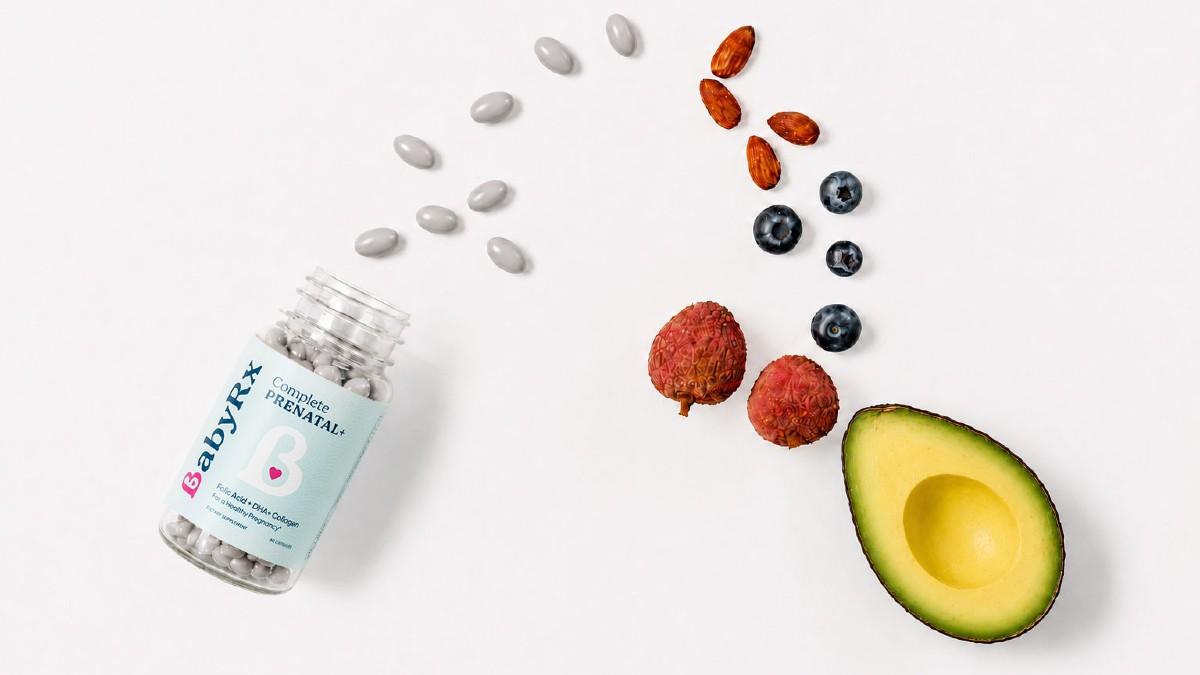
What sets BabyRx apart starts on the label. Its Complete Prenatal+ is a two-pill formula with all 21 critical prenatal nutrients recommended by the American Pregnancy Association — Folate, Iron, DHA, Choline, Vitamin D, and the rest — every ingredient backed by clinical research, not a marketing claim. For anyone searching for the best prenatal vitamins with DHA, Iron, or bioavailable Folate, the formula was engineered as a single, complete answer.
But completeness is only half the story. The forms of the nutrients matter just as much. BabyRx uses methylated folate, which the body can use directly rather than convert from folic acid, and a gentler form of iron designed to deliver the dose pregnant women need without the nausea, constipation, and GI side effects that cause so many parents to quietly stop taking their prenatal. A prenatal routine is generally easier to maintain when the product can be taken consistently.
The other quiet revolution in the formula is gut health. BabyRx treats it not as a wellness trend but as the organizing principle behind everything it does. The reasoning is straightforward: digestion shapes how well the body tolerates, absorbs, and uses the nutrients parents take. In fertility, certain probiotic strains have been shown to improve sperm count, motility, and DNA quality in men, and help women maintain a healthier reproductive environment — which may be part of why some couples choose BabyRx Complete Fertility+, looking for the best fertility supplements as a pair. During pregnancy, probiotics are sometimes associated with digestive and immune support, including support for nausea and constipation in some individuals, as well as the maternal microbiome. Postpartum, they may also play a role in recovery and breastfeeding support, though experiences can vary.
That whole-journey approach — fertility, pregnancy, postpartum, with gut health threaded through every stage — is what BabyRx co-founder and CEO Anastasia Shorr comes back to. “We didn’t set out to add more bottles to anyone’s shelf,” she says. “We set out to make sure the ones parents do take are actually doing the job.”
The clinical voices echo it. “Prenatals are critically important, especially when they’re formulated with high-quality, bioavailable ingredients, such as BabyRx,” says Erica Borman, DO, a board-certified reproductive psychiatrist with 14 years of experience in perinatal and women’s hormonal health.
According to BabyRx, behind the formulas, every batch undergoes three rounds of testing. — once on the raw ingredients coming in, once after ingredients are blended, and again on the finished bottle going out. The goal is simple — verify that every ingredient is exactly what the supplier claims, every dose matches the label, and every batch is screened for contaminants, including heavy metals, toxins, and other harmful substances. Given what federal investigators have found across the rest of the category, that level of testing isn’t a luxury. It’s the standard parents thought they were already getting.
The prenatal vitamin category has been due for a reckoning for some time. With federal investigators flagging label inaccuracies, peer-reviewed research questioning whether the most-taken supplements actually close the nutritional gaps they're sold to address, and a new generation of parents demanding the kind of transparency and clinical rigor they already expect from the rest of their wellness routine, the pressure on the industry is finally translating into change. Brands like BabyRx are part of that shift — building formulas around what the science actually supports, testing what's in the bottle against what's on the label, and treating the parenthood journey as a continuum rather than 9 isolated months.
For parents standing in the supplement aisle wondering what's actually worth trusting, the answers are starting to look meaningfully different than they did even 2 years ago.
This article is for informational purposes only and does not substitute for professional medical advice. If you are seeking medical advice, diagnosis or treatment, please consult a medical professional or healthcare provider.