
 Contributor
Why PRP Is Becoming the Gateway Treatment Bringing More Men Into Medical Aesthetics

Medical aesthetics is no longer just for women, with PRP emerging as the confidence-boosting treatment introducing more men to the world of cosmetic care.

June 25 2026, Published 11:34 a.m. ET


For years, cosmetic treatments for men were something whispered about rather than openly discussed. Today? That's a completely different story.
Whether it's smoothing a few fine lines, improving skin quality or tackling thinning hair before it becomes a bigger issue, men are becoming one of the fastest-growing demographics in medical aesthetics—and they're no longer trying to hide it.
Leading the charge is PRP (Platelet-Rich Plasma), a regenerative treatment that's quietly become one of the biggest gateway procedures for male patients.

Celebrities Are Helping Normalize Men's Treatments

Celebrities are helping to normalize PRP treatment that was once considered niche.
You only have to look at the celebrity world to see how mainstream regenerative treatments have become. Soccer legend David Beckham has spoken about undergoing PRP treatments, while Robbie Williams has also turned to the regenerative procedure as part of his grooming routine. Golf icon Tiger Woods famously received PRP to aid recovery from injuries, helping introduce millions of people to the treatment's ability to harness the body's own healing powers.
While each celebrity has used PRP for different reasons—from recovery to appearance—they've all helped normalize a treatment that was once considered niche.
It's a trend that's playing out every day at JECT, the fast-growing aesthetics clinic known for its modern, natural-looking approach to cosmetic treatments. Offering everything from injectables and advanced laser treatments to regenerative procedures, skincare and hair restoration, JECT has built its reputation around personalized treatment plans designed to enhance—not change—a patient's appearance.
One of the providers leading that approach is Board-Certified Physician Assistant Leighanne McGill, who has more than eight years of experience in medical aesthetics. Specializing in injectables, Sciton laser technology, skincare and regenerative treatments, McGill combines evidence-based techniques with a strong focus on patient education and subtle, natural-looking results.
According to McGill, men now account for roughly 30 percent of JECT's clientele, with that number continuing to grow.
"We're seeing every type of man walk through our doors," she says. "Many work in forward-facing careers like real estate, marketing and sales, where appearance can play an important role. More men are realizing these treatments are completely normal and they're simply looking for ways to feel confident while still looking like themselves."
Why PRP Is Often the First Step
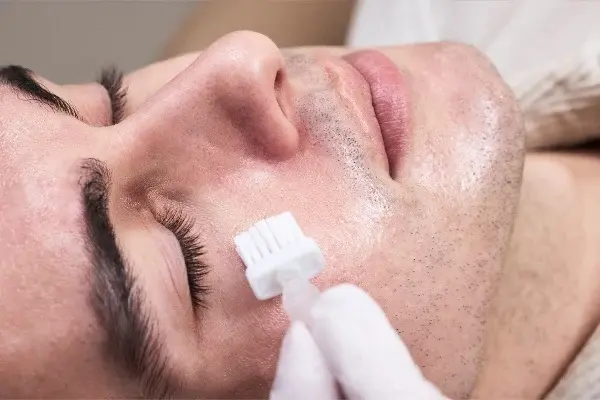
Men now account for roughly 30 percent of JECT's clientele.
For many of those patients, the first appointment isn't for Botox. It's for their hair.
Hair loss remains one of the biggest confidence concerns among men, making PRP the perfect introduction to aesthetic medicine because it focuses on restoration rather than transformation.
The treatment works by drawing a small amount of the patient's own blood before concentrating the platelet-rich plasma—or, in some cases, Platelet-Rich Fibrin Matrix (PRFM)—which is then injected into targeted areas of the scalp. Packed with natural growth factors, the treatment helps stimulate hair follicles, improve scalp health and encourage thicker, healthier-looking hair over time.
At JECT, PRP and PRFM are commonly used to help patients experiencing male pattern hair loss, female thinning, postpartum shedding and hair loss following illness or periods of stress.
Because the treatment relies entirely on the body's own platelets, it's become particularly appealing to men who may have never considered aesthetic medicine before.
"For many male patients, treating hair loss is what gets them through the door," McGill explains. "It's often their first aesthetic treatment, and once they realize how natural and subtle these procedures can be, they're much more open to exploring other options."
Since hair grows in cycles, results don't happen overnight. JECT typically recommends three to four treatment sessions before evaluating a patient's response, often pairing PRP with evidence-based therapies like topical minoxidil and supplements such as Nutrafol as part of a personalized hair restoration plan. While some patients are considered non-responders to traditional PRP, PRFM can provide another regenerative option that may produce better results.
Want OK! each day? Sign up here!
Going Beyond Hair Restoration
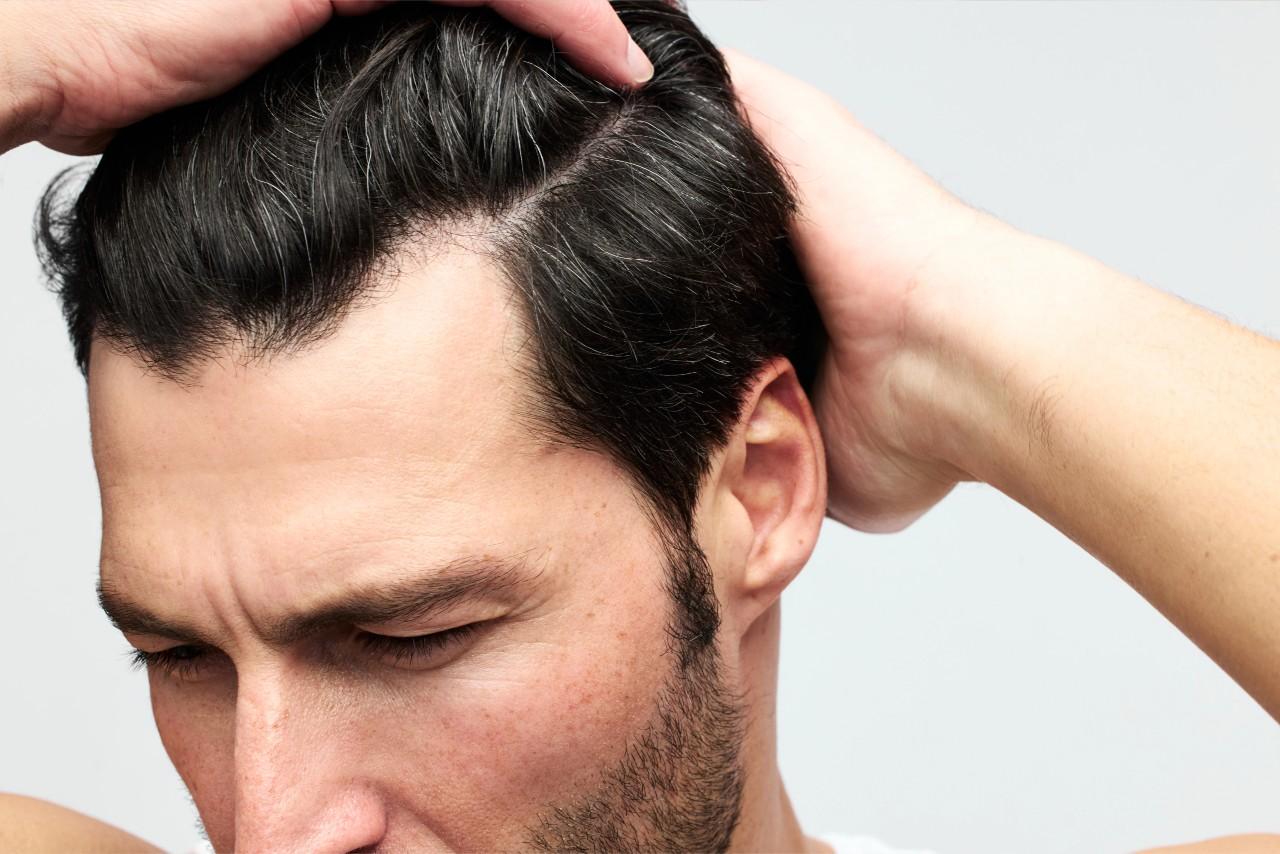
PRP and PRFM are commonly used to help patients experiencing male pattern hair loss,
The growing popularity of PRP reflects a much larger shift happening across the aesthetics industry.
Today's male patients aren't looking to completely reinvent themselves—they simply want to look refreshed, healthy and well-rested.
That's why many who begin with PRP eventually explore some of JECT's other minimally invasive treatments, including preventative wrinkle-relaxing injections like Botox, Dysport and Daxxify, Sciton laser treatments that improve skin tone and texture, customized skincare plans and subtle facial rejuvenation using hyaluronic acid and biostimulatory fillers.
The emphasis isn't on erasing every sign of aging—it's on helping patients maintain a fresh, confident appearance that still feels authentically them.
The New Face of Men's Self-Care

JECT, the fast-growing aesthetics clinic is known for its modern, natural-looking approach to cosmetic treatments.
As attitudes toward men's grooming continue to shift, aesthetic treatments are shedding their old stigma and becoming an increasingly common part of modern wellness routines. Much like hitting the gym or following a skincare regimen, more men are viewing these procedures as a way to maintain—not change—their appearance.
Instead of dramatic transformations, today's patients are seeking subtle, natural-looking enhancements that help them feel more confident. For many, PRP has become the ideal first step, tackling one of men's biggest concerns—hair loss—through the body's own regenerative growth factors before they explore other aesthetic treatments.
With celebrities becoming more open about their experiences and clinics across the country reporting a steady rise in male clientele, it's clear that medical aesthetics is no longer a niche market. It's becoming part of a wider cultural shift in how men think about aging and confidence.
As clinics like JECT are discovering firsthand, today's male patient isn't chasing perfection—he's simply looking to be the best version of himself. And more often than not, that journey starts with one small, confidence-boosting treatment like PRP.