
 ENTERTAINMENT
Why the Oscars Are Losing TV Viewers But Winning the Internet

Viewership dipped to a four-year low, but online engagement surged, highlighting a major shift in how audiences experience Hollywood’s biggest night.

March 19 2026, Published 5:41 p.m. ET


The Oscars may have drawn fewer viewers this year, but they were far from quiet.
The 2026 Academy Awards pulled in 17.86 million viewers across ABC and Hulu, down about 9 percent from last year and marking a four-year low. But according to ABC, the ceremony generated more than 181 million social media impressions — a 42.4 percent jump from last year — underscoring a growing divide between how audiences watch the show and how they engage with it.
The Shift From Viewers to Participants

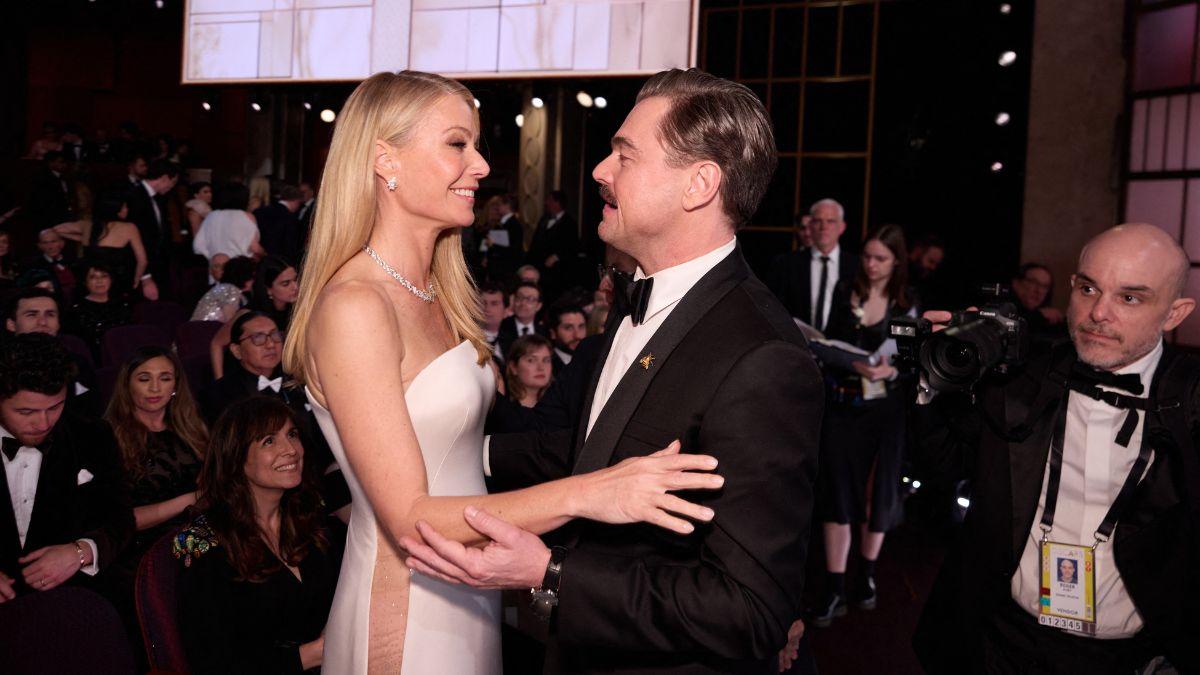
Social media engagement surged during the ceremony.
For decades, the Oscars were appointment viewing. Now, the conversation is happening in real time, and often outside the broadcast itself.
“People listen to what their friends say on social media as they agree or disagree,” said renowned body-language expert Lillian Glass, Ph.D. “These films open a dialogue. The fashion opens dialogue. They discuss who should have won and who should have lost.”
That interactive layer is key to understanding the surge in online activity. “It makes perfect sense why social media buzz is at its highest. It is the perfect place where people can vent, appreciate, hate, and love in an honest way,” Glass said. “In essence, they have someone else to communicate with and share their thoughts and experiences.”
Why the TV Format Is Losing Ground
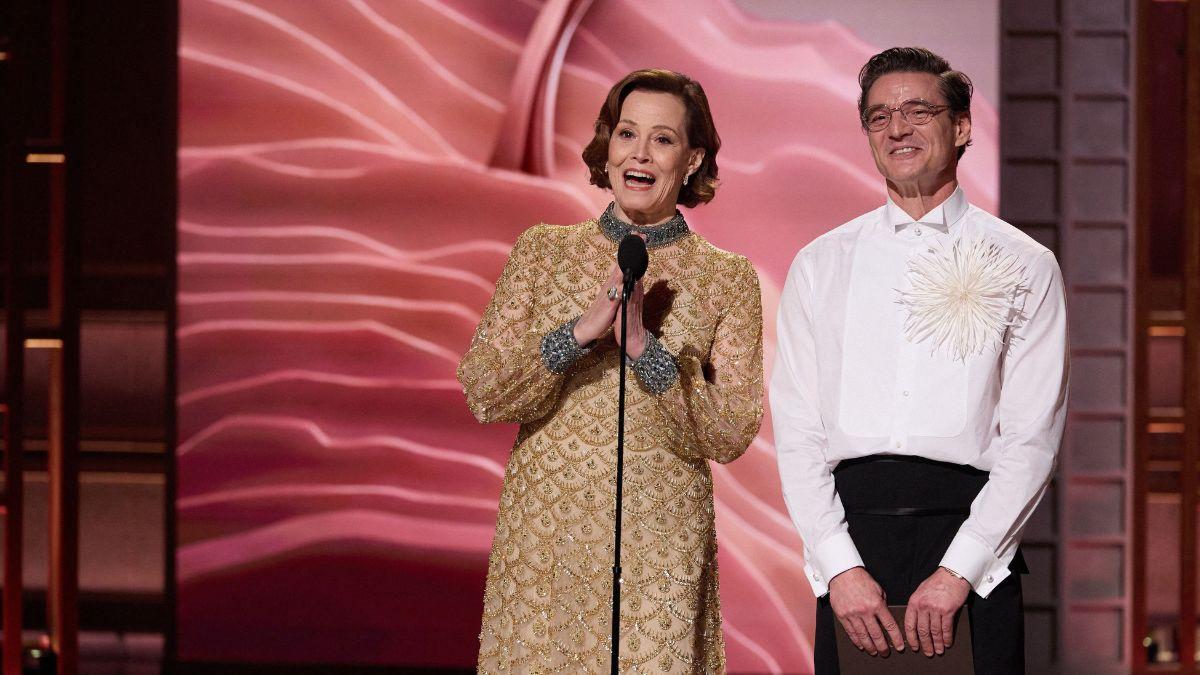
Experts pointed to how the Oscars' impact is measured has changed.
“The Oscars still have real cultural impact, but the way that impact is measured has fundamentally shifted,” said Richard Kirshenbaum, founder of storied Manhattan ad agency Kirshenbaum Bond & Partners and an inductee into the Advertising Hall of Fame. “Traditional ratings are less important than total reach — streaming, clip views, and post-show engagement all factor in now.”
Kirshenbaum, author of the novel The Hollywood Fix, points to a broader change in audience behavior.
“Today's viewers are faster-paced. They want to snack and digest highlights, not sit through a long, drawn-out format,” he said. “Memes and short clips are crucial to younger audiences, and two-way participation — likes, comments, live chat — matters far more than passive viewership ever did.”
Want OK! each day? Sign up here!
Viral Moments Are the Real Awards
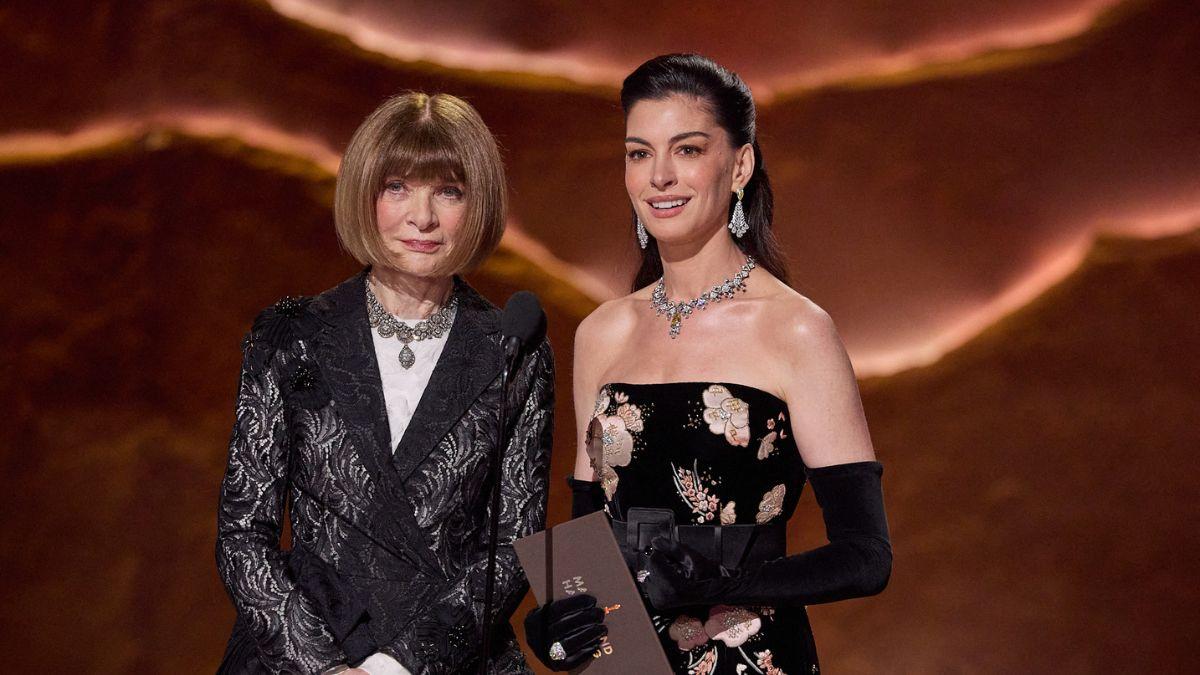
Viral moments outpaced award wins in attention.
In many cases, the biggest moments of the night aren’t the winners, they’re the clips that spread afterward.
“What goes viral is often more compelling than the awards themselves,” Kirshenbaum said. “A big star losing — and how they react — can become the moment everyone's talking about.”
That dynamic played out again this year, as fashion, celebrity interactions and unscripted moments fueled online conversation. Kirshenbaum pointed to the buzz around Anna Wintour calling Anne Hathaway “Emily” as “the ideal meme tie-in” for The Devil Wears Prada 2, adding that such moments double as marketing opportunities tied to future projects.
“Fashion, gossip, and behind-the-scenes drama are taking a more prominent role than ever, and the savviest studios are leaning into that,” he said.
A Global, Digital Future
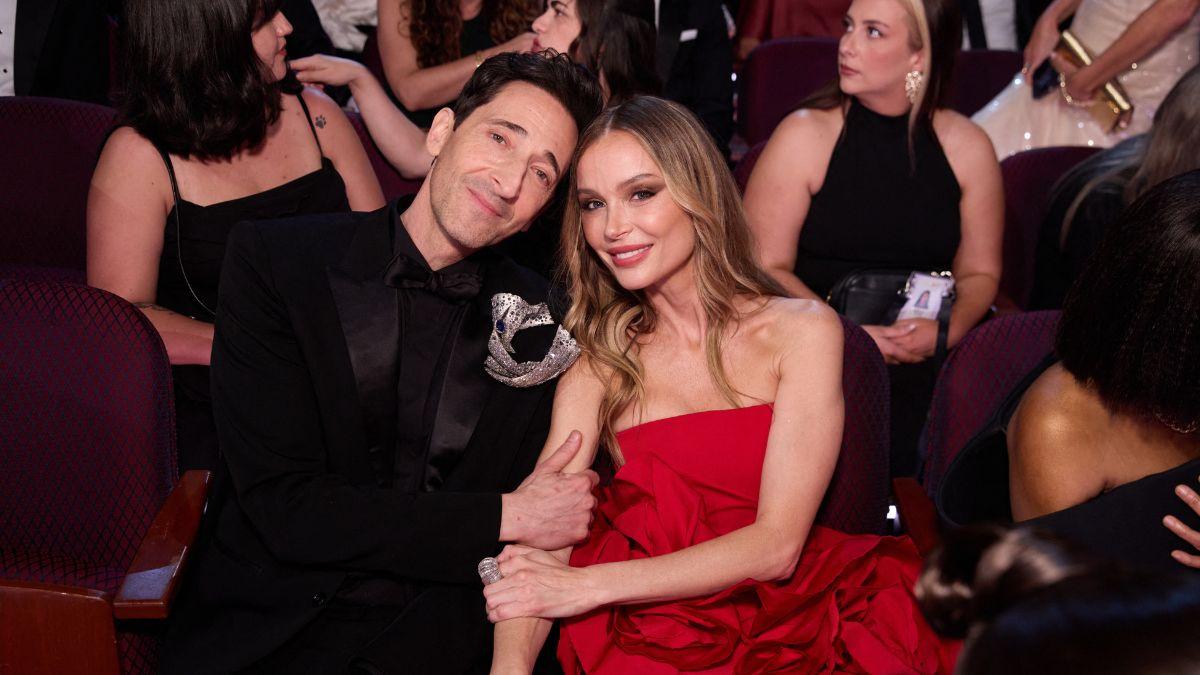
The Academy continued adapting to digital audiences.
The Academy appears to be adapting to this new reality. Kirshenbaum notes that the Oscars are reportedly considering a move to YouTube by 2029, a shift aimed at expanding global reach and offering more flexible, digital-first content.
“The goal is to combat long-format fatigue and reach a more global audience through behind-the-scenes livestreams, fashion highlights, and the kind of ‘being there’ access that creates real connection,” he said.
For now, the numbers tell a clear story: fewer people may be watching the Oscars from start to finish, but more people than ever are engaging with them online.