
 Politics
AI Campaign Ads Are Making Midterm Voters Second-Guess Their Screens, Says Expert: 'Don't Trust You're Eyes'

AI-generated political ads made voters question the authenticity of campaign footage.

Sept. 12 2026, Published 10:41 a.m. ET


The midterm campaign season has a new problem: political ads that look and sound real enough to make voters doubt what they are seeing.
AI-generated campaign spots are already moving through social media and the airwaves with few consistent national rules in place.

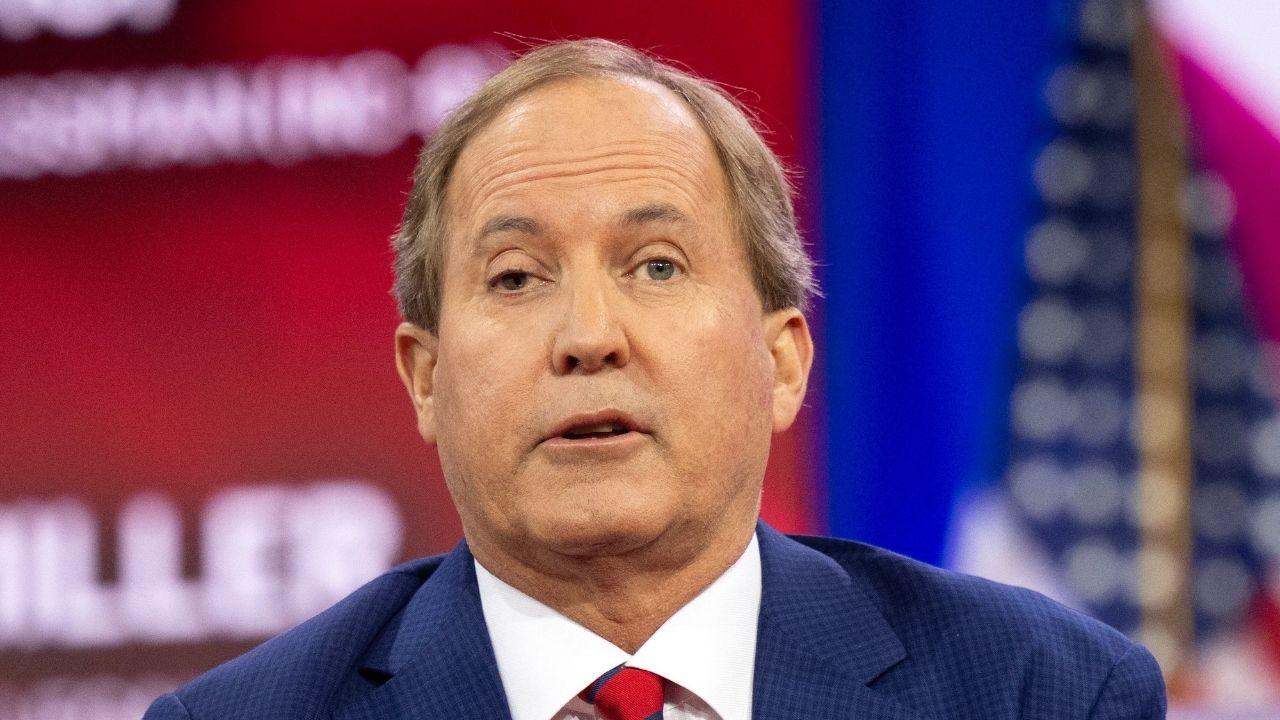
Ken Paxton’s campaign used an AI-generated version of James Talarico in a political ad.
One recent example came from U.S. Senate nominee Ken Paxton of Texas, whose campaign released a realistic ad using an AI-generated version of Democratic rival James Talarico to deliver repackaged versions of past remarks.
The ad was based on real comments Talarico previously made about biological s--, God and Christianity, but altered some wording and placed the material in the mouth of a synthetic Talarico.
Don’t Trust the First Watch

AI technology made traditional signs of manipulated video harder for voters to detect.
“Don’t trust your eyes. Verify the source,” said Mykolas Rambus, CEO of AI digital risk management company Hush.
“AI is now good enough that the old tells, strange blinking, distorted hands or robotic voices, are almost gone,” the expert explained.
“If a politician, celebrity or other public figure appears to say or do something shocking, find the original source and see whether multiple large news organizations are independently reporting it,” he added.
The Emotional Trap
Want OK! each day? Sign up here!
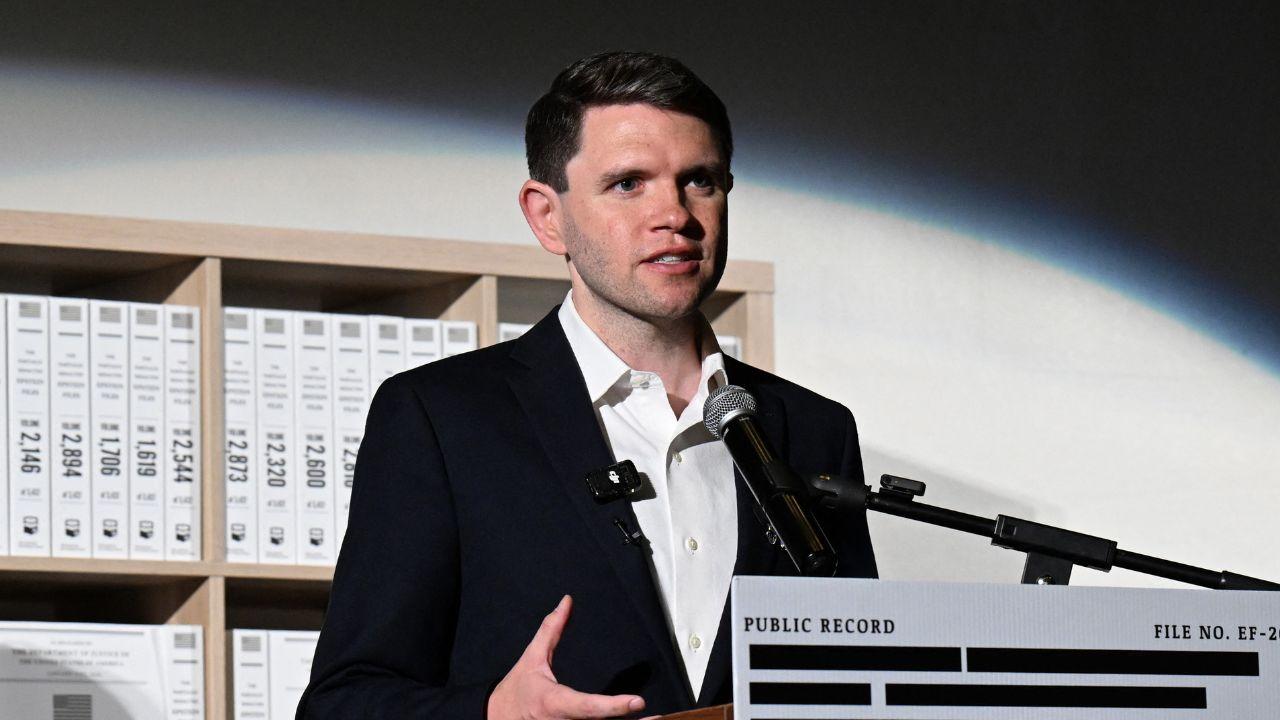
An expert urged voters to verify political clips through reliable sources.
“The stronger your emotions, the more careful you should be,” Rambus warned.
“If a clip makes you angry or excited enough to immediately share it, there’s a good chance it’s AI,” he added.
“That emotional reaction is exactly what makes AI manipulated content so effective because it’s designed to push your buttons,” he said. “Be especially wary of short, sensational clips.”
A Patchwork of Rules
Many states do require disclosures for potentially deceptive AI ads, though there are carveouts for satirical content.
That worked in the favor of reality TV star Spencer Pratt, who ran unsuccessfully for Los Angeles mayor while running more obviously cartoonish AI ads.
That leaves campaigns, platforms and voters navigating different standards depending on where an ad appears and how it is labeled.
Don’t Make Fake Famous
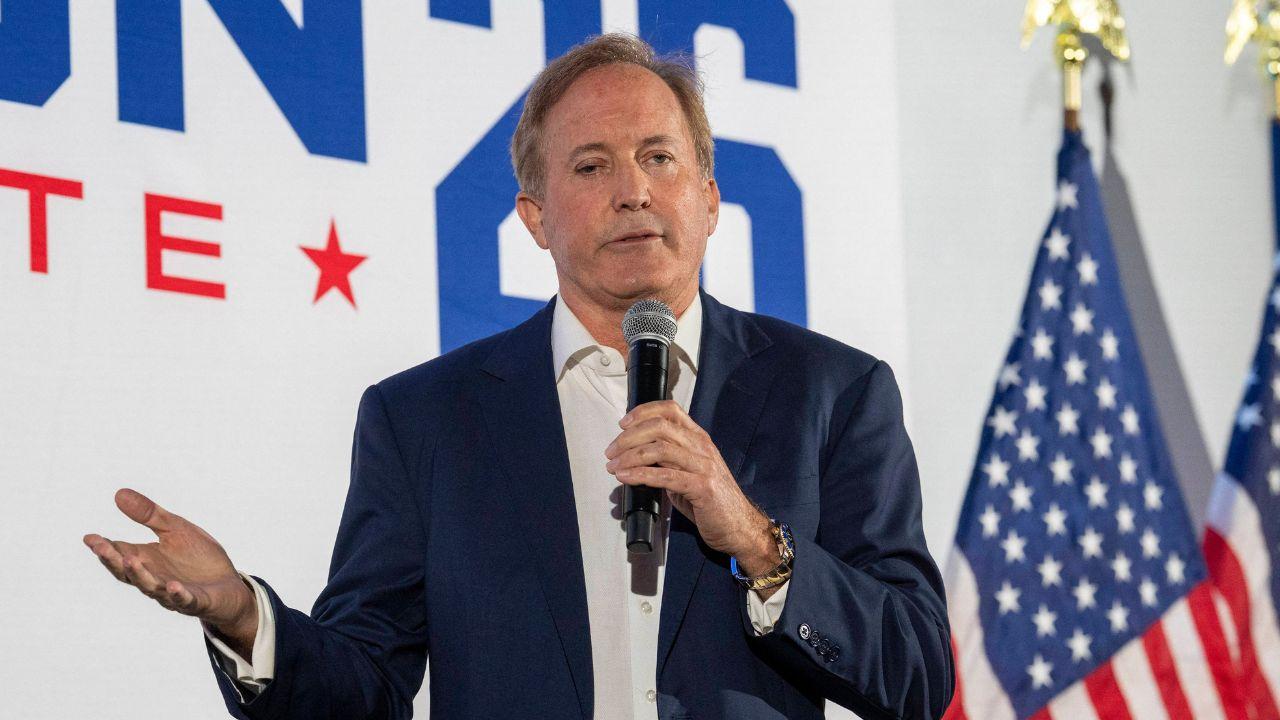
Experts warned that emotional reactions could make AI-manipulated content more effective.
“Don’t make a fake famous,” Rambus warned.
“Labeling something ‘fake’ while showing it to millions of additional people often spreads it further,” he said, “because readers and viewers often miss or sometimes don't trust the ‘fake’ label.”