
 TRUE CRIME NEWS
Bryan Kohberger Case: Expert Claims Cellphone Records Offer 'Misleading' Murder Timeline — 'He Was Not Driving to Moscow'

A cellphone geolocation expert claims Bryan Kohberger's timeline was 'misleading.'

July 29 2026, Published 4:22 p.m. ET


Cellphone geolocation expert Sy Ray is disputing key parts of the prosecution's case against Bryan Kohberger, claiming investigators created an "incredibly misleading" timeline of the convicted killer's movements on the night four University of Idaho students were murdered.
Ray, who reviewed Kohberger's phone records, argued prosecutors relied on just 8 percent of the available cellphone data while leaving out GPS evidence he believes tells a "completely different narrative."
'Incredibly Misleading'

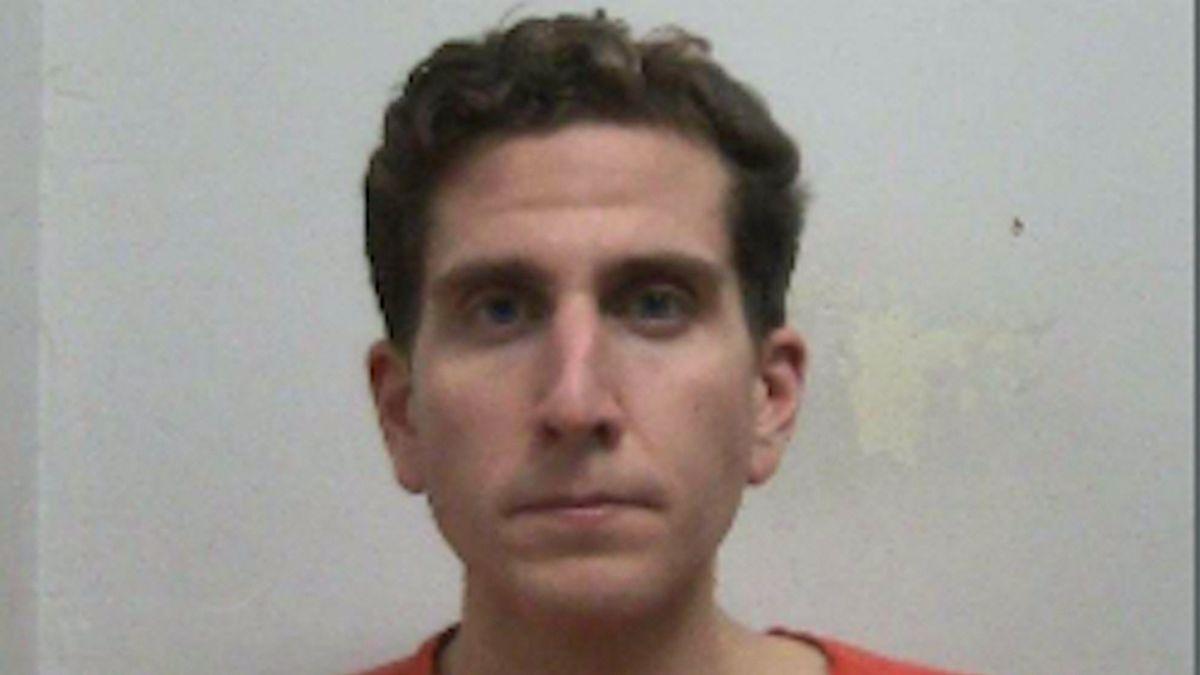
The expert, Sy Ray, said the narrative 'doesn't align.'
During an appearance on NewsNation's Jesse Weber Live, Ray said the prosecution's timeline was built from only a portion of the available cellphone records, leaving jurors without the full picture of Kohberger's movements.
"I think it's incredibly misleading on what happened that night and the events of that night," Ray explained. "When you map the entire 100 percent and you look at all the available data, I'm not saying that he didn't travel to Moscow. I'm not saying that the evidence doesn't actually really show clearly what happened that evening. What I'm saying is when you look at snippets of it and you craft this narrative, it doesn't align."
Ray also claimed GPS records show Kohberger traveling south from Moscow after the murders, adding that he has "never seen" investigators map the GPS locations included in discovery.
'Closer to 8 Percent'
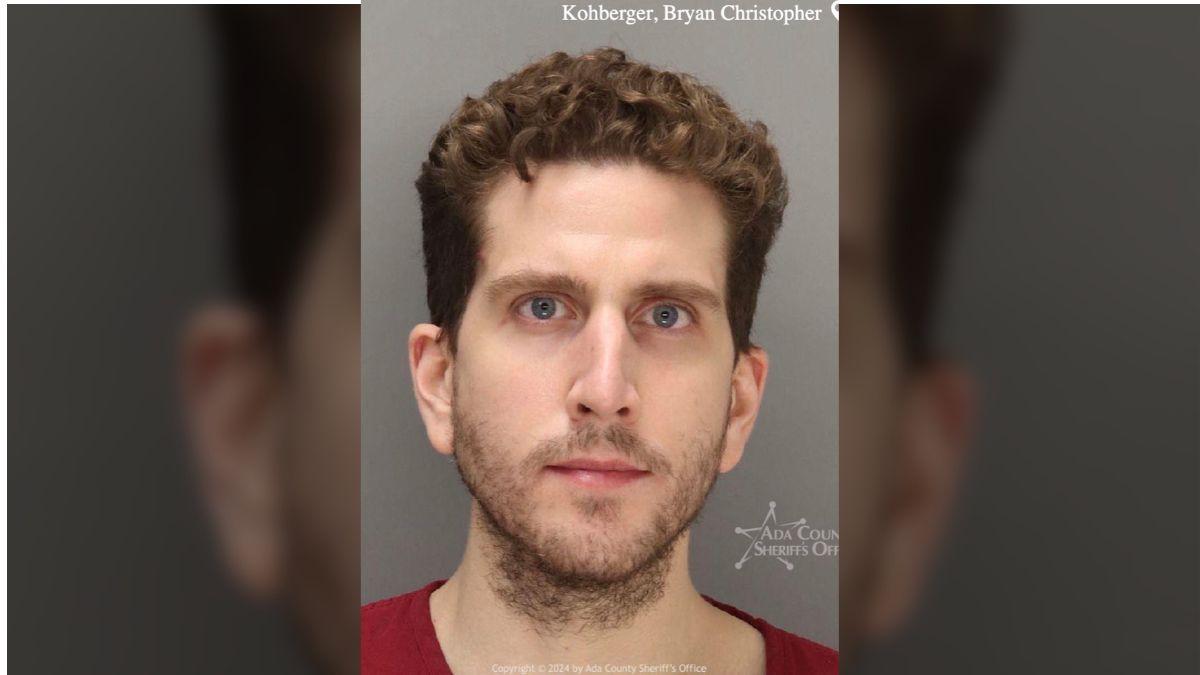
Sy Ray also claimed prosecutors used just 8 percent of his phone data.
Ray argued prosecutors relied on only a small fraction of the available records when presenting Kohberger's cellphone evidence.
"I think the first part of this is they only look at a portion of it," he said. "Instead of looking at 90 percent or 100 percent of the records that were provided, what was mapped and actually disclosed as work product was closer to 8 percent."
According to Ray, the missing records "tell a completely different narrative."
He also disputed the prosecution's timeline, claiming Kohberger's phone disconnected from the network at 2:54 a.m. rather than 2:47 a.m. and was still connected to the cell site covering his apartment before it went offline.
- Friends of Slain University of Idaho Students Pay Heartfelt Tribute on Wedding Day Nearly 4 Years After Massacre
- Bryan Kohberger’s Family Files to Change Guilty Plea, Then Shares Their Perspective on the University of Idaho Murders Case
- Bryan Kohberger's Idaho Murders: Unredacted Crime Scene Photos Allegedly Leaked as Victims' Families Face 'Trauma and Harm'
Want OK! each day? Sign up here!
GPS Evidence 'Tells a Story'
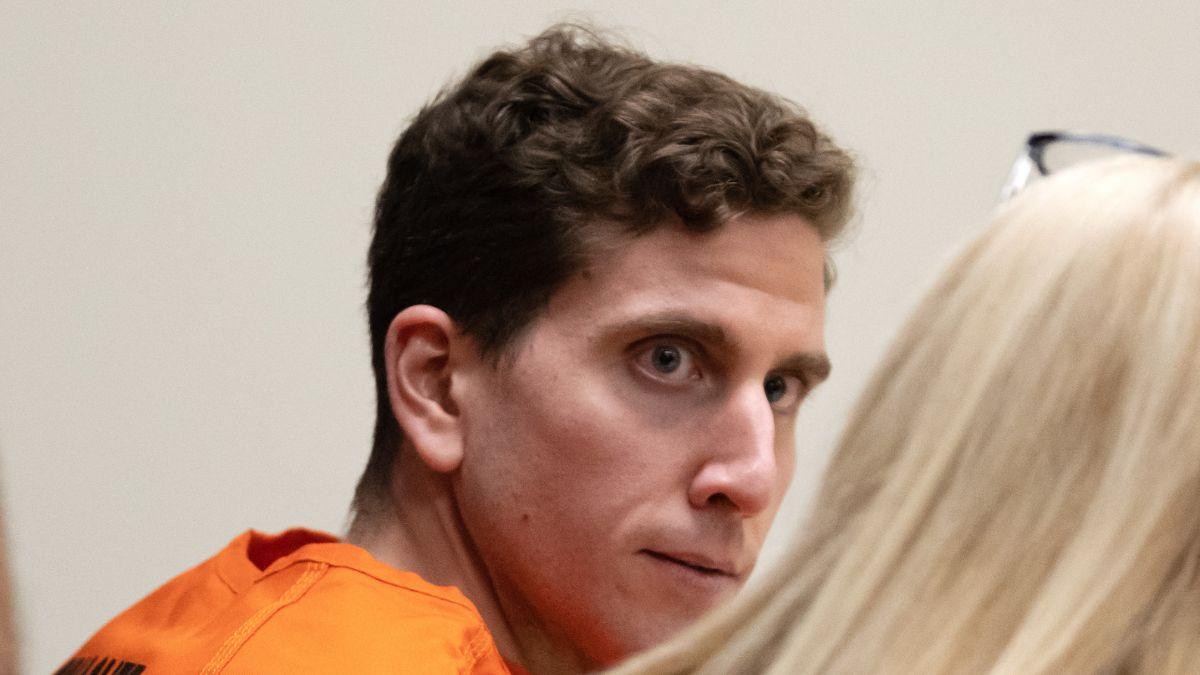
Sy Ray claimed AT&T GPS data mapped Bryan Kohberger's route 'turn by turn.'
Ray argued the GPS records included in AT&T's data provide a much more detailed account of Kohberger's movements than what was presented in court.
"There is GPS locations that was provided in this case by AT&T," he detailed. "And when you map those GPS locations, it provides you turn by turn his route home that night. The dirt roads that he took, you can get his speed, you can get when he comes to a T intersection, if he turns left or right, there's absolutely no doubt it perfectly aligns with the video of when his vehicle returns to the campus."
Ray went on to claim the records also show Kohberger repeating the same route roughly two days later.
"More importantly, and probably more disturbing for most of your viewers, is he repeats that pattern the next night," he added. "Approximately 48 hours later, he retraces the exact same route... drives straight to the Snake River... I think that's incredibly telling evidence that when properly presented to any lay person, it tells a story of what's going on."
'We Have to Embrace Change'
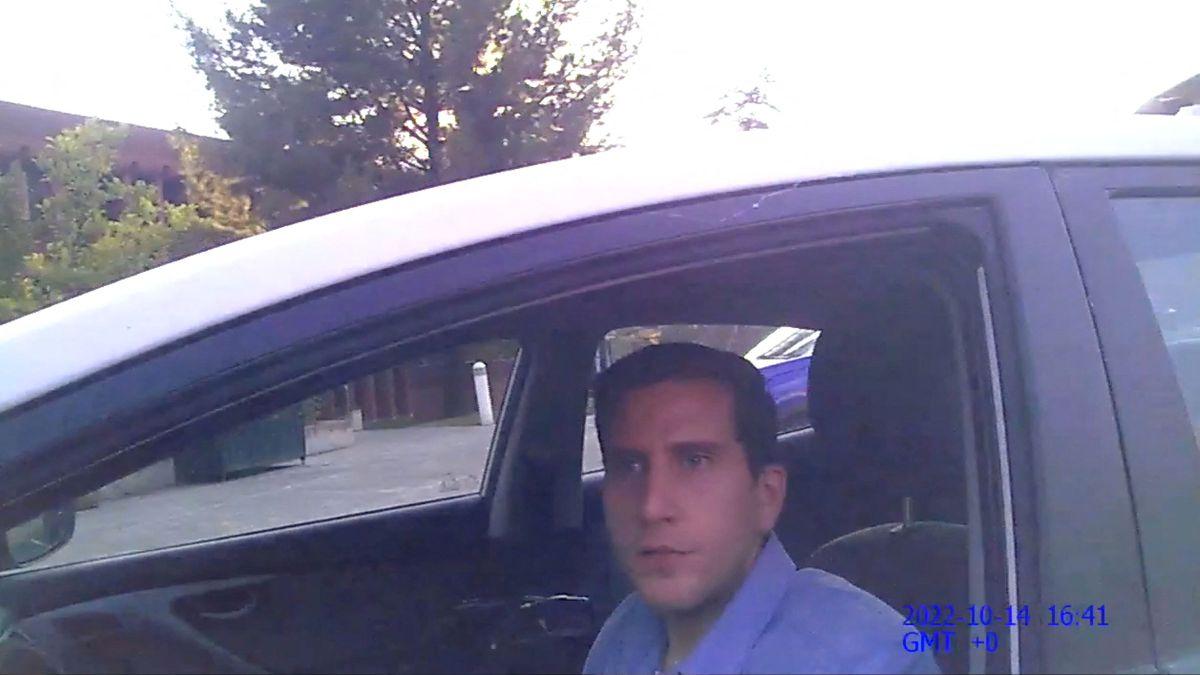
One of the victims father's is urging investigators to embrace new technology.
Steve Goncalves, whose daughter Kaylee was among the four victims, said the criminal justice system must do more to keep pace with rapidly advancing technology.
"Technology is moving so fast," Steve shared. "We have to embrace change. And that's how we get justice."
Ray later stressed that criticizing the investigation does not change his view of Kohberger's conviction.
"Bryan Kohberger can be, and the criminal investigation surrounding this can be extremely flawed. Both of those things can be true at the same time," he added.