
 HEALTH
David Harbour Was Forced to Face His 'Demons' After Quitting Alcohol and Facing Bipolar Battle: 'I Started Intense Psychotherapy'

David Harbour opened up on therapy, sobriety and managing manic episodes in a new interview.

Jan. 14 2026, Published 11:48 a.m. ET


David Harbour said he's "living his dreams" after quitting alcohol and confronting his bipolar disorder — a journey that's unfolded in the months since his marriage to Lily Allen ended.
The Stranger Things star, 50, opened up about the major shifts in his life following his split after four years of marriage.
'Living My Dreams'


David Harbour opened up about living his dreams after quitting alcohol and confronting bipolar disorder.
Harbour was diagnosed with bipolar disorder in his twenties and has since spoken openly about living with the condition, which is often marked by extreme mood swings and erratic behavior.
"I wanted folks to know that although I am living my dreams now, this is not the way it's always been," he told Future of Personal Health.
The star explained that his reason for sharing his story goes beyond his own experience, saying he hopes it resonates with families navigating similar challenges.
"There might be a mother of a child recently diagnosed with a mental illness out there who worried that her child would be an outcast. I wanted to speak to her and to the millions that know and love folks who are suffering," he shared.
'Does Not Define Me'
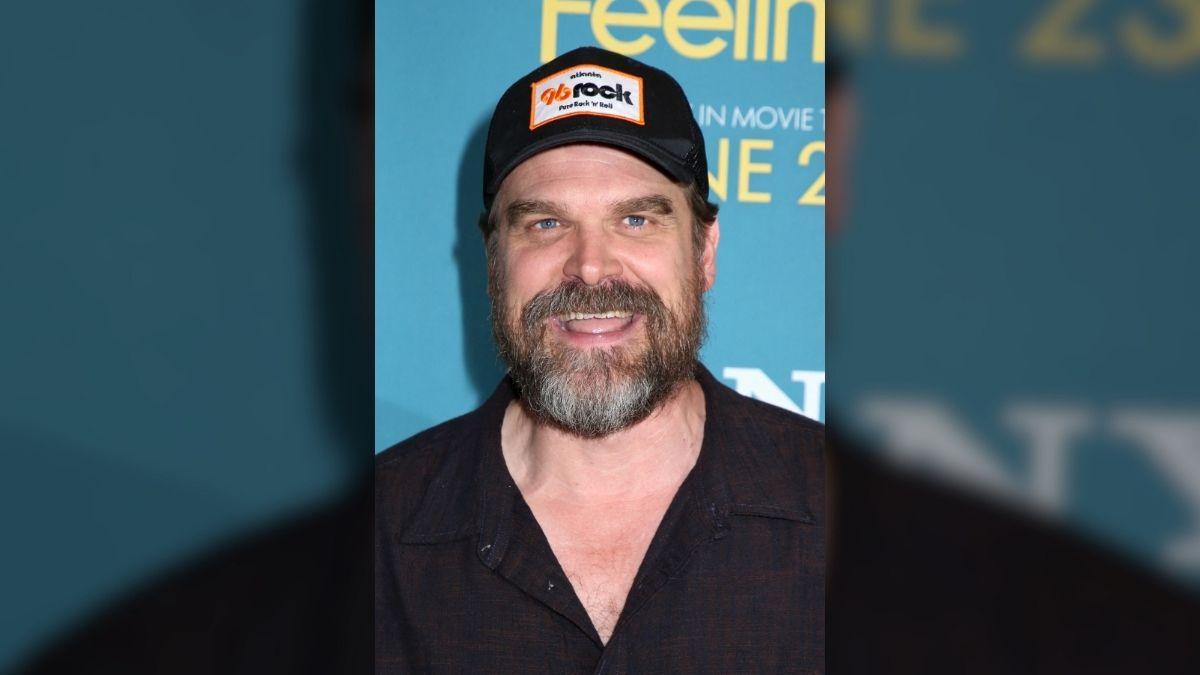
The 'Stranger Things' star shared how therapy and sobriety helped him navigate life’s challenges.
Harbour also noted that although bipolar disorder remains part of his life, it doesn’t fully capture who he is.
"My mental health disorder is something I live with, but it does not define me. However, if it defines you, I can assure you that there is a way to have a tremendously fulfilling life," he detailed.
"I'm living proof that you can be anything you want to be. There were times when I thought I'd never get to do what I wanted to do in this world or that I'd never get off the couch, frankly, and I want people to know that it does get better," he continued.
Want OK! each day? Sign up here!
Getting Sober and Professional Help
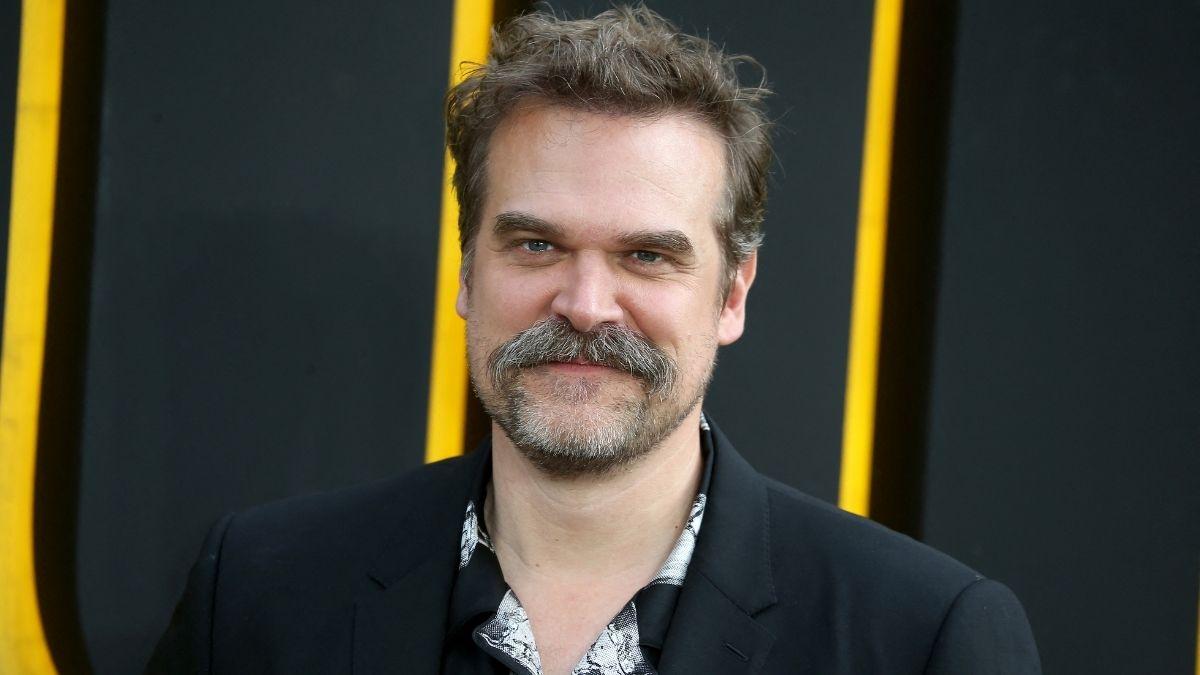
David Harbour reflected on the struggles he faced during manic episodes and the insights he gained.
Harbour also reflected on when he first decided to seek professional help, revealing that therapy has been part of his life for decades.
"I have been in therapy since I got sober in 1999," he said, explaining that quitting alcohol forced him to confront long-buried issues. "When I quit drinking, it forced me to confront a lot of demons that rose to the surface."
At the time, the actor said he was struggling financially but still made mental health care a priority. "I was very poor. However, I still was able to work once a week with a CSW who put me on a sliding scale," he shared.
More recently, Harbour said he has taken a deeper dive into treatment — one that’s had a profound impact on his well-being. "Only recently have I started intense psychotherapy, and it has made a world of difference in my treatment," he added.
'Disordered and Chaotic'
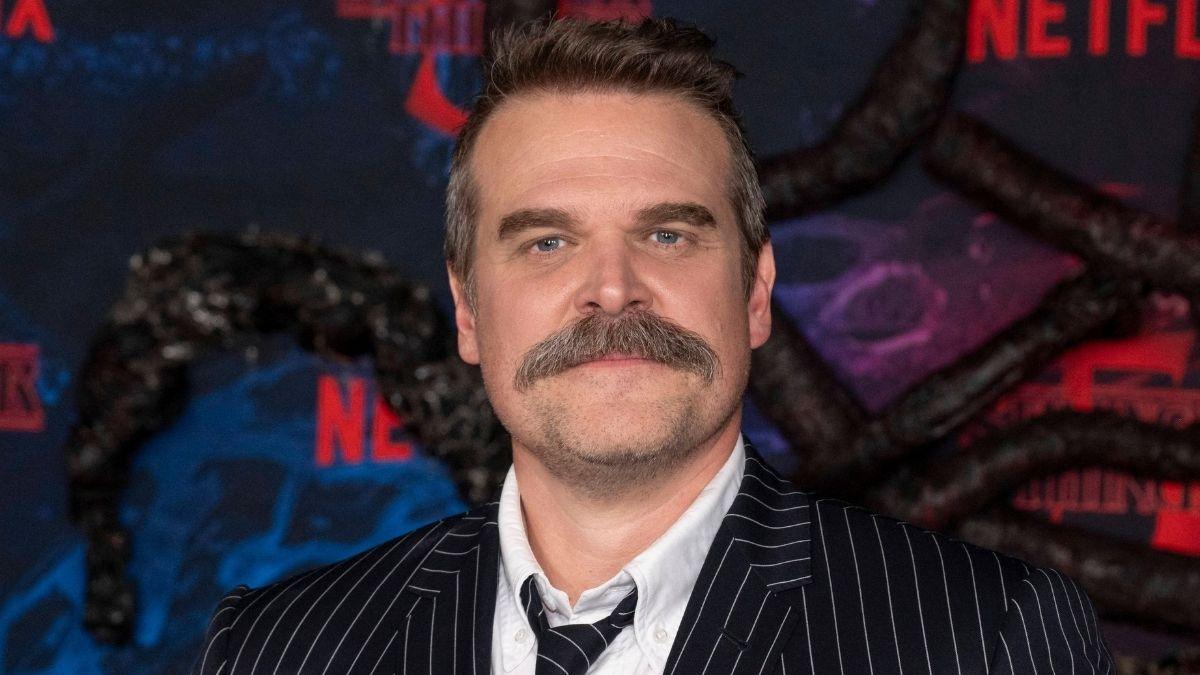
The actor said his mental health disorder does not define him, and he wants others to know the same.
When asked to describe what a manic episode feels like, Harbour offered a candid and unfiltered explanation of his experience.
"Thought becomes disordered and chaotic," he said. "Things that have no meaning became meaningful. Names, numbers, and colors acquire a twisted symbolism."
He went on to explain that the episodes are often accompanied by an inflated sense of self-importance, which can distort his perception of reality.
"There is a fundamental narcissism at the bottom of it all that makes me think I am the center of all things, for good or for ill," Harbour shared.
The actor also emphasized that while each episode is deeply personal, there are common patterns that tend to repeat.
"My manic episodes are, of course, a manifestation of my own particular psychopathy," he said. "They all share those traits, but each episode has been linked to certain fixations I had at the time."