
 Politics
Donald Trump's FCC Push Sparks Free Speech Showdown as Hollywood and Media Tensions Spill Into Entertainment

As Donald Trump backs threats to revoke broadcast licenses over Iran war coverage, the clash with the press is raising alarms across politics and rippling into the entertainment world.

March 22 2026, Published 10:33 a.m. ET


The long-running clash between President Donald Trump and the media is escalating again, but this time the stakes stretch beyond cable news panels and into the broader entertainment ecosystem.
In recent days, Trump publicly backed Federal Communications Commission (FCC) Chair Brendan Carr after he suggested broadcasters could face consequences for how they cover the U.S. war against Iran. The remarks have triggered bipartisan concern and renewed debate about press freedom, while underscoring how deeply politics now intersects with entertainment and media culture.
A Threat That Raises Constitutional Questions

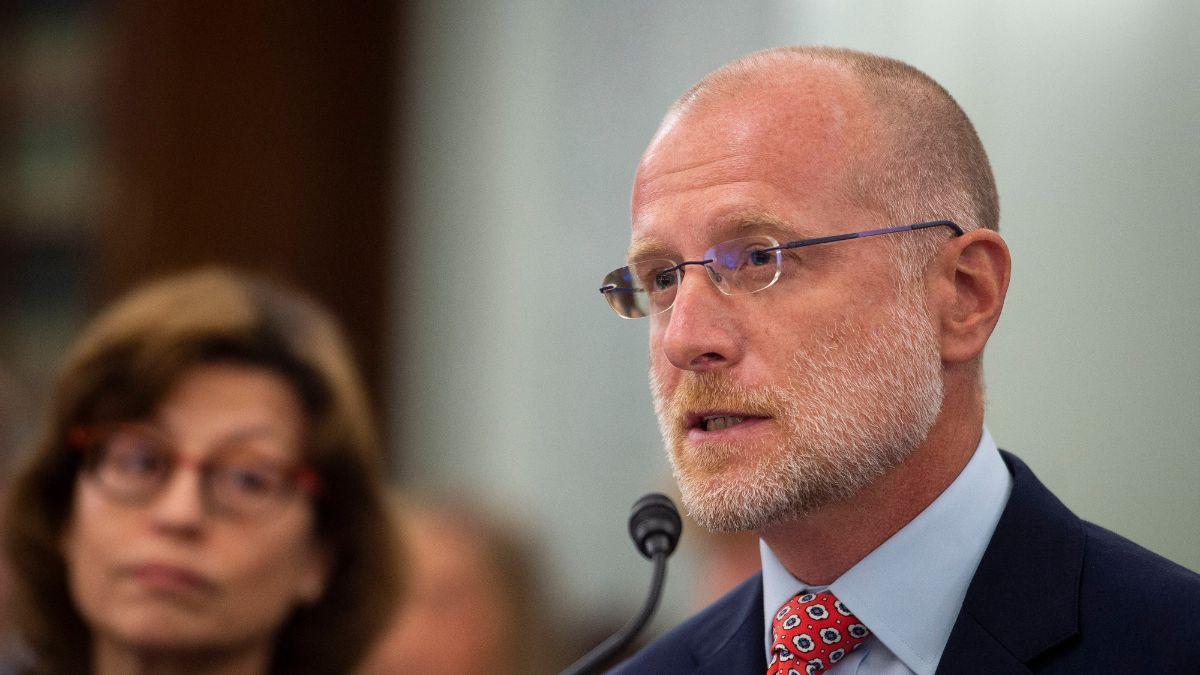
FCC threats triggered concern and debate over press freedom.
In a Truth Social post, Trump said he was “thrilled” that Carr was “looking at the licenses of some of these Corrupt and Highly Unpatriotic ‘News’ Organizations,” accusing them of using public airwaves to “perpetuate LIES.”
Carr echoed that sentiment, warning that broadcasters airing “hoaxes and news distortions” could risk losing their licenses if they fail to operate in the “public interest.” He also suggested that accelerating license reviews or even revocations could be “on the table.”
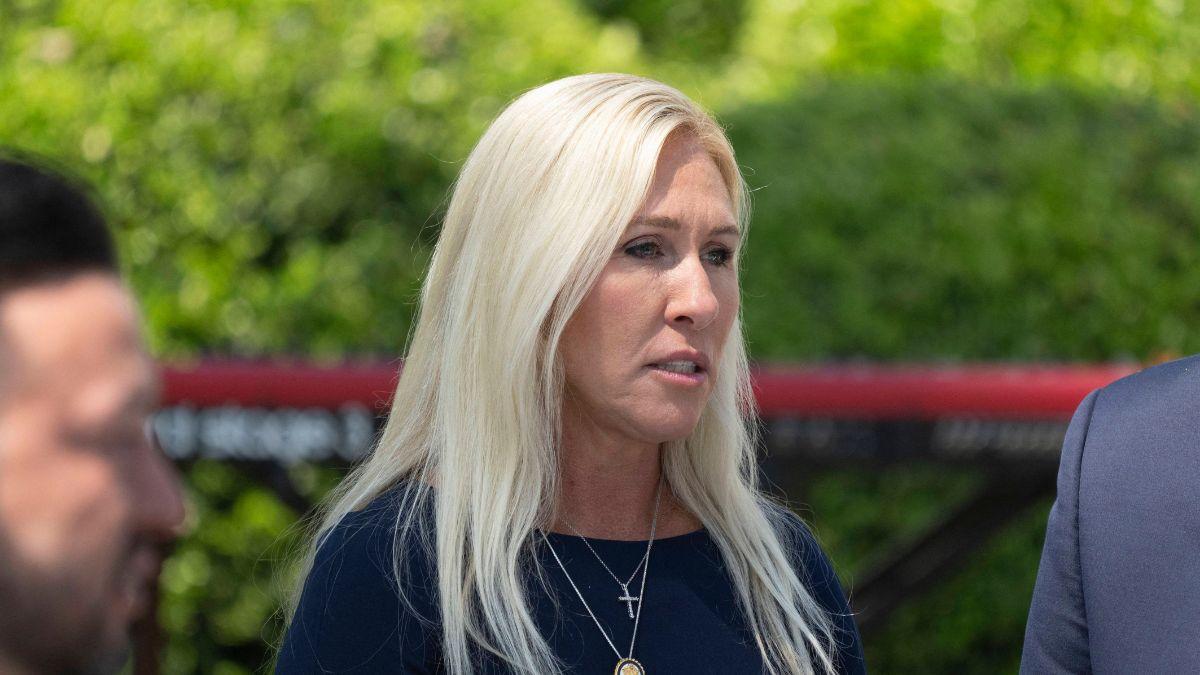
Marjorie Taylor Greene pushed back publicly.
The response was swift, and notably bipartisan. Lawmakers from both parties pushed back, emphasizing that the First Amendment protects news organizations from government interference. During an appearance on Fox News’s The Sunday Briefing, Republican Sen. Ron Johnson said, “I do not like the heavy-handed government, no matter who is wielding it … I would rather the federal government stay out of the private sector as much as possible."
Former Republican Rep. Marjorie Taylor Greene warned on CNN Monday against setting a precedent.
“No government, whether Republican or Democrat, should ever put a lid or any type of threatening enforcement on media companies as they try to get the truth out,” she said.
- MAGA Media Meltdown: Megyn Kelly and Tucker Carlson Feud With Trump Allies as Late-Night Roasts Iran War Chaos
- Donald Trump Attacks Comcast CEO Brian Roberts and MSNBC for 'Illegal Political Activity' in Late Night Social Media Rant
- Donald Trump Demands NBC Axe Seth Meyers Amid Feud: 'He Has No Talent'
Want OK! each day? Sign up here!
Why Entertainment Isn’t Immune
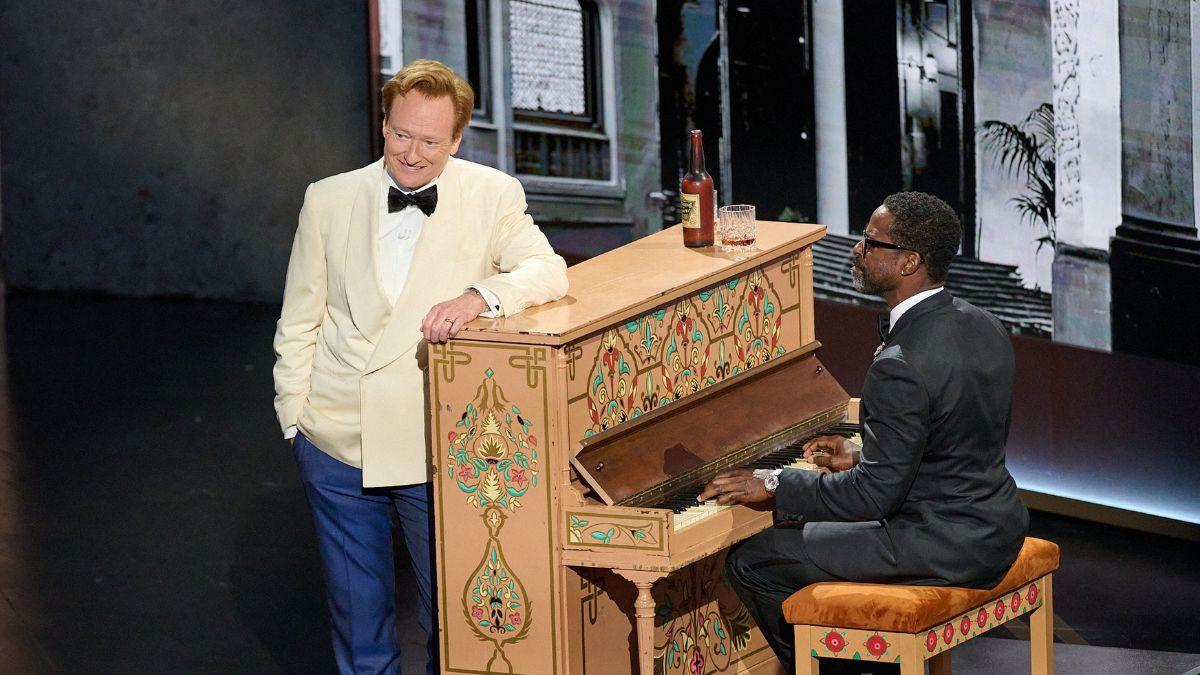
Entertainment networks faced broader political tension.
While the dispute centers on news coverage, its implications extend far beyond traditional journalism. Broadcast networks like ABC, CBS, and NBC — whose local affiliates fall under FCC oversight — also produce and distribute entertainment programming, from late-night shows to live events like the Oscars.
That overlap is where the tension becomes cultural as much as political. Late-night hosts, award shows, and celebrity-driven media increasingly double as platforms for commentary on current events. As a result, criticism aimed at “news organizations” often bleeds into entertainment spaces that share the same distribution channels.
The Trump administration’s broader frustration with media coverage has already played out on those stages, with comedians and presenters turning political conflict into material, further blurring the line between reporting and entertainment.
A Changing Media Landscape
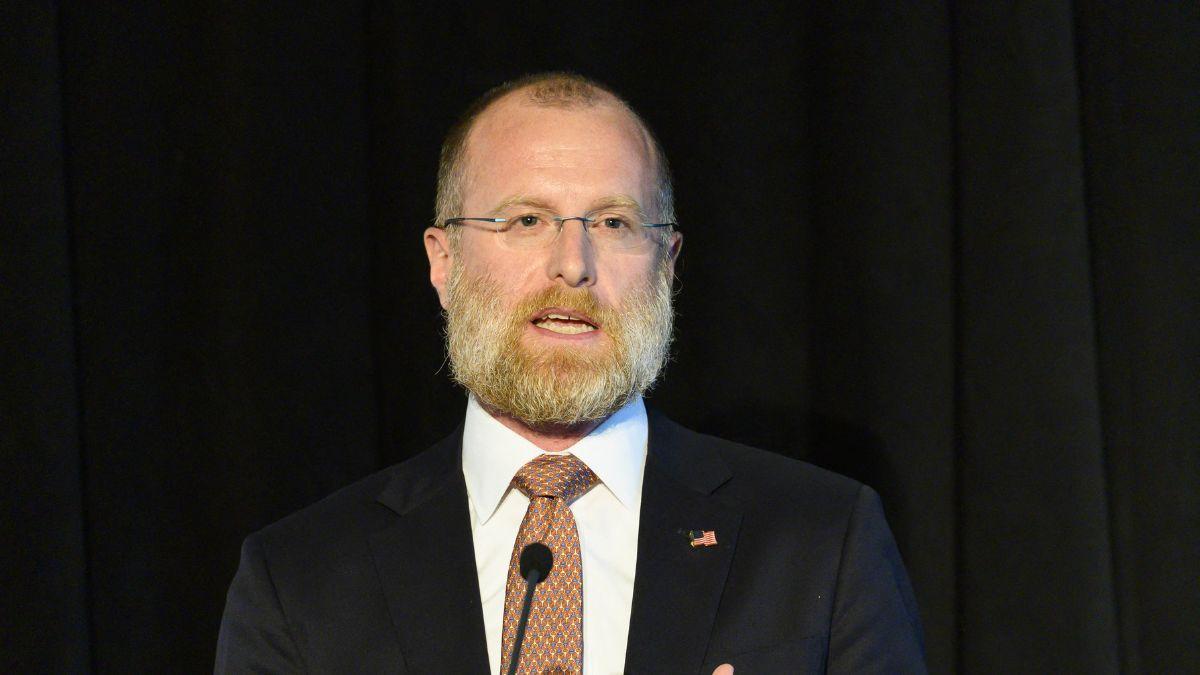
The media regulation debate intensified again.
Carr has argued that broadcasters should “reorient their operations to the public interest,” pointing to declining trust in traditional media and shifting audience habits. But critics say the real issue is the government attempting to influence editorial decisions.
Notably, the FCC’s authority applies only to broadcast television, not cable networks, streaming platforms, or social media, where much of today’s media consumption happens. That limitation highlights a key contradiction: the administration’s toughest rhetoric is aimed at a shrinking slice of the media landscape.
At the same time, attacks on coverage have intensified alongside the war in Iran, with officials criticizing outlets like CNN, The Wall Street Journal, and ABC News for focusing on unfavorable developments.
For entertainment audiences, the result is a familiar but increasingly charged dynamic: politics driving headlines, headlines shaping content and content fueling the next cycle of commentary.