
 Politics
Donald Trump's 'Jesus' Meme 'Isn't an Isolated Gaffe,' Expert Insists: 'It's a Pattern'

Donald Trump said his viral ‘Jesus’ image was meant to depict a doctor.

April 16 2026, Published 6:29 a.m. ET


President Donald Trump’s attempt to explain away a viral image appearing to depict him as Jesus Christ has only deepened the conversation he may have been trying to shut down.
After posting, then deleting, an AI-generated image that showed him in flowing robes with a glowing hand extended in what many interpreted as a Christ-like pose, the president insisted the image had been misunderstood.

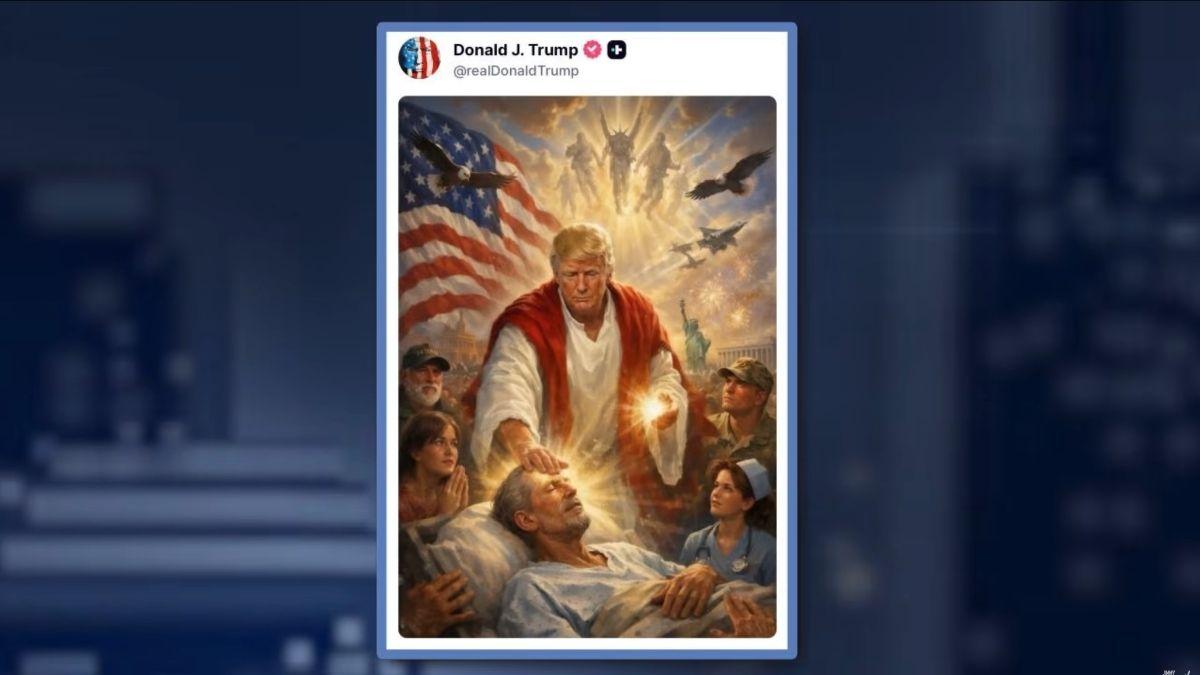
The explanation sparked scrutiny after the post was deleted.
“I did post it, and I thought it was me as a doctor,” Trump told reporters, adding that it was “supposed to be me as a doctor, making people better.” He later said the image was removed because he “didn’t want to have anybody be confused.”
The Explanation That Became the Story
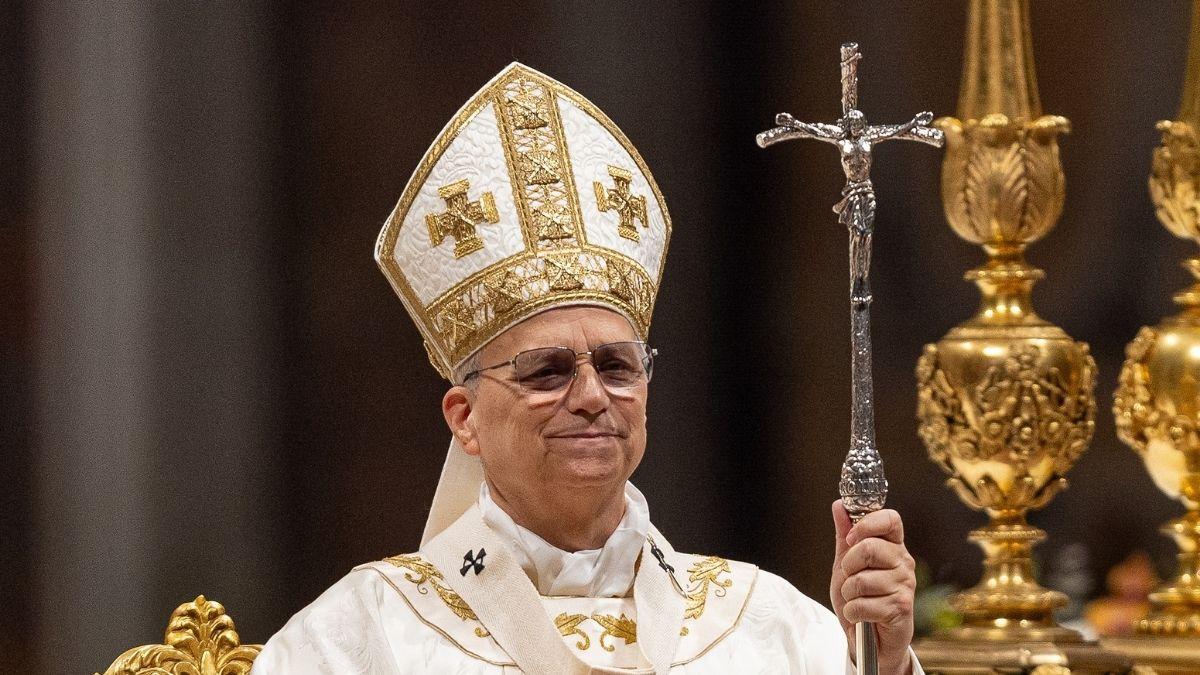
The controversy escalated following his remarks about Pope Leo XIV.
If the goal was to quiet backlash, it didn’t exactly work.
Instead, the explanation became the new focal point. The original post had already drawn criticism, including from Trump supporters who viewed it as sacrilegious, particularly given its timing around Easter and his ongoing public clash with Pope Leo XIV.
But the idea that the image was meant to depict a doctor — despite the religious imagery, including robes, a red sash, and a glowing aura — added another layer of disbelief.
Want OK! each day? Sign up here!
'A Self-Own of the Worst Magnitude'
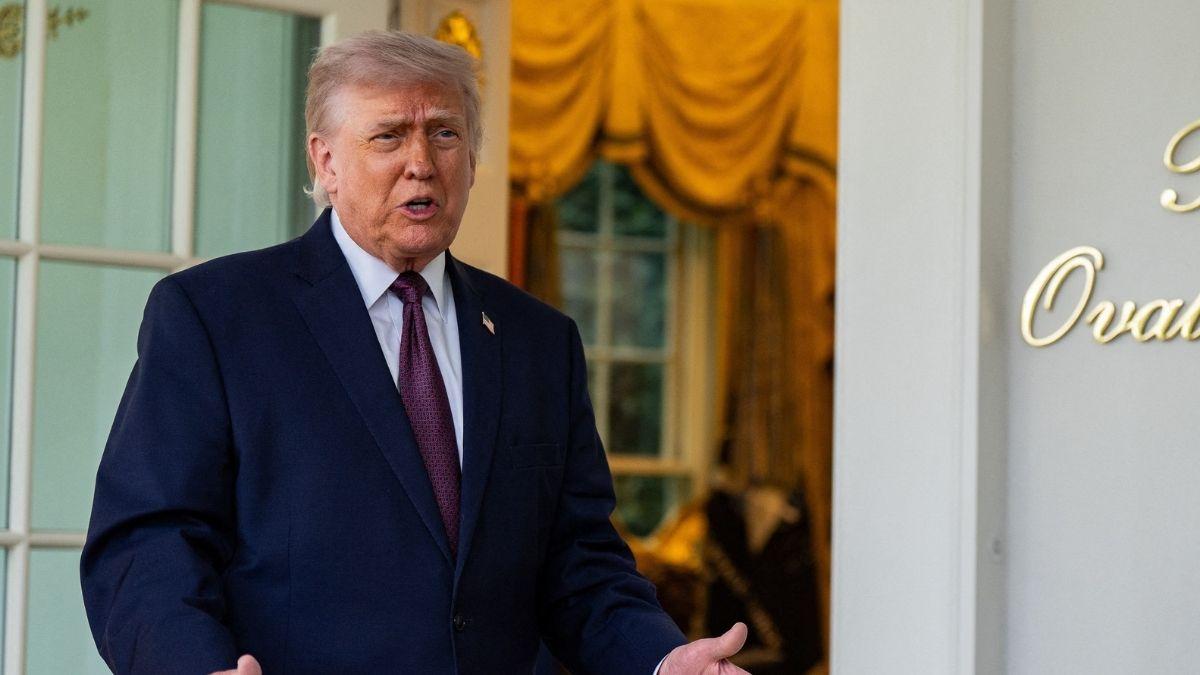
Critics questioned the claim as religious imagery dominated the image.
For communications strategist Evan Siegfried, President of Somm Consulting, the issue isn’t just the post or the explanation, it’s the pattern.
“What we’re seeing isn’t an isolated gaffe — it’s a pattern, and when a pattern emerges over eight days, the pattern itself becomes the story,” Siegfried says.
“It started on Easter Sunday and culminated a week later with an attack on Pope Leo — the only American pope in history — and an AI-generated image depicting himself as Jesus that he subsequently deleted after claiming he thought it was him as a doctor,” he explains.
“Every new development throws gas on what should be a dying fire. What should have been embers by now is now a roaring bonfire,” Siegfried adds. “This is a self-own of the worst magnitude.”
When Clarification Backfires
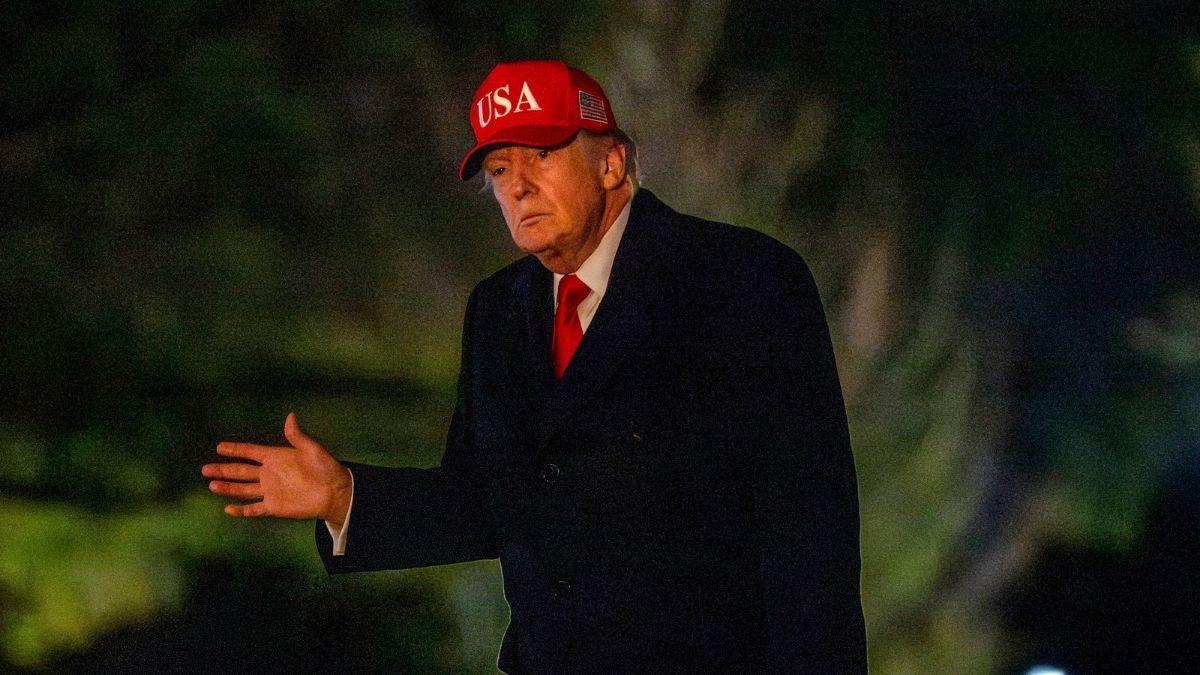
His response prolonged the backlash instead of containing it.
In typical crisis management, a clarification is meant to narrow interpretation and restore control over the narrative. Here, it arguably did the opposite.
By offering an explanation that many found implausible, the response invited further analysis, parody, and skepticism.
The episode also underscores how quickly a single post can spiral in today’s media ecosystem, especially when it intersects with religion, politics, and spectacle.
Trump’s decision to delete the image—something he rarely does—suggested the backlash had reached an unusual level. But by then, the narrative had already shifted from the image to the explanation behind it.
And in that shift, the question changed from what the post meant to whether the response made things worse.