
 Politics
Ex-FBI Director James Comey's '86 47' Court Case Heats Up as His Attorneys Challenge Trump Administration's Threat Allegations

James Comey surrendered to authorities.

May 2 2026, Published 11:30 a.m. ET


James Comey walked into federal court this week in a dark suit and left less than 10 minutes later, but his legal fight is just getting started.
The former FBI director surrendered to authorities before appearing in the Eastern District of Virginia over charges tied to a social media post that critics claim threatened President Donald Trump. At the center of the case is a photo Comey shared last May showing seashells arranged to read “86 47,” captioned, “Cool shell formation on my beach walk.”

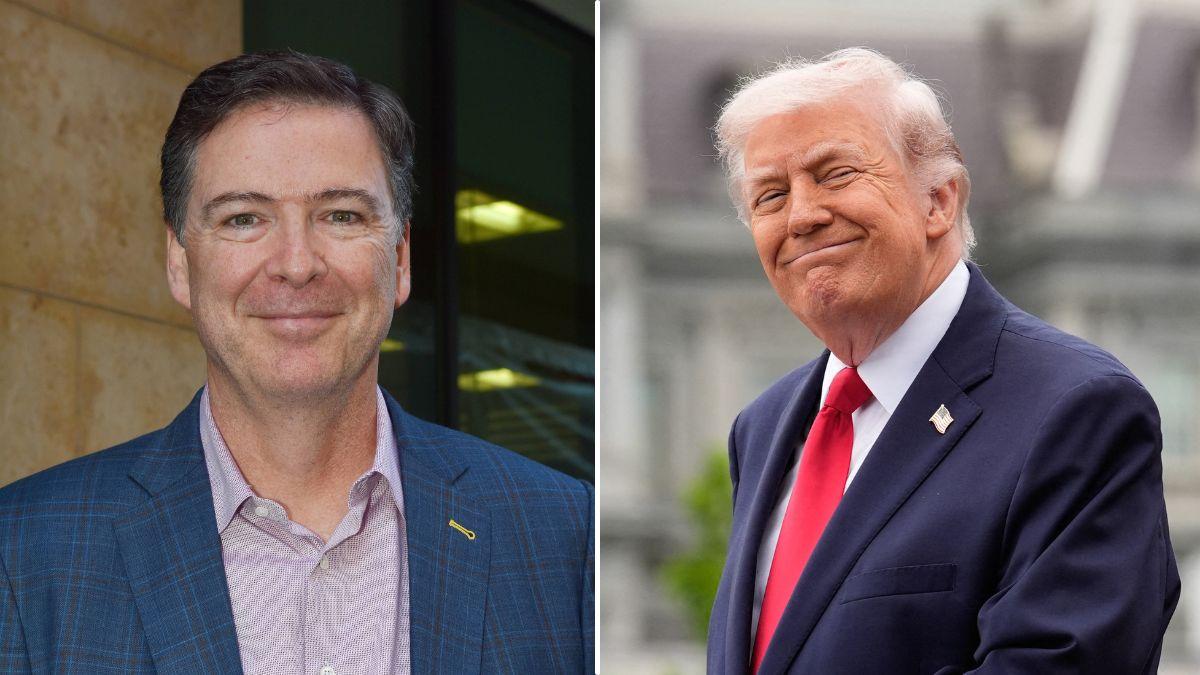
His ‘86 47’ social media post sparked charges.
The numbers quickly ignited backlash. In slang, “86” can mean to get rid of something, while Trump is the 47th president. Prosecutors have charged Comey with making a threat against the president and transmitting a threat in interstate commerce.
Comey did not speak during the hearing and was released without conditions. His attorneys signaled they will fight the case aggressively, including claims of selective and vindictive prosecution.
A Legal Fight Over Meaning
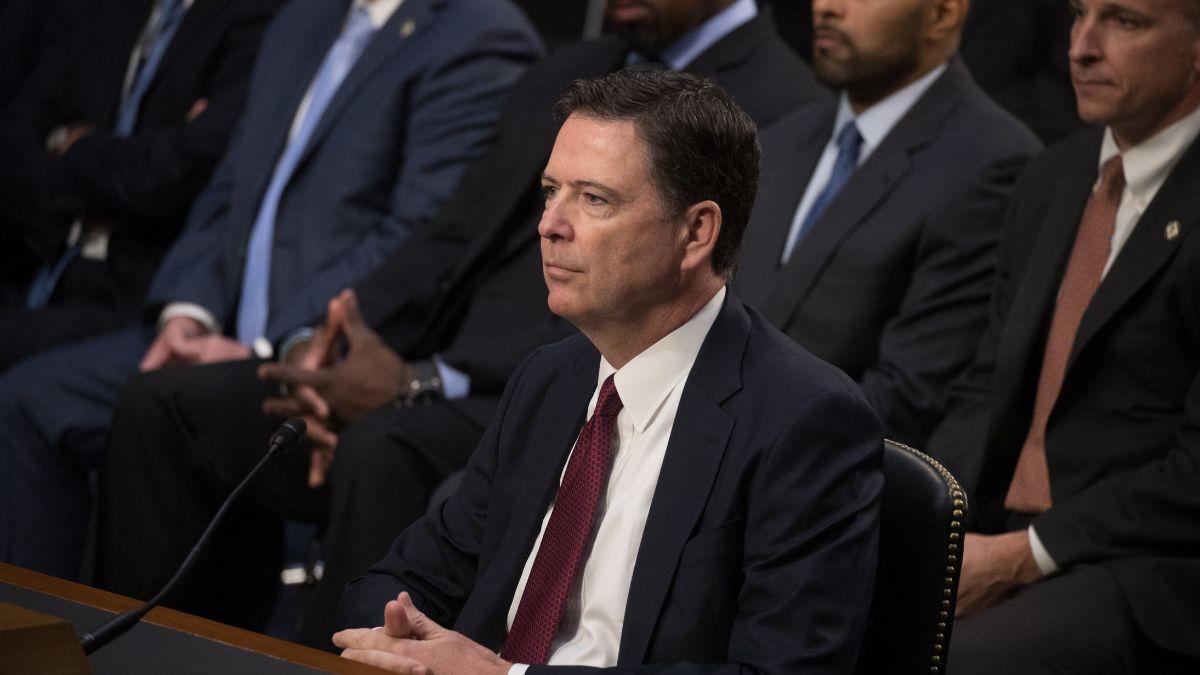
Legal experts said intent is critical to the case.
“The Comey indictment presents a serious but rightfully contested prosecution,” said attorney Catherine M. Cherkasky at Golden Law Inc., who is not involved in the case. “To convict, the government must prove beyond a reasonable doubt that the post was a ‘true threat’ and that Comey subjectively understood, or consciously disregarded a substantial risk, that it would be read as a serious expression of intent to do violence to the president.”
That standard comes from recent Supreme Court precedent, which requires prosecutors to show not just how a statement could be interpreted, but what the speaker intended.
Tarlika Nunez-Navarro, a former trial judge and current Dean of St. Thomas University School of Law, said that ambiguity could be decisive.
“When language is open to interpretation, that generally works in favor of the speaker under the First Amendment,” she explained. “Courts are very cautious about criminalizing speech unless there is clear evidence of a serious intent to threaten.”
- Trump Administration Bombshell: Former FBI Director James Comey Slapped With Second Indictment by DOJ
- 'I'm Not Afraid': Defiant James Comey Knows 'There Are Costs' to Standing Up to Donald Trump After Indictment
- Inside Corey Lewandowski's Political Rise, Sexual Harassment Scandal and Rumored Kristi Noem Affair
Want OK! each day? Sign up here!
Why James Comey’s Background Matters
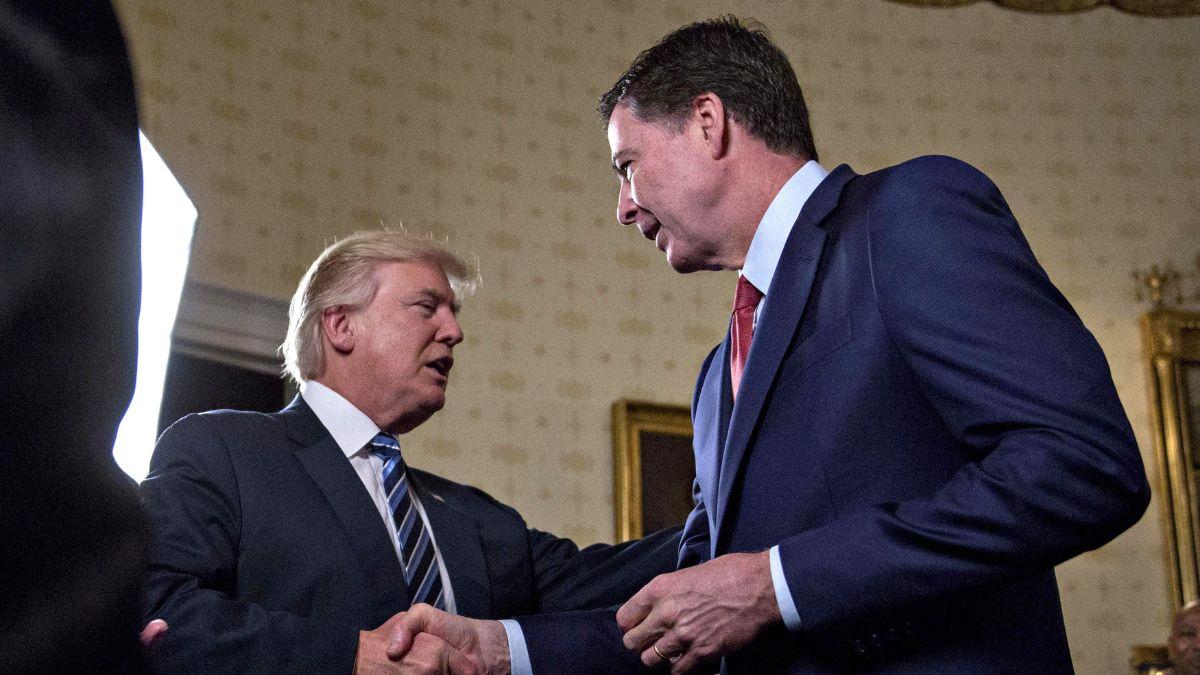
His background was cited as key to interpreting the post.
“Prosecutors would likely argue that intent can be inferred… from the fact that James Comey, as a former FBI Director, would understand how certain language could be interpreted,” Nunez-Navarro said.
Comey’s actions after posting may also come into play. He deleted the image within hours, publicly denied any violent intent, and agreed to a voluntary interview with the Secret Service.
A Case That Could Go the Distance
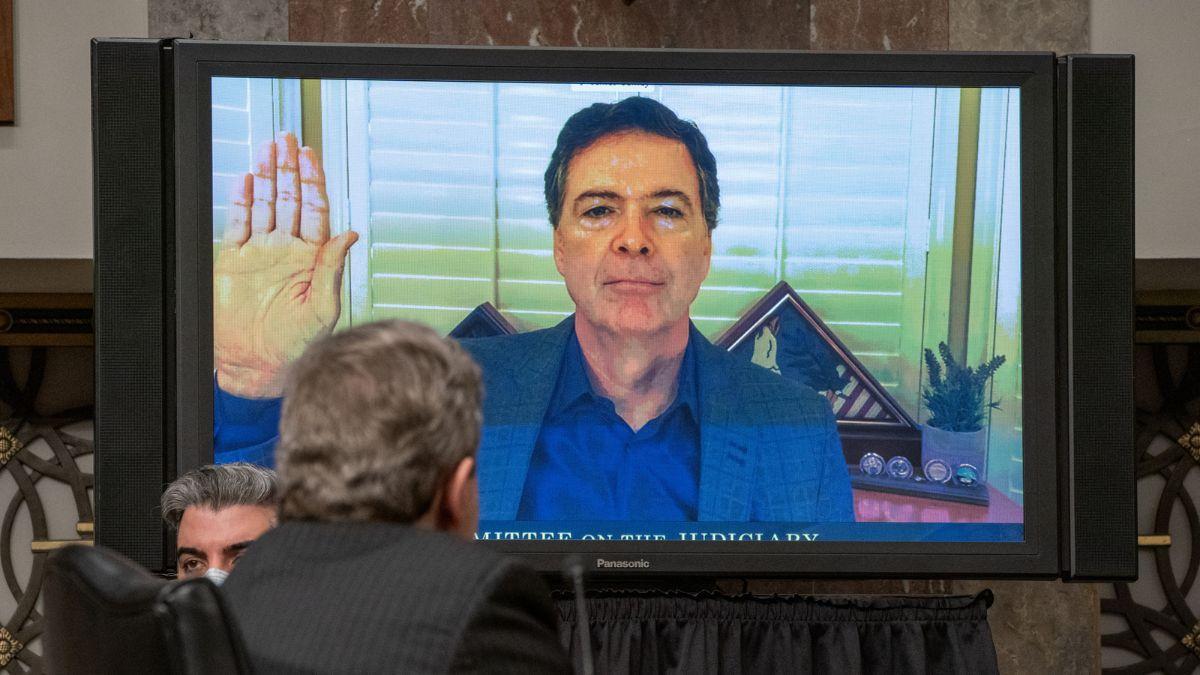
The legal battle tested free speech.
The case marks the second time Trump’s Justice Department has pursued charges against Comey, following an earlier case that was dismissed on procedural grounds.
Now, with no plea entered and no trial date set, the next phase will likely unfold through a series of pretrial motions that could determine whether the case even reaches a jury.
“The underlying issues are genuinely contested and could make it all the way to a jury,” Cherkasky said.