
 CELEBRITY STYLE & FASHION NEWS
Met Gala 2026 Raises Record $42 Million, But Bezos Backlash Steals the Spotlight

The Met Gala raised a record $42 million.

May 8 2026, Published 8:32 a.m. ET


The Met Gala has always thrived on spectacle, but in 2026, the real drama unfolded beyond the red carpet.
As the event raised a record-breaking $42 million for the Metropolitan Museum of Art’s Costume Institute, it also found itself at the center of a cultural debate over billionaire influence, protest movements, and the evolving optics of philanthropy.
A Record Year Powered by Tech Money

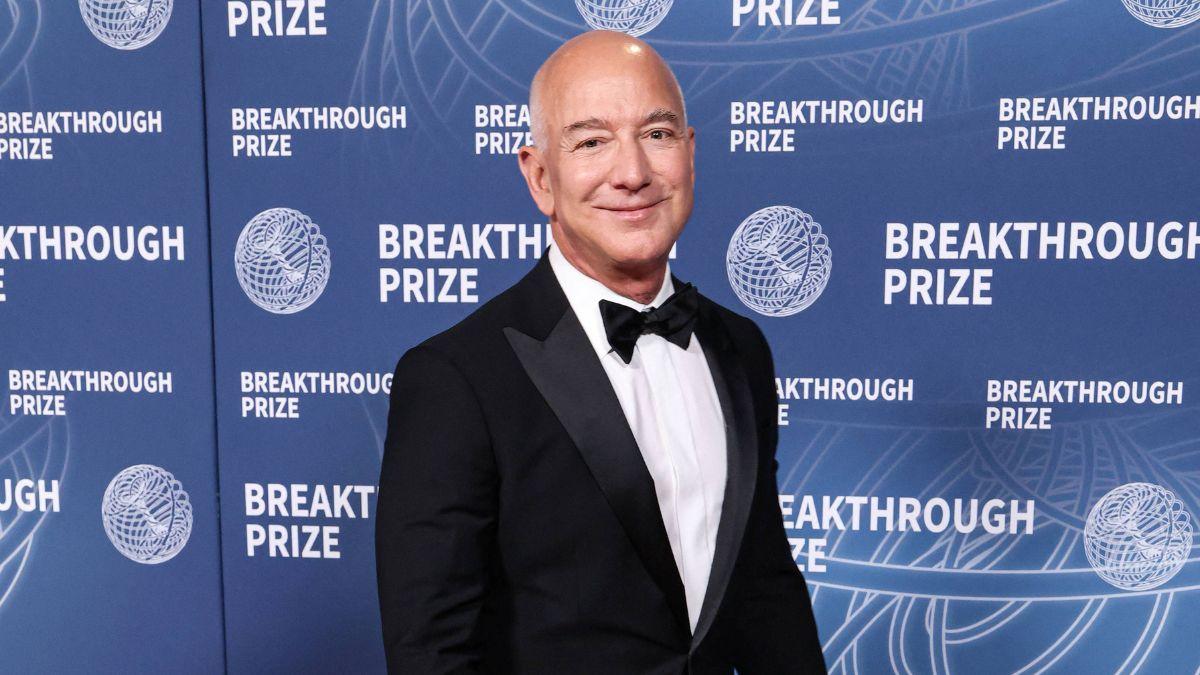
Protesters targeted Jeff Bezos during the event.
This year’s gala surged past last year’s $31 million total, driven in large part by Silicon Valley, with Jeff Bezos and Lauren Sánchez Bezos serving as lead sponsors and contributing a reported $10 million.
Major tech players including Amazon, Meta, OpenAI, and Snapchat purchased tables priced at $350,000, while individual tickets climbed to a reported $100,000. The shift signaled a notable evolution for an event historically dominated by fashion houses and Hollywood stars.

Anna Wintour defended the gala’s mission.
Speaking at a press preview ahead of the gala, Anna Wintour, who has overseen the event for decades, acknowledged how far it has come.
“Years ago this was a very small event and honestly, we sometimes had to chase people to attend,” she said. “Fashion, we were a bit of a curiosity. Now fashion is everywhere and belongs to everyone.”
Want OK! each day? Sign up here!
When the Sponsor Becomes the Story
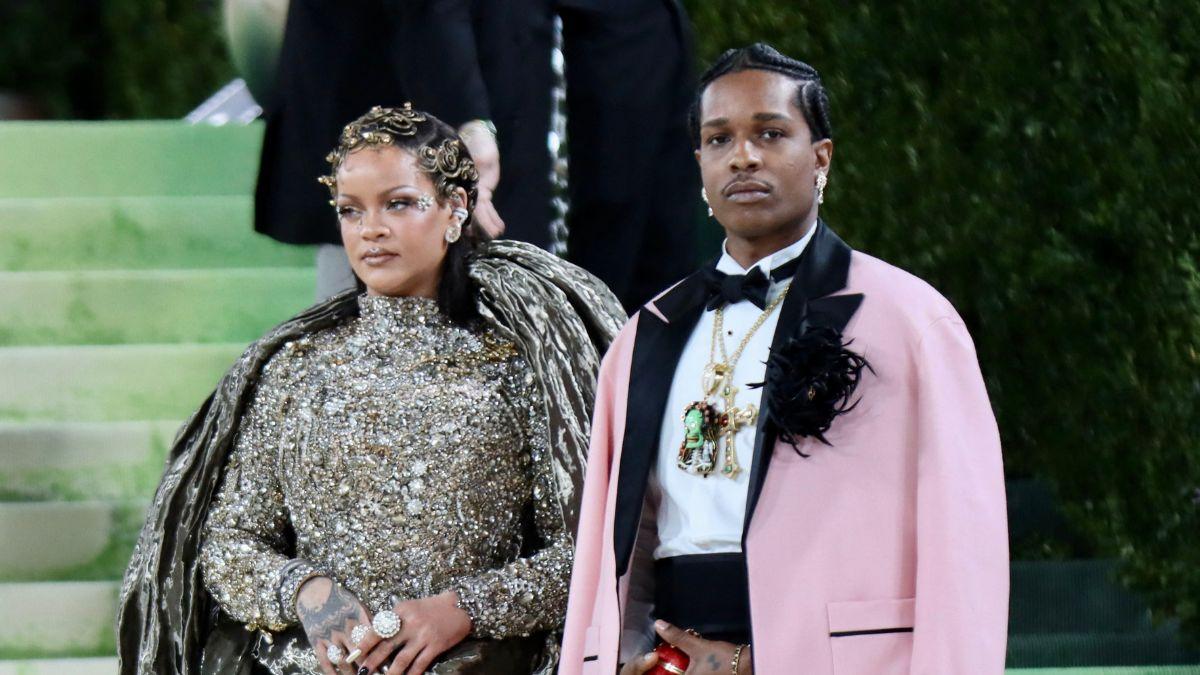
Tech companies dominated this year’s sponsorships.
Protesters targeted Bezos’ involvement both online and across New York, staging demonstrations, projecting anti-billionaire messages, and organizing a counter-event dubbed the “Ball Without Billionaires.”
“The Met Gala just had a record fundraising year and a reputational crisis simultaneously, which is actually a very complicated place to be,” said Amore Philip, founder of Apples and Oranges Public Relations. “When a controversial sponsor drives record revenue, the institution faces a choice that has no clean answer.”
Philip noted that institutions must carefully navigate how they communicate in these moments, balancing donor relationships with public expectations.
“Do you lead with the numbers and risk looking like you are defending the sponsor? Or do you distance yourself from the sponsor and risk alienating the donor who just wrote the biggest check? Neither option is comfortable and both carry consequences.”
Redirecting the Narrative

The backlash overshadowed the fundraising success.
In the face of backlash, the Met’s leadership leaned into the gala’s core mission: funding art, preservation, and education. Wintour emphasized that Sánchez Bezos played an active role in supporting the exhibition, praising her “enthusiasm and good ideas.”
“What smart institutions do in this moment is redirect the narrative back to mission,” Philip said. “Leading every post event communication with the cultural and charitable impact… keeps the conversation anchored to purpose rather than personality.”
Still, the 2026 Met Gala underscored a new reality for legacy institutions. As Philip put it, “Philanthropic outcomes and public perception do not always move in the same direction. You can raise record money and lose cultural credibility at the same time ”