
 TRUE CRIME NEWS
Nancy Guthrie Disappearance: Inside the Rise of Amateur Sleuths — and the Risks They Bring

As online detectives flood social media with theories about Savannah Guthrie’s missing mother, experts warn the viral attention may be doing as much harm as good.

March 26 2026, Published 9:44 a.m. ET


The disappearance of Nancy Guthrie has gripped the internet, transforming a deeply personal tragedy into a viral true-crime spectacle as amateur sleuths race to crack the case in real time.
The 84-year-old mother of Today show host Savannah Guthrie vanished the night of January 31 near Tucson, Ariz., and was reported missing the following day when she failed to appear at church. Weeks later, with no suspects identified, the case has drawn massive online attention and mounting concern about the consequences of that attention.
A Family Plea Amid Growing Attention

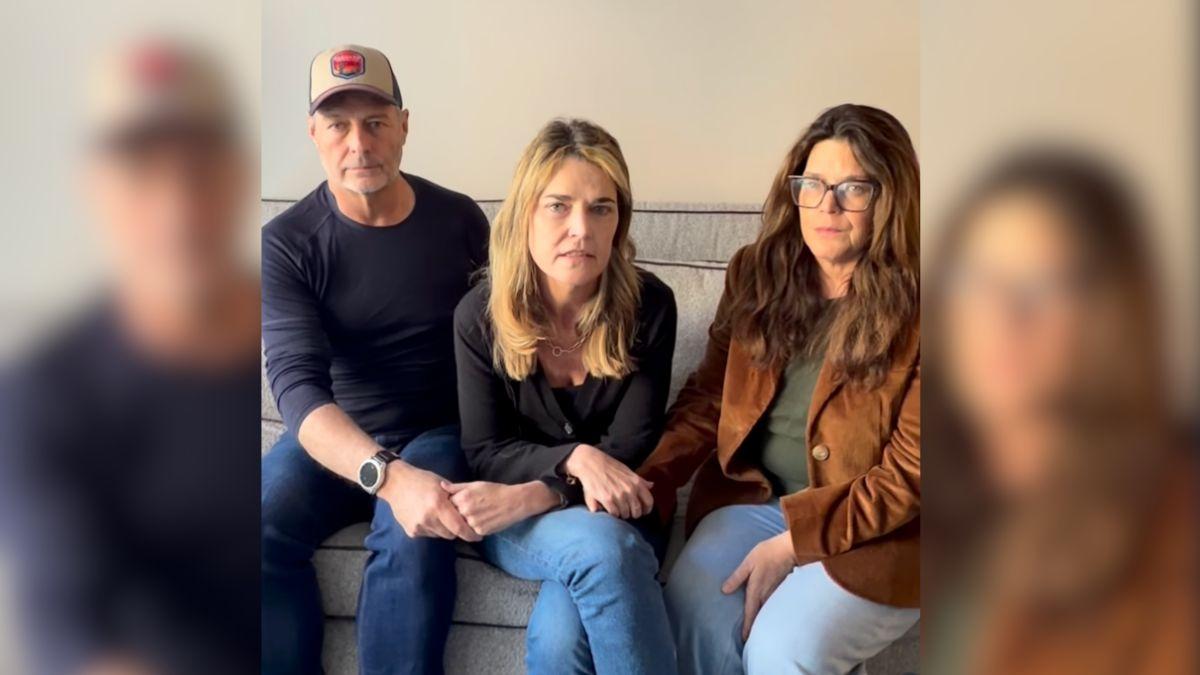
The family urged the public to focus on facts over theories.
As speculation swirls, the Guthrie family is urging the public to focus on facts, not theories.
“We desperately ask this community for renewed attention to our mom's case — please consult camera, footage, journal notes, text messages, observations, or conversations that in retrospect may hold significance. No detail is too small. It may be the key,” the family said in a March 21 statement.
They added, “We miss our mom with every breath, and we cannot be in peace until she is home.”
Law enforcement has continued its investigation, including releasing footage of a potential suspect and analyzing evidence such as gloves found near the home. A $1 million reward has been offered for information leading to Nancy’s recovery.
The Internet Steps In
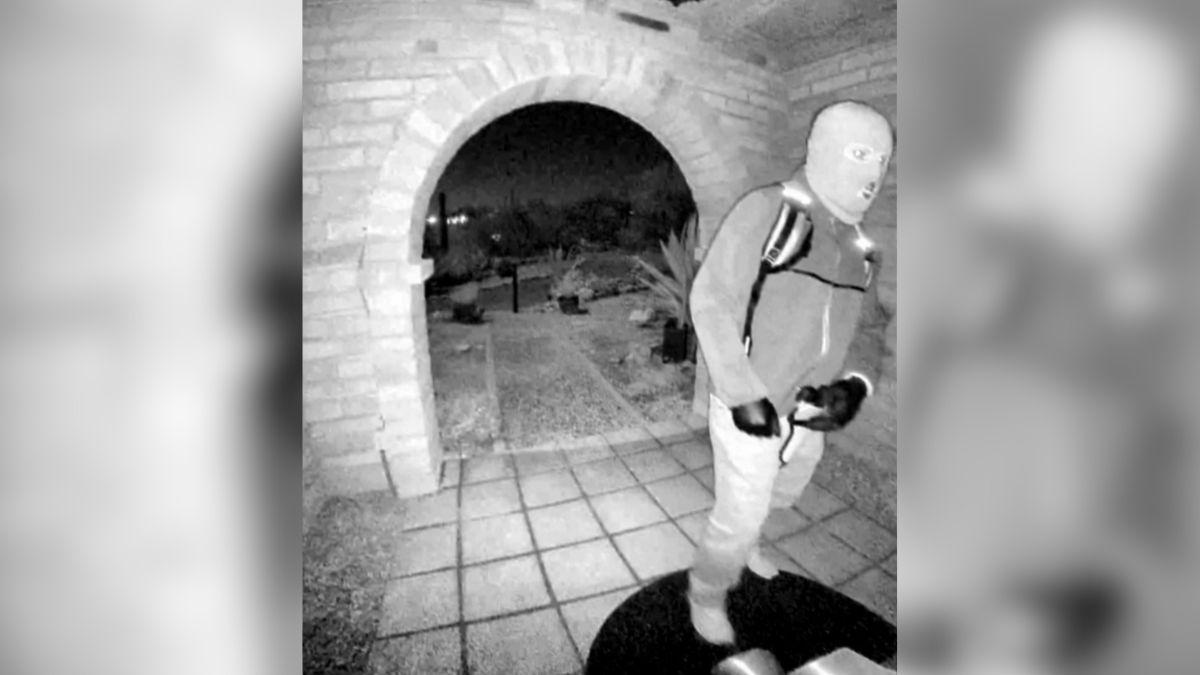
Social media users flooded platforms with timelines and analysis.
Almost immediately after news of the disappearance broke, social media users began dissecting the case.
Influencers have shared timelines, analyzed footage, and even visited the neighborhood, while posts across TikTok, Instagram, X and YouTube have reached millions. Some users claim their efforts raise awareness, pointing to past cases like Gabby Petito’s, where online attention may have contributed to key developments.
But the speed and scale of online engagement have also fueled misinformation. One widely circulated claim that a family member was a suspect was quickly debunked by authorities, who confirmed they have no persons of interest.
- Savannah Guthrie's Missing Mom Nancy Guthrie: Search Expands as Sheriff Announces 'New Leads'
- Nancy Guthrie Case Erupts as Detectives Launch New Probe Into Mysterious Internet Glitch on Night of Missing Mom's Disappearance
- Nancy Guthrie Case: Retired Homicide Sergeant Reveals How Police May Have Jeopardized Investigation From the Start
Want OK! each day? Sign up here!
When Sleuthing Crosses the Line

Authorities warned that rumors risked harming the investigation.
In some cases, online involvement has gone beyond speculation into disruption.
Livestreamers have camped outside the Guthrie home, broadcasting for hours and chasing unverified leads. One incident even involved a food delivery sent to the crime scene, prompting officials to warn that such actions interfere with the investigation.
Authorities have been blunt about the risks.
“I plead with you to be careful of what it is we put out there,” Pima County Sheriff Chris Nanos said at a press conference. “You could actually be doing some damage to the case.”
Experts say the problem is not just distraction. False accusations, viral rumors, and speculative content can derail investigations and deepen the trauma for families already in crisis.
Awareness vs. Interference
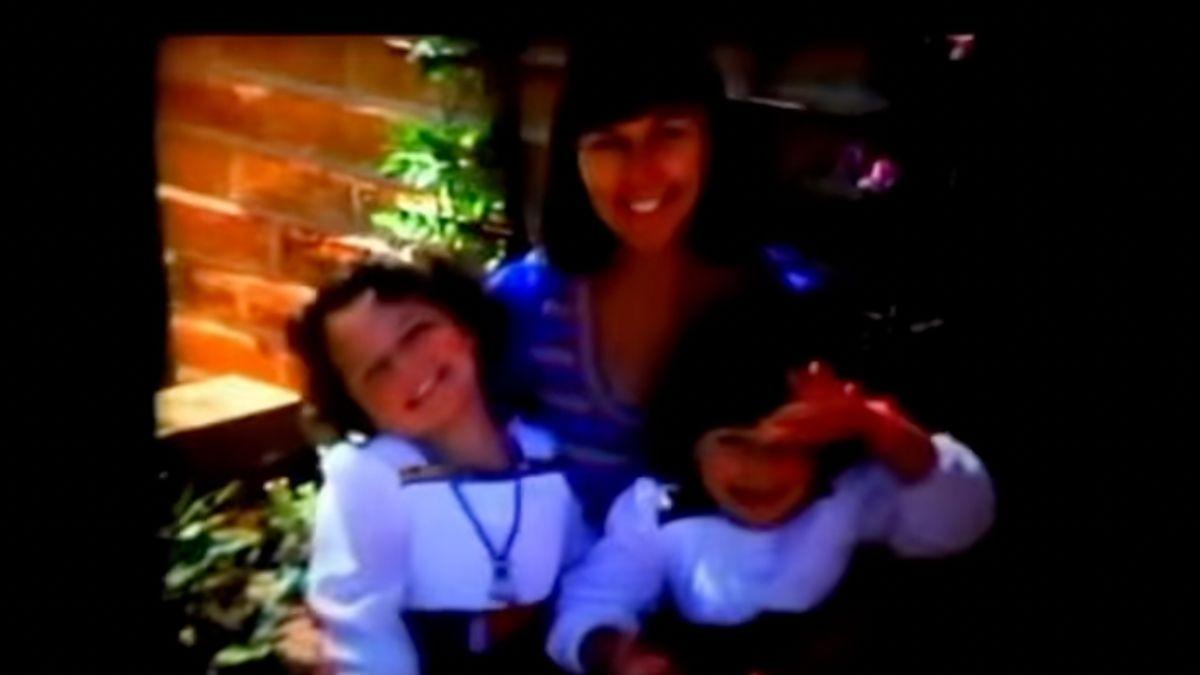
Investigators continued reviewing evidence as amateur sleuthing intensified.
The surge in amateur sleuthing reflects a broader cultural shift, where true crime has become interactive — and sometimes intrusive.
While increased visibility can generate tips, it can also create noise that investigators must sort through, slowing progress. For now, the Guthrie family’s message remains clear: attention matters, but accuracy matters more.