
 NEWS
NEWSPop Music Legend Neil Sedaka's Family 'Devastated' by His 'Sudden' Death at 86: 'An Incredible Human'

Neil Sedaka died at age 86 after a six-decade music career.

March 8 2026, Published 8:23 a.m. ET


Neil Sedaka, the influential singer-songwriter responsible for enduring hits including “Breaking Up Is Hard to Do,” “Laughter in the Rain,” and “Bad Blood,” has died at the age of 86.
His family confirmed the news, sharing a statement that read: “Our family is devastated by the sudden passing of our beloved husband, father and grandfather, Neil Sedaka. A true rock and roll legend, an inspiration to millions, but most importantly, at least to those of us who were lucky enough to know him, an incredible human being who will be deeply missed.”
A Pioneer of Early Pop Stardom

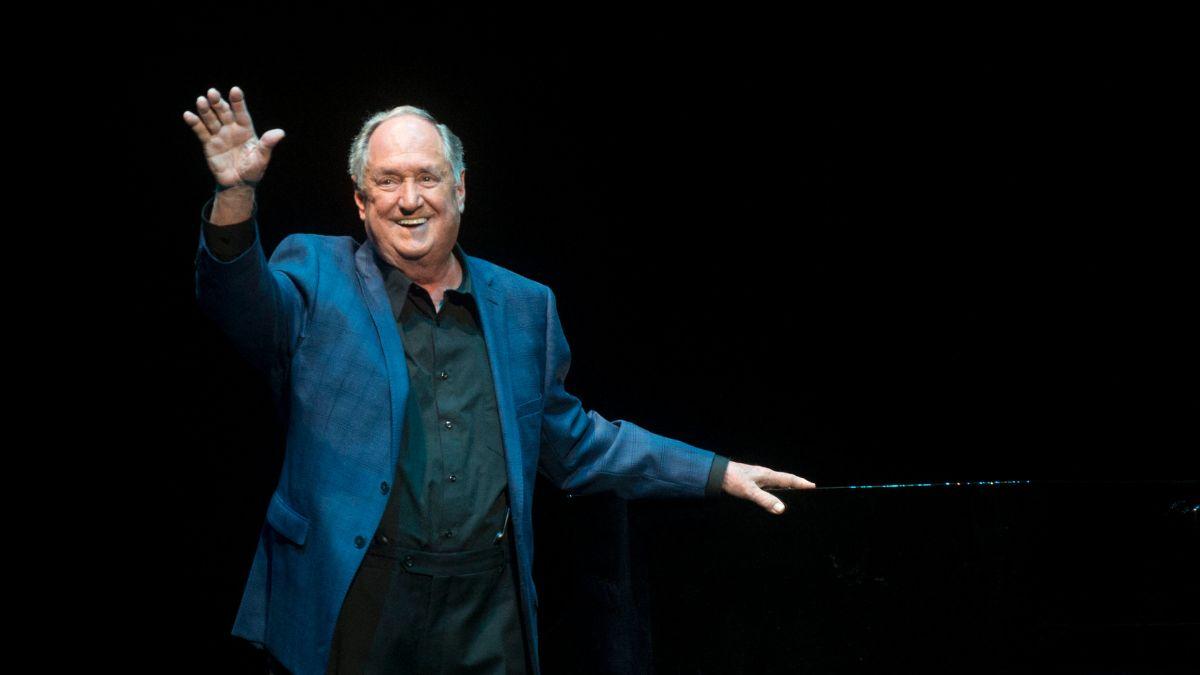
The singer-songwriter helped shape early pop music with dozens of chart-topping hits.
Born March 13, 1939, in Brooklyn, New York, Sedaka emerged as one of the earliest teen pop stars of the late 1950s and early ’60s. A gifted pianist from childhood, he earned a scholarship to the Juilliard School’s Preparatory Division for Children and initially trained in classical music before shifting his focus to pop songwriting.
As a teenager, he met lyricist Howard Greenfield, a neighbor in his Brooklyn apartment building. Their partnership would become one of the most successful songwriting collaborations of the era.
Brill Building Hitmaker

Neil Sedaka scored a No. 1 hit with 'Breaking Up Is Hard to Do' in 1962.
Sedaka and Greenfield quickly became fixtures of New York’s famed Brill Building, the songwriting hub that produced some of the biggest hits of the early rock-and-roll era. Their first major success came in 1959 when Connie Francis recorded their song “Stupid Cupid.” They later wrote Francis’ signature hit “Where the Boys Are,” the theme to the 1960 film of the same name.
Sedaka soon launched his own solo career, scoring a string of hits including “The Diary,” “Oh! Carol,” “Calendar Girl,” “Happy Birthday, Sweet Sixteen,” and “Next Door to an Angel.” In 1962, “Breaking Up Is Hard to Do” became his first No. 1 single on the Billboard Hot 100.
“I was the king of the tra-la-las and doo-be-do’s in the ’50s and ’60s,” Sedaka once said. “It had to have a very catchy tune, with a catchy beat that you can dance to.”
During their early run, Sedaka and Greenfield sold tens of millions of records, with their songs becoming staples of early pop radio.
Want OK! each day? Sign up here!
A Career Reinvented
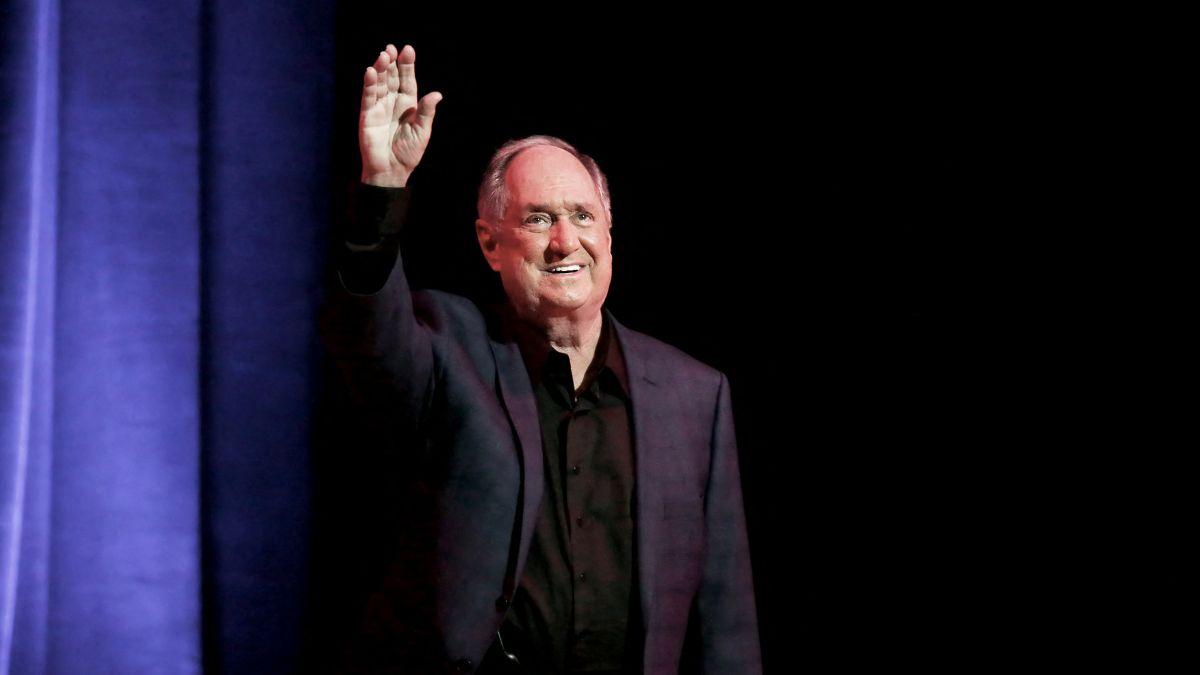
The Brooklyn-born performer enjoyed a major comeback in the 1970s.
Sedaka’s chart success slowed during the mid-1960s as the British Invasion reshaped the pop landscape, but he remained prolific as a songwriter. He wrote hits for artists including Frank Sinatra, Elvis Presley, Tom Jones, the Monkees and the Fifth Dimension.
In the early 1970s, Sedaka relocated to the United Kingdom and began rebuilding his career. A chance meeting with Elton John led to a contract with John’s Rocket Records label and a major resurgence.
The comeback produced one of Sedaka’s biggest hits: “Laughter in the Rain” reached No. 1 in 1975. That same year he scored another chart-topper with “Bad Blood,” featuring Elton John on backing vocals.
Sedaka also wrote “Love Will Keep Us Together,” recorded by Captain & Tennille and named Record of the Year at the Grammys in 1975.
A Lasting Musical Legacy
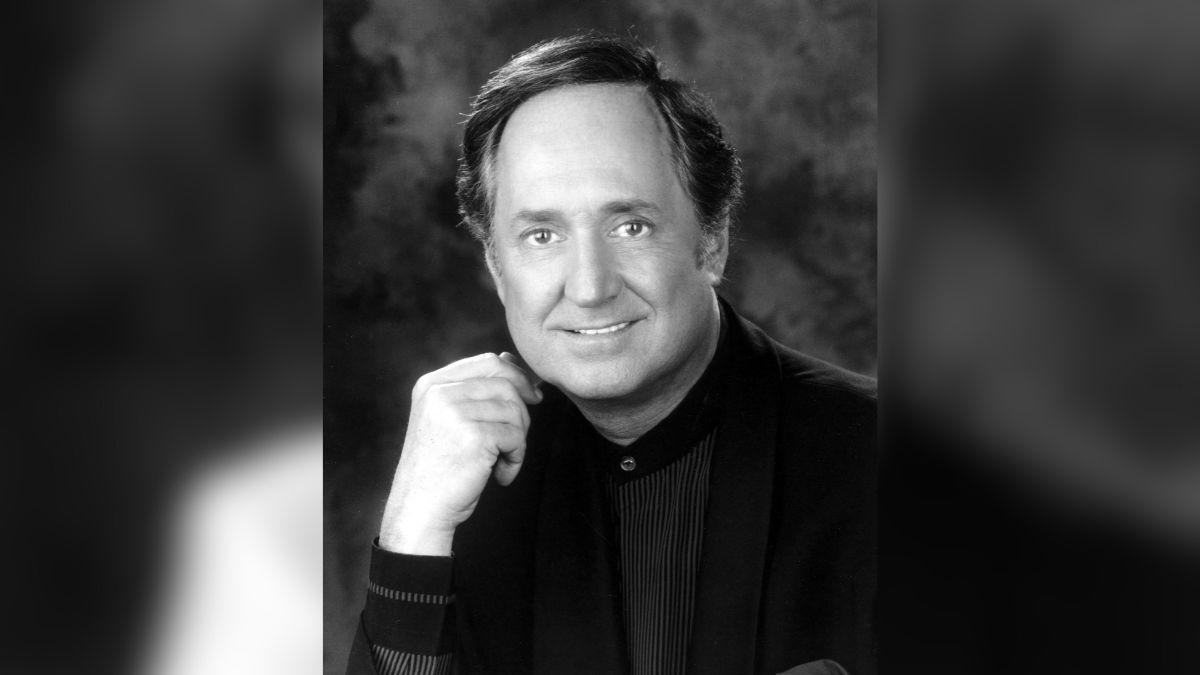
Neil Sedaka left behind a legacy of hundreds of songs recorded by generations of artists.
Over the course of his career, Sedaka wrote or co-wrote more than 700 songs and recorded more than two dozen albums. Thirty of his songs reached the Billboard Hot 100, including nine Top 10 hits and three No. 1 singles.
He received five Grammy nominations and numerous honors, including induction into the Songwriters Hall of Fame in 1983 and a star on the Hollywood Walk of Fame.
Sedaka continued performing and recording well into the 21st century and officially retired from songwriting in 2022. Two years later, he sold his song catalog to Primary Wave Music.
He is survived by his wife, Leba Strassberg, whom he married in 1962, their children Marc and Dara, and three grandchildren.