
 Politics
Donald Trump Is 'Very Sensitive' About What People 'Who Are More Famous Than Him Say,' Claims Nicolle Wallace

Nicolle Wallace discussed Donald Trump’s reaction to celebrity critics, calling him ‘sensitive.’

March 15 2026, Published 11:23 p.m. ET


When MS NOW host Nicolle Wallace appeared on Late Night with Seth Meyers this week, her remarks about Donald Trump’s relationship with celebrity criticism quickly sparked conversation across media and political circles.
Wallace argued that the president reacts strongly to commentary from high-profile cultural figures, particularly those who may outrank him in fame.
“I think Donald Trump listens to Robert De Niro. I think he listens to you,” Wallace told Meyers during the interview. “I think he’s still very, very sensitive about what men and women who are more famous than him say.”
Her comments came amid Trump’s long-running feud with late-night television, a relationship that has intensified during his second term as hosts like Meyers, Jimmy Kimmel, Stephen Colbert and Jimmy Fallon continue to use their monologues to critique the president.
The Celebrity Criticism Factor

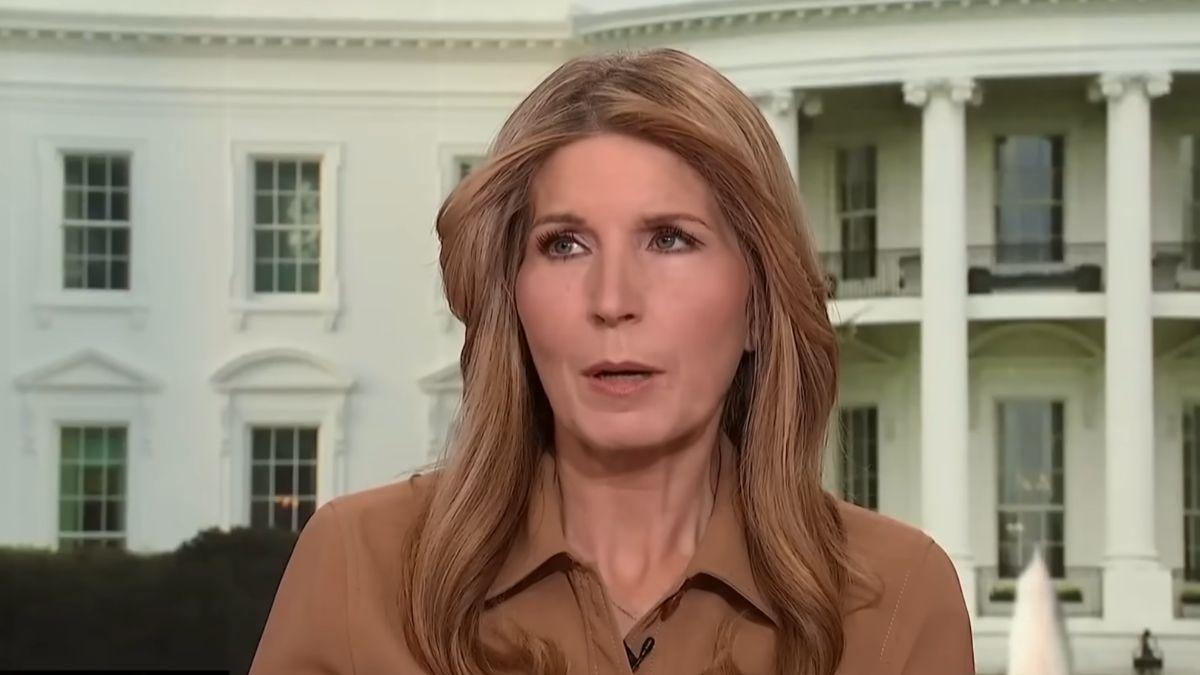
Nicolle Wallace said fame shapes how criticism lands.
According to analysts, celebrity commentary carries an influence that traditional political criticism often lacks.
“Celebrity criticism is effective because it bypasses the partisan filter,” says Evan Siegfried of Somm Consulting. “People hear it through fandom first, politics second. But that same dynamic makes the backlash equally amplified. You’re not just dealing with opponents — you’re activating people who feel personally betrayed.”
He adds that the relationship between Trump and celebrity critics has evolved since his first run for office nearly a decade ago.
“Trump has spent years conditioning his supporters to treat political attacks as proof he’s winning,” Siegfried adds. “But criticism from someone who occupies a higher rung on the fame ladder isn’t just political — it’s also a status challenge. He reacts to it differently because it lands differently. Nicolle Wallace is right about that.”
Fame, Status and Political Conflict
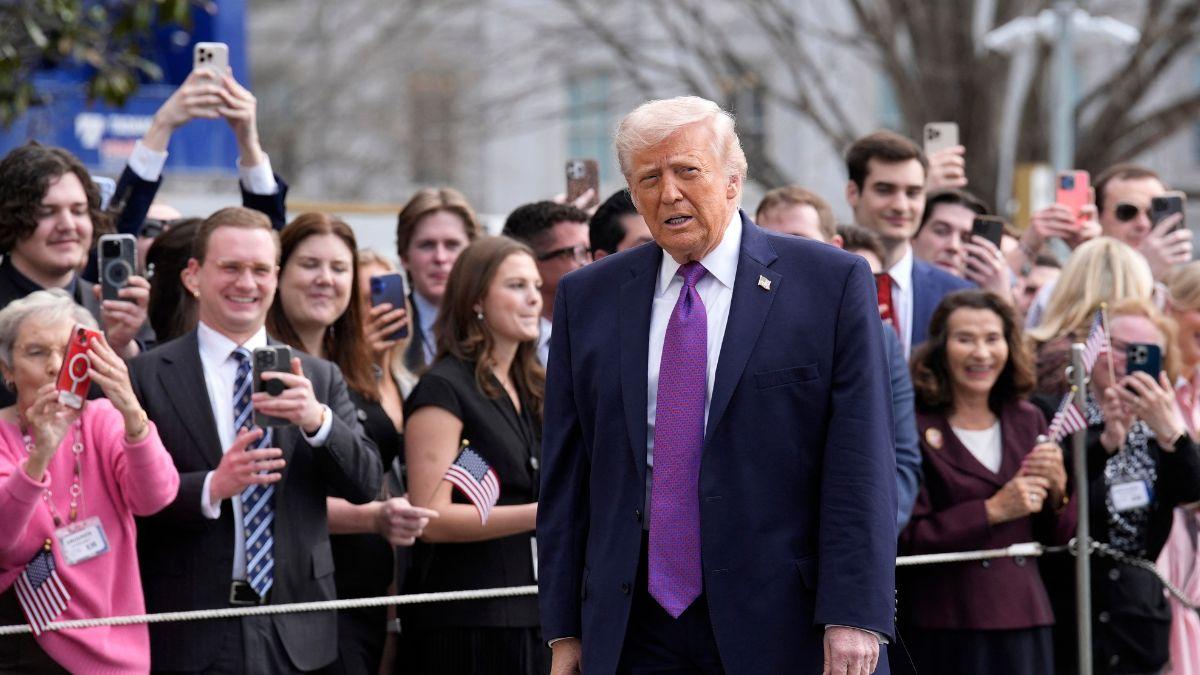
Analysts described celebrity backlash as uniquely powerful.
Experts say Wallace’s observation about fame also reflects the unique psychology of public figures criticizing one another.
“Donald Trump is arguably one of the most famous people in the world, and that changes the psychology of how criticism lands,” says psychotherapist Jonathan Alpert, author of the forthcoming Therapy Nation.
“When someone operating at that level of fame is attacked by other high-profile figures, it’s not just a political disagreement — it becomes a clash of cultural status and influence.”
In the modern media environment, celebrity commentary can carry symbolic weight that extends beyond the political issue itself.
“Celebrity criticism carries a unique psychological charge because fame creates emotional bonds with audiences,” Alpert continues. “Fans don’t just consume celebrity opinions; they often identify with the people expressing them.”
Want OK! each day? Sign up here!
When Fame Fuels Political Backlash
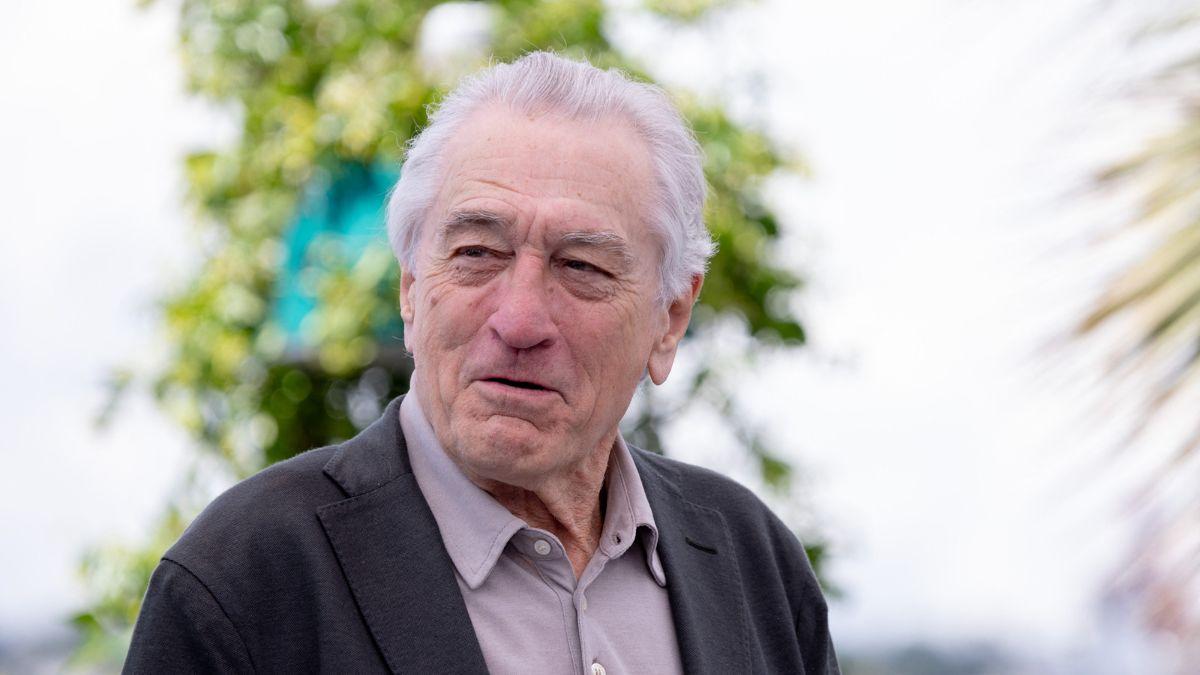
Experts link fame to political conflict.
Yet the same cultural influence that gives celebrities a powerful platform can also deepen divisions.
“There’s also a risk of backlash,” Alpert admits. “Trump has long positioned himself as battling media and cultural elites. When celebrities attack him, some voters interpret it less as persuasion and more as confirmation of that narrative.”
That dynamic has played out repeatedly as Trump has targeted famous critics — including actor Robert De Niro, who recently called the president “an idiot” in an interview with Wallace.
Trump responded with a fiery social media post threatening to deport the actor and calling his remarks “seriously CRIMINAL!”
A High-Stakes Business Decision
Speaking out politically can carry professional consequences.
For celebrities and public figures, speaking out politically can also carry professional consequences.
“The moment a celebrity speaks out on anything political, they’ve made a business decision they can’t take back,” Siegfried says. “Some fans will cheer. A meaningful chunk will walk — permanently.”