
 HEALTH
'Ozempic Face' in Hollywood: The Hidden Risks Behind the GLP-1 Craze

Ozempic remains at the center of celebrity weight-loss discussions.

April 7 2026, Published 10:30 a.m. ET


In an era where dramatic celebrity transformations dominate headlines, GLP-1 weight-loss drugs like Ozempic and Wegovy have become the quiet force behind many of Hollywood’s most talked-about body changes.
But as the buzz grows, so do concerns about what’s happening beneath the surface.
What GLP-1 Drugs Actually Do

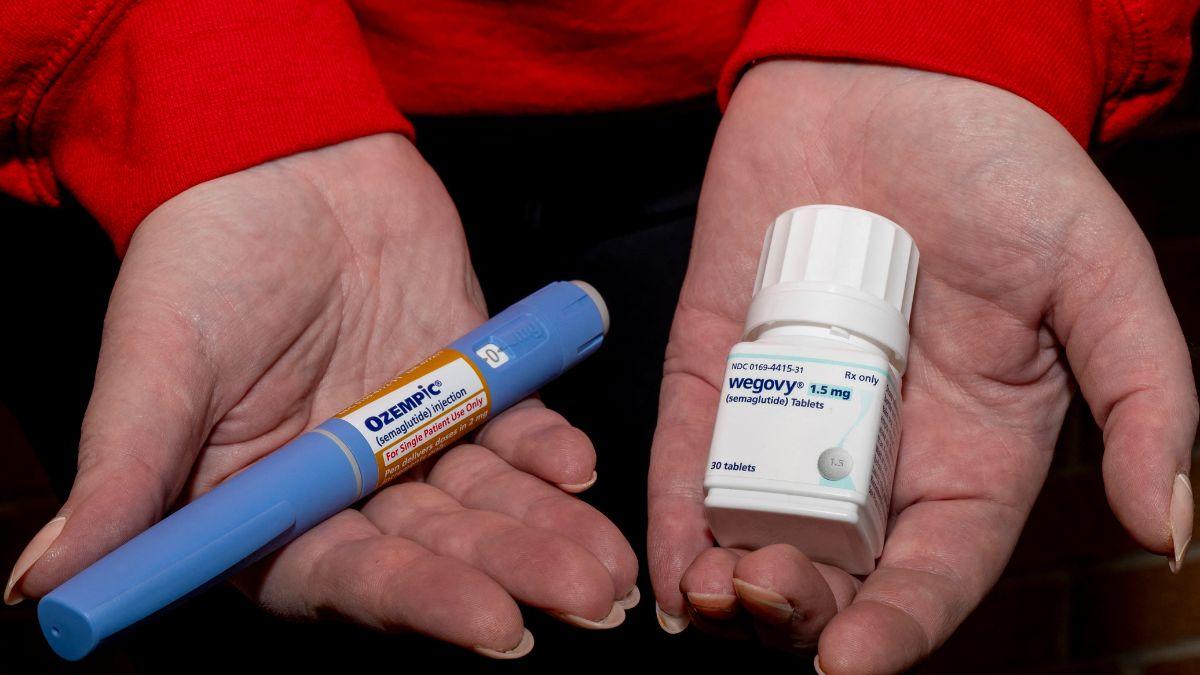
GLP-1 drugs were originally developed to treat diabetes.
GLP-1 drugs, originally developed to treat type 2 diabetes, mimic a natural hormone that helps regulate blood sugar and appetite. They stimulate insulin release, suppress glucagon, and slow stomach emptying, helping users feel full longer, according to Harvard Health.
Those effects can lead to significant weight loss, which is why higher-dose versions have been approved for obesity treatment.
“There are many misconceptions about GLP-1s, and also a lot we don't know yet,” said Dr. Stacie Stephenson, a pioneer of functional and integrative medicine. “What we do know is that these medications are very effective for treating diabetes and obesity, and that they can also reduce inflammation, the risk of heart disease, and can even speed liver repair. However, what people so often talk about is the muscle and bone impacts, the so-called ‘Ozempic face,’ and muscle wasting conditions like sarcopenia.”
The Truth Behind 'Ozempic Face'
Dr. Stacie Stephenson linked facial changes to rapid weight loss instead of medication alone.
“Ozempic face” has become shorthand for the hollowed, sagging look some people develop, but experts say the term is misleading.
“It's not surprising people think these effects come from the drugs themselves. Actually, these are all common side effects of rapid weight loss,” Stephenson explained. “It's not the drugs that pare away muscle, make faces look sunken in, and make bones more porous.”
Muscle Loss, Bone Health and Nutrition Gaps
Want OK! each day? Sign up here!

She warned that muscle loss often followed poor nutrition.
Beyond facial changes, there are deeper physical impacts, including muscle loss and reduced bone density.
“These are all caused by losing weight quickly and not getting enough nutrition due to not eating enough,” Stephenson noted.
GLP-1 drugs suppress appetite so effectively that some users unintentionally under-eat. Without adequate protein, calcium, and overall nutrition, the body may begin to break down muscle and weaken bones.
Side Effects Still Matter
While rapid weight loss drives many of the aesthetic concerns, the medications themselves still come with side effects.
Common issues include nausea, vomiting, diarrhea, and constipation, according to Harvard Health. More serious but less common complications can include pancreatitis, gastroparesis, bowel obstruction, and gallbladder problems.
These risks underscore the importance of medical supervision, especially as use expands beyond diabetes treatment into mainstream weight-loss culture.
How to Do It Safely

She advised to prioritize protein, calcium and antioxidant-rich food during treatment.
“The solution is simple: if you are on these medications, you still have to eat, and every bite should be nutrient-dense,” Stephenson said. She emphasizes prioritizing protein, calcium and antioxidant-rich foods, along with strength and impact training to preserve muscle and bone health.
“You would have the same problems if you lost weight rapidly through any other method, and the solutions are also the same,” she added. “The beauty of these drugs is that they help take away cravings for sugar and junk food, making healthy eating easier. The danger is falling into the trap of not eating at all.”