
 Politics
Why Political Jokes Dominated 2026 Oscars: From Conan O’Brien’s Donald Trump Dig to Jimmy Kimmel’s Melania Swipe

Conan O’Brien revived political humor during the ceremony.

March 19 2026, Published 6:49 a.m. ET


The Oscars have long been known for mixing glamour with a dash of political commentary, and this year’s ceremony was no exception. Host Conan O’Brien and presenter Jimmy Kimmel both slipped pointed jokes about President Donald Trump and his orbit into the telecast, moments that quickly spread online and sparked debate about the role of politics in entertainment.
But while those lines can dominate social media and headlines, psychologists say the real effect of political humor at events like the Oscars is often misunderstood.
Conan O’Brien Opens the Door for Political Humor

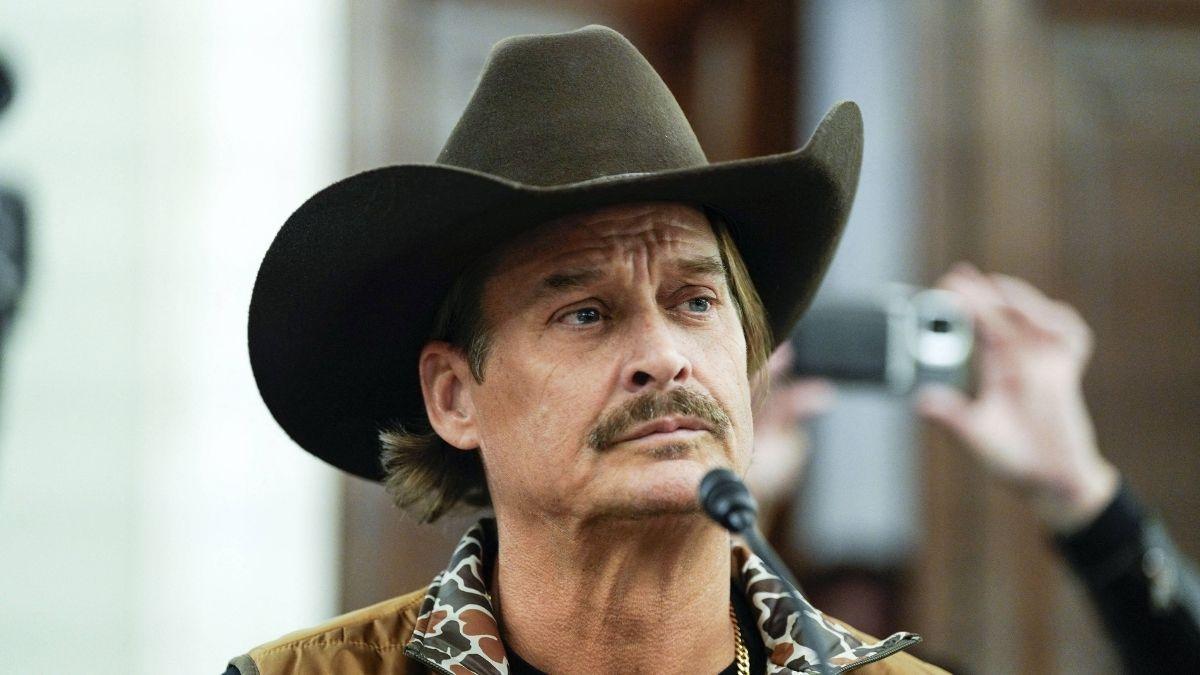
Conan O’Brien joked 'there’s an alternate Oscars being hosted by Kid Rock at the Dave & Busters.'
During the opening stretch of the ceremony, O’Brien leaned into a few sharp political jabs while guiding viewers through the night’s festivities.
At one point, the comedian referenced the controversial renaming of the Kennedy Center under Trump’s leadership, joking that the show was being broadcast from the “Has A Small P---- Theater,” before quipping, “Let’s see him put his name in front of that.”
O’Brien also teased the idea of an alternate version of the ceremony.
“I should warn you, tonight could get political,” he joked. “If that makes you uncomfortable, there’s an alternate Oscars being hosted by Kid Rock at the Dave & Busters down the street.”
The host is generally known for avoiding overtly partisan comedy compared with late-night figures like Stephen Colbert or Seth Meyers, making the jokes stand out even more during the ceremony.
Jimmy Kimmel Adds More Late-Night Style Punchlines
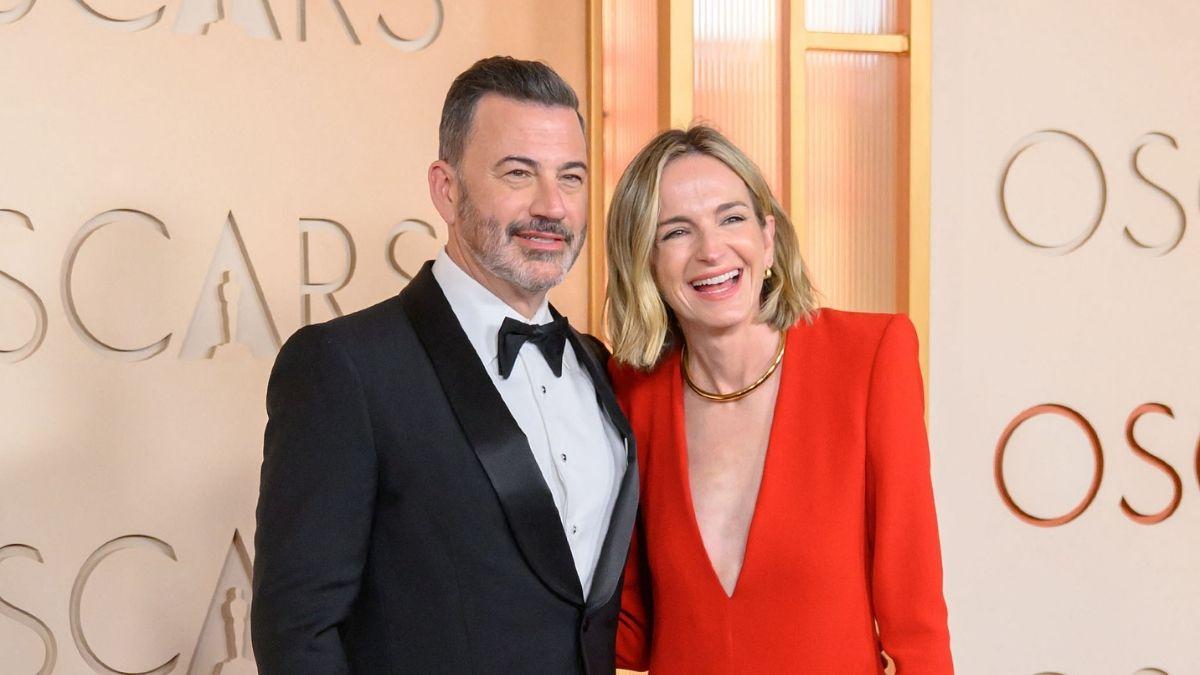
Jimmy Kimmel added late-night style Donald Trump jokes later in the show.
Later in the broadcast, Kimmel delivered his own series of political quips while presenting awards.
Referencing a widely criticized documentary about Melania Trump, Kimmel joked before presenting Best Documentary Feature, “Oh man, is he going to be mad his wife wasn’t nominated for this.”
He also made a pointed remark about free speech while introducing the Best Documentary Short category.
“There are some countries whose leaders don’t support free speech,” Kimmel said. “I’m not at liberty to say which. Let’s just leave it at North Korea and CBS.”
The comments were the latest chapter in Kimmel’s ongoing public feud with Trump, which has played out across late-night television and social media.
Want OK! each day? Sign up here!
Why These Jokes Spread So Quickly
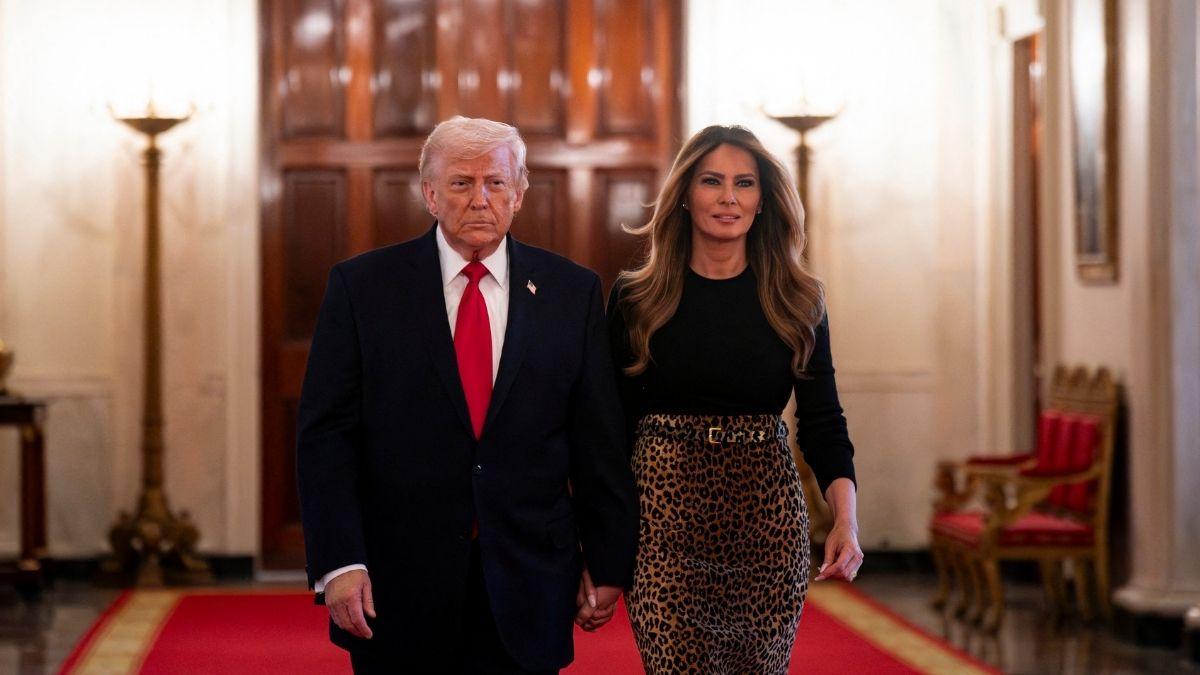
Experts said the humor mostly reinforced existing views.
Moments like these often dominate online conversation long after the ceremony ends, but experts say the reason has less to do with persuasion than with cultural signaling.
“Political humor at award shows and on late-night television rarely changes people’s minds,” said psychotherapist Jonathan Alpert, author of the forthcoming book Therapy Nation. “Psychologically, it tends to reinforce attitudes audiences already hold. Viewers who agree with the joke feel validated, while those who disagree often feel mocked or attacked.”
Alpert pointed out that reaction pattern explains why political jokes frequently generate intense responses online, and that the dynamic is “well documented in research on media and persuasion.”
“Humor lowers people’s defenses, but it also works as a social signal,” he explained. “When celebrities make political jokes, audiences often interpret them less as arguments and more as cues about which side they’re supposed to be on.”
Entertainment or Cultural Rally?
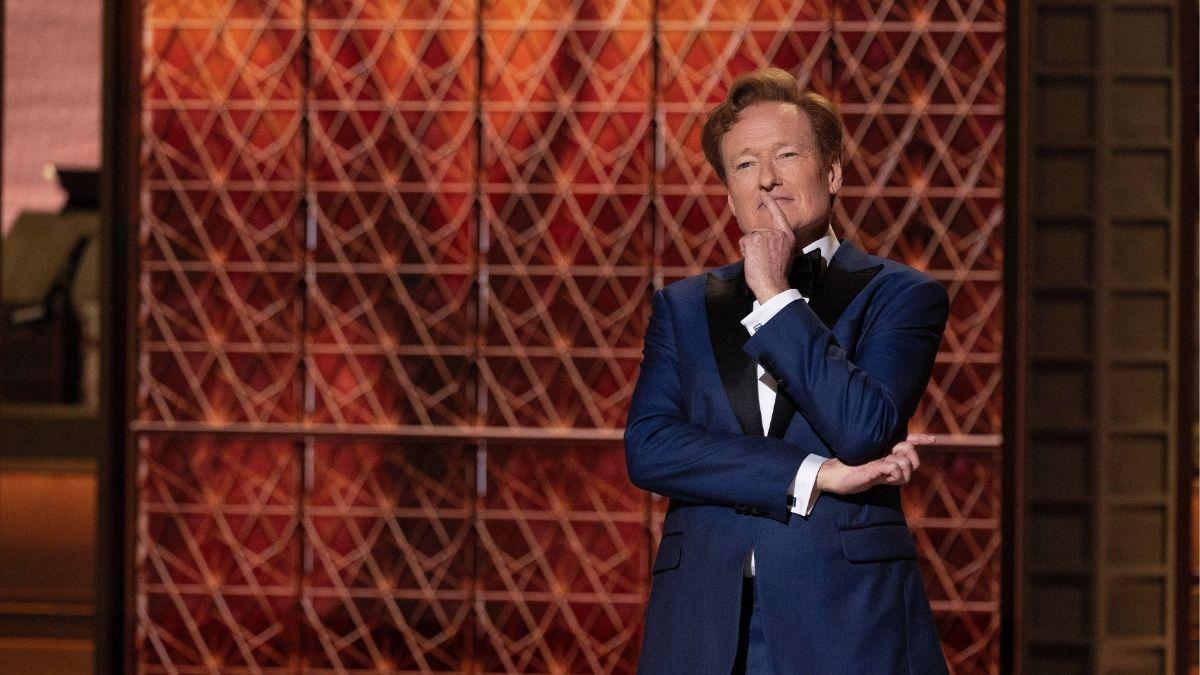
The jokes turned the ceremony into a cultural rally.
Because these jokes tap into social identity, political humor often functions less like debate and more like a rallying moment for audiences.
“Political comedy at events like the Oscars often functions less like persuasion and more like a kind of cultural rally,” Alpert said. “It energizes supporters, irritates critics, and keeps the political conversation going long after the show ends. But that rallying effect doesn’t always go the way the joker thinks it will."
“There can also be backlash effects,” Alpert noted. “When audiences feel that celebrities are lecturing them politically, the reaction can actually strengthen the opposing viewpoint rather than weaken it.”