
 ENTERTAINMENT
Reality TV’s Chaos Machine: What 'Jerry Springer' Really Taught the Industry

Producers revealed they engineered drama on ‘The Jerry Springer Show.’

April 18 2026, Published 5:31 a.m. ET


Long before viral reality TV meltdowns dominated streaming platforms, The Jerry Springer Show was already perfecting the formula: take real people, push emotional boundaries, and let the chaos unfold. Now, revelations from former producers are pulling back the curtain on just how manufactured that chaos really was.
Behind the Curtain of ‘Authentic’ Drama

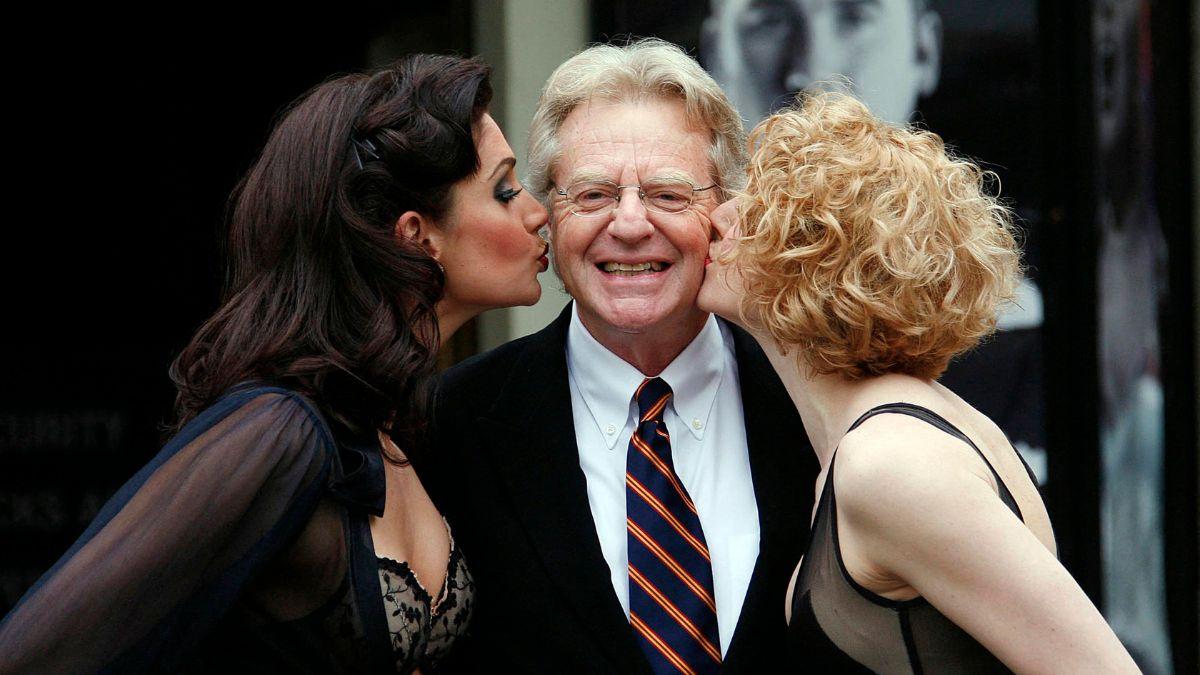
Guests were encouraged to escalate confrontations.
According to interviews in the first episode of the second season of ID docuseries Hollywood Demons, premiering April 20, the fights and explosive moments that defined Jerry Springer weren’t spontaneous.
Associate producer Houston Curtis described a tactic that sounds like behavioral manipulation: one guest would be encouraged to escalate while the other was given no such warning.
“Once you produce one person to get up and spit in someone's face… the other one is going to haul off and knock the h--- out of the one who did it, and boom. You got a fight,” Curtis said.
Even Springer himself admitted, in footage filmed before his 2023 death, that he knew producers were orchestrating extreme situations, though he kept distance from the details.
How Springer Stood Apart in a Crowded Format

Experts said most talk show drama stemmed from real conflicts.
Jean Cirillo PhD, JD, a psychologist and attorney who worked as staff psychologist on The Jenny Jones Show and appeared as an expert guest on talk shows including Geraldo Rivera, Sally Jesse Raphael, Montel Williams, and Ricki Lake, says most of the drama on most of these shows was largely real.
“While there are many cases where producers encourage guests to exaggerate minor issues, or find a humorous side to something that's really tragic, in most cases you can't make these things up,” Cirillo explains.
“The twists and turns of the actual lifestyles of the guests are real. That's why you have the saying that truth is stranger than fiction. That's because it is,” she said.
- Why Readers Are Connecting So Deeply With Breaking Jenny: The Survivor Story Behind the True Crime Bestseller
- Politicians Who Competed on 'Dancing With the Stars' — Including Tom DeLay and Jerry Springer
- 'Jerry Springer' Producer Reveals Show's 'Secret' to Provoking Infamous On-Air Fights Between Guests
Want OK! each day? Sign up here!
The Turning Point No One Forgot
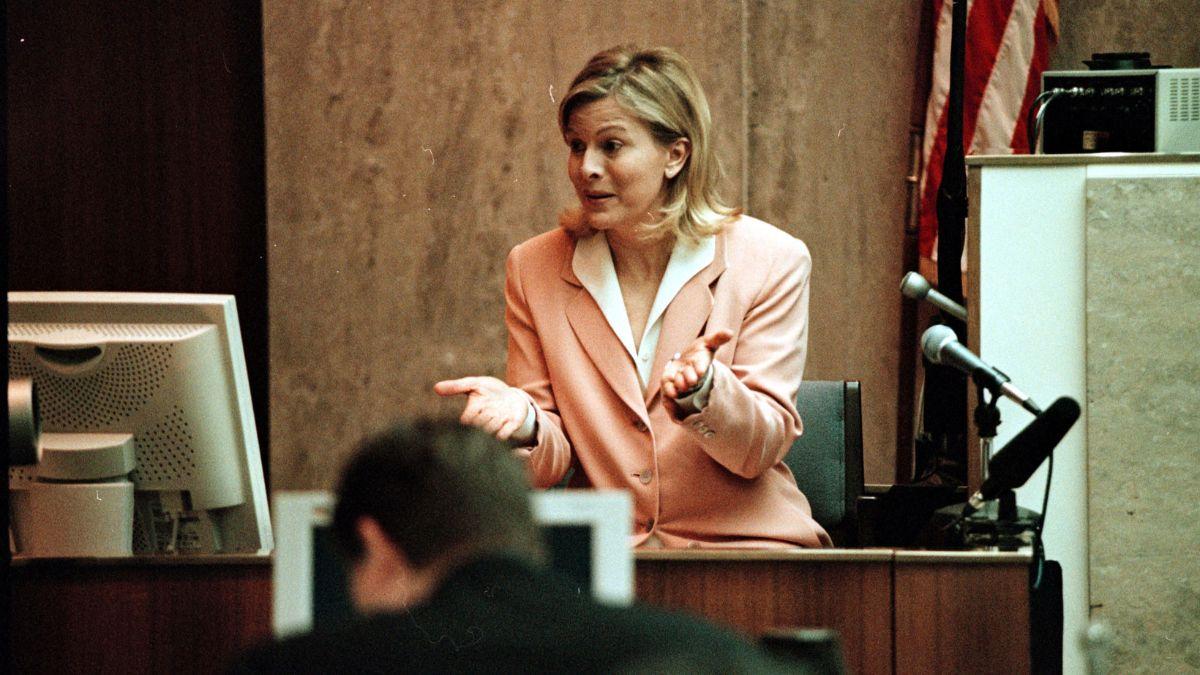
A murder case exposed the dangers of manipulated reality TV setups.
For forensic psychiatrist Dr. Carole Lieberman, the consequences of reality TV manipulation aren’t theoretical.
“I was the Defense Psychiatrist for Jonathan Schmitz in The Jenny Jones Show murder trial during the mid-nineties,” she said, recalling the case in which a guest was told someone had a “secret crush” on him without being told it was a man, or that the episode would be titled “Same S-- Secret Crush.”
“Jon was pushed past his psychological boundaries and killed Scott, the man who had the crush on him, when they got back to Michigan,” Lieberman said. “My testimony got him second-degree instead of first and he served his time in prison. It was not a gay hate crime, as the media portrayed it.”
Lieberman is now working on a book about that case, called Murder by TV.
“This was a turning point in reality TV, that brought about more serious guest contracts to avoid being sued when such tragedies happen.”
From Contracts to Comebacks

Critics warned modern reality TV may be repeating past ethical failures.
But according to Lieberman, those safeguards may not have held. “Reality TV has been gradually slipping backwards,” she noted.
“They now ‘coach’ guests what to say or do to build excitement, embarrassment and suspense,” she said. “But, the worst part is their not screening out potential guests with psychiatric problems, like Jon had. Why? Because the guests with psychiatric problems are likely to have the biggest reactions on screen.”