
 EXCLUSIVE
Royal Family Sparks Backlash as Its Main Funding Is Set to Soar by Another $130 Million a Year

The royal family sparked criticism after its main funding is set to soar by another $130 million a year.
July 5 2026, Published 6:00 a.m. ET


The royal family is facing mounting criticism after it emerged that its core public funding is set to soar to around $130 million a year – nearly doubling within three years.
OK! can reveal that under a revised formula for the Sovereign Grant, the Royal Household will receive the equivalent of about $129.8 million in 2027‑2028 as its core grant.

It's an increase of roughly $62.5 million on the 2024‑2025 figure, with that level due to be locked in for five years regardless of future inflation.
The money, agreed by Royal Trustees – outgoing Prime Minister Sir Keir Starmer, Chancellor Rachel Reeves and the King's Keeper of the Privy Purse and Treasurer James Chalmers – is earmarked for the costs of official duties and the upkeep of royal residences, including a backlog of maintenance, upgraded cybersecurity and new energy‑efficient heating systems.
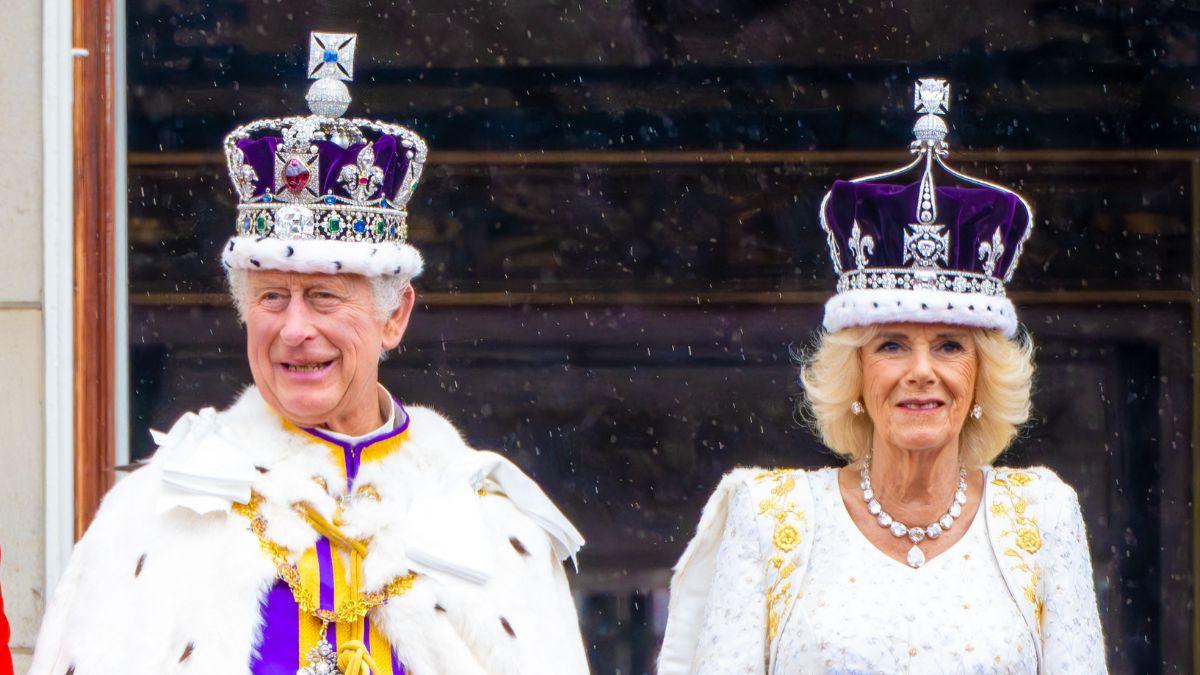
The Royal Household insists the grant remains tightly controlled.
Critics say the scale of the rise is politically and morally tone‑deaf at a time of continuing pressure on public services. One senior figure in Westminster said: "When people are being told there is no money for crumbling schools or hospitals, seeing the monarchy's core funding almost double sends a terrible signal."
The source added: "The argument that this is all about roofs and boilers will not wash with everyone – to many it looks like a pay rise for an institution that is already sitting on historic wealth."
The Royal Household insists the grant remains tightly controlled. Chalmers said the funding was "not a blank check" and stressed the spending is subject to strict value‑for‑money tests, multi‑year planning and Treasury oversight.
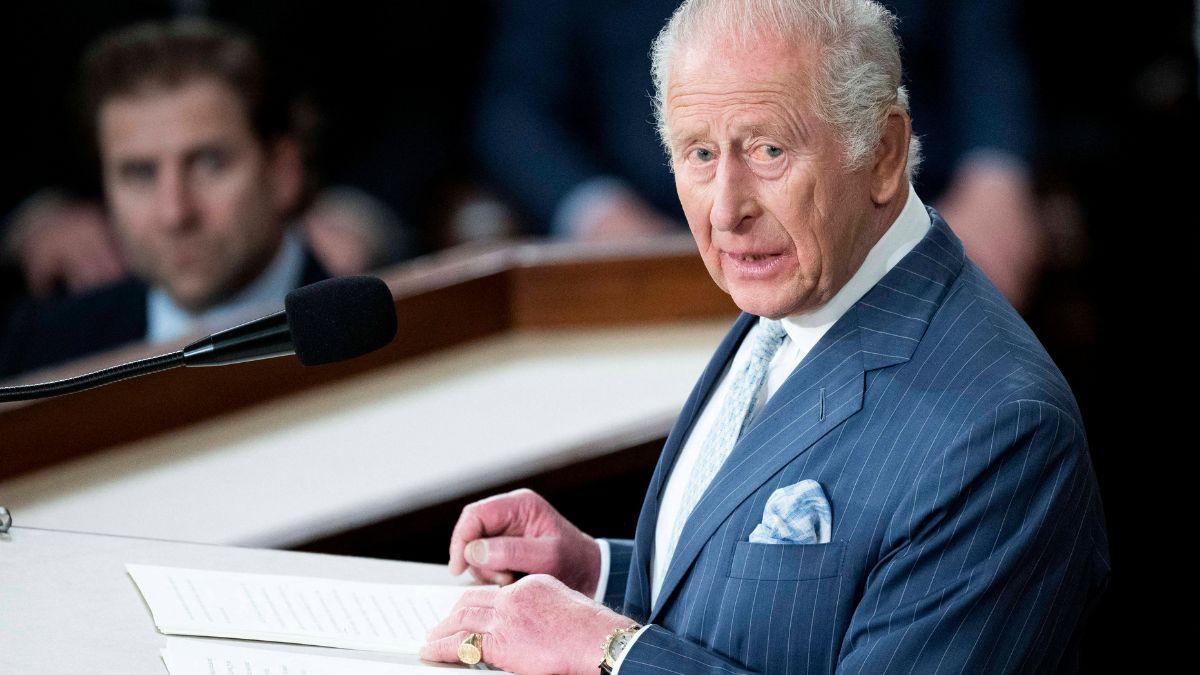
The share will rise from 12 percent to 20.5 percent for five years from 2027‑2028.
- Princess Eugenie and Princess Beatrice Are 'Locked in a Power Battle' as They Distance Themselves From Meghan Markle and Their Parents, Source Claims
- Queen Camilla’s Doctor Killed During Kids' Sleepover as Husband Is Held on Murder Charges, Officials Say
- Prince Harry and Meghan Markle's New U.K. Neighbors Are 'Buzzing With Complaints' After Sussexes Moved In, Journalist Claims
Want OK! each day? Sign up here!
He added: "Expenditure is governed by the same standards and disciplines as any publicly funded body, with strict value‑for‑money requirements, detailed planning, multi‑year strategies, independent audit, and Treasury oversight."
Experts also stress the grant does not provide personal income to members of the royal family but funds the work and infrastructure of the institution.
The mechanics of the increase lie in changes to how much of the Crown Estate's net profits are diverted to the Sovereign Grant.
The share will rise from 12 percent to 20.5 percent for five years from 2027‑2028, in part to offset an anticipated fall in profits as lucrative offshore wind option fees come to an end.
One official familiar with the discussions said: "This is being sold as a technical adjustment, but the headline is simple – hundreds of millions more will flow to the monarchy over the decade. However you dress it up, that is going to be a hard sell outside the palace gates."
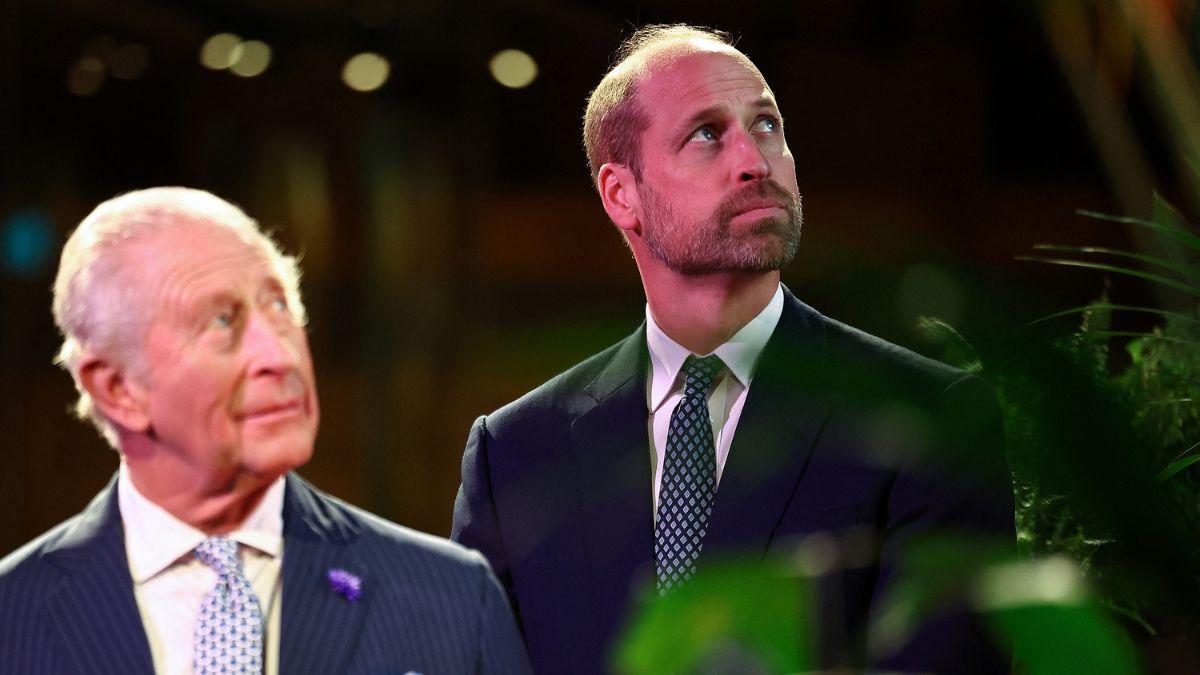
Royal accounts show a substantial slice of the extra money is already spoken for.
Royal accounts show a substantial slice of the extra money is already spoken for.
Around $14 million has been set aside to replace aging boilers at Windsor Castle, while overall property maintenance costs have climbed as projects deferred during the Covid years are brought forward.
The latest figures also reveal higher spending on asbestos removal than previously anticipated and continuing costs for the decade‑long reservicing of Buckingham Palace and other estates.
A recent report has detailed a busy public schedule for King Charles, 77, and Queen Camilla, 78, with 708 engagements recorded in 2025‑2026 – 458 of them carried out by Charles as he continues cancer treatment but is described as being on a "positive health trajectory."
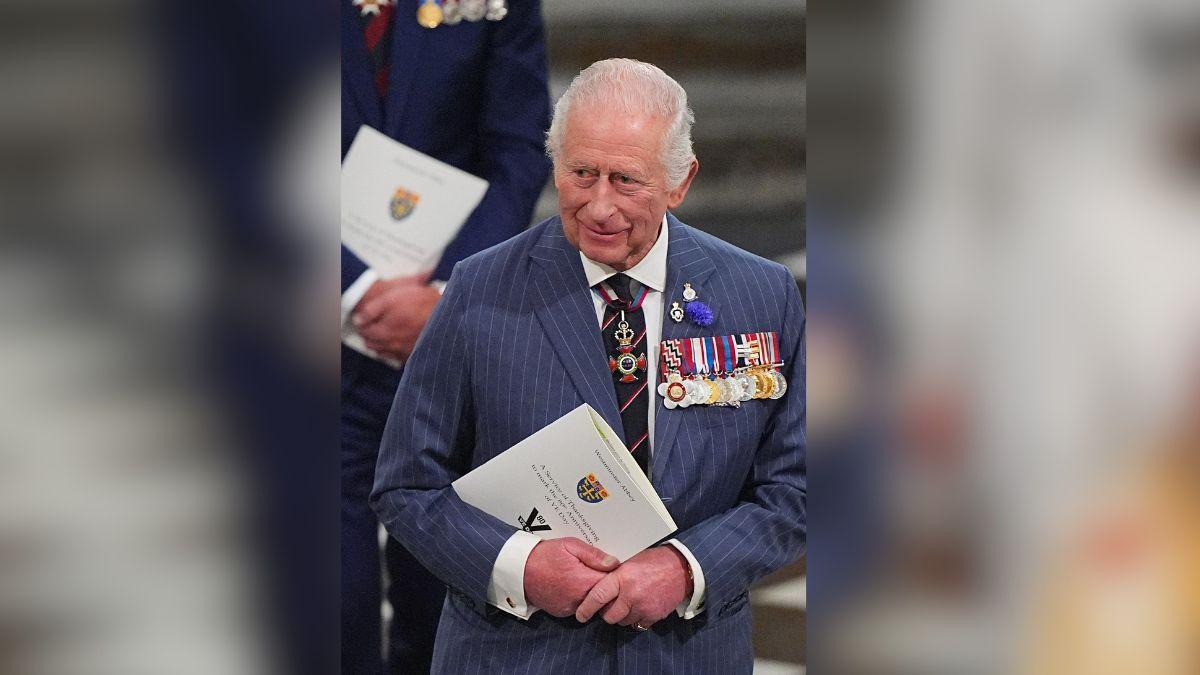
King Charles is continuing his treatment for cancer.
Travel costs remain a flashpoint. More than $200,000 was spent on just four journeys on the royal train, which is due to be decommissioned in 2027 as part of a drive to modernize and cut costs.
The most expensive overseas trip was Prince William's three‑day official visit to Saudi Arabia in February, which cost about $130,000.
The wider debate over royal finance is fueled by the separate income streams of the Duchy of Cornwall and the Duchy of Lancaster.
One campaigner said: "When you add the Sovereign Grant to the Crown Estate revenues and the historic duchies, you are looking at a level of resourcing most public bodies could only dream of. That is why this latest uplift has struck such a nerve – it reinforces the sense that the monarchy is insulated from the economic reality facing everyone else."