
 Politics
Sacha Baron Cohen Says Donald Trump Has 'Elements of Brilliance': 'People Underestimated Him'

Sacha Baron Cohen acknowledged Donald Trump's 'elements of brilliance.'

Oct. 26 2026, Published 10:48 a.m. ET


Despite his criticism of Donald Trump, Sacha Baron Cohen acknowledged the president's political instincts, suggesting his opponents have repeatedly underestimated his ability to maintain his influence.
"I mean, how has he survived a second term? People underestimated him," the 55-year-old actor said during an appearance on the "Happy Sad Confused" podcast, arguing that Trump possesses "elements of brilliance."
“We were too easy to dismiss him as a nincompoop. There are elements of brilliance to him, otherwise. And that explains his appeal with the fact that he’s there for a second term, the fact that he’s transforming this country. I won’t say positively or negatively," he added.
The Borat star's assessment comes more than two decades after he interviewed Trump while portraying his fictional character Ali G on Da Ali G Show in 2003.
Sacha Baron Cohen Recalls Donald Trump's Furious Reaction

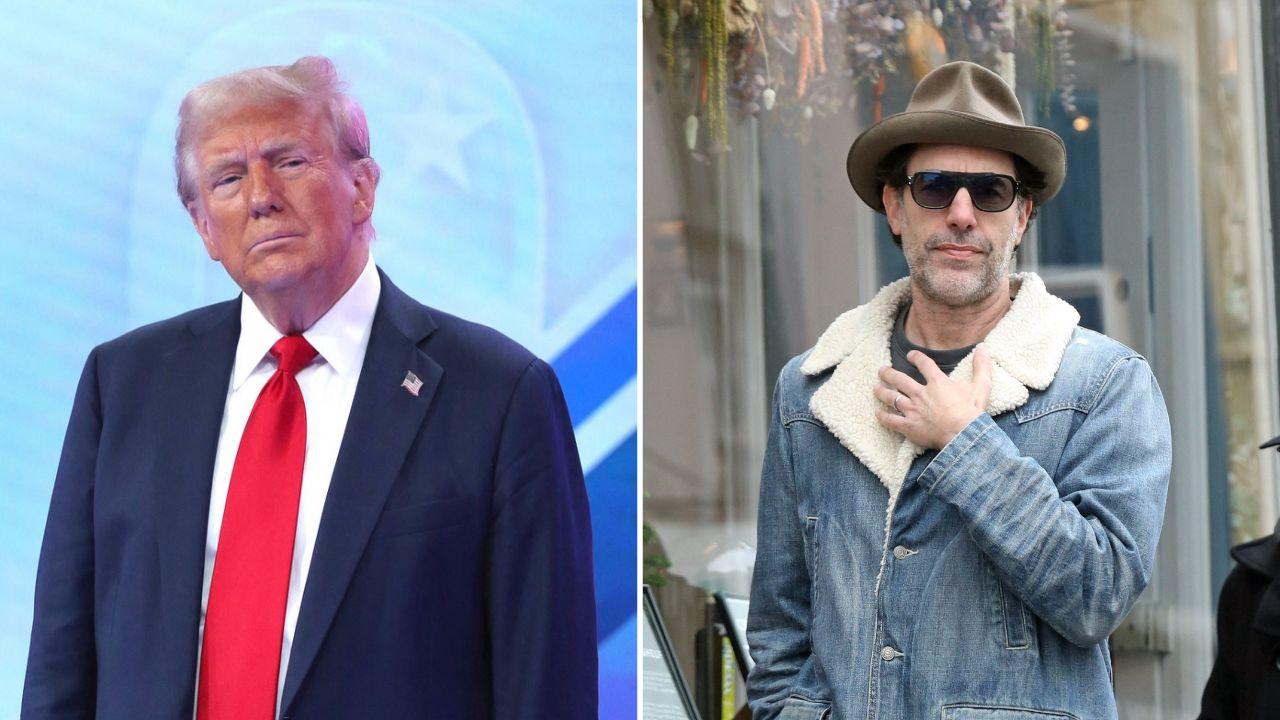
Sacha Baron Cohen claimed Donald Trump was 'furious' after their 2003 'Da Ali G' Show interview.
Baron Cohen said that Trump's attitude changed during their 2003 meeting once he realized the comedian, not director James Bobin, was interviewing him.
According to the actor, Trump initially appeared impressed by Bobin before his mood changed "immediately" upon meeting Ali G.
"I actually met a woman who was in the car with him after that interview, and he was apparently furious," Baron Cohen recalled.
The comedian noted that Trump stayed angry long after their meeting.
"He actually went out publicly a couple of times to criticize me. And in the end, we used all those clips and used them to advertise another show that I did," he explained.
Cohen Says Trump Uses Humor to His Advantage
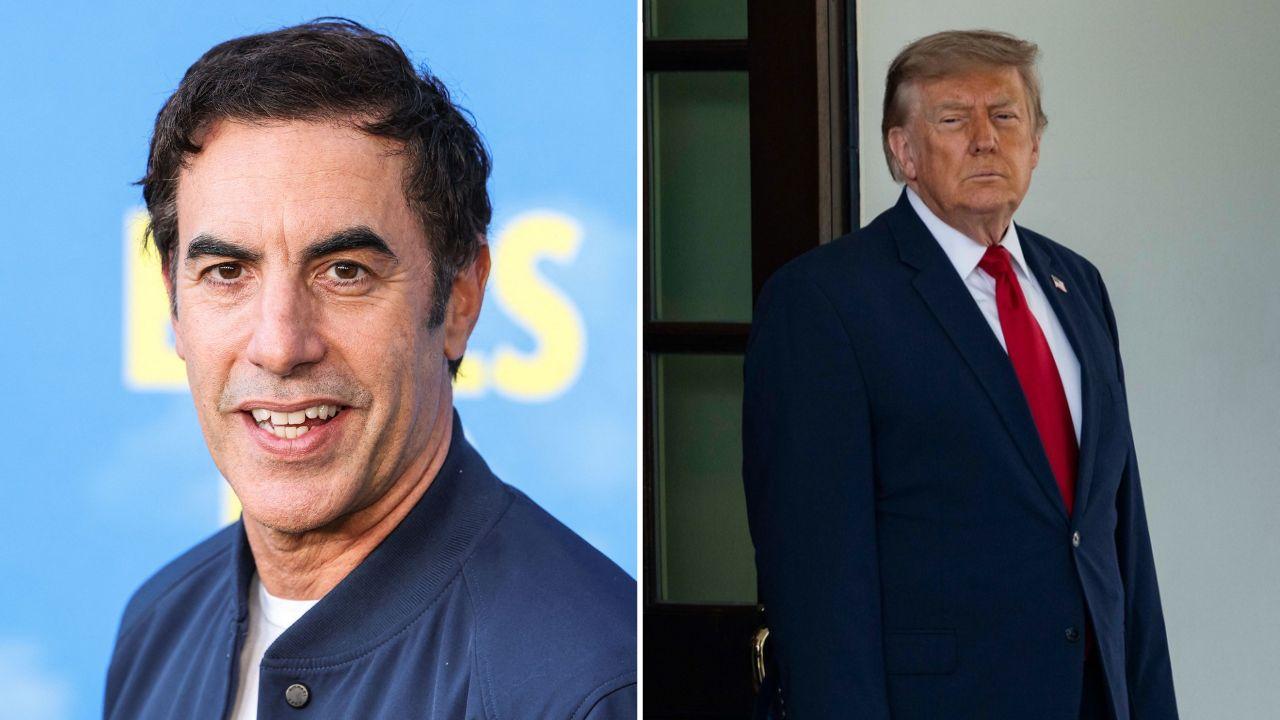
Cohen said Trump is 'intentionally being funny' and uses humor to connect with audiences.
Apart from their personal meeting, Baron Cohen has studied how Trump's speaking style boosts his political appeal.
During an appearance on the "Pivot" podcast, the actor described Trump as "amusing" and suggested that his comedic delivery serves a deliberate purpose.
"He's intentionally being funny," Baron Cohen said, adding that there is "a huge amount of comedy in the way he speaks."
"And if you have a look on the far right, they use comedy and sarcasm as an engaging way to dismiss criticisms," he explained.
- 15 Celebrities Who Have Dissed Trump: Rosie O'Donnell, Barbra Streisand and More
- Conan O'Brien Says Comedians Need to Be 'Funny' Regardless of Donald Trump's Controversial Actions: 'Art Is the Most Powerful Weapon'
- Larry David Unleashes on 'Sociopath' Donald Trump for Not Accepting the Results of 2020 Election: 'He Is So Sick'
Want OK! each day? Sign up here!
Cohen Explains Why He Is Bringing Back Ali G
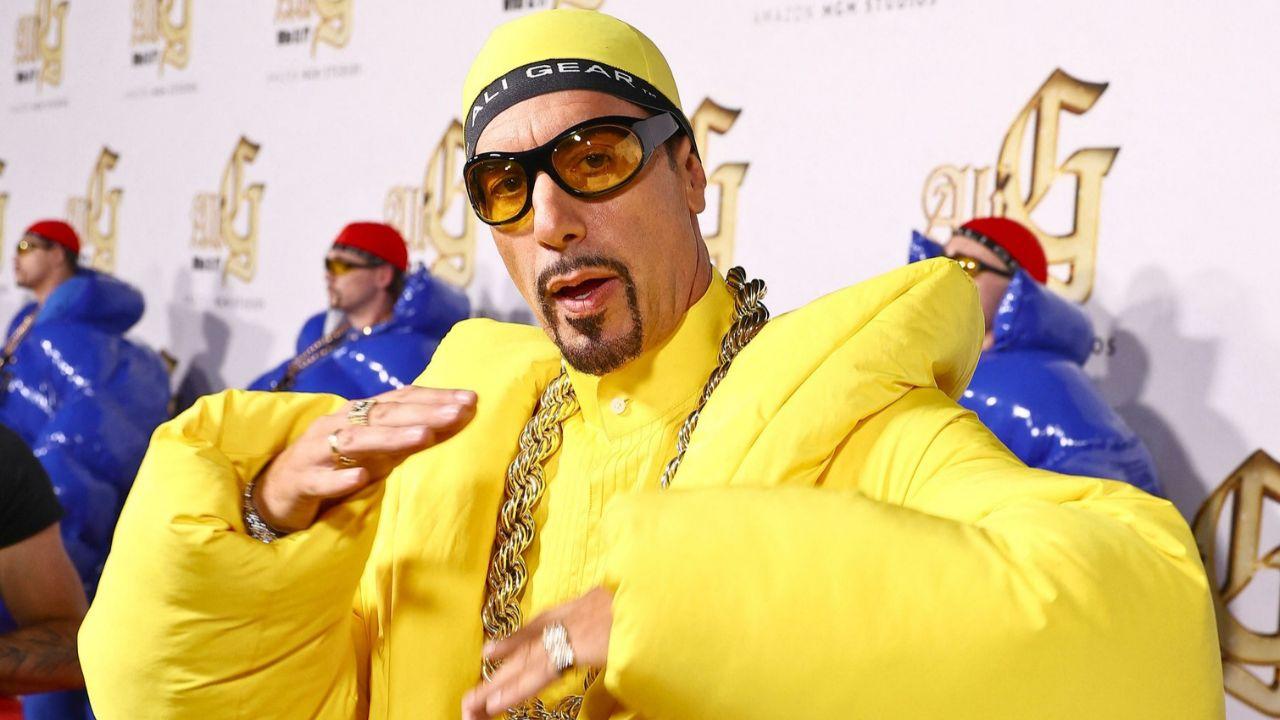
Sacha Baron Cohen said Ali G's 'outdated and problematic' nature inspired the character's comeback.
Baron Cohen is bringing back his famous character Ali G in Ali G: Who Iz I? In an interview, he discussed whether Ali G's edgy comedy fits today's culture.
"The fact that Ali G is outdated and problematic is the very reason I resurrected him," he said.
"The world he's returned to is, in many ways, worse than the one he left 20 years ago. All the prejudices my characters are designed to expose haven't just lingered — they've metastasized. They're fueled by the greatest propaganda machine in history — social media — and now by its monstrous child, AI," he stated.
Cohen Warns 'Views Have Gone Mainstream'
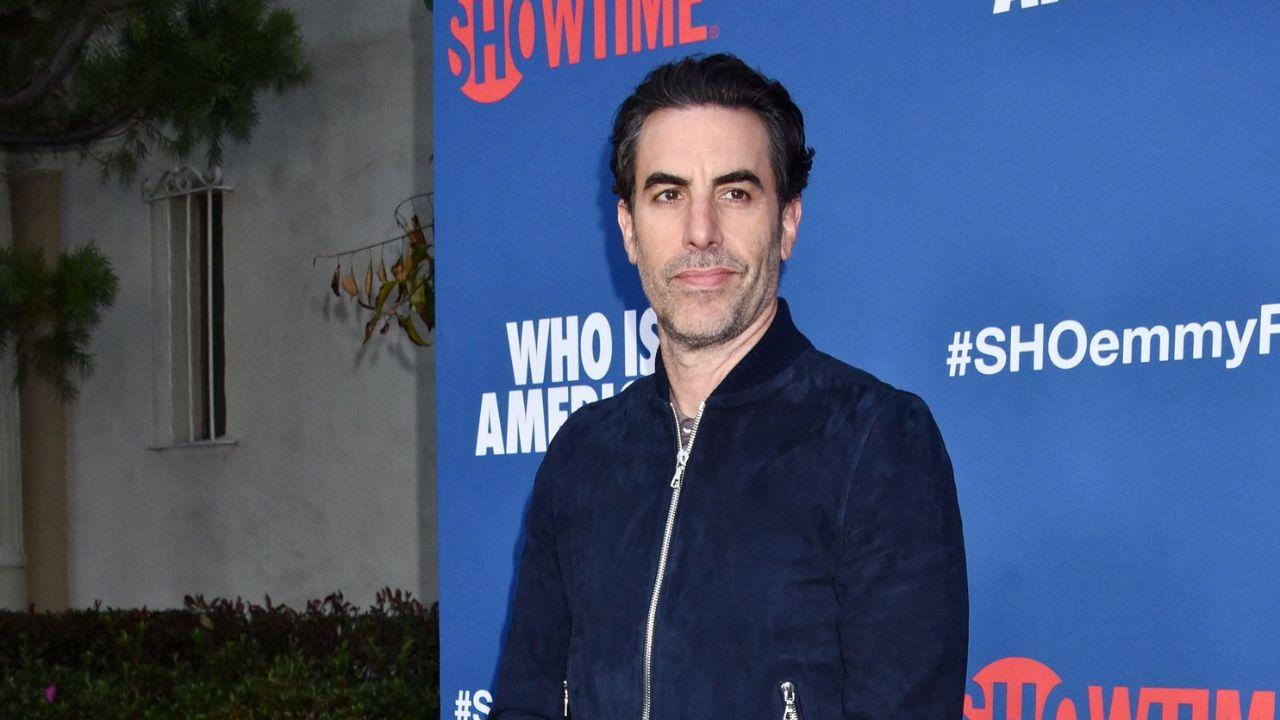
Sacha Baron Cohen claimed prejudice has 'gone mainstream' since he first created 'Borat.'
Baron Cohen noted that since he created Borat, a fictional journalist who exposed people's hidden biases, public prejudice has shifted.
"Back when I first created Borat, it took a few minutes — or a few drinks — to get people to reveal the racism that often simmered below the surface," he said.
"Now, those views have gone mainstream — whether it's fans hurling slurs and abuse at Black players during the World Cup or hundreds of white nationalists marching through Washington, D.C., on July 4," he said.