
 NEWS
Sacha Baron Cohen Defends Reviving His Controversial Ali G Character: 'The Joke Is on Him'

The actor revealed why he revived Ali G after 20 years, citing growing concerns about misinformation and political extremism.

Oct. 22 2026, Published 1:28 p.m. ET


Sacha Baron Cohen is defending his decision to revive his controversial Ali G character, arguing that satire has become increasingly necessary as misinformation, prejudice and political extremism reshape society.
"The fact that Ali G is outdated and problematic is the very reason I resurrected him. The world he's returned to is, in many ways, worse than the one he left 20 years ago," he said.
Before releasing his new film, Ali G: Who Iz I?, Baron Cohen defended his character against cultural appropriation accusations, praised comedy for challenging the powerful and warned against unchecked conspiracy theories.
Sacha Baron Cohen Explains Why Ali G Is Back After 20 Years

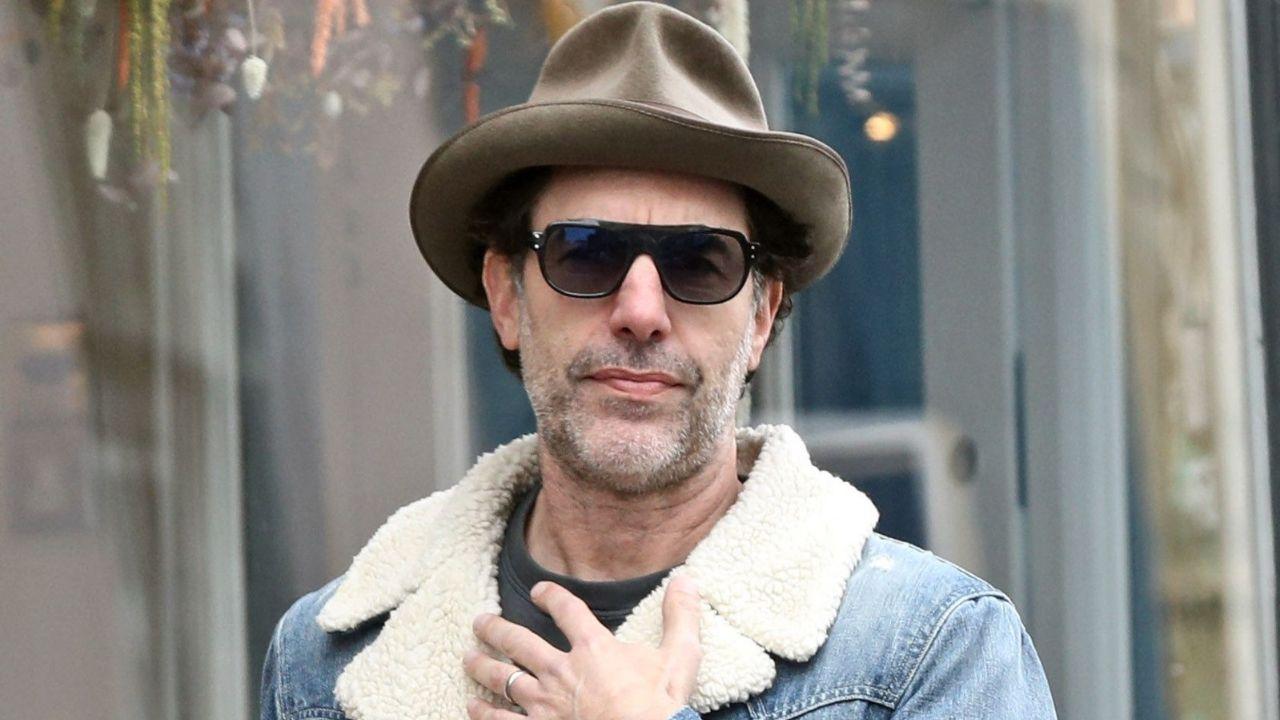
Cohen defended his controversial comedy, arguing that satire remains essential for exposing prejudice and challenging powerful institutions.
The 55-year-old actor said returning to his role serves a greater purpose than just entertainment, especially as online platforms increasingly influence how people view social and political issues.
Baron Cohen, who has also portrayed fictional personalities including Borat Sagdiyev, Brüno Gehard and Admiral General Aladeen, said his approach relies on placing exaggerated characters in situations that reveal uncomfortable attitudes.
He also contrasted the political climate of Ali G's early days with today's environment.
"All the prejudices my characters are designed to expose haven't just lingered — they've metastasized. 20 years ago, Ali G would sit next to world experts spouting absurdities. Today — fed a steady diet of disinformation and conspiracy theories by social media influencers and TikTok news — we have created an entire world where ignorance reigns, and truth is inverted," he wrote.
Cohen Responds to Accusations
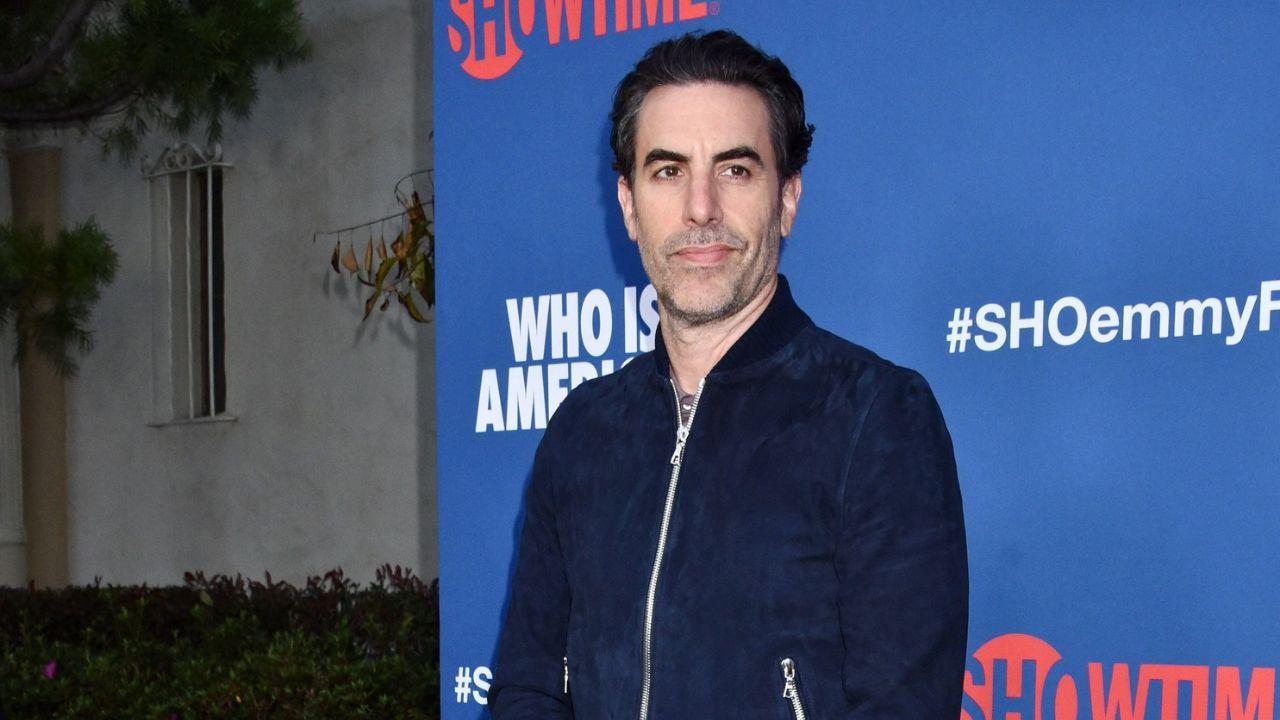
Cohen addressed criticism of Black culture, saying, 'Ali G is a delusional cultural appropriator.'
Ali G has faced criticism for borrowing heavily from Black street culture, with some detractors describing the character as a "Black caricature."
Baron Cohen rejected the suggestion that the character's humor was intended to ridicule the communities whose cultural influences he adopted.
"Ali G is a white imbecile — a delusional cultural appropriator — who steals the fashion and lyrics from his favourite gangsta rap and dancehall idols, from Compton to Kingston. The joke is on him, and on the predominantly white male establishment who take him seriously," he explained.
The actor acknowledged his work can offend people outside his intended targets, comparing his provocative, authority-mocking style to a traditional theatrical "bouffon."
- Sacha Baron Cohen Takes Aim at Jeff Bezos With Brutal Joke About the Billionaire: 'He Flew Over Here From the Amazon'
- Howie Mandel Tells Bill Maher They’re Different Because He 'Cares' About Offending People as They Debate 'Cancel Culture'
- Hasan Minhaj Feels 'Horrible' About 'Needlessly Misleading' New Yorker Profile: 'I Am Not a Psycho'
Want OK! each day? Sign up here!
Cohen Defends Satire Amid Political Pressure
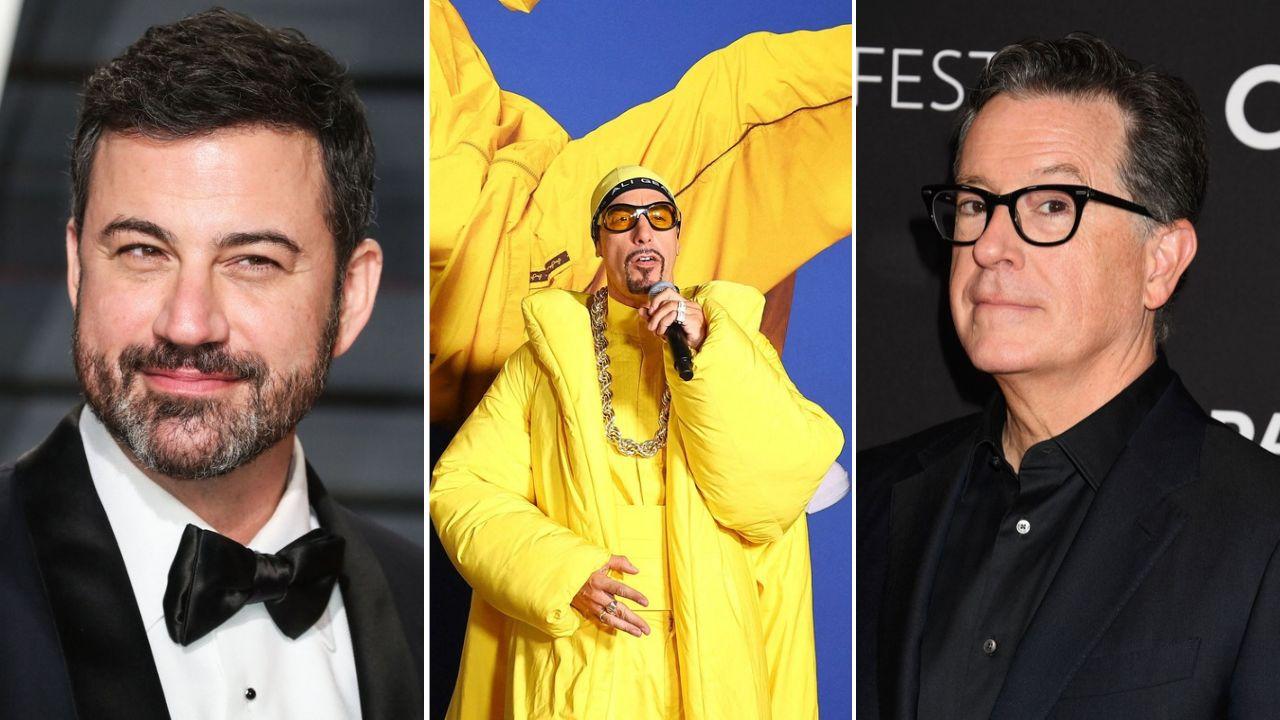
Cohen argued that the Trump administration's actions against Colbert and Kimmel demonstrate the power and influence of political satire.
Baron Cohen also examined the relationship between comedy and political power, arguing that public ridicule can have consequences far beyond entertainment.
"Satire doesn't just needle politicians or regimes — it occasionally helps bring them down," he wrote.
The comedian noted that the Donald Trump administration's actions targeting Stephen Colbert and Jimmy Kimmel show that political comedy truly holds power and influence.
Baron Cohen believes comedy shouldn't avoid powerful people or tough topics just to keep from offending audiences.
Cohen Warns About Social Media
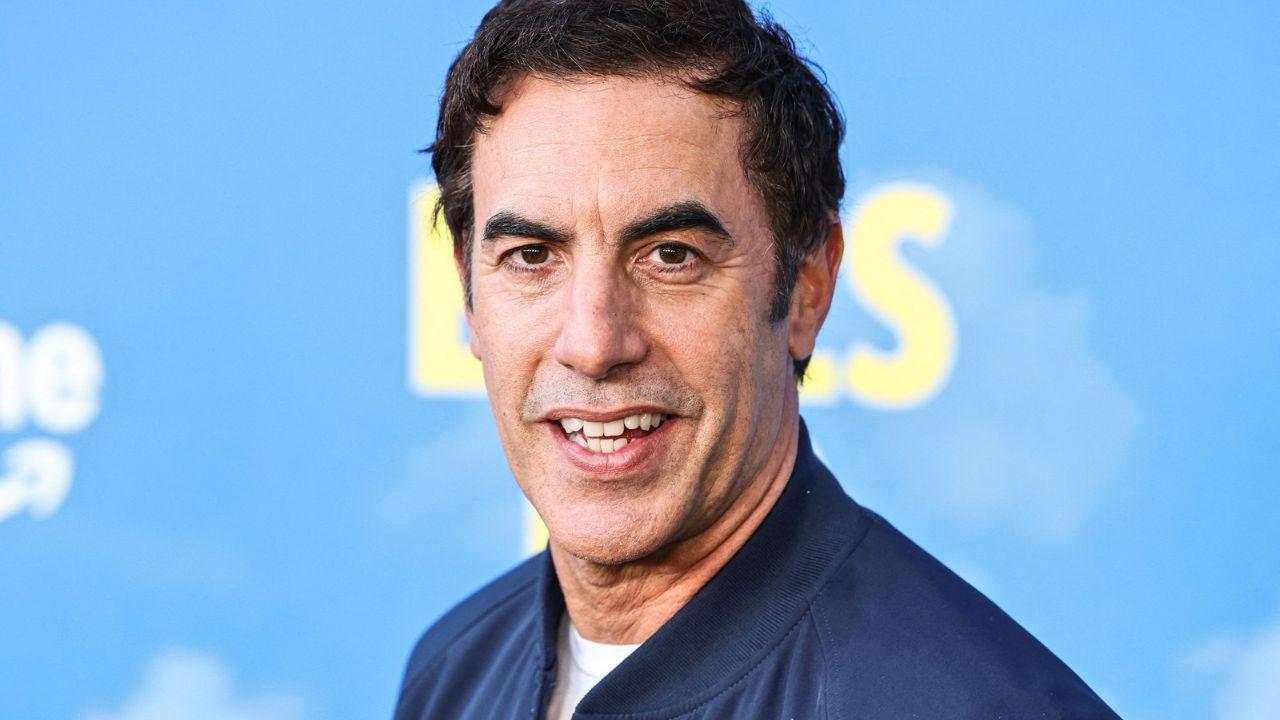
Cohen criticized social media companies for spreading conspiracy theories and called for greater accountability.
Beyond defending his comedy, Baron Cohen directed criticism toward technology companies and their influence over the information people consume.
"Maybe [satire] can even help shame more of our governments into finally making our Silicon Valley overlords — unelected billionaires who decide what billions of people see and believe — liable for the lies, conspiracies, and hate on their platforms that have already gotten people killed and will likely kill many more," he wrote.
Baron Cohen also warned that political and religious divisions are increasingly used to justify acts of violence.